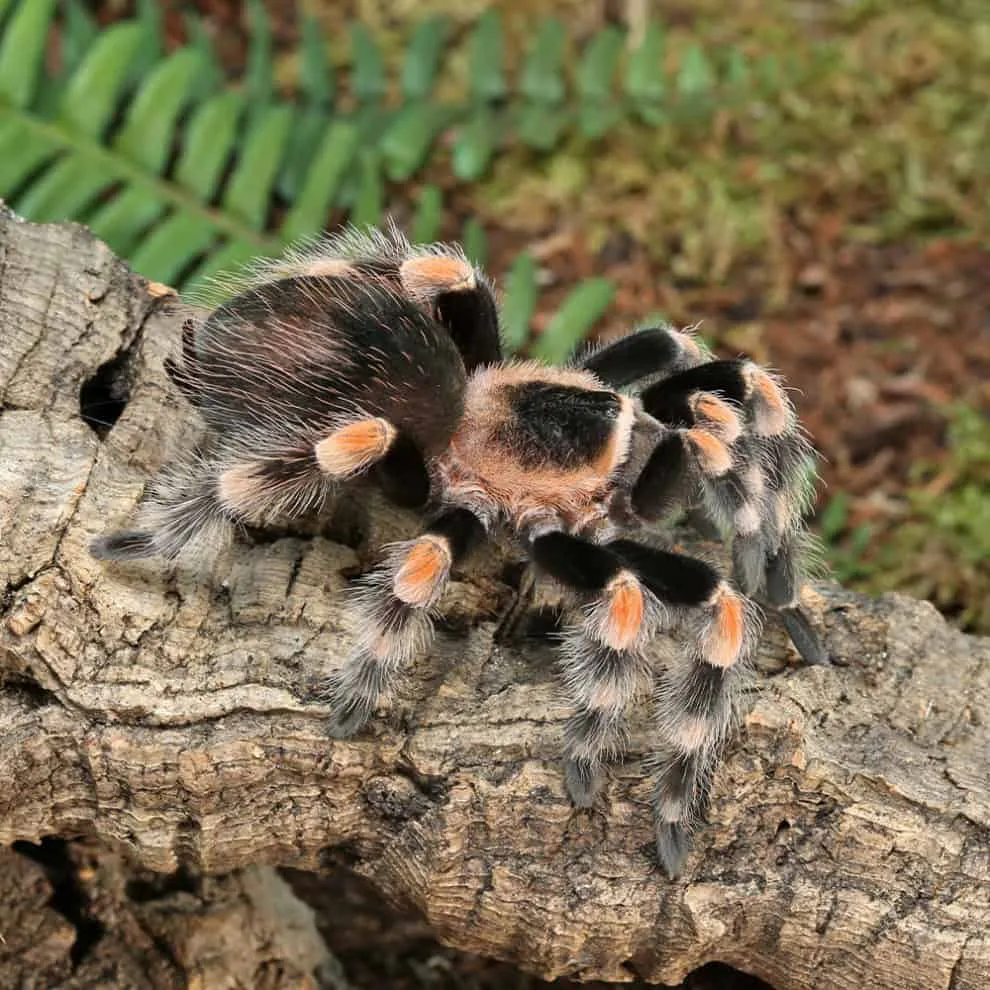
What Makes a Mexican Red Knee Tarantula Aggressive?
The Mexican Red Knee Tarantula (Brachypelma hamorii) is a beautiful and popular pet, known for its striking coloration and relatively docile nature. However, like any animal, they can exhibit aggressive behaviors. Understanding the factors that contribute to aggression is crucial for responsible ownership and ensuring both the safety of the owner and the well-being of the tarantula. Several aspects influence a tarantula’s temperament, ranging from its inherent nature and environmental conditions to its handling and feeding habits. By understanding these elements, owners can better manage their tarantula’s environment and interactions to minimize stress and aggression. This knowledge is paramount for anyone considering keeping this fascinating species as a pet, or for existing owners wanting to refine their care techniques.
Territorial Behavior
Tarantulas, including the Mexican Red Knee, are naturally territorial creatures. In their natural habitat, they establish burrows or hideouts and defend them against perceived threats. In captivity, this territorial instinct translates to defending their enclosure. A tarantula might display aggressive behaviors when it feels its territory is being invaded, such as when the enclosure is opened or when something new is introduced into its space. This defense mechanism is a primal response designed to protect their resources – their home, and potentially, their food supply. Owners should be mindful of this territoriality, especially when cleaning or maintaining the enclosure, and avoid actions that could be interpreted as a threat by the tarantula.
Defensive Posture and Strikes

When feeling threatened, a Mexican Red Knee Tarantula will resort to defensive postures and, if necessary, strikes. The tarantula may raise its front legs, display its fangs, and lift its abdomen. These behaviors are warnings, indicating that the tarantula feels endangered and is preparing to defend itself. Strikes are a last resort, usually employed if the tarantula feels cornered or cannot escape. These strikes are often accompanied by a hiss or rustling sound, serving as an additional deterrent. Understanding these defensive behaviors is essential for recognizing when a tarantula is feeling stressed and avoiding actions that could provoke an attack. Recognizing these signs will help in avoiding an unnecessary encounter.
How to Recognize Aggression
Recognizing signs of aggression in a Mexican Red Knee Tarantula is crucial for responsible pet ownership. These arachnids communicate their feelings through a variety of behaviors, which, if understood, can help owners avoid negative interactions. Being able to interpret these signals ensures the safety of both the tarantula and the owner. Some behaviors are subtle, while others are more obvious, but they all provide valuable information about the tarantula’s current state of mind. Regular observation and careful attention to the tarantula’s body language will assist the owner in providing a safe environment.
Warning Signs to Watch For
Several warning signs can indicate a Mexican Red Knee Tarantula is feeling threatened or aggressive. These include the aforementioned defensive postures, such as raising the front legs and displaying fangs. Hissing or stridulating (producing a hissing sound) is another significant indicator of distress. Rapid movements, such as quickly retreating to a corner of the enclosure or erratic walking, can also signal anxiety or a feeling of being threatened. Additionally, a tarantula may flick its urticating hairs from its abdomen as a defensive measure. Recognizing these warning signs allows owners to take appropriate actions to de-escalate the situation.
Understanding Threat Displays

Threat displays are the tarantula’s way of communicating its discomfort or readiness to defend itself. Beyond the basic postures, observe subtle clues such as a change in the tarantula’s overall demeanor. A tarantula that suddenly becomes very still and alert may be assessing a potential threat. The spider’s body posture, the position of its pedipalps (the small appendages near its mouth), and the way it moves all provide insights into its emotional state. Pay close attention to these details, as they can give early indications of a tarantula’s intentions. Understanding these threat displays can help owners avoid triggering aggressive responses and to handle the spider more safely.
The Role of Environment in Aggression
The environment in which a Mexican Red Knee Tarantula is kept plays a critical role in its behavior, including its level of aggression. An improperly maintained enclosure can lead to stress and increase the likelihood of aggressive behavior. Maintaining the correct conditions, like the right temperature, humidity, and providing suitable hiding places, is vital for creating a comfortable and secure environment for the tarantula. A well-designed and maintained habitat will minimize stress and encourage the tarantula to behave in a more relaxed manner.
Importance of Proper Habitat
The habitat of a Mexican Red Knee Tarantula should mimic its natural environment. This includes providing a suitable substrate, such as a mix of coconut fiber and peat moss, which allows the tarantula to burrow and create a comfortable hideaway. The enclosure should be appropriately sized, allowing the tarantula enough space to move around without feeling cramped. Adequate ventilation is crucial for maintaining air quality and preventing the buildup of harmful gases. Regularly cleaning the enclosure and removing any uneaten food also promotes a healthy environment. A well-maintained habitat provides a sense of security and reduces stress, thereby lowering the likelihood of aggressive behavior.
Temperature and Humidity

Temperature and humidity are two crucial factors that significantly influence a Mexican Red Knee Tarantula’s well-being. These tarantulas thrive in a specific range of conditions, and deviations from this range can cause stress and potentially lead to aggression. The ideal temperature range is typically between 75-85°F (24-29°C). Humidity levels should be maintained between 60-70% depending on the individual spider and its stage of life. Monitoring these environmental factors with a reliable thermometer and hygrometer is essential. Adjustments can be made by using a heat source, such as a heat mat or ceramic heat emitter, and by misting the enclosure with water, as needed. Ensuring these conditions are met is an important step towards creating a comfortable environment, minimizing stress, and reducing the risk of aggressive behavior.
Providing Hiding Places
Providing ample hiding places within the enclosure is vital for a Mexican Red Knee Tarantula’s sense of security. In their natural habitat, these tarantulas spend much of their time in burrows or under rocks, where they feel safe from predators and environmental changes. In captivity, a hide, such as a cork bark, a half-log, or a commercially available tarantula hide, serves the same purpose. The hide should be appropriately sized for the tarantula, allowing it to retreat completely and feel secure. The presence of a hide reduces stress by providing a safe haven and reducing the likelihood of the tarantula feeling exposed. A tarantula that feels safe is less likely to exhibit aggressive behaviors.
The Impact of Feeding and Prey
Feeding practices and the types of prey offered can also influence a Mexican Red Knee Tarantula’s behavior. Both overfeeding and underfeeding can cause stress and alter its temperament. Providing appropriate prey items and adjusting the feeding schedule to the tarantula’s needs is important for maintaining its health and minimizing the risk of aggression. Understanding the importance of a balanced diet is key to responsible tarantula ownership.
Overfeeding and its Effects

Overfeeding a Mexican Red Knee Tarantula can lead to several issues, including obesity and stress, which can indirectly lead to changes in its behavior. A tarantula that is constantly overfed might become less active and more prone to refusing food, which can be a sign of underlying health problems. Moreover, overfeeding can cause the tarantula to experience discomfort and can potentially make it more irritable. A responsible feeding schedule involves providing the tarantula with a suitable amount of food, typically once or twice a week for adults, depending on their appetite and the size of the prey. Careful observation of the tarantula’s abdomen can also help gauge whether it is being overfed; an overly plump abdomen might indicate the need to reduce the feeding frequency.
The Prey Size Matters
The size of the prey offered to a Mexican Red Knee Tarantula should be appropriate for its size. Feeding prey that is too large can be stressful for the tarantula and can increase the risk of injury during the hunt. Conversely, prey that is too small may not provide adequate nutrition. A general rule of thumb is to offer prey that is no larger than the tarantula’s body length. Common prey items include crickets, roaches, and mealworms, which provide a balanced diet. Monitoring the tarantula’s feeding habits and ensuring it is able to successfully capture and consume its prey is an essential part of responsible care. This reduces stress and encourages a healthier temperament.
Handling and Interaction with Your Tarantula
Handling a Mexican Red Knee Tarantula is a controversial topic among pet owners. While some owners may enjoy handling their tarantulas, it’s essential to understand the potential risks involved. Handling can be stressful for tarantulas, and can potentially lead to defensive behavior, including strikes. When considering handling your tarantula, you must prioritize its well-being and take steps to minimize any potential risks. Understanding the appropriate techniques and knowing when to avoid handling altogether are crucial for safe and responsible ownership.
Minimize Handling

Minimize handling whenever possible. Tarantulas are not typically social animals, and they do not require handling for their well-being. Frequent handling can cause unnecessary stress, increasing the likelihood of defensive behaviors. If handling is necessary, ensure that it is done in a calm and controlled environment. Always avoid any sudden movements or loud noises, as these can startle the tarantula and cause it to react defensively. The best approach is to limit handling to a minimum, preserving the tarantula’s comfort and reducing the risk of triggering aggressive reactions.
Safe Handling Techniques
If handling is unavoidable, there are several techniques to ensure your safety and the safety of your tarantula. Always approach the tarantula slowly and gently, avoiding any sudden movements. It’s best to handle the tarantula over a soft surface, such as a bed or a couch, in case it falls. Use a soft brush or a long, thin object to gently encourage the tarantula to walk onto your hand. Never try to grab or force the tarantula. Allow the tarantula to move at its own pace, and be prepared to set it down if it shows signs of stress or agitation. Remember to wash your hands thoroughly after handling a tarantula.
What to Do if Bitten
While Mexican Red Knee Tarantula bites are rarely life-threatening to humans, they can be painful. If you are bitten, remain calm and assess the situation. Wash the bite area thoroughly with soap and water. Apply a cold compress to reduce any swelling or pain. Monitor the area for any signs of an allergic reaction, such as difficulty breathing or severe swelling, and seek immediate medical attention if necessary. While tarantula bites are not usually fatal, they can be very uncomfortable. It is important to remain calm and seek medical attention in case of an allergic reaction.
5 Quick Facts About Aggressive Mexican Red Knee Tarantulas

- Territorial by nature, protect their enclosure.
- Defensive postures include raising front legs and displaying fangs.
- Environmental factors such as habitat, temperature, and humidity impact behavior.
- Overfeeding and improper prey size can contribute to stress and aggression.
- Minimize handling to reduce stress and the risk of defensive reactions.