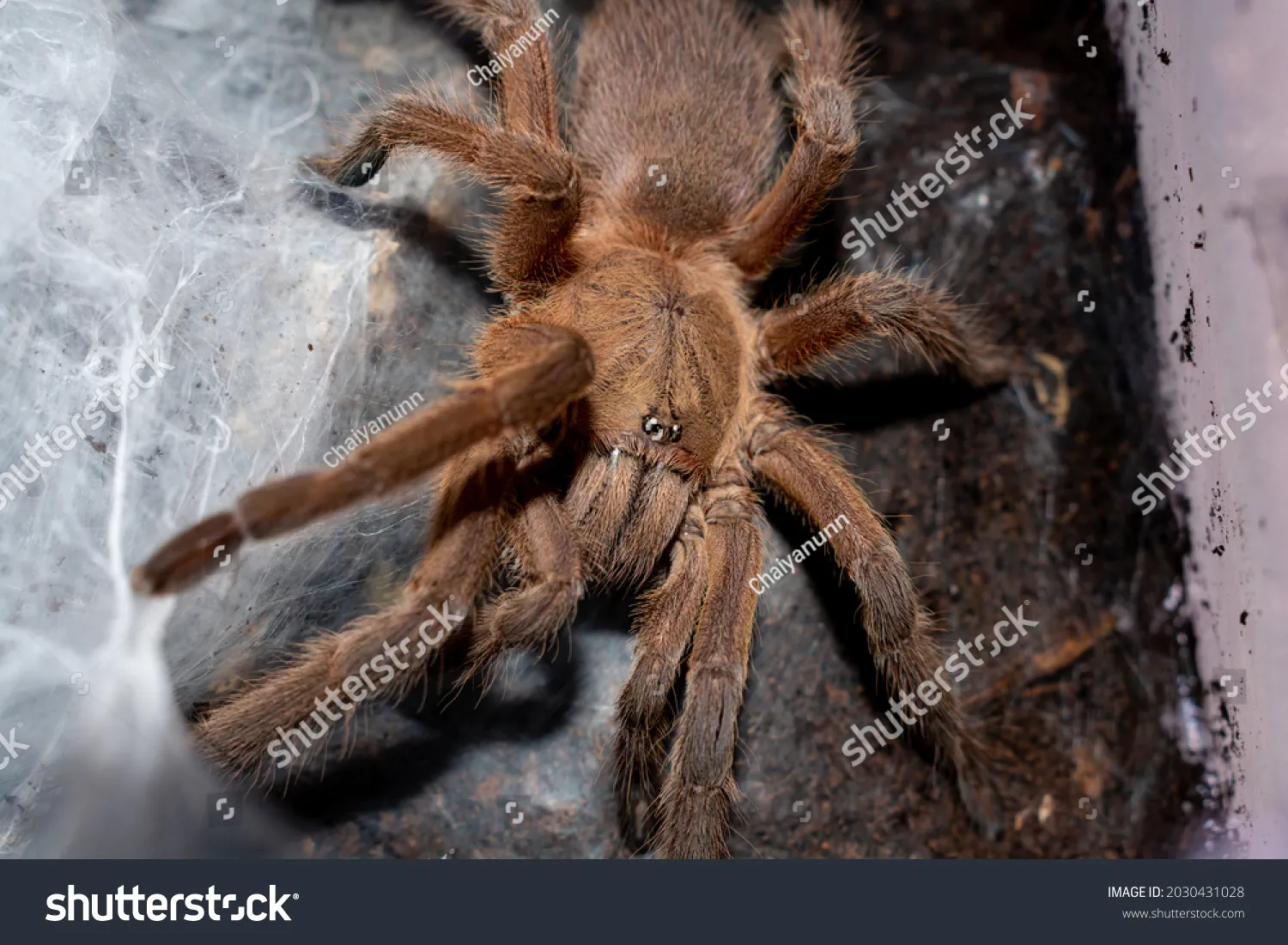
What is an Asian Tarantula?
Asian tarantulas are large, hairy spiders belonging to the Theraphosidae family, native to various regions across Asia. They are known for their impressive size, diverse coloration, and, in some species, their potent venom. These arachnids play a crucial role in their ecosystems, primarily as predators of insects and small animals. The term “Asian tarantula” encompasses a wide variety of species, each with unique characteristics and behaviors. Their popularity as pets has grown, but it is essential to understand their specific needs, potential dangers, and conservation status before considering ownership. The fascination with these creatures stems from their exotic appearance and intriguing life cycle, making them a captivating subject for both enthusiasts and researchers.
Defining Asian Tarantula Species
The term ‘Asian tarantula’ refers to several species of tarantulas found across the Asian continent, from the tropical rainforests of Southeast Asia to the drier regions of the Middle East. Some of the most well-known species include the Poecilotheria genus, known for their arboreal habits and striking patterns. Other notable species include those within the Chilobrachys and Cyriopagopus genera. Each species has unique characteristics regarding size, coloration, and temperament. Correct identification is essential, as their care requirements, venom potency, and potential dangers can vary greatly. Their diversity means that one must understand their specific ecological niche to appreciate these fascinating arachnids fully.
Habitat and Distribution of Asian Tarantulas

Asian tarantulas inhabit a wide range of habitats across Asia, reflecting the diversity of their species. They are primarily found in tropical and subtropical regions, including rainforests, grasslands, and arid environments. Their distribution extends across countries like Thailand, Malaysia, India, and various parts of the Middle East. The specific habitat of a species depends on its ecological needs, with some being terrestrial, burrowing into the ground, while others are arboreal, living in trees. Understanding their habitat is crucial for conservation efforts and proper care in captivity. Factors like temperature, humidity, and the availability of prey influence their distribution and survival.
Where Asian Tarantulas Live
Asian tarantulas exhibit varied lifestyles, depending on their species. Some live in burrows they dig in the ground, providing them shelter from predators and the elements. Others are arboreal, constructing webs or finding refuge in tree crevices. The availability of suitable habitats like loose soil, access to water, and areas with a stable microclimate plays a critical role in their distribution. Their ability to adapt to diverse environments, from humid rainforests to drier grasslands, highlights their resilience. Understanding their specific habitat preferences is vital for both studying these spiders and protecting them in their natural environments.
How Asian Tarantulas Adapt
Adaptation is crucial for Asian tarantulas to survive in their diverse habitats. They have evolved various strategies to cope with environmental challenges, such as fluctuating temperatures, humidity levels, and the availability of prey. Some species have developed specialized behaviors, like creating elaborate webs to trap prey or burrowing deep into the ground to escape extreme weather. Their physical characteristics also contribute to their adaptability, with their size and coloration providing camouflage. Understanding these adaptations is essential for studying their evolutionary success and devising effective conservation strategies.
Appearance and Physical Characteristics

Asian tarantulas are characterized by their large size and hairy bodies, which are typical of the tarantula family. Their bodies are divided into two main parts, the cephalothorax (fused head and chest) and the abdomen. They possess eight legs and chelicerae (mouthparts) with fangs used for capturing prey. Their physical characteristics vary among species, with differences in size, leg span, and coloration. They also have spinnerets at the end of their abdomen, which they use to produce silk for constructing webs, lining their burrows, and creating egg sacs. These features highlight the diversity within this group of spiders and their adaptation to various environmental conditions.
Color and Size of Asian Tarantulas
The colors and sizes of Asian tarantulas vary greatly, depending on the species. Some are drab browns and blacks, providing camouflage in their natural habitats. Others display vibrant colors and intricate patterns, likely serving as a warning to predators or aiding in mate attraction. Sizes also differ widely, with some species having a leg span of only a few inches, while others can reach up to 10 inches or more. This variation in color and size reflects their adaptation to diverse environments and ecological niches. Studying these physical characteristics offers insights into their behavior, habitat preferences, and the evolutionary pressures they face.
Unique Features of Asian Tarantulas
Certain Asian tarantula species exhibit unique features that set them apart. Some have specialized setae (hairs) that they can flick off to deter predators. Others possess potent venom. Some species have unique behaviors, like constructing intricate webs or engaging in complex courtship rituals. These features highlight their diversity and adaptation to their specific environments. Further research can reveal more about their evolutionary history and ecological roles. Understanding these unique features can offer fascinating insights into their behavior, adaptations, and the threats they face in the wild.
Behavior and Temperament

The behavior and temperament of Asian tarantulas vary greatly depending on the species. Some are known for being defensive and prone to biting, while others are more docile and tolerate handling. They are typically nocturnal hunters, ambushing their prey or actively hunting during the night. Their behavior is influenced by environmental factors like temperature, humidity, and the availability of food. They also display various defensive mechanisms, such as flicking urticating hairs or raising their front legs in a threat posture. Their interactions with humans and other animals are determined by their temperament and the perceived level of threat.
Diet and Feeding Habits
Asian tarantulas are primarily carnivorous, feeding on a variety of insects and small animals. Their diet consists of crickets, roaches, mealworms, and sometimes small vertebrates, depending on their size and the availability of prey. They have specialized chelicerae (mouthparts) with fangs for injecting venom to paralyze their prey before consuming it. Their feeding habits are influenced by their metabolism, size, and the environment. They typically eat less frequently as adults than when they are growing. Understanding their dietary needs is crucial for providing appropriate care in captivity and for conservation efforts in their natural habitats.
What Do Asian Tarantulas Eat
Asian tarantulas consume a wide range of prey, primarily insects. Crickets, mealworms, and roaches make up the bulk of their diet in captivity. In the wild, they also feed on various insects, small lizards, and even small mammals. The size of their prey depends on the tarantula’s size and age. They use their fangs to inject venom, which paralyzes their prey, making it easier to consume. Their eating habits are essential to understanding their role in their ecosystem and for providing appropriate care in captivity.
How Often to Feed Asian Tarantulas

The frequency of feeding Asian tarantulas depends on their age, size, and metabolism. Spiderlings need to be fed more frequently, sometimes every other day, while adults can be fed once or twice a week. Overfeeding can lead to health problems, and it’s crucial to monitor their appetite and adjust the feeding schedule accordingly. Providing a varied diet of appropriately sized prey ensures they receive the necessary nutrients for growth and maintenance. Removing uneaten prey is essential to prevent mold and maintain a clean environment.
Asian Tarantula Bites and Venom
Asian tarantulas, like all tarantulas, possess venom that they inject into their prey. However, the potency of their venom varies greatly among species. Some species have venom that is relatively mild, while others are more potent, causing localized pain and swelling. Bites from Asian tarantulas are rare but can occur if the spider feels threatened. Understanding their venom’s potential effects is important for safety and for the appropriate treatment if a bite occurs. Proper handling techniques and caution are essential when interacting with these spiders.
Are Asian Tarantula Bites Dangerous
The danger posed by an Asian tarantula bite depends on the species and the individual’s sensitivity. In most cases, bites are not life-threatening, but they can cause localized pain, swelling, and itching. Some species, such as those in the Poecilotheria genus, have more potent venom, which can cause more severe symptoms. Allergic reactions are rare but can occur. Seeking medical attention is advised if there are signs of a serious reaction or if symptoms worsen. Prevention through safe handling and understanding the risks involved is essential.
What to Do If Bitten by an Asian Tarantula

If bitten by an Asian tarantula, the first step is to remain calm. Clean the bite area with soap and water. Apply a cold compress to reduce swelling and pain. Monitor the symptoms. Seek medical attention if you experience severe symptoms, such as difficulty breathing, dizziness, or a strong allergic reaction. Providing details about the species, if known, can help medical professionals provide the appropriate treatment. Prevention, through safe handling and understanding the risks, is always the best approach.
Asian Tarantula as Pets
Asian tarantulas are popular pets for several reasons, including their interesting appearance, relatively low maintenance requirements, and fascinating behavior. However, keeping a tarantula requires careful consideration. They need a suitable habitat, proper feeding, and handling with caution. Owning a tarantula is a significant commitment. Research is crucial before getting one. Understanding their specific needs ensures they thrive in captivity. Ethical ownership is important, supporting conservation efforts and promoting responsible pet ownership. They are fascinating creatures. They require dedication.
Caring for an Asian Tarantula
Caring for an Asian tarantula involves creating a suitable habitat, providing a proper diet, and handling them safely. A well-ventilated enclosure of appropriate size is essential. The temperature and humidity levels must be maintained at species-specific levels. Provide hiding places, like cork bark or artificial plants, to reduce stress. Feeding them appropriately sized insects, and removing any uneaten prey, is essential. Handling should be kept to a minimum. Careful observation and understanding their specific needs ensure your tarantula stays healthy and content. Regular habitat maintenance and observation are key to their well-being.
Creating the Right Habitat
Creating the right habitat for an Asian tarantula is critical for its well-being. The enclosure should be appropriately sized for the species, allowing room for movement and providing a safe environment. Substrate, like coconut fiber or peat moss, should be used to maintain humidity and allow burrowing. The temperature and humidity levels must be maintained at the appropriate levels for the specific species. Hiding places, like cork bark or artificial plants, should be provided to give the tarantula a place to feel secure. The enclosure should be well-ventilated. Regular cleaning is essential to prevent mold and disease.
Common Health Issues and Prevention
Asian tarantulas, like any pet, can be prone to health issues. The most common problems are related to improper humidity, temperature, or hygiene in their enclosures. Common issues are mites, fungal infections, and problems with molting. Preventative care includes providing the correct habitat conditions, a balanced diet, and regular cleaning of the enclosure. Monitoring the tarantula’s behavior and appearance is crucial. Prompt treatment of any health issues ensures the spider remains healthy. Consulting an experienced breeder or veterinarian specializing in arachnids is advisable for any health concerns.
Breeding Asian Tarantulas
Breeding Asian tarantulas can be a rewarding experience, but it requires knowledge and careful planning. Factors like the species, sex, and overall health of the tarantulas are essential. A breeding project involves carefully preparing the tarantulas. This includes conditioning the female and introducing the male at the appropriate time. Successful breeding results in the female producing an egg sac, which requires careful incubation. Raising the spiderlings from a young age is a significant commitment. It is a complex process. It involves understanding the specific needs of the species.
The Breeding Process
The breeding process of Asian tarantulas involves several critical steps. First, the male and female must be properly conditioned to ensure they are in good health. The male is then introduced to the female’s enclosure. Mating behavior varies by species, but it often involves the male drumming his legs or displaying other courtship rituals. Successful mating can lead to the female producing an egg sac, which she will guard and care for. The egg sac is incubated under the right conditions, and the spiderlings hatch. Raising the spiderlings to maturity requires special care, including providing small prey and maintaining proper temperature and humidity. It is a challenging process but offers an in-depth look at their life cycle.
Conservation Status of Asian Tarantulas
The conservation status of Asian tarantulas varies, with some species being threatened due to habitat loss, the pet trade, and other factors. Many species face challenges related to deforestation, urbanization, and over-collection. Understanding their conservation status is critical for taking action to protect them. Conservation efforts include habitat protection, sustainable pet trade practices, and awareness campaigns. Responsible ownership, supporting conservation organizations, and educating others are crucial steps to preserve their natural habitats and to sustain their populations.
Threats to Asian Tarantulas
Asian tarantulas face various threats that endanger their populations. Habitat destruction, especially deforestation due to agriculture and logging, is a significant concern. Over-collection for the pet trade also poses a threat, particularly for species with attractive colors or patterns. Climate change and the introduction of invasive species are other emerging threats that can disrupt their ecosystems. Understanding these threats is essential for developing effective conservation strategies and protecting these animals’ future. Education and active involvement from both pet owners and conservationists are crucial.
Conservation Efforts
Various conservation efforts are underway to protect Asian tarantulas and their habitats. These efforts include habitat protection and restoration projects. Sustainable pet trade practices reduce over-collection. Research and monitoring programs are being carried out to understand their populations better. Raising awareness about the importance of these spiders and their role in the ecosystem is a key strategy. Everyone, from hobbyists to conservation organizations, has a role in supporting their protection. Collective efforts are crucial to ensure the survival of these fascinating creatures.