Understanding the Auratum Tarantula
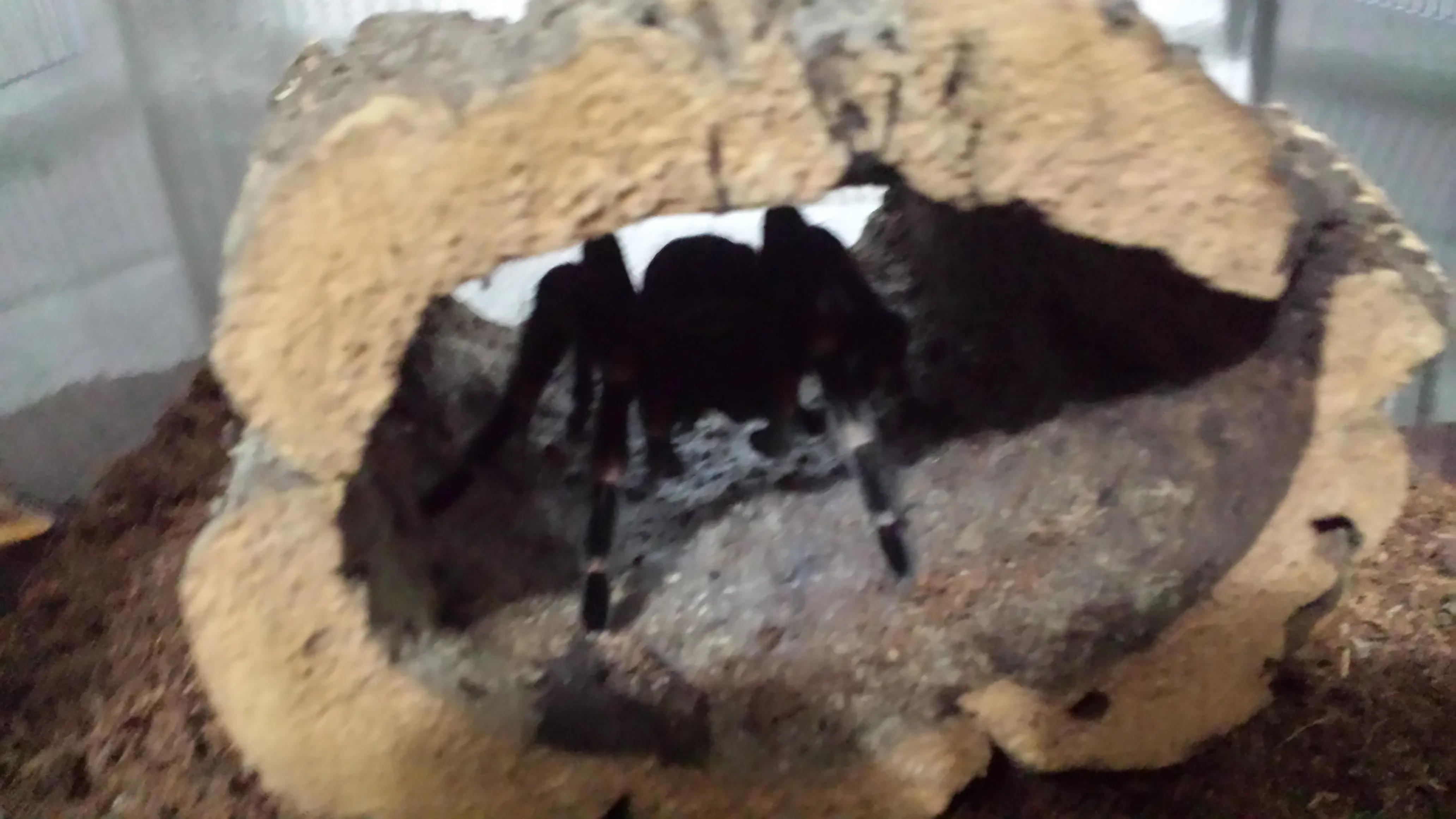
The Auratum tarantula, also known as the Golden Knee tarantula (Brachypelma auratum), is a captivating species, making them a popular choice for both novice and experienced arachnid enthusiasts. Native to a specific region of Mexico, these tarantulas are known for their striking appearance and relatively docile temperament, which contributes to their appeal as pets. Understanding their origin, characteristics, and needs is essential for providing them with a thriving environment. This comprehensive care guide will help you understand everything you need to know about Auratum tarantulas, from setting up their enclosure to understanding their behavior and health.
Origin and Characteristics
Auratum tarantulas are endemic to a limited area in the Pacific coast of Mexico. In their natural habitat, they typically dwell in burrows or under rocks, utilizing the cover to ambush prey. Their coloration, consisting of a black body with vibrant orange or golden bands on their legs, serves as both a camouflage and a warning to potential predators. These tarantulas can live for many years, with females often outliving males, making them a long-term commitment for any owner.
Physical Description

The physical appearance of an Auratum tarantula is one of its most alluring features. They have a dark, often black, body contrasting with the bright orange or golden bands on their legs. The carapace (the upper shell) is also dark, providing a stunning backdrop for the leg coloration. As they mature, the vibrant colors become more pronounced. Adult females can have a leg span of up to 6 inches, while males are typically smaller. The size and color intensity can vary slightly depending on the individual tarantula’s genetics and care.
Temperament and Behavior
Auratum tarantulas are generally considered docile and are less prone to defensive behaviors like biting compared to some other tarantula species. However, it’s important to remember that they are still wild animals and can react defensively if threatened. They may flick urticating hairs as a defense mechanism, which can cause skin irritation. They are primarily nocturnal, meaning they are most active at night, often found exploring their enclosure. Understanding their behavior and respecting their space is key to a positive ownership experience.
Creating the Perfect Habitat
Setting up the right habitat is crucial for the health and well-being of your Auratum tarantula. Providing an environment that mimics their natural habitat can reduce stress and encourage natural behaviors. This includes the correct enclosure size, substrate, temperature, humidity, and appropriate equipment. Paying attention to these environmental factors helps ensure your tarantula thrives. By investing time in setting up a suitable habitat, you are setting your tarantula up for a long and healthy life.
Enclosure Size and Type

The enclosure should be appropriately sized for the tarantula. A good rule of thumb is to provide an enclosure that is at least twice the tarantula’s leg span in width. For juveniles, a smaller, secure container is recommended, as it can make it easier for them to find their food. Glass or clear plastic terrariums are ideal, as they allow for easy viewing and temperature control. The enclosure should have a secure lid to prevent escapes and ample ventilation to prevent mold and humidity buildup. Ensure the enclosure has adequate cross-ventilation.
Substrate Selection
The substrate should be able to hold a bit of moisture to maintain humidity levels while still allowing for burrowing, if your tarantula wants to dig. A mixture of peat moss, coconut fiber, and vermiculite is an excellent choice. This combination provides good moisture retention, allows for burrowing, and is relatively easy to clean. The substrate should be deep enough to allow the tarantula to burrow and provide a safe space. A depth of 4-6 inches is usually sufficient for adult Auratum tarantulas. Regularly check for mold and replace the substrate as needed, typically every 6-12 months or when it becomes heavily soiled.
Temperature and Humidity
Auratum tarantulas thrive in a temperature range between 75-85°F (24-29°C). A heat source, such as a heat mat or a low-wattage ceramic heat emitter, can be used to maintain the desired temperature, but always ensure it is regulated with a thermostat to prevent overheating. Humidity levels should be kept between 60-70%. This can be achieved by misting the enclosure lightly once or twice a week. The use of a hygrometer is essential to monitor humidity levels and ensure they stay within the correct range. Too much humidity can lead to mold growth, while too little can cause problems with molting.
Essential Equipment

Several items are essential for your tarantula’s habitat. A shallow water dish is crucial, providing a constant source of fresh water. Make sure the dish is shallow enough to prevent drowning, especially for smaller tarantulas. Hides, such as cork bark or artificial hides, should be provided to give the tarantula a safe space where it can retreat and feel secure. A digital thermometer and hygrometer are essential to monitor temperature and humidity levels. You may also choose to add a few artificial plants for decoration and to provide additional hiding places, but ensure they are non-toxic.
Feeding Your Auratum Tarantula
Proper nutrition is key to keeping your Auratum tarantula healthy and thriving. A balanced diet consisting of appropriate prey items is essential for their growth, development, and overall well-being. Factors like feeding frequency, food choice, and ensuring proper hydration all play a role in your tarantula’s health. Following the guidelines for feeding can ensure your tarantula receives adequate nutrition to lead a long and healthy life.
Diet and Feeding Frequency
Auratum tarantulas are voracious eaters. Juveniles should be fed 2-3 times per week, while adults can be fed once a week or every other week, depending on their size and appetite. Adjust the feeding frequency based on your tarantula’s size and how readily it consumes its food. Be sure to remove any uneaten food within 24 hours to prevent the growth of mold or mites. Overfeeding can lead to obesity, while underfeeding can stunt growth, so it is important to find a balance.
Choosing the Right Food

The primary food source for Auratum tarantulas should be live insects. Crickets, roaches, and mealworms are all suitable options. The size of the prey should be appropriate for the size of the tarantula; the prey should ideally be no larger than the tarantula’s body size. It’s also good practice to gut-load the insects with nutritious food before feeding them to your tarantula. This process involves feeding the insects a diet rich in vitamins and minerals, which in turn benefits the tarantula. Avoid feeding your tarantula wild-caught insects due to the risk of pesticides and parasites.
Watering and Hydration
Auratum tarantulas require a constant source of fresh water. A shallow water dish should be provided at all times, and the water should be changed regularly to prevent bacterial growth. Mist the enclosure lightly once or twice a week to maintain humidity. This is especially important during molting, as adequate hydration helps the tarantula shed its exoskeleton. Monitor the water dish and misting schedule to ensure your tarantula stays hydrated.
Handling and Safety
While Auratum tarantulas are generally docile, handling them should be done with caution and respect. Even though they are not highly venomous, a bite can still be painful. Furthermore, handling can be stressful for the tarantula. Prioritizing the tarantula’s well-being is more important than handling the tarantula. Understanding how to handle them safely, recognizing stress signs, and knowing when to avoid handling altogether is vital for both your safety and the tarantula’s well-being.
Handling Precautions
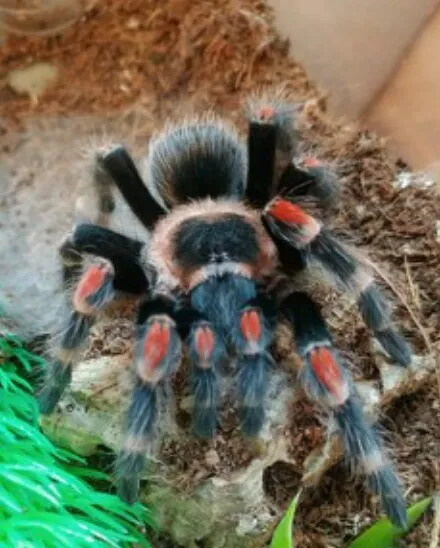
If you choose to handle your Auratum tarantula, do so carefully and gently. Always handle them over a soft surface, such as a bed or carpet, to prevent injury if they fall. Avoid sudden movements, as this can startle them. Before handling, make sure your hands are clean and free of any scents, such as hand lotion or soap, which could potentially irritate the tarantula. Avoid handling immediately after feeding or before molting.
Recognizing Stress Signs
It is essential to recognize the signs of stress in your tarantula to minimize potential harm. A stressed tarantula may flick its urticating hairs, which is a defensive response. Other signs include a defensive posture, such as raising its front legs, or fleeing. If your tarantula shows any of these signs, it’s best to leave it alone and allow it to relax in its enclosure. Overhandling can lead to stress and potentially impact its health and well-being. Respecting its space is crucial.
Health and Common Issues
Like any pet, Auratum tarantulas can be prone to certain health issues. Understanding these potential problems and knowing how to address them is crucial for ensuring your tarantula’s well-being. Regular observation and preventative care are key. Learning about shedding, mites, parasites, and other health issues allows for early detection and treatment.
Shedding
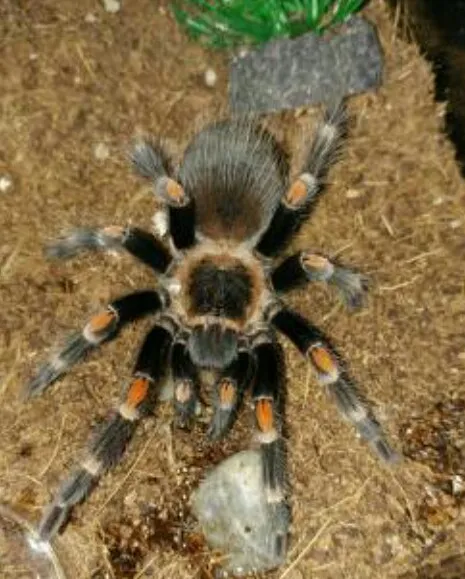
Shedding, or molting, is a natural process where tarantulas shed their exoskeleton to grow. The frequency of molting depends on the tarantula’s age and growth rate; juveniles molt more frequently than adults. Before molting, the tarantula may become less active, refuse food, and its abdomen may appear darker. Provide a humid environment during this period. After molting, the tarantula’s new exoskeleton will be soft, and it will need a few days to harden. Avoid disturbing your tarantula during this time.
Mites and Parasites
Mites can sometimes infest tarantula enclosures, especially if the environment is too humid or dirty. Mites are small, parasitic arachnids that can attach to the tarantula and feed on it or the substrate. To prevent mites, ensure proper hygiene in the enclosure and inspect the tarantula regularly. If mites are present, they can often be treated by rehousing the tarantula in a completely new enclosure with fresh substrate and removing the contaminated substrate. Using springtails as a cleanup crew can also help in managing mites by outcompeting them for food. Proper ventilation also helps.
Molting
Molting is a significant event in a tarantula’s life, as it is how they grow. During this process, the tarantula sheds its exoskeleton. Before molting, the tarantula will usually become less active, stop eating, and may appear sluggish. They may also create a web mat and flip over onto their back. The molting process can take several hours, and during this time, the tarantula is very vulnerable. It’s important to maintain high humidity during molting and avoid disturbing the tarantula. After molting, the new exoskeleton will be soft and require some time to harden.
Breeding and Reproduction
Breeding Auratum tarantulas can be a fascinating but complex process. It requires careful planning and a good understanding of the species’ needs. It’s important to be prepared for the responsibilities of raising spiderlings. From identifying the sexes to managing the egg sac and spiderlings, the process is involved and demands a significant commitment.
Identifying Male and Female
Sexing tarantulas can be done by examining their underside or looking at their last molt. Males typically have a more elongated body shape. It is also possible to sex them by examining the presence of tibial hooks (on the front legs) and the presence of a sperm web. Females, on the other hand, generally have a rounder body. An experienced breeder can use these characteristics to determine the sex of the tarantula accurately. The easiest way to sex a tarantula is to look at the molt. The presence of a spermatheca indicates a female.
Mating Process
The mating process involves introducing a mature male to a receptive female. The male will typically drum on the ground to attract the female’s attention. If the female is receptive, she will allow the male to approach. The male uses his tibial hooks to keep the female’s fangs away from him during mating. After mating, it’s important to remove the male from the female’s enclosure to prevent him from being eaten. The success of this process depends on several factors, including the maturity and health of both tarantulas.
Egg Sac and Spiderlings
If the mating is successful, the female will lay eggs and enclose them in an egg sac. She will guard the egg sac, and the spiderlings will hatch after several weeks. The spiderlings are small and require special care, including providing appropriately sized prey items and maintaining a suitable environment. It is recommended to separate the spiderlings into individual enclosures to prevent cannibalism. The breeder needs to provide a carefully controlled environment to raise the spiderlings successfully. This involves carefully monitoring the humidity, temperature, and food supply for the young tarantulas. The spiderlings will go through several molts before they reach maturity.