Top 5 Things to Know Before Buying an Avic Tarantula
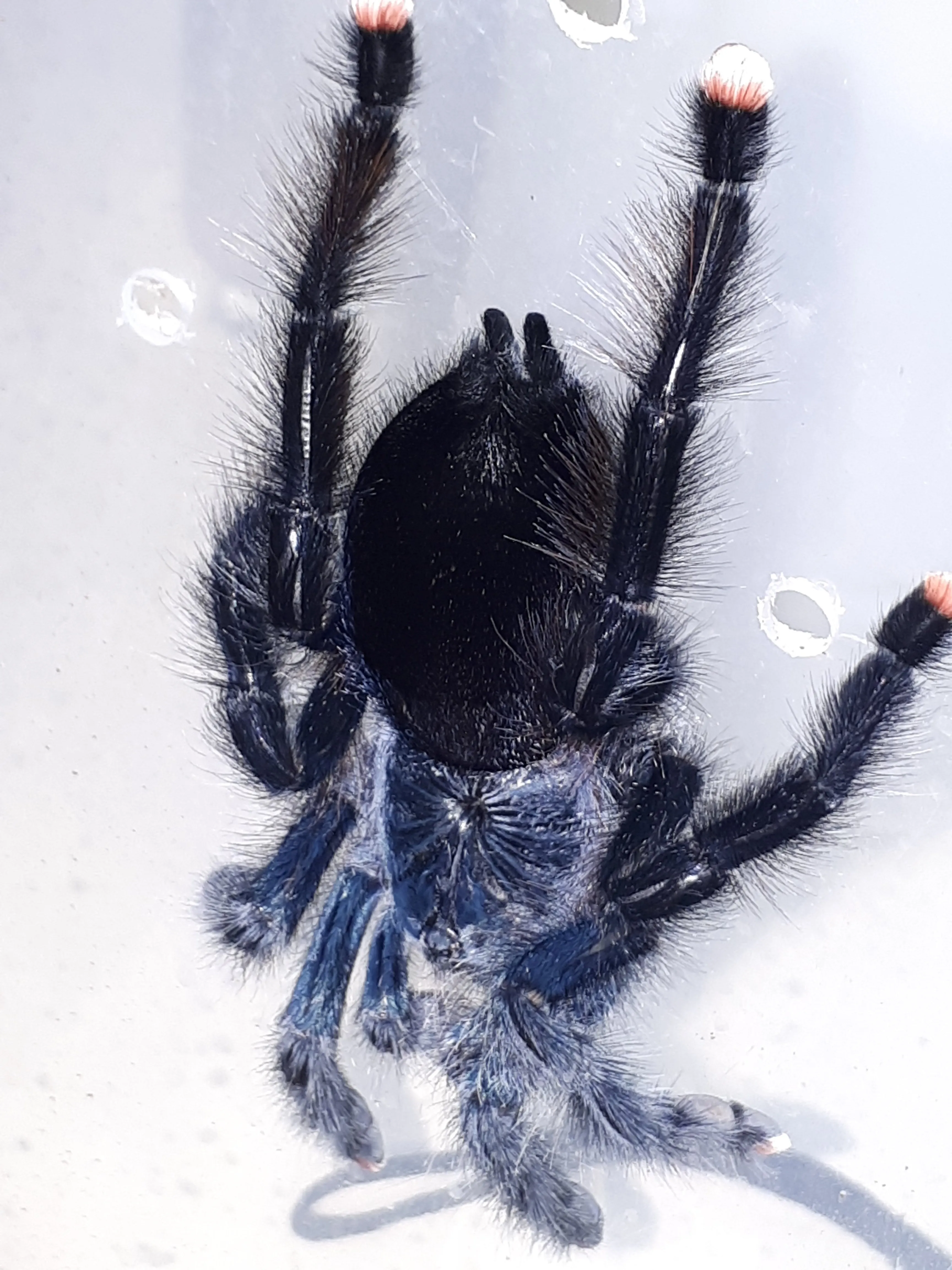
The Avicularia avicularia, commonly known as the pinktoe tarantula, is a popular choice for tarantula enthusiasts. Its striking appearance and relatively docile temperament make it appealing. However, owning an Avic tarantula requires commitment and knowledge. Before you bring one home, it’s crucial to understand their needs, behavior, and the responsibilities involved in providing proper care. This guide highlights the top 5 things you need to know before purchasing an Avic tarantula, ensuring you’re prepared to provide a healthy and fulfilling life for your new pet.
Origin and Appearance of Avic Tarantulas
Avic tarantulas are native to the tropical rainforests of South America, including countries like Brazil, Guyana, and Suriname. In their natural habitat, they thrive in humid environments and live in trees, hence their classification as arboreal tarantulas. Their vibrant colors and unique characteristics set them apart. Typically, they exhibit a dark body color with pink or red tips on their feet, which gives them their common name, “pinktoe.” These spiders have a relatively large size, with adult females reaching up to 6 inches in leg span, while males are usually smaller. The overall appearance of an Avic tarantula is captivating, making them a visually appealing addition to any collection.
Understanding the Arboreal Nature

Arboreal tarantulas, like the Avic, have adapted to living in trees. This means they have specific needs compared to terrestrial tarantulas that live on the ground. They require vertical space in their enclosure, utilizing branches and leaves to create their habitats. Arboreal species are also typically faster and more agile climbers. Understanding this nature is vital for providing a suitable enclosure and proper care. This involves mimicking their natural environment through the use of climbing structures, hiding places, and ensuring adequate humidity, which is essential for their well-being and successful molting cycles. Ignoring their arboreal instincts can lead to stress and other health problems.
Ideal Habitat Requirements
Creating the right habitat is critical for the health and happiness of your Avic tarantula. A well-designed enclosure replicates their natural environment and encourages healthy behavior. This involves selecting the appropriate enclosure size, substrate, and decor to ensure your pet’s comfort. Providing a proper habitat will minimize stress and promote longevity for your tarantula. The following elements will provide the proper environment for your Avic tarantula.
Enclosure Size and Setup
Choose a tall enclosure, as Avic tarantulas are arboreal. A good starting size for a juvenile is a 8x8x12 inch enclosure, and for an adult, a 12x12x18 inch enclosure is recommended. Ensure the enclosure has good ventilation, with cross-ventilation being ideal to prevent stagnant air and mold growth. Secure the lid to prevent escapes. The enclosure should be made of glass or acrylic, providing a clear view of your tarantula. A well-designed setup mimics their natural habitat by providing climbing structures and ample space for the tarantula to move and explore, promoting overall well-being.
Substrate and Decor Considerations

The substrate should be absorbent and maintain humidity. A mix of coconut fiber and sphagnum moss is a good option. The substrate should be deep enough to allow the tarantula to burrow and establish a retreat. Decorate the enclosure with cork bark, branches, and artificial plants to provide climbing surfaces and hiding spots. These elements mimic the natural arboreal environment, giving your tarantula a secure and stimulating habitat. Avoid sharp objects that could injure the tarantula and make sure all materials are clean and free from pesticides. Consider using a hygrometer to monitor humidity levels and a thermometer to ensure the enclosure stays within the proper temperature range.
Feeding and Dietary Needs
Proper nutrition is paramount to the health of your Avic tarantula. This includes selecting suitable prey and establishing a feeding schedule tailored to their growth stage and appetite. It’s crucial to provide your tarantula with a diet rich in essential nutrients, ensuring its well-being and vibrant appearance. Understanding the nutritional needs of your Avic will significantly contribute to its overall health and longevity. Feeding your tarantula correctly involves a balance between the type of food, the frequency of feeding, and the overall health of your spider.
Prey Selection and Feeding Schedule
Avic tarantulas typically feed on insects. Crickets, roaches, and mealworms are standard choices. Ensure the prey is appropriately sized; the insects should be no larger than the tarantula’s body. Feed juveniles every 3-4 days, and adults can be fed every 5-7 days, adjusting based on their body condition. Remove uneaten prey within 24 hours to prevent stress and potential injury to the tarantula. Always ensure the prey is gut-loaded with nutritious food for at least 24 hours before feeding them to your tarantula. Provide a water source to help with hydration.
Water and Hydration

Hydration is critical. Provide a shallow water dish with fresh, clean water at all times. Alternatively, you can mist the enclosure lightly every few days, especially during molting. The Avic tarantula absorbs water through the substrate and by drinking. Ensure the water dish is easily accessible and doesn’t pose a drowning hazard. Regularly check the water dish and misting schedule to maintain adequate humidity levels and proper hydration for your tarantula.
Temperament and Handling
Avic tarantulas are generally known for their relatively docile temperament, making them suitable for beginners. However, handling should be approached with caution, as even the most docile tarantulas can react defensively if they feel threatened. Understanding their behavior and handling techniques is essential for ensuring both the tarantula’s and the handler’s safety. Proper precautions and a calm approach can minimize stress and potential incidents. Educate yourself on the signs of stress and learn to read your tarantula’s body language to avoid handling when they are agitated or likely to bite.
Handling Precautions and Safety
Handle your tarantula only when necessary, and avoid handling if you are not comfortable or lack experience. Always handle them over a soft surface, such as a bed or couch, to minimize the risk of injury if the tarantula falls. Move slowly and deliberately, avoiding sudden movements that could startle the tarantula. Always supervise children when they are near the tarantula. Wash your hands thoroughly before and after handling to prevent the spread of germs and ensure both your and the tarantula’s safety.
Recognizing Stress and Behavior

Learn to recognize signs of stress in your tarantula, such as skittish behavior, defensive postures, or fleeing. Avoid handling your tarantula if it displays these signs. A healthy tarantula should be alert and actively exploring its enclosure. Unusual behavior, such as hiding for extended periods or refusing food, may indicate stress or illness. Always observe your tarantula’s behavior and environment and adjust your handling practices accordingly. Understanding their normal behaviors allows you to identify issues quickly and provide appropriate care.
Health and Common Issues
Like all pets, Avic tarantulas can experience health issues. Recognizing the signs of illness and providing appropriate care can significantly impact your tarantula’s well-being and longevity. Many health problems are preventable with proper care. Regular observation, good hygiene, and a balanced diet are key to maintaining a healthy tarantula. Understanding the common health concerns and how to address them helps you provide the best possible care for your pet.
Shedding and Molting
Molting is a natural process where tarantulas shed their exoskeletons to grow. During molting, the tarantula becomes vulnerable. Before molting, your tarantula may stop eating, become lethargic, and create a web mat. Provide a humid environment during molting to help the process. After molting, do not feed your tarantula for a few days, allowing its new exoskeleton to harden. Avoid disturbing your tarantula during molting and afterward to give it time to recover and strengthen. The frequency of molting decreases as the tarantula ages.
Preventing and Treating Common Illnesses

Preventative measures include maintaining proper humidity, providing a clean environment, and ensuring a varied diet. Common issues include mites, which can be controlled by maintaining good hygiene and quarantine new tarantulas. Other problems include bacterial and fungal infections. If you suspect your tarantula is sick, consult a veterinarian specializing in exotic animals. Early intervention is crucial in treating any health problems and ensuring a successful recovery.
Where to Buy an Avic Tarantula
Finding a reputable source is paramount when purchasing an Avic tarantula. The health and well-being of your tarantula depend on the breeder’s practices and the quality of care they provide. Purchasing from a reliable source ensures you get a healthy tarantula and receive valuable advice and support. Researching the options and taking time to find a trustworthy breeder or seller will help you avoid potential problems and have a positive experience owning an Avic.
Reputable Breeders and Sellers
Look for breeders and sellers with positive reviews and a good reputation within the tarantula community. Research breeders online, read reviews, and check their social media presence to gauge their professionalism. Reputable breeders prioritize the health and well-being of their tarantulas, often providing information about the spider’s lineage and care requirements. Avoid sellers who are unwilling to answer your questions or seem to lack knowledge about the species. A responsible seller is a valuable resource for ongoing support and advice.
Checking Tarantula’s Health Before Buying

When purchasing an Avic tarantula, examine the spider carefully. Look for an alert and active spider. Check for any signs of illness, such as lethargy, loss of appetite, or unusual behaviors. Inspect the tarantula’s abdomen for any signs of damage, injuries, or mites. A healthy Avic tarantula should have a plump abdomen and exhibit vibrant colors. If possible, ask the seller about the tarantula’s feeding history and molting schedule. Never purchase a tarantula that appears unwell.
Price and Cost Considerations
The initial cost of an Avic tarantula is just the beginning. Ongoing costs, including food, substrate, and enclosure upkeep, must be factored into your budget. Understanding these costs helps you plan and budget appropriately, ensuring you can provide the necessary care for your tarantula. Besides the tarantula itself, you will need to budget for its enclosure, substrate, decor, food, and any necessary equipment, such as a water dish and hygrometer. Additional expenses like veterinary care should be considered to avoid unexpected financial burdens.
Average Prices and What to Expect
The price of an Avic tarantula can vary based on its size, age, and the breeder’s reputation. Juveniles are generally more affordable than adults. Expect to pay anywhere from $30 to $100 or more. The color variation and any unique characteristics may influence the price. Research different breeders to compare prices. Consider the value of the spider, considering the breeder’s expertise and the health of the tarantula. Purchasing a tarantula from a reputable breeder often guarantees a healthier spider. This is an investment in your pet’s future well-being.
Ongoing Costs of Care

The ongoing costs include food (insects), substrate, and replacing any enclosure equipment. A well-balanced diet of insects is essential, and their cost will depend on the size and appetite of your tarantula. You will need to replace the substrate regularly to maintain a clean and healthy environment, usually every few months. Factor in the cost of electricity for maintaining the enclosure’s temperature and humidity. Always have a contingency for unexpected vet care. Budgeting for these continuous expenses ensures you can provide the best possible care for your Avic tarantula. This will help you avoid future financial problems and let you fully enjoy your tarantula experience.