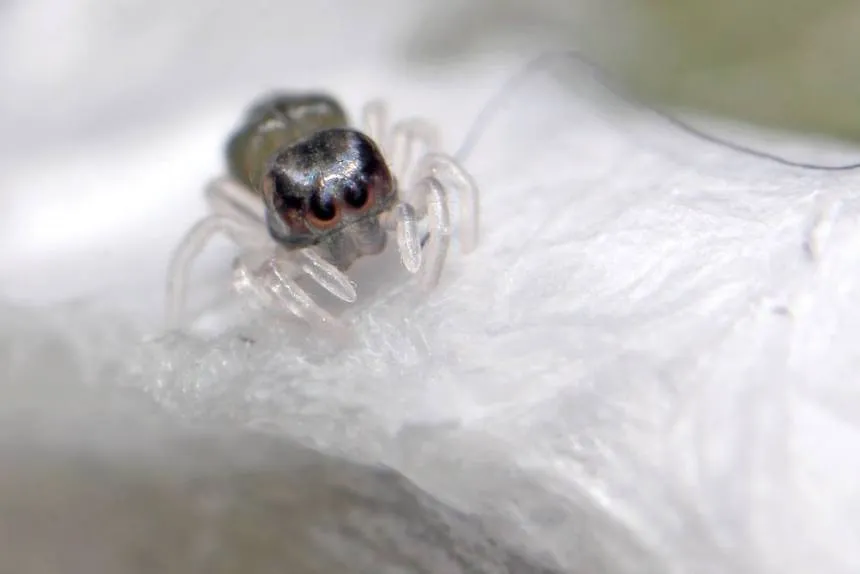
Baby Tarantula Care: Top 5 Essential Tips
Caring for a baby tarantula can be a rewarding experience, offering a fascinating glimpse into the world of arachnids. However, these delicate creatures require specific care to thrive. This guide provides five essential tips to ensure your baby tarantula lives a long, healthy life. From setting up the perfect habitat to understanding their unique needs, we’ll cover everything you need to know to provide the best possible care for your new pet. Baby tarantulas, also known as spiderlings, are particularly vulnerable, so understanding their needs is paramount to successful tarantula keeping. Whether you’re a seasoned reptile or insect enthusiast or a complete beginner, these tips will provide a solid foundation for tarantula ownership. Let’s dive into the core essentials of baby tarantula care to create a thriving environment for your spiderling.
Proper Housing for Baby Tarantulas
Housing is the foundation of a healthy baby tarantula. The right enclosure provides safety, security, and the necessary environmental conditions for your spiderling to thrive. The size, materials, and setup of the enclosure are critical factors influencing your tarantula’s well-being and behavior. A well-designed habitat replicates the natural environment as closely as possible, reducing stress and promoting natural behaviors. Proper housing also helps regulate crucial factors such as humidity, temperature, and ventilation, all of which are essential for a baby tarantula’s growth and development. It is vital to remember that a baby tarantula is fragile and very small. Careful consideration of housing will ultimately provide security and increase its chance of survival.
Choosing the Right Enclosure

Selecting the right enclosure is the first step in providing proper housing. For baby tarantulas, a small, secure container is necessary. A clear plastic container or a small glass terrarium with a secure lid works best. The enclosure should be appropriately sized for your spiderling; an enclosure that’s too large can make it difficult for the tarantula to find food and feel secure, potentially leading to stress. Ensure the enclosure is escape-proof, with a tightly fitting lid. Ventilation is also critical. Small air holes in the lid and along the sides will allow for airflow and prevent the buildup of excess humidity, which can be detrimental to a baby tarantula’s health. The right enclosure provides a safe and comfortable environment, essential for the tarantula’s well-being.
Substrate Selection and Setup
The substrate is the bedding material that lines the bottom of the enclosure. It plays a crucial role in maintaining humidity, providing a burrowing medium (for terrestrial species), and providing a surface for the tarantula to walk on. For baby tarantulas, a substrate that retains moisture is ideal. Popular choices include a mix of peat moss, vermiculite, and coconut fiber. This combination provides excellent humidity retention while also allowing the tarantula to burrow if it chooses. The substrate should be deep enough for the tarantula to burrow, usually about two to three times the tarantula’s leg span. Make sure the substrate is kept moist, but not waterlogged, to maintain the correct humidity levels. Regularly spot-clean the substrate to remove any uneaten food or waste, and replace the substrate entirely every few months to prevent the growth of mold and bacteria.
Maintaining Humidity and Temperature
Humidity and temperature are critical environmental factors that directly affect your baby tarantula’s health. Most baby tarantulas thrive in a humid environment. Use a hygrometer to monitor humidity levels and adjust the substrate moisture accordingly. Mist the enclosure with dechlorinated water regularly to maintain humidity. The required humidity level varies depending on the species, so research your specific tarantula’s needs. Temperature is another crucial factor. Baby tarantulas generally prefer temperatures between 75°F and 85°F (24°C and 29°C). Maintain a stable temperature in the enclosure using a heat mat or a small ceramic heat emitter, but avoid placing the heat source directly under the enclosure, as this can overheat the substrate. The goal is to create a comfortable environment for the baby tarantula, one that will promote healthy molting and overall well-being.
Feeding Your Baby Tarantula

Feeding is one of the most important aspects of baby tarantula care, as it directly impacts growth, molting, and overall health. Providing the right food in the correct amounts is essential for your spiderling to thrive. Because baby tarantulas are small and have a high metabolism, they require regular feeding. Understanding their dietary needs is key to successful tarantula keeping. Their feeding habits, including the food choices and feeding schedules, ensure your baby tarantula is getting the nutrients it needs to grow and develop properly. This section will cover everything from food options to determining how often to feed your tarantula, ensuring it stays healthy and happy.
Choosing the Right Food
The diet of a baby tarantula primarily consists of small insects. The size of the prey is crucial; the insect should be no larger than the tarantula’s body. Good options include flightless fruit flies, pinhead crickets, and small roaches. It is important to avoid feeding wild-caught insects, as these can carry parasites or pesticides that could harm your tarantula. Always gut-load the insects with nutritious foods like vegetables and fruits a day or two before feeding them to your tarantula. This ensures that your spiderling gets a well-balanced diet. You can purchase commercially available insects from pet stores or online suppliers. The choice of food is a significant factor in your tarantula’s growth and health, so make sure to choose the most nutritious and appropriate foods.
Feeding Frequency and Portion Sizes
The feeding frequency for baby tarantulas depends on their size and growth rate. Generally, baby tarantulas should be fed every two to three days. Observe your tarantula’s behavior; if it consistently refuses food, it may be preparing to molt. Remove any uneaten prey after 24 hours to prevent stressing your tarantula. The portion size should be appropriate for the tarantula’s size, typically one or two appropriately sized insects per feeding. As the tarantula grows, you can gradually increase the size of the prey and decrease the feeding frequency. It is essential to remove any uneaten prey to prevent stressing the tarantula or the risk of the prey attacking the tarantula. Proper feeding habits are key to successful baby tarantula care.
Watering Your Tarantula

Water is essential for all living creatures, and baby tarantulas are no exception. They need a consistent water source to stay hydrated and to assist them in molting. Because baby tarantulas are small, they can easily drown in large water dishes, so providing a safe and accessible water source is crucial. Always provide fresh, clean water. Using bottled or dechlorinated water is best to avoid any harmful chemicals that can be found in tap water. Ensure the water source is easily accessible and doesn’t pose a drowning risk. This will help your baby tarantula stay hydrated and maintain good health. Proper hydration is vital for successful molting and overall well-being.
Providing Adequate Water Source
There are several ways to provide a water source for your baby tarantula. A shallow water dish is a safe option, but it needs to be small enough to prevent drowning. Place a small sponge or cotton ball in the dish to allow the tarantula to drink without risk. Another option is to lightly mist the enclosure one or two times a week, allowing the tarantula to drink the water droplets. However, be sure to avoid over-misting, as this can raise the humidity levels too high, which isn’t recommended. Regularly check the water source and refill it with fresh water. Proper hydration is essential for the health and well-being of your baby tarantula.
Handling and Interaction
Handling baby tarantulas is generally not recommended. These creatures are delicate and can be easily injured. Furthermore, they can perceive handling as a threat, leading to defensive behaviors. While some tarantula keepers may choose to handle their adult tarantulas, handling baby tarantulas is a practice that should be approached with extreme caution, if at all. It’s more important to provide a safe and comfortable environment where the tarantula can thrive without unnecessary stress. This section will cover when to avoid handling, how to do it properly, and what to expect from your tarantula.
When to Avoid Handling

There are several instances when handling should be strictly avoided. Avoid handling your baby tarantula if it’s about to molt; handling it during this vulnerable time can be extremely dangerous. Never handle a tarantula that appears stressed or defensive. Signs of stress include raising its front legs, flicking hairs from its abdomen, or assuming a defensive posture. Avoid handling a tarantula that has just eaten; this can cause regurgitation. Lastly, never handle a baby tarantula if you have any doubt about its behavior or health. Prioritize the tarantula’s safety and well-being. Always observe your tarantula’s behavior, and when in doubt, err on the side of caution.
Proper Handling Techniques
If you choose to handle your tarantula, do so with extreme caution. Always handle your tarantula over a soft surface, such as a bed or a carpet, to minimize the risk of injury if it falls. Gently coax the tarantula onto your hand, avoiding any sudden movements. Allow the tarantula to walk onto your open palm rather than trying to pick it up. Avoid touching the tarantula’s fangs or abdomen. Be aware of your tarantula’s behavior and be prepared to put it down immediately if it shows any signs of stress. After handling, wash your hands thoroughly. While many tarantulas are not aggressive, it’s important to understand and respect their behavior.
Recognizing Molting and Other Concerns
Understanding the molting process and recognizing potential health issues are critical aspects of baby tarantula care. Molting is the process by which a tarantula sheds its exoskeleton to grow. It is a vulnerable time for the tarantula, and it’s important to create an environment where the tarantula can molt safely. Additionally, knowing the signs of a healthy tarantula and common health problems allows you to provide quick and effective care. This section focuses on what to watch for, what to do, and how to ensure your baby tarantula remains healthy.
Signs of a Healthy Tarantula

A healthy baby tarantula displays several telltale signs. It should be active, alert, and responsive to its environment. The tarantula should eat regularly. Its abdomen should be plump, not shrunken or wrinkled. The legs should move freely, and the tarantula should move gracefully. The exoskeleton should be intact and free of any visible damage. The tarantula’s overall appearance should be vibrant and healthy. Always observe the behavior of your baby tarantula. If something appears to be off, it’s best to investigate and seek advice from an experienced tarantula keeper or a veterinarian familiar with arachnids.
Common Health Issues and Solutions
Baby tarantulas can be prone to some health issues, so it is important to identify them early on and understand how to respond. Dehydration is a common issue, often caused by low humidity levels. Ensure your tarantula has access to fresh water and maintain proper humidity. Improper molting can occur if the humidity or temperature levels aren’t correct. Provide a humid environment and avoid disturbing the tarantula during the molting process. Parasites and mites are also possible, and can be avoided by maintaining a clean environment. If you notice anything unusual, such as a change in behavior or appearance, consult a veterinarian or experienced tarantula keeper for assistance. Early detection and treatment of health issues can significantly increase the chances of a successful recovery.
Conclusion
Caring for a baby tarantula requires diligence, patience, and a commitment to understanding the unique needs of these fascinating creatures. By following the essential tips outlined in this guide, you can create a thriving environment for your baby tarantula. Remember that proper housing, appropriate feeding, and careful attention to environmental factors are critical for the tarantula’s health and well-being. It is important to always research and learn about the specific species of your tarantula. Always prioritize the tarantula’s needs and handle it with care. Providing proper care will allow you to enjoy the unique experience of keeping a baby tarantula, allowing it to flourish and thrive in its new home.