Baby Tarantula Diet 5 Feeding Facts
Caring for a baby tarantula can be an incredibly rewarding experience. These fascinating creatures require specific care, and a critical aspect of that is their diet. Understanding what and how to feed your baby tarantula is essential for its health, growth, and overall well-being. This guide provides the top 5 feeding facts to help you ensure your baby tarantula thrives. From understanding nutritional needs to choosing the right food and maintaining proper hydration, this information will equip you with the knowledge to be a responsible tarantula keeper. Learn the best practices and tips to ensure your baby tarantula lives a long and healthy life.
Understanding Baby Tarantula Nutritional Needs
Baby tarantulas, like all living creatures, require a balanced diet to support their rapid growth and development. Their nutritional needs are quite specific, and it is critical to provide them with the right balance of nutrients to thrive. Protein is the primary building block, essential for growth and molting, while fats provide energy. Baby tarantulas also need various vitamins and minerals to support different bodily functions. A poor diet can lead to health problems, stunted growth, and a shorter lifespan. Therefore, understanding the basics of tarantula nutrition is paramount for any new tarantula owner.
Importance of a Balanced Diet

A balanced diet for a baby tarantula involves offering a variety of food sources that provide different nutrients. This is just as important for tarantulas as it is for humans. A diet lacking in essential nutrients can lead to a multitude of health issues. For instance, a deficiency in calcium can lead to molting problems, and a lack of protein can hinder growth. Providing a diverse selection of foods helps ensure your tarantula gets the nutrients it needs. This also reduces the risk of dietary deficiencies and promotes a healthier, more vibrant spider. It is always better to vary the diet rather than rely on a single food source.
Factors Affecting Feeding Frequency
The frequency with which you feed your baby tarantula is influenced by several factors. Age is the primary determinant; younger tarantulas need more frequent feeding than older ones. Their metabolism is faster, and they require more energy for growth. The size of the tarantula also plays a role. A larger spider requires more food at each feeding, though the frequency can remain consistent. Also, environmental factors such as temperature can influence appetite and the rate of digestion. A warm environment can stimulate appetite and, consequently, increase the feeding frequency. The key is to observe your tarantula and adjust your feeding schedule to suit its individual needs and habits. It is always best to feed them as much as they will eat, and remove the uneaten food in a few hours.
Best Food Choices for Baby Tarantulas
When it comes to feeding your baby tarantula, selecting the right food is crucial. The diet should mimic what they would eat in the wild, which primarily consists of insects. The size and type of insect you choose must be appropriate for the tarantula’s size. Additionally, consider the nutritional value of the insects. Some insects provide better nutritional profiles than others. Understanding the best food choices will help you provide the necessary nutrients for your tarantula to thrive. Here are some of the best options for feeding your baby tarantula.
Live Insects as Staple Diet

Live insects form the cornerstone of a baby tarantula’s diet, as they provide essential nutrients and stimulate natural hunting behaviors. Crickets, mealworms, and small roaches are excellent choices. These insects are easy to acquire and provide a good source of protein and other nutrients. Make sure the insects are healthy and free from pesticides. It’s also advisable to gut-load the insects before feeding them to your tarantula. This involves feeding the insects nutritious food, enriching them with vitamins and minerals, and then passing those benefits to the tarantula. Offer a variety of live insects to provide a balanced diet and keep your tarantula stimulated and engaged.
Suitable Insect Sizes
The size of the insects you offer should always be appropriate for the size of your tarantula. As a general rule, the insect should be no larger than the tarantula’s body. For baby tarantulas, this usually means small crickets, fruit flies, or very small mealworms. Feeding insects that are too large can be dangerous. They can injure the tarantula or make it difficult for them to eat, and may even cause stress. Observing your tarantula’s feeding behavior is crucial. If it seems to be struggling to eat the insect, it’s probably too big. Adjust the size of the food accordingly and make sure your tarantula is always comfortable and safe during meal times.
Gut Loading Insects to Boost Nutrition
Gut loading is a simple yet highly effective method to enhance the nutritional value of the insects you feed your baby tarantula. It involves feeding the insects a nutritious diet for a few hours before offering them to your tarantula. This enriches the insects with vitamins, minerals, and other essential nutrients, which are then passed on to the tarantula when it eats the insect. You can use a variety of foods for gut loading, such as fresh vegetables, fruits, and commercial insect food. This practice ensures that your tarantula receives a more balanced and complete diet, supporting its overall health and growth. It’s a proactive way to ensure your tarantula receives the best possible nutrition.
Alternative Food Options

While live insects are the primary food source, there are alternative options you can consider, particularly for convenience or in certain situations. Pre-killed insects can be a safe alternative if you’re uncomfortable with live feeding or if your tarantula is reluctant to hunt. However, be sure to use fresh, high-quality pre-killed insects. Some keepers also use commercially available tarantula food, which typically comes in a gel or powder form. These foods are designed to provide a balanced diet but should not replace live feeding. Always consider the nutritional value and the specific needs of your tarantula when choosing alternative food options.
Pre-Killed Food for Convenience
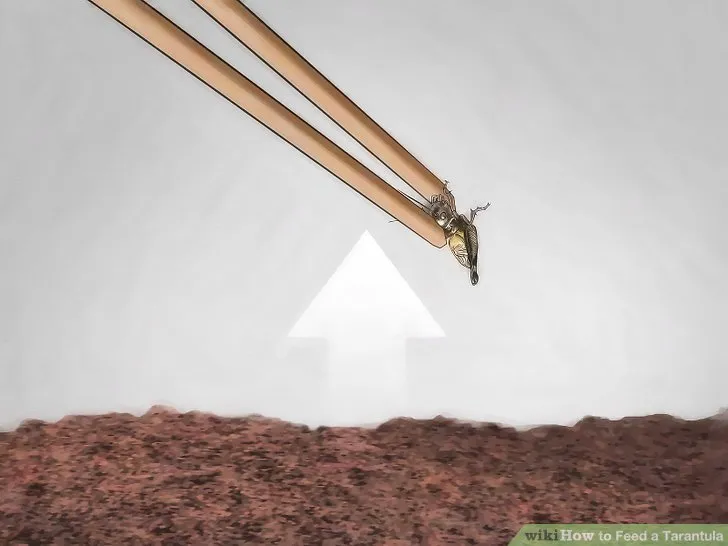
Pre-killed insects provide a convenient alternative to live feeding, especially for keepers who prefer not to deal with live prey. They also eliminate the risk of insects harming your tarantula. The insects must be freshly killed to prevent the spread of diseases. You can use tweezers to offer the pre-killed insect directly to your tarantula. While pre-killed insects can be a practical option, they may not stimulate your tarantula’s natural hunting behavior as much as live insects do. The quality of the pre-killed food is essential, so ensure it is from a trusted source and is stored properly.
Supplements and Vitamins for Baby Tarantulas
While a well-balanced diet usually provides most of the necessary nutrients, some tarantulas may benefit from additional supplements and vitamins. This is particularly true if they are not getting a varied diet or if they have specific health needs. Always consult with a veterinarian or experienced tarantula keeper before giving your tarantula any supplements. The key is to avoid over-supplementation, as too much of a good thing can be just as harmful as too little. Supplements such as calcium and certain vitamins are common. These supplements help support specific bodily functions and promote overall health and well-being in your baby tarantula.
The Role of Calcium and Other Minerals

Calcium is an essential mineral for tarantulas, especially during the molting process. It helps the tarantula form a strong exoskeleton. Inadequate calcium can lead to molting problems, such as the tarantula getting stuck in its old skin. You can provide calcium supplements by dusting the insects with calcium powder before feeding them to your tarantula. Other minerals, such as phosphorus, are also important, but the ratio of calcium to phosphorus is critical. It’s essential to maintain a proper balance to ensure the tarantula absorbs the calcium efficiently. Too much phosphorus can hinder calcium absorption. Mineral supplements should be used as needed and under the guidance of an experienced keeper.
Water and Hydration for Baby Tarantulas
Water is as essential for baby tarantulas as it is for any other living creature. Proper hydration is vital for their health, molting, and overall well-being. Baby tarantulas get some of their water from their food, but it’s crucial to provide a readily available water source. Dehydration can lead to a range of health issues, including lethargy, loss of appetite, and even death. Keeping your tarantula well-hydrated is a fundamental aspect of tarantula care. This also contributes to the overall well-being of your pet. Providing water in the right manner is as crucial as providing the right food.
Providing Clean Water Source
The easiest and most common method to provide water is with a shallow water dish. Use a small, shallow dish that the tarantula can easily access without the risk of drowning. Change the water daily to prevent the buildup of bacteria, mold, and other contaminants. You can also use a cotton ball or a sponge soaked in water. However, ensure these are clean and replaced regularly to avoid contamination. Regularly check the water source to ensure it is clean and accessible, and replace it if it gets dirty. This will help your tarantula stay hydrated and healthy.
Recognizing Signs of Dehydration

Knowing how to recognize the signs of dehydration in your baby tarantula is crucial for their well-being. Some common signs include a shriveled or wrinkled abdomen, lethargy, and a lack of appetite. The tarantula may also appear sluggish or inactive. If you observe any of these signs, take immediate action by ensuring a fresh water source is available and increasing the humidity in their enclosure. You might also gently mist the enclosure to provide additional moisture. Dehydration can be a serious issue, so prompt intervention is essential to prevent complications and to keep your tarantula healthy.
Feeding Frequency and Portion Control
Determining the right feeding frequency and portion size is crucial for the health of your baby tarantula. Overfeeding can lead to obesity, while underfeeding can stunt their growth. The ideal feeding schedule depends on the tarantula’s age, size, and metabolism. Younger tarantulas often need more frequent feeding than older ones. Baby tarantulas, in particular, may benefit from being fed every 2-3 days, while older tarantulas can be fed once or twice a week. Adjust the feeding frequency based on your tarantula’s behavior and appetite.
Adjusting Feeding Based on Molting
Molting is a natural process where tarantulas shed their old exoskeletons to grow. During this time, tarantulas typically stop eating. It is not recommended to feed your tarantula during this phase. Feeding them could cause stress or make it harder for them to molt. If your tarantula is in premolt (the stage before molting), it may appear lethargic, and its abdomen might look dark. Do not offer food during this time, as the tarantula will not be able to eat it. Once it has molted, wait a few days for its new exoskeleton to harden before resuming feeding. This is the time they are the most vulnerable.
Avoiding Overfeeding

Overfeeding is a common mistake that can lead to health problems in baby tarantulas. Obese tarantulas may have difficulty molting and can experience a shortened lifespan. Always monitor your tarantula’s body condition. If its abdomen appears excessively large or bulging, it might be overfed. Remove any uneaten food within 24 hours to prevent it from decaying in the enclosure, and to monitor your tarantula’s eating habits. Adjust the feeding frequency and portion sizes based on your observations. Remember that it is better to underfeed slightly than to overfeed, as this helps maintain their overall health.
In conclusion, providing the right diet is a cornerstone of caring for a baby tarantula. By understanding the nutritional needs, the best food choices, and the importance of hydration, you can ensure your pet thrives. Remember to adjust your feeding practices based on age, size, and molting cycles. By following these guidelines, you can provide your baby tarantula with a healthy and fulfilling life.