Venturing into the world of tarantula ownership can be an exciting journey, offering a unique and rewarding experience for any pet enthusiast. For the beginner tarantula keeper, understanding the basic care requirements is essential for the well-being of these fascinating creatures. This guide provides top 5 care tips to help you get started, ensuring that you can provide a safe and comfortable environment for your new eight-legged friend, promoting their health and longevity, and ultimately, making your tarantula keeping experience a success.
Choosing the Right Beginner Tarantula
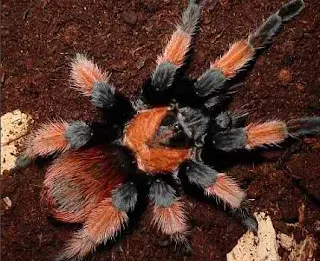
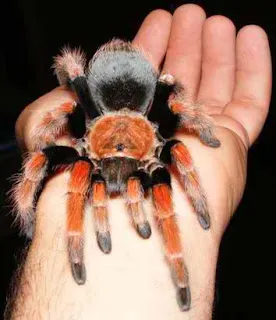
Not all tarantula species are created equal when it comes to suitability for beginners. Some species are known for their docile temperament, slower growth rates, and ease of care, making them ideal choices for those new to the hobby. Consider species such as the Chilean Rose Hair (Grammostola rosea), the Pinktoe Tarantula (Avicularia avicularia), or the Mexican Red Knee (Brachypelma hamorii) as excellent starting points. These species are generally more tolerant of handling (though handling is still not recommended unless necessary) and are less likely to display defensive behaviors. Researching specific species characteristics, including size, temperament, and care needs, is a crucial first step in selecting the right beginner tarantula for you. Remember that each tarantula is an individual, and their personalities can vary.
Understanding Tarantula Habitats
Creating a suitable habitat is paramount to the health and happiness of your beginner tarantula. Tarantulas are sensitive to their environment, and a well-designed enclosure mimics their natural habitat, providing essential elements for survival. The enclosure should be appropriately sized for the tarantula’s species and size, preventing the risk of injury and offering adequate space for movement and exploration. The type of enclosure depends on the tarantula’s species. Terrestrial tarantulas require more floor space, while arboreal species need height for climbing. The enclosure should be escape-proof, with a secure lid, and constructed of a material that is easy to clean and maintain.
Creating the Ideal Enclosure
Substrate Selection and Depth
The substrate forms the foundation of your tarantula’s habitat, providing a comfortable surface and helping to regulate humidity. The choice of substrate depends on the tarantula species. For terrestrial species, a substrate like coconut fiber, peat moss, or a blend of both is generally recommended. The substrate should be deep enough to allow the tarantula to burrow if it is a burrowing species. The depth should be at least twice the tarantula’s leg span. The substrate should be kept slightly moist for most species, but not waterlogged, to maintain appropriate humidity levels. Regularly monitor the substrate for cleanliness and replace it as needed, usually every few months or when it becomes soiled or contaminated.
Temperature and Humidity Control
Temperature and humidity are crucial environmental factors for tarantula well-being. Most tarantulas thrive in temperatures between 70-80°F (21-27°C). Maintaining a consistent temperature is vital, and you may need to use a heat source, such as a heat mat or a ceramic heat emitter, particularly in cooler climates. However, direct heat sources should be placed outside the enclosure to prevent burns. Humidity levels vary depending on the species, with some requiring higher humidity than others. Use a hygrometer to monitor humidity levels, and adjust them by misting the enclosure with dechlorinated water, providing a water dish, or improving ventilation. Proper temperature and humidity control will help your tarantula to molt successfully and maintain optimal health.
Providing Hiding Places

Tarantulas are naturally reclusive creatures and benefit greatly from having a safe and secure hiding place within their enclosure. A hide provides a refuge from stress and allows the tarantula to feel safe and secure. Suitable hiding places include cork bark, half logs, or commercially available tarantula hides. The hide should be appropriately sized for the tarantula, allowing it to retreat completely inside. Providing multiple hides can also be beneficial, giving the tarantula options and a sense of security. Ensure that the hide is clean and free from any sharp edges that could injure the tarantula.
Essential Tarantula Feeding Guide
Feeding your tarantula is one of the most important aspects of their care, and getting it right will ensure that your tarantula grows, molts, and thrives. A well-balanced diet provides essential nutrients for growth, energy, and overall health. Feeding frequency and food selection will vary depending on the species, the size of the tarantula, and its stage of development. It’s important to understand the dietary needs of your tarantula and tailor your feeding schedule accordingly, avoiding overfeeding and promoting healthy growth.
Selecting Appropriate Food
The most common food source for tarantulas is live insects. Crickets, mealworms, superworms, and roaches are all excellent choices and readily available at most pet stores. The size of the insects should be appropriate for the tarantula, generally no larger than the tarantula’s abdomen. It’s essential to gut-load the insects before feeding them to your tarantula by providing them with nutritious food, such as vegetables and commercial insect food, to ensure your tarantula receives essential nutrients. Avoid feeding wild-caught insects, as they may carry parasites or be contaminated with pesticides.
Feeding Frequency and Portion Size

Feeding frequency depends on the tarantula’s age and growth rate. Spiderlings should be fed more frequently, usually two to three times a week. Subadults can be fed once or twice a week, while adult tarantulas may only need to be fed once every one to two weeks. Adjust the feeding schedule based on the tarantula’s appetite and overall condition. Overfeeding can lead to health problems, such as obesity. Remove uneaten food within 24 hours to prevent mold growth and maintain a clean enclosure. Observe your tarantula’s abdomen; a plump abdomen typically indicates a well-fed tarantula.
Watering Your Tarantula
Water is essential for tarantula health and survival. Tarantulas need a constant supply of fresh, clean water for hydration and to aid in molting. Providing water in the right way is crucial, as is maintaining the correct humidity level to promote proper hydration. Regular access to water, coupled with appropriate environmental humidity, will help to keep your tarantula healthy and thriving.
Maintaining Proper Hydration
Tarantulas absorb water through their mouthparts. Ensure your tarantula has access to fresh water at all times. Regularly clean and refill the water dish with fresh, dechlorinated water. Misting the enclosure can help maintain humidity and provide additional hydration, especially for arboreal species. Never use tap water, as chlorine and other chemicals can be harmful to tarantulas. Monitor your tarantula’s behavior and appearance for signs of dehydration, such as a shrunken abdomen or lethargy, and adjust your watering practices accordingly.
Water Bowl Recommendations

A shallow water dish is recommended for tarantulas to prevent drowning and ensure easy access to water. The dish should be appropriately sized for the tarantula and easily accessible. Consider using a water dish made of ceramic, plastic, or glass, as these materials are easy to clean. Place the water dish in a stable location within the enclosure to prevent spills. Regularly clean the water dish to prevent bacterial growth and keep the water fresh. Some tarantulas may prefer to drink from the droplets created by misting or from the substrate itself, so the water dish is not always necessary for every species.
Handling and Safety Precautions
Tarantulas are generally not suited for handling, as they are easily stressed and can react defensively. While some species are more docile than others, it is always best to minimize handling to reduce stress and the risk of accidental injury. If handling is necessary (e.g., for enclosure maintenance), take extreme care and prioritize the safety of both you and the tarantula. Handling can lead to bites or the release of urticating hairs, which can cause irritation.
Understanding Tarantula Behavior
Tarantulas can display a variety of behaviors, which can give you insight into their mood and needs. Defensive postures include rearing up on their hind legs, exposing their fangs, and flicking urticating hairs from their abdomen. If your tarantula displays these behaviors, it is a clear signal to leave it alone. Observe your tarantula’s behavior over time to understand its personality and preferences. Some tarantulas are more active and exploratory, while others are more reclusive and prefer to stay in their hide. Understanding their behavior can help you to provide the best possible care.
Safe Handling Techniques

If handling is unavoidable, do so with extreme caution. Always handle the tarantula over a soft surface, such as a bed or a rug, to minimize the risk of injury if it falls. Use a wide, clear container to gently coax the tarantula into, and avoid touching the tarantula directly. Never grab or squeeze the tarantula, as this can cause injury. Be aware that tarantulas can move quickly, and be prepared to react if the tarantula tries to escape. Thoroughly wash your hands before and after handling the tarantula.
Health and General Tarantula Care
Providing a healthy environment and recognizing potential health issues are critical aspects of tarantula care. Regular observation, proper husbandry, and a proactive approach to health can help your tarantula thrive. These creatures are relatively hardy, but they can still be susceptible to illness if their environment is not properly maintained or if they are not cared for correctly. Early detection of health issues and immediate action are vital to the longevity of your tarantula.
Recognizing Common Health Issues
Keep a close eye on your tarantula for any signs of illness or distress. Common health issues include mites, which can be identified as small, moving dots on the tarantula’s body, and fungal infections, which can manifest as discoloration or lesions. Other signs of illness include lethargy, loss of appetite, and difficulty molting. If you suspect your tarantula is sick, consult a veterinarian experienced with exotic animals. Preventative care, such as maintaining a clean environment and providing a proper diet, is key to preventing health problems.
Molting Process Explained

Molting is a natural process in which tarantulas shed their exoskeleton to grow. The frequency of molting depends on the tarantula’s age and growth rate. During molting, the tarantula will typically stop eating, become less active, and may turn on its back. It is crucial not to disturb the tarantula during molting. Provide a humid environment to aid the process. After molting, the tarantula’s exoskeleton will be soft, and it will be vulnerable for a few days. Avoid handling the tarantula until its exoskeleton has hardened completely. Leave the old exoskeleton in the enclosure, as the tarantula may eat it to regain lost nutrients.
Caring for a beginner tarantula can be a rewarding experience. By following these top 5 care tips, you can provide your tarantula with a healthy and comfortable environment, allowing it to thrive for many years. Remember to research the specific needs of your tarantula species, and always prioritize its well-being. With proper care, you can enjoy the unique experience of keeping these fascinating creatures.