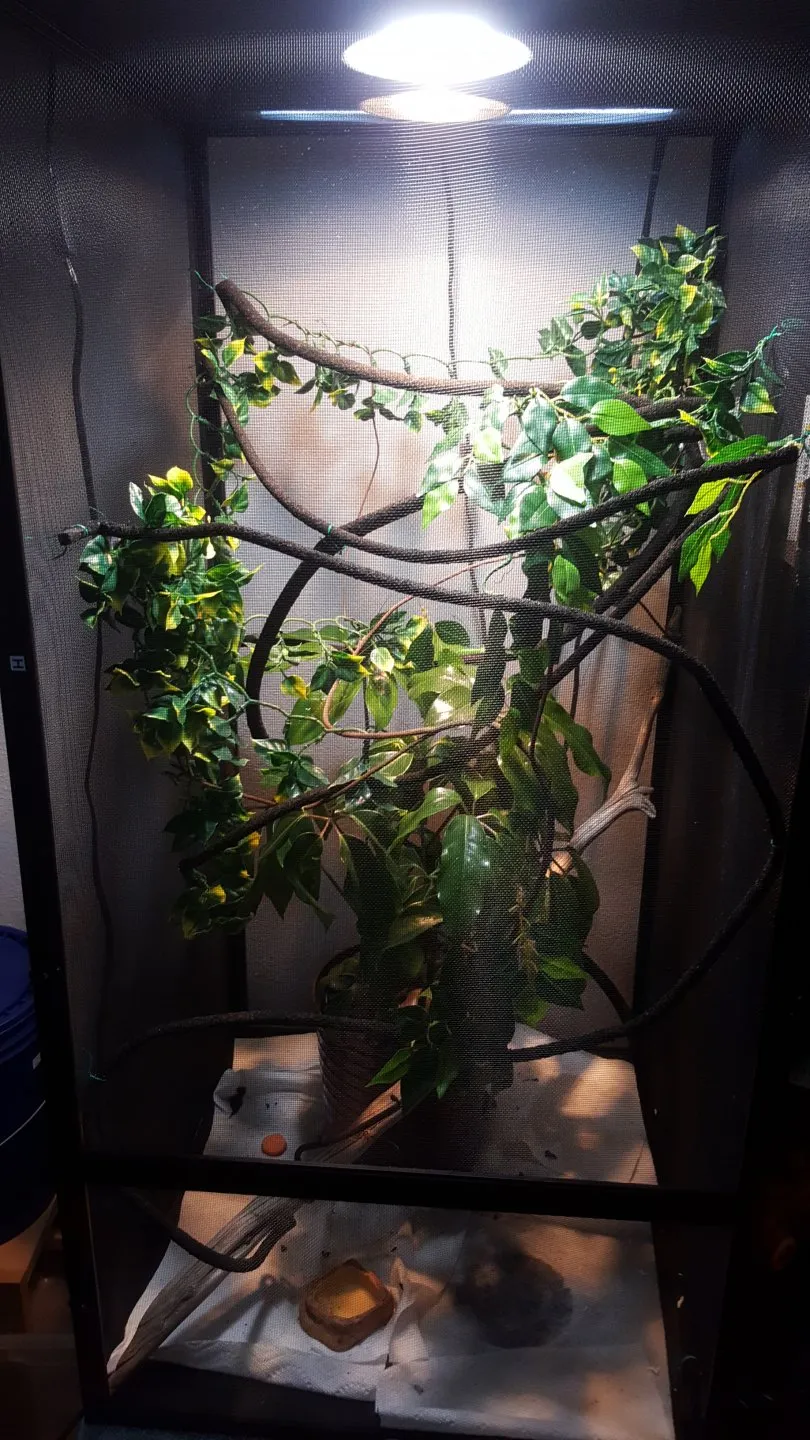
Tarantula Enclosure Essentials
Creating the best tarantula enclosure is crucial for the health and happiness of your eight-legged friend. A well-designed habitat mimics their natural environment, providing the necessary conditions for them to thrive. This involves careful consideration of several factors including enclosure size, substrate selection, humidity levels, ventilation, and appropriate furnishings. The goal is to create a secure, comfortable, and stimulating environment that allows your tarantula to exhibit natural behaviors and live a long, healthy life. Neglecting these aspects can lead to stress, health problems, and ultimately, a less enjoyable experience for both you and your pet.
Enclosure Size Considerations
The size of the enclosure is one of the most critical aspects to consider when setting up a tarantula habitat. A tarantula needs enough space to move around, molt, and hunt comfortably, but an enclosure that is too large can make it difficult for the spider to find food and can lead to stress. The enclosure should be large enough to accommodate the tarantula’s adult size, allowing for growth. It should also provide adequate space for substrate, hiding places, and a water dish. Always prioritize the well-being and safety of your tarantula when deciding on an enclosure.
Determining Appropriate Size

As a general rule, the enclosure should be at least twice the tarantula’s leg span in width and length. For arboreal species, height is more important than floor space; a taller enclosure is needed to allow for climbing. For terrestrial species, a wider and longer enclosure is usually preferred. It’s always better to err on the side of providing more space than too little. Carefully consider the species’ adult size and provide an enclosure that will comfortably accommodate it throughout its life.
Impact of Tarantula Species
Different tarantula species have different needs. Arboreal species, such as the Pinktoe Tarantula (Avicularia avicularia), need tall enclosures with climbing opportunities like branches and cork bark. Terrestrial species, like the Chilean Rose Hair Tarantula (Grammostola rosea), thrive in wider enclosures with ample floor space for burrowing. Some species are more active and require larger enclosures, while others are more sedentary. Researching the specific needs of your tarantula species is essential to providing the best possible habitat.
Substrate Selection
The substrate is the material used to line the bottom of the enclosure and plays a vital role in maintaining humidity, providing a place for the tarantula to burrow, and absorbing waste. The best substrate mimics the tarantula’s natural environment. It’s important to choose a substrate that is safe, non-toxic, and conducive to the species’ specific needs. Avoid using anything that can harm your tarantula.
Best Substrate Options

Popular substrate options include coconut fiber (coir), peat moss, and vermiculite. Coconut fiber is a great all-around choice, excellent at holding humidity, and safe for tarantulas. Peat moss is another good option, but it may need to be pre-moistened. Vermiculite is suitable for maintaining humidity. A mixture of these substrates can provide the best balance of humidity retention, burrowing capability, and safety. Avoid substrates like sand or gravel, which can be harmful if ingested.
Substrate Depth Requirements
The depth of the substrate depends on the species of tarantula. Burrowing species need a deep layer of substrate to dig tunnels. A good rule of thumb is to provide a substrate depth equal to the tarantula’s leg span, or slightly more. For arboreal species, a shallower layer is sufficient, but it still needs to be deep enough to maintain humidity and provide a cushion if the tarantula falls. Regularly monitor the substrate for mold or excessive moisture and replace it as needed.
Humidity and Ventilation
Maintaining the correct humidity and providing adequate ventilation are crucial aspects of tarantula care. Humidity levels vary depending on the species, but most tarantulas require a moderate level of humidity to thrive. Ventilation is essential to prevent mold growth and ensure that the tarantula has access to fresh air. Improper humidity or ventilation can lead to serious health problems.
Monitoring Humidity Levels

Use a hygrometer to monitor humidity levels within the enclosure. The ideal humidity range will vary depending on the tarantula species. You can increase humidity by misting the enclosure with water, adding a water dish, or using a substrate that retains moisture well. Ensure the humidity level is appropriate for the species you are keeping. Too much humidity can lead to mold and other problems, while too little can cause dehydration and difficulty molting.
Ensuring Adequate Ventilation
Good ventilation is just as important as proper humidity. Enclosures should have ventilation holes to allow for airflow. Avoid enclosures that trap moisture or prevent air circulation. The ventilation should be sufficient to prevent mold growth and the buildup of harmful gases. Proper ventilation helps regulate humidity and provides fresh air for your tarantula. Ensure the enclosure has ventilation holes on the top and sides.
Furnishing Your Tarantula Enclosure
Furnishing the enclosure provides enrichment and helps create a more natural environment for your tarantula. Appropriate furnishings provide hiding places, climbing opportunities, and a sense of security, reducing stress and encouraging natural behaviors. They also add to the aesthetic appeal of the enclosure, making it more enjoyable to observe your pet.
Hiding Places and Decor

Tarantulas are shy creatures and need a safe place to retreat. Provide a hide, such as a piece of cork bark, a hollow log, or a commercially available hide. This allows your tarantula to feel secure and reduces stress. Decorate the enclosure with other items to mimic the natural environment of the tarantula.
Natural vs. Artificial Decor
Both natural and artificial decor can be used. Natural decor, like cork bark and driftwood, provides a more naturalistic look, but it may need to be cleaned regularly to prevent mold growth. Artificial decor, such as plastic plants and hides, is easier to clean and maintain but may not be as aesthetically pleasing. Choose decor that is safe, non-toxic, and appropriate for the species of tarantula you are keeping.
Placement of Hiding Spots
Place hides in multiple locations within the enclosure to give your tarantula options. Provide a hide near the water dish and in a corner where the tarantula can retreat when it feels stressed. The hide should be large enough for the tarantula to comfortably fit inside, but not so large that it overwhelms the enclosure. Ensure that any decor is securely placed so it cannot fall and injure the spider.
Water and Feeding

Providing fresh water and a consistent food supply are essential for the tarantula’s survival. Ensure that your tarantula has access to clean water at all times, and feed it an appropriate diet based on its age and species. The health and well-being of your tarantula depend on these factors.
Water Dish Recommendations
Provide a shallow water dish that is easily accessible. The dish should be stable and not easily tipped over. Use a dish that is appropriate for the tarantula’s size and species. Regularly refill the water dish with fresh, clean water. The water level should be shallow enough that the tarantula can easily reach it without risk of drowning. Make sure to clean the water dish regularly to prevent bacterial growth.
Feeding Strategies
Tarantulas are carnivorous and primarily eat insects. The frequency of feeding depends on the tarantula’s age and size. Young tarantulas should be fed more frequently than adults. Offer a variety of insects, such as crickets, roaches, and mealworms, to provide a balanced diet. Remove any uneaten food within 24 hours to prevent mold and pest infestations. The size of the prey should be appropriate for the tarantula’s size; the prey should not be larger than the tarantula’s body.
Maintaining Your Tarantula Enclosure

Regular maintenance is necessary to keep the enclosure clean, healthy, and safe for your tarantula. This involves regular cleaning, substrate replacement, and monitoring for potential problems. Proper maintenance is critical to prevent health problems and create a comfortable environment.
Cleaning and Maintenance
Regular cleaning is essential to prevent the buildup of waste, mold, and other contaminants. Remove any uneaten food and fecal matter regularly. Spot clean the enclosure weekly and perform a full cleaning and substrate replacement every few months. This ensures a healthy environment for your tarantula.
Regular Cleaning Schedule
Establish a regular cleaning schedule. Spot clean the enclosure weekly, removing any uneaten food, dead insects, and fecal matter. Replace the water and clean the water dish regularly. Perform a full cleaning and substrate replacement every 3-6 months, depending on the species and the rate of waste accumulation. This schedule will help maintain a healthy environment for your tarantula.
Spot Cleaning Techniques

Use a pair of tongs or tweezers to remove any visible waste or uneaten food. Be careful not to disturb the tarantula. When spot cleaning, gently remove any debris without disturbing the substrate too much. If you notice any mold growth, carefully remove the affected area and consider adjusting the humidity or ventilation. Regular spot cleaning helps maintain a clean and healthy environment.
Common Mistakes to Avoid
Avoiding common mistakes will contribute greatly to the well-being of your tarantula. These include overcrowding, improper humidity levels, and the use of unsuitable substrate. Being aware of these potential pitfalls will allow you to provide a safe and healthy environment.
Overcrowding and Poor Ventilation
Overcrowding can lead to stress and aggression. Ensure that the enclosure is appropriately sized for the tarantula. Poor ventilation leads to the buildup of humidity and mold. Make sure the enclosure has proper ventilation to allow for air circulation. Both of these can contribute to a decline in your pet’s health.
Improper Substrate and Humidity
Using the wrong substrate can lead to health problems. Choose a substrate that is appropriate for the species and provides adequate humidity. Failing to maintain the correct humidity levels can cause difficulties with molting and dehydration. Monitor humidity levels regularly and make adjustments as needed. Avoid using substrates that are toxic or can cause injury to your tarantula.
In conclusion, creating the best tarantula enclosure involves careful consideration of enclosure size, substrate selection, humidity and ventilation, and appropriate furnishings. By following these tips and avoiding common mistakes, you can provide a healthy, stimulating environment where your tarantula can thrive. Remember to always research the specific needs of your tarantula species and adjust the setup accordingly for optimal well-being.