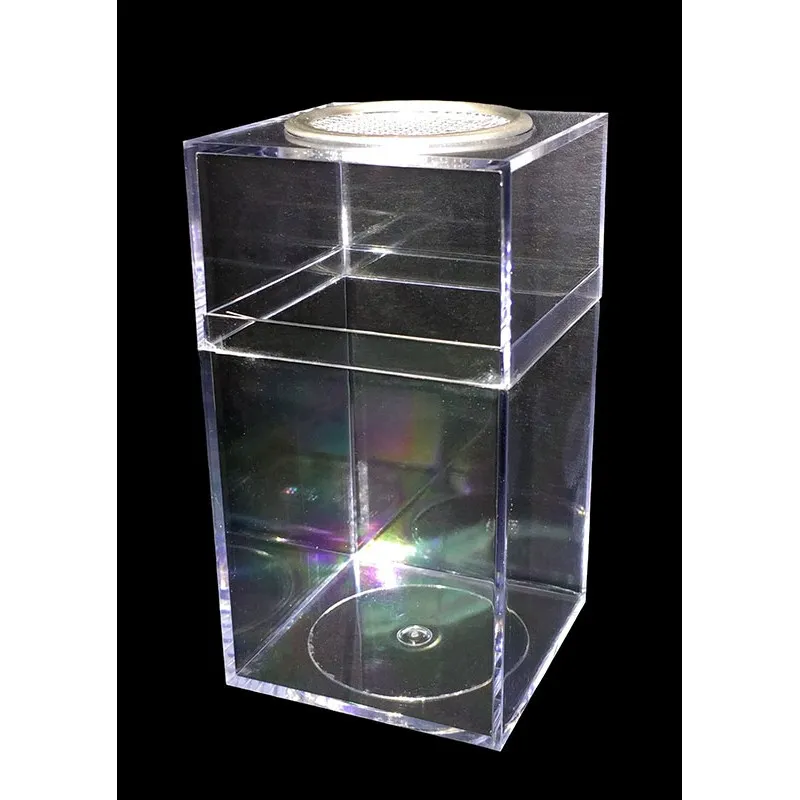
Choosing the Best Tarantula Enclosures for Slings
Setting up a suitable enclosure is one of the most critical aspects of caring for a tarantula sling. These tiny arachnids are delicate, and their environment significantly impacts their health, growth, and overall well-being. Providing the right enclosure ensures they thrive, molt successfully, and feel secure. This guide will cover everything you need to know about selecting and setting up the perfect home for your tarantula sling, focusing on crucial factors such as size, ventilation, substrate, and essential features.
Size Matters Choosing the Right Enclosure
The size of the enclosure is paramount when it comes to tarantula slings. It’s a common mistake to house slings in enclosures that are too large, which can lead to difficulties in finding food, increased stress, and even molting issues. The ideal enclosure offers ample space for movement, exploration, and the establishment of a comfortable burrow, without being overwhelmingly spacious. Consider the spiderling’s current size and anticipated growth rate when choosing an enclosure.
Why Size Is Crucial for Tarantula Slings
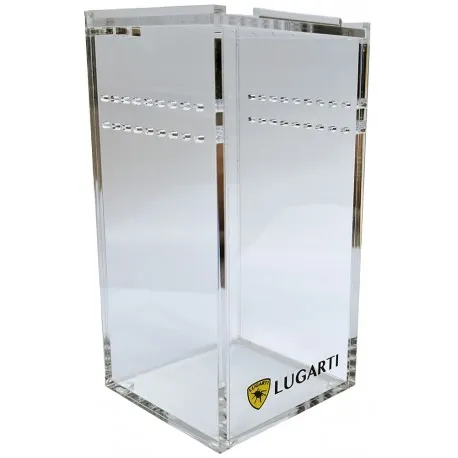
In a small enclosure, a sling feels secure and can easily find its food. In a vast enclosure, they may struggle to locate prey, leading to potential starvation. Furthermore, the distance to a water source, or to create a stable burrow, may be much harder for slings to establish. The environment should mimic the natural habitat for the species. A smaller, more controlled environment helps the sling thrive.
Avoiding Overly Large Enclosures
Avoid using enclosures that are several times larger than the sling’s body size. As a general rule, the enclosure should be approximately three times the spider’s leg span in width and length. This allows for comfortable movement and the creation of a burrow. Always consider a secure lid to prevent escapes.
Ventilation Importance of Airflow
Proper ventilation is essential for maintaining a healthy environment for your tarantula sling. Adequate airflow prevents the buildup of stagnant air, reduces the risk of mold and mildew, and helps regulate humidity levels. Poor ventilation can lead to respiratory problems and other health issues.
Ventilation Types and Their Effectiveness

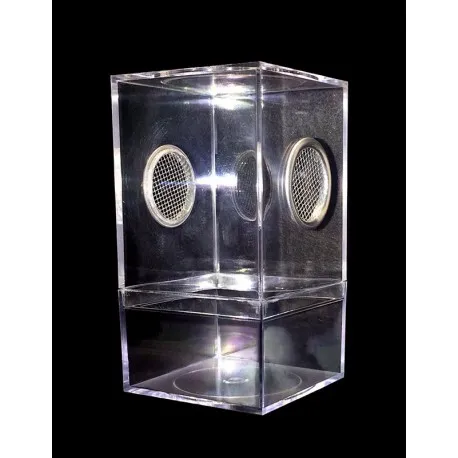
There are two primary types of ventilation horizontal and cross. Cross ventilation, where air enters and exits from opposite sides of the enclosure, is ideal for larger enclosures. For slings, horizontal ventilation, typically achieved through small holes or mesh on the top or sides, can be sufficient. Ensure the ventilation is fine enough to prevent escapes, but large enough to allow for good airflow. Placement of ventilation is also essential to avoid direct drafts and potential dryness.
Preventing Mold and Maintaining Humidity
Good ventilation is crucial for preventing mold growth. Mold thrives in damp, poorly ventilated environments. Monitor humidity levels using a hygrometer and adjust ventilation as needed to keep the enclosure within the appropriate humidity range for your tarantula species. Regular spot cleaning and substrate changes also contribute to mold prevention.
Substrate Selection Creating the Ideal Environment
The substrate is the foundation of your tarantula sling’s enclosure. It provides a comfortable surface for walking, burrowing, and molting. It also helps maintain humidity levels. Choosing the right substrate is essential for the health and well-being of your sling. Consider the species and its natural habitat to make the best decision.
Substrate Types and Their Properties
Popular substrates include coco fiber, peat moss, vermiculite, and a mixture of these. Coco fiber is an excellent choice for many species, as it retains moisture well and provides a suitable burrowing medium. Peat moss is also a good option. Vermiculite can be added to the substrate mix to help retain moisture, and this depends on the species you are taking care of. Avoid substrates that are chemically treated or contain pesticides.
Substrate Depth and Its Importance
The depth of the substrate should be sufficient for the sling to burrow comfortably. A general guideline is to have at least twice the spider’s leg span in depth. This allows the tarantula to create a secure burrow, which provides a sense of security. The depth of the substrate will also aid in maintaining appropriate humidity levels. Ensure the substrate is slightly moist, but not saturated.
Essential Enclosure Features
Beyond the basics of size, ventilation, and substrate, several other features are essential for creating an enriching and functional enclosure. These features contribute to the sling’s well-being and enhance its quality of life.
Water Dish and Its Placement

A small, shallow water dish is a must-have. The water dish provides a constant source of fresh water for the sling. Choose a dish that is easy to clean and won’t tip over easily. Place the water dish in a location where the sling can easily access it, but not directly under a heat source or ventilation opening. This helps the sling stay hydrated. Clean the water dish regularly.
Hiding Spots and Their Benefits
Tarantula slings are naturally secretive creatures and need a hiding spot to feel secure. This could be a piece of cork bark, a half-buried plastic plant pot, or a pre-made hide. Hiding spots provide a sense of security and reduce stress. They also help the sling regulate its body temperature and prepare for molting. Choose a hiding spot that is appropriately sized for the sling and doesn’t have sharp edges.
Decorating the Enclosure
Adding decorations to your tarantula sling’s enclosure can make it more visually appealing and enrich the spider’s environment. However, it’s essential to choose decorations that are safe and won’t pose a hazard.
Live Plants vs Artificial Decor

Live plants can enhance the humidity and provide a more natural environment. However, they require proper lighting and care. Artificial decorations are a lower-maintenance alternative and can still add visual interest to the enclosure. Ensure any decorations are non-toxic, won’t leach chemicals, and are free of sharp edges. Secure decorations to prevent them from falling and potentially injuring the sling.
Maintaining the Enclosure
Regular maintenance is key to ensuring your tarantula sling thrives. This includes cleaning, monitoring the environment, and making necessary adjustments. A clean and stable environment is crucial for the spiderling’s health.
Cleaning and Replacing Substrate
Regular cleaning is crucial to maintain a healthy enclosure. This involves removing any uneaten food, molts, and other waste products. Spot clean the enclosure regularly, typically once a week, using a small pair of tongs or tweezers to remove debris. The frequency of full substrate changes will depend on the type of substrate and the size of the enclosure.
How Often to Clean the Enclosure

For slings, spot cleaning should be done weekly. Replace the substrate when it becomes soiled or breaks down. This is typically every 3 to 6 months, depending on the substrate. Over time the substrate will become compacted and needs replacement.
Safe Cleaning Products
When cleaning the enclosure, use only water. Avoid using any cleaning products, as these can be toxic to tarantulas. The best and safest method is to carefully remove the spiderling from the enclosure when cleaning. Rinse any decorations with clean water and allow them to dry before returning them to the enclosure.
Monitoring Humidity and Temperature
Monitoring humidity and temperature is essential for creating an optimal environment for your tarantula sling. The humidity and temperature requirements vary depending on the species. Using a hygrometer and thermometer is the best way to keep track of these levels.
Tools for Measuring Humidity and Temperature

A digital hygrometer/thermometer combo is recommended for accurately monitoring humidity and temperature levels. Place the sensor inside the enclosure, away from direct heat sources or ventilation openings. Observe the readings regularly and make adjustments to the environment as needed.
Adjusting the Environment as Needed
Adjust humidity by misting the enclosure with water. Increase ventilation if it’s too humid. If the temperature is too low, you may need to provide a heat source, like a small heat mat. Ensure the heat source is regulated to avoid overheating and always provide a temperature gradient within the enclosure.
Top 5 Best Tarantula Enclosures for Slings
Enclosure 1
Description of Enclosure 1, include size, material, ventilation, and any special features. Example: Small plastic deli cups with ventilation holes drilled in the lid. These are inexpensive and readily available. The small size is ideal for very small slings. Ensure secure lids to avoid escapes.
Enclosure 2
Description of Enclosure 2, include size, material, ventilation, and any special features. Example: Small acrylic enclosures with sliding or hinged lids. They offer good visibility and are relatively easy to clean. Ensure the lid fits tightly to avoid escapes.
Enclosure 3
Description of Enclosure 3, include size, material, ventilation, and any special features. Example: Modified plastic storage containers with secure lids. These can be more budget-friendly, allowing for more space. Ensure the container material is safe and non-toxic.
Enclosure 4
Description of Enclosure 4, include size, material, ventilation, and any special features. Example: Glass terrariums, though often more expensive, can be a good option. They provide excellent visibility and are easy to clean. Ensure the lid is secure and ventilation is adequate.
Enclosure 5
Description of Enclosure 5, include size, material, ventilation, and any special features. Example: Pre-made tarantula enclosure kits designed specifically for slings, often include all the essentials and offer a convenient starting point. These are beginner friendly and offer a great start.
Conclusion
Choosing the best tarantula enclosure for your sling is an investment in the health and happiness of your pet. By carefully considering size, ventilation, substrate, and other essential features, you can create an environment where your tarantula will thrive. Remember to regularly maintain the enclosure and monitor the environment to ensure it meets the specific needs of your spider. With proper care and attention, your tarantula sling will grow into a beautiful and fascinating creature.