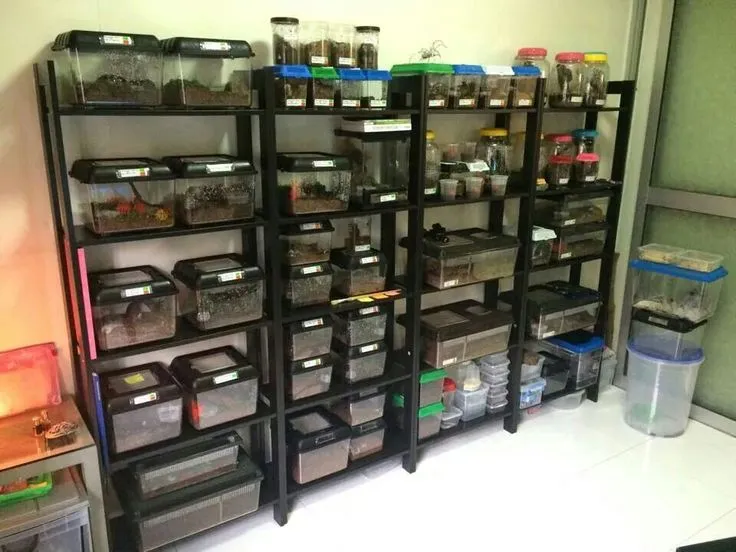
Understanding Tarantula Enclosure Needs
Creating the perfect habitat for your tarantula is crucial for its health and well-being. Tarantulas, being delicate creatures, require specific environmental conditions to thrive. This includes factors like appropriate size, proper ventilation, suitable substrate, and controlled humidity and temperature. Understanding these needs is the first step in providing your pet with a comfortable and enriching environment. Neglecting these aspects can lead to stress, poor molting, and even health issues. In Japan, the local climate adds another layer of complexity, so understanding these needs in the context of the local environment is vital for successful tarantula keeping. A well-designed enclosure mimics the tarantula’s natural habitat, promoting natural behaviors and a longer, healthier life.
Factors to Consider in Japan
When choosing a tarantula enclosure in Japan, several factors unique to the country’s climate and lifestyle must be considered. Japan experiences distinct seasons, with humid summers and colder winters. This fluctuation directly impacts the required temperature and humidity levels within the enclosure. Limited space in Japanese homes and apartments also influences enclosure size and design choices. Additionally, accessibility to pet supplies and the availability of suitable enclosures from local retailers are important practical considerations. Addressing these environmental and logistical considerations is important for ensuring your tarantula’s well-being. Thoughtful planning is essential for creating a sustainable, appropriate, and enjoyable environment for both the tarantula and the keeper, making the experience rewarding.
Size and Space Requirements

The size of the tarantula enclosure is paramount. It directly affects the tarantula’s movement, hunting behavior, and overall quality of life. The enclosure should be spacious enough for the tarantula to move freely, with adequate room for substrate, hiding places, and water dishes. As a general guideline, the enclosure’s width should be at least two to three times the tarantula’s leg span. The height is important, particularly for arboreal species, and should allow for sufficient vertical space for climbing and web-building. In Japan’s often compact living spaces, optimizing the enclosure’s footprint is vital. Consider vertical designs that maximize space without compromising the tarantula’s needs. This balance ensures the tarantula has sufficient space to thrive within the constraints of your home.
Ventilation
Proper ventilation is essential for maintaining healthy air quality and preventing mold and mildew growth in the enclosure. Adequate airflow helps regulate humidity levels, reducing the risk of respiratory problems for the tarantula. Ventilation should be designed to allow for the exchange of air without compromising the enclosure’s ability to maintain appropriate humidity levels. This balance is particularly crucial in Japan, where summer humidity levels can be very high. Enclosures with cross-ventilation, such as those with vents on opposite sides or the top, are preferable. Be cautious of enclosures with excessive ventilation, as this can dry out the enclosure too quickly, necessitating more frequent humidification. The best ventilation strategy considers the tarantula’s species and the specific climate conditions in Japan.
Substrate and Humidity
The substrate, or bedding, plays a critical role in maintaining the enclosure’s humidity and providing a comfortable environment for your tarantula. The substrate should be absorbent, non-toxic, and appropriate for the tarantula’s species. Common substrate options include coconut fiber, peat moss, and a mix of vermiculite and soil. These materials retain moisture, helping to maintain the required humidity levels. Humidity is particularly important in Japan, where the climate fluctuates significantly. Regular monitoring with a hygrometer is vital to ensure that the humidity levels are within the acceptable range for your tarantula’s species. Misting the enclosure with water, adding a water dish, and controlling the amount of ventilation can help regulate humidity. Avoid substrates that mold easily and ensure adequate air circulation to prevent the growth of harmful microorganisms.
Best Enclosure Types for Japan

Choosing the right type of enclosure is a key decision, greatly influencing the overall success of your tarantula-keeping experience. Several types of enclosures are available, each with its pros and cons. Considerations include ease of cleaning, durability, and suitability for maintaining optimal temperature and humidity. The climate in Japan, with its high humidity and temperature variations, necessitates an informed choice. Different enclosure materials offer varying levels of insulation and ventilation, impacting how easily you can control the enclosure’s environment. The ideal choice will not only accommodate the tarantula’s needs but will also integrate well into your living space. Consider what material is best suited for your tarantula species and your lifestyle to ensure the most suitable conditions for your pet’s well-being. Several options will work for various levels of experience and budgets, from beginners to more experienced keepers.
Glass Terrariums
Glass terrariums are a popular choice for tarantula enclosures due to their visibility and aesthetic appeal. They offer excellent viewing opportunities, allowing you to observe your tarantula’s behavior. Glass enclosures are generally easy to clean and maintain and provide good insulation. However, they can be heavier than other types of enclosures and may not retain humidity as efficiently. Glass enclosures require careful management of ventilation and humidity, especially in Japan’s humid climate. Ensure the enclosure has adequate ventilation and closely monitor humidity levels with a hygrometer. Proper placement away from direct sunlight is also important to prevent overheating. Glass terrariums offer a classic choice that is well-suited for a wide range of tarantula species.
Acrylic Enclosures
Acrylic enclosures are another excellent option, offering several advantages over glass terrariums. They are generally lighter, more durable, and provide better insulation, helping to maintain a stable temperature and humidity. Acrylic is also less likely to shatter than glass, making it a safer choice. Acrylic enclosures often come with built-in ventilation systems, which can simplify humidity and temperature control. They also provide excellent clarity, allowing for an unobstructed view of your tarantula. Acrylic’s superior insulating properties are particularly advantageous in Japan, where temperature fluctuations can be significant. While acrylic enclosures can be more expensive, their longevity and performance make them a great investment. These enclosures typically offer a more secure environment for your tarantula and are easier to maintain.
Plastic Containers

Plastic containers, such as those made from clear plastic storage boxes, can be a cost-effective and practical choice for tarantula enclosures. They are lightweight, easy to find, and readily available in various sizes. Plastic enclosures are often inexpensive, making them an excellent option for beginners or for housing multiple tarantulas. They also offer good ventilation options, as you can easily drill holes to improve airflow. However, plastic containers may not be as aesthetically pleasing as glass or acrylic, and they might not provide the same level of insulation. When choosing a plastic container, ensure the material is non-toxic and durable. Modify the enclosure with appropriate ventilation and a secure lid. Proper sealing is necessary, and you may need to make adjustments to maintain humidity levels. These enclosures are a great option for practicality and affordability.
Setting Up Your Tarantula Enclosure
Proper setup is the foundation for a healthy and thriving tarantula. The enclosure setup involves several key elements, including substrate, hiding places, water sources, and decorations. Each component plays a crucial role in providing the tarantula with a comfortable and enriching environment. Careful consideration of your tarantula’s species-specific needs is essential during setup. This includes understanding their natural behaviors, such as burrowing or arboreal tendencies, and tailoring the setup accordingly. The goal is to mimic the tarantula’s natural habitat as closely as possible. This helps to reduce stress and encourage natural behaviors like hunting, burrowing, and molting. The initial setup is vital for long-term success and is critical for the health and well-being of your tarantula.
Choosing the Right Substrate
The choice of substrate is critical for providing the right humidity and a comfortable living environment. A good substrate should retain moisture, allowing you to maintain appropriate humidity levels. Consider options like coconut fiber, peat moss, or a mixture of soil, vermiculite, and sphagnum moss. Coconut fiber is readily available and provides excellent moisture retention. Peat moss also works well, but it can be more acidic. Mixtures offer a balance of properties suitable for various tarantula species. Substrate depth is also essential, especially for burrowing species. The substrate layer should be deep enough for the tarantula to create burrows or tunnels. The depth can vary based on the species; consult guides for your species to ensure they have the right habitat. Regularly monitor the substrate for signs of mold or mildew and replace it when necessary to maintain a healthy environment.
Maintaining Humidity Levels

Maintaining the correct humidity level is essential for your tarantula’s health. Too little humidity can lead to molting problems, while too much can cause mold and bacterial growth. Use a hygrometer to monitor the humidity level within the enclosure. The ideal humidity range varies depending on the tarantula species, so research your tarantula’s specific needs. To increase humidity, you can mist the enclosure with water, especially during the drier months in Japan. The frequency of misting depends on the substrate and the ventilation of the enclosure. A water dish can also contribute to humidity; ensure it is shallow and easily accessible. Provide good ventilation to prevent excessive humidity buildup, especially during humid periods. This balance is critical for your tarantula’s well-being.
Providing Hiding Spots and Decorations
Providing hiding spots and decorations enriches the tarantula’s environment and helps to reduce stress. Tarantulas are naturally reclusive animals, and hiding places allow them to feel secure. Suitable hiding spots can include cork bark, half logs, artificial plants, or commercially available hides. These additions also provide surfaces for the tarantula to climb on or web to. Decorations can also help maintain the enclosure’s humidity levels. Be sure to choose decorations that are non-toxic and safe for your tarantula. Avoid sharp objects or items that could be harmful. Arrange the decorations thoughtfully to create a natural-looking environment that mimics the tarantula’s native habitat, providing your tarantula with a stimulating and enriching environment to thrive.
Feeding and Watering Your Tarantula
Providing proper nutrition and hydration is crucial for your tarantula’s health and well-being. A balanced diet and a readily available water source are essential aspects of tarantula care. Diet varies depending on the species and the tarantula’s age; young tarantulas often eat smaller prey, such as fruit flies, while adults can consume larger insects like crickets and roaches. It is important to source food that is free from pesticides and other harmful substances. Clean water must always be available, typically in a shallow water dish. The frequency of feeding and the size of the prey will vary depending on the species and the tarantula’s size. Regular monitoring and observation of feeding habits are also crucial for ensuring that your tarantula is receiving adequate nutrition. Properly managing these components will contribute to a healthy and happy tarantula.
Best Practices for Japan Climate

The climate in Japan, with its distinct seasons, presents specific challenges for tarantula keeping. Understanding how to adapt to these challenges is crucial. This includes strategies for temperature and humidity management, especially during the hot, humid summers and the colder winters. These adjustments will help to maintain optimal conditions within the enclosure. The implementation of these best practices is essential for ensuring the health and comfort of your tarantula throughout the year. Being prepared for seasonal changes is essential in Japan, where weather variations are significant.
Temperature and Humidity Management
Effective temperature and humidity management is essential for tarantula care, particularly in Japan’s varied climate. During the summer, high humidity can be a problem. Proper ventilation is key, as it helps to regulate humidity levels and prevent the growth of mold. In winter, supplemental heating may be needed. Using a heat mat or a low-wattage ceramic heater can help to maintain a consistent temperature, but the heat source must be carefully controlled to avoid overheating. The ideal temperature range will vary depending on the species, so researching your tarantula’s specific needs is important. A hygrometer and thermometer are essential tools for monitoring the enclosure’s environment. Regular monitoring, combined with the ability to make adjustments, is key to creating the best possible environment for your tarantula.
Seasonal Adjustments
Adapting your care routine to the seasonal changes in Japan is vital for your tarantula’s well-being. During the humid summer months, focus on ventilation to prevent mold and mildew. You might need to reduce the frequency of misting, or consider using a dehumidifier near the enclosure. During winter, provide supplemental heating to keep the enclosure at the correct temperature. Monitor the enclosure’s humidity levels carefully and adjust accordingly. Be mindful of the impact that changing seasons have on your tarantula’s appetite and activity levels, and make appropriate feeding adjustments. By staying attuned to these changes and making the necessary adjustments, you can ensure that your tarantula remains healthy and comfortable all year round. Seasonal adaptability is essential for successful tarantula keeping in Japan.
Where to Buy Tarantula Enclosures in Japan

Finding the right enclosure can be made easier by knowing where to look. Several options are available in Japan, including local pet stores and online retailers. Exploring the various choices will allow you to compare prices, select enclosure types, and choose the one that best meets your needs. Researching and knowing your options will help you to find the best possible environment for your pet. Knowing where to find your equipment can save you time and money and ensure that you can easily replace or upgrade your equipment. The following options provide a range of possibilities that accommodate various budgets and preferences.
Local Pet Stores
Local pet stores offer the advantage of being able to view enclosures in person. This lets you assess the quality, size, and ventilation of the enclosure. Many pet stores also have knowledgeable staff who can provide advice and guidance. These stores can often offer immediate access to supplies, which can be convenient if you need to set up your enclosure quickly. However, the selection may be limited compared to online retailers, and prices might be slightly higher. To find the best local pet stores, search online or ask other tarantula keepers for recommendations. Visiting pet stores allows you to make an informed decision and can provide instant access to the supplies you need.
Online Retailers
Online retailers provide a vast selection of tarantula enclosures and accessories, often at competitive prices. You can compare different products, read reviews, and access detailed information from the comfort of your home. Popular online platforms include Amazon Japan, Rakuten, and specialized reptile supply stores. Shipping times and costs should be considered. When shopping online, ensure that you choose reputable sellers and read reviews to ensure the quality of the products. Online retailers can be an excellent resource for finding a wide range of enclosure types and accessories, and you can take your time comparing options to ensure you get the perfect fit for your tarantula.
Essential Accessories for Tarantula Enclosures
In addition to the enclosure itself, several accessories are essential for creating a comfortable and functional habitat. These accessories enhance the environment, provide vital necessities, and make maintenance easier. Carefully selecting these items and ensuring their suitability for your tarantula’s specific needs is just as important as choosing the right enclosure. The right accessories will help you provide the best possible care for your tarantula and will make your overall experience of keeping a tarantula more enjoyable. Prioritizing quality and safety when selecting accessories is key.
Water Dishes and Bowls
A water dish is a must-have accessory for providing your tarantula with a constant source of fresh water. The dish should be shallow enough to prevent the tarantula from drowning but large enough for the tarantula to easily access water. Consider the size of your tarantula when choosing a water dish. For smaller tarantulas, a bottle cap or a shallow dish specifically designed for reptiles may suffice. For larger tarantulas, you may need a larger, sturdier dish. Regularly cleaning the water dish is essential to prevent the growth of bacteria and algae. Clean the dish with warm water and soap, and rinse thoroughly before refilling it with fresh water. Make sure your tarantula always has access to clean water to maintain hydration.
Hygrometers and Thermometers
Hygrometers and thermometers are essential tools for monitoring the temperature and humidity levels within the enclosure. These devices allow you to make necessary adjustments to ensure that the environment is within the appropriate range for your tarantula’s species. Place the hygrometer and thermometer inside the enclosure, ideally in a location where you can easily see the readings. Digital thermometers and hygrometers are easy to read and provide accurate measurements. Regularly check the readings and make adjustments to the enclosure’s conditions as needed. Being aware of the conditions will help you make adjustments, giving you the best possible care for your tarantula.
Cleaning and Maintenance
Regular cleaning and maintenance are vital to keeping your tarantula’s enclosure clean and healthy. This process involves regular cleaning to prevent the build-up of waste and the growth of harmful bacteria. A consistent cleaning schedule will help to maintain the enclosure’s hygiene. Spot cleaning and full enclosure cleanouts are both necessary. The frequency of these tasks depends on factors like the size of the enclosure, the type of substrate, and the species of tarantula. A well-maintained enclosure helps to create a healthy environment for your tarantula, promoting its overall well-being.
Regular Cleaning Schedule
Establishing a regular cleaning schedule is key to maintaining a clean and healthy tarantula enclosure. Develop a routine that includes spot cleaning and full enclosure cleanouts. The frequency of spot cleaning, such as removing uneaten food and waste, can be daily or every other day. Replace water in the water dish frequently. Full enclosure cleanouts, involving a complete substrate change and thorough cleaning of the enclosure, should occur every few months. The frequency will depend on factors like the size of the enclosure, the type of substrate, and the tarantula’s species. Following a consistent schedule ensures you are maintaining proper hygiene, preventing the build-up of harmful bacteria, and keeping your tarantula happy and healthy. Be sure to schedule these cleanings to suit your lifestyle, making the tarantula-keeping process easier and more enjoyable.
Spot Cleaning and Full Enclosure Cleanout
Spot cleaning involves removing any visible waste, uneaten food, and other debris from the enclosure. This can be done daily or every few days, depending on your tarantula’s eating habits. When spot cleaning, use a pair of tongs or tweezers to remove waste gently. A full enclosure cleanout should be performed every few months. During this process, remove the tarantula from the enclosure (placing it in a temporary, secure container), dispose of the old substrate, clean the enclosure thoroughly with warm water and soap (avoiding harsh chemicals), and then replace the substrate. Allow the enclosure to dry completely before returning the tarantula. Regularly performing these tasks is essential for maintaining a healthy and hygienic environment.