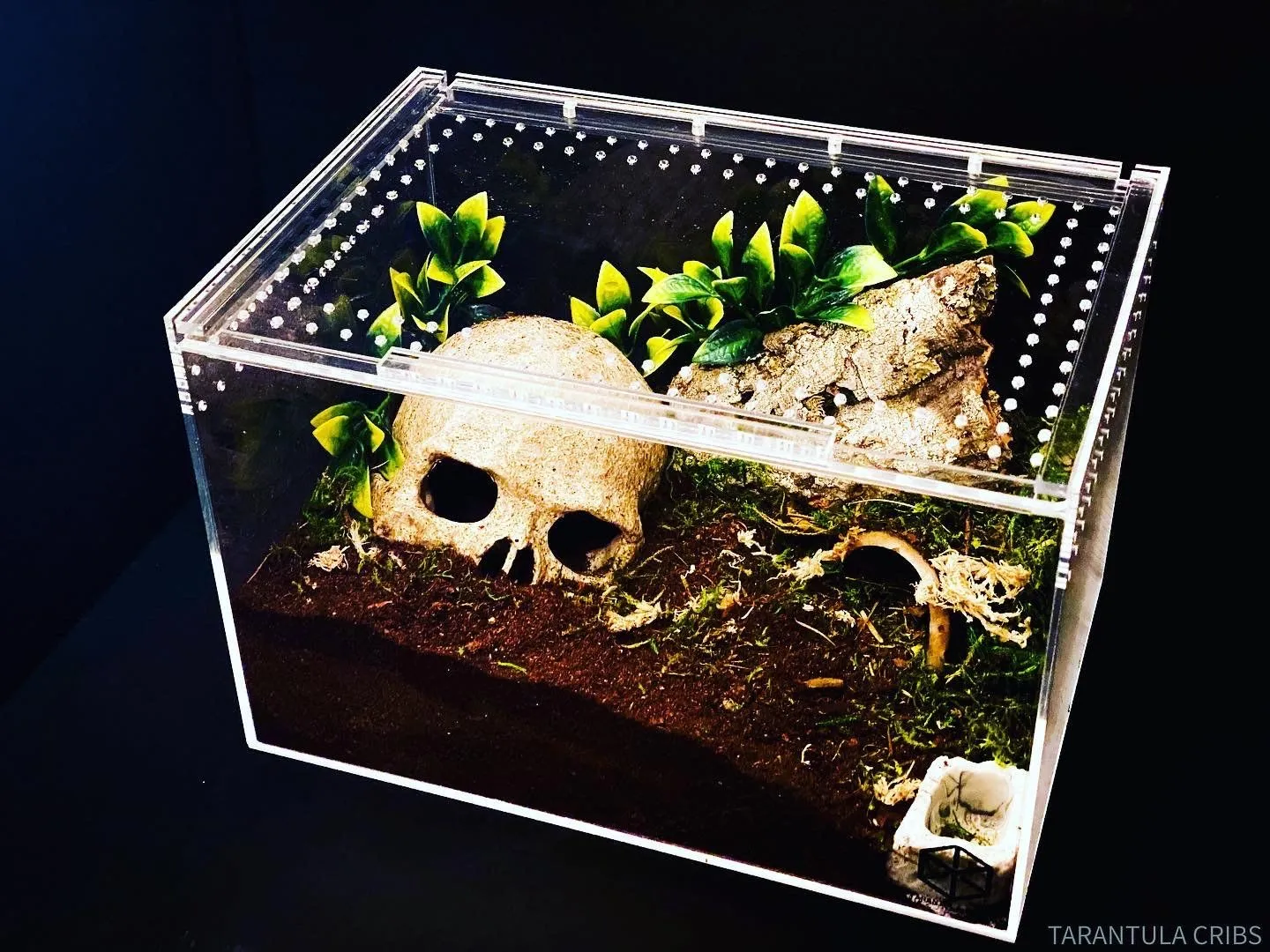
Choosing the Best Tarantula Enclosures
Choosing the right enclosure is crucial for the health, well-being, and longevity of your tarantula. A well-designed habitat provides a safe and stimulating environment, allowing your spider to thrive. The ideal enclosure supports the tarantula’s specific needs, considering its species, size, and natural habitat. This guide will walk you through the essential factors to consider when selecting the best tarantula enclosure, ensuring you create a comfortable and enriching space for your eight-legged friend. Proper housing minimizes stress, facilitates natural behaviors, and makes it easier for you to observe and care for your pet. Careful consideration will result in a thriving tarantula.
Enclosure Size and Tarantula Species
The size of the enclosure is one of the most critical factors. The enclosure should be large enough for the tarantula to move around comfortably, but not so large that the tarantula feels exposed and stressed. A general rule of thumb is to provide an enclosure that is at least twice the tarantula’s leg span in width and length. For arboreal species, height is also essential, allowing for climbing and web-building. Consider the adult size of your tarantula species when selecting an enclosure, as they can grow significantly over time. Always prioritize a habitat that allows your spider to engage in natural behaviors like burrowing or climbing, which will improve its overall well-being.
Arboreal Tarantulas

Arboreal tarantulas, such as the Pinktoe or Avicularia species, live in trees and prefer vertical spaces. Enclosures for these tarantulas should be taller than they are wide, providing ample vertical space for climbing and web-building. A height of at least three times the tarantula’s leg span is recommended. Include branches, cork bark, or other climbing structures to mimic their natural arboreal environment. This helps your tarantula feel secure and encourages natural behaviors, promoting a healthier and more active lifestyle.
Terrestrial Tarantulas
Terrestrial tarantulas, like the G. rosea, spend most of their time on the ground or in burrows. Their enclosures should be wider than they are tall, providing ample floor space. The depth of the substrate is also crucial for terrestrial species, as they often burrow. Provide at least two to four inches of substrate, depending on the species. Terrariums with front-opening doors and secure latches are ideal for easy access and observation. Include hiding places like cork bark or artificial hides to give your tarantula a safe space.
Ventilation and Airflow
Proper ventilation is crucial for preventing the buildup of stale air and moisture, which can lead to mold growth and respiratory issues for your tarantula. Good airflow is essential for maintaining a healthy environment. The enclosure should have ventilation holes or mesh on the top and sides to promote proper air circulation. The amount of ventilation needed will vary depending on the humidity requirements of the species.
Importance of Proper Ventilation

Poor ventilation can lead to a host of problems, including the growth of mold and the buildup of harmful bacteria. Stale air can also lead to respiratory problems for your tarantula. Adequate ventilation helps to regulate humidity levels, preventing them from becoming too high, which can be detrimental. It is crucial to regularly monitor the enclosure’s humidity and adjust ventilation as needed to maintain an ideal environment for your spider. Regular observation of your tarantula’s behavior and enclosure conditions will help ensure optimal airflow.
Types of Ventilation Systems
There are different types of ventilation systems. Mesh tops provide good airflow, but ensure the mesh is fine enough to prevent escapes. Cross-ventilation, with holes on opposite sides of the enclosure, promotes optimal airflow. Some enclosures have built-in ventilation systems, which are specifically designed to maximize airflow. Consider the specific needs of your tarantula species when choosing an enclosure with a ventilation system. Ensure that any ventilation holes are located in a way that is safe for your tarantula.
Substrate and Environmental Control
The substrate is the base layer of your tarantula’s habitat and is essential for moisture retention, burrowing, and overall comfort. Different substrates are suitable for different tarantula species. Consider the humidity requirements and natural habitat of your tarantula when selecting the right substrate. Along with substrate, you’ll also need to control the temperature and humidity levels to mimic the tarantula’s natural environment.
Substrate Selection
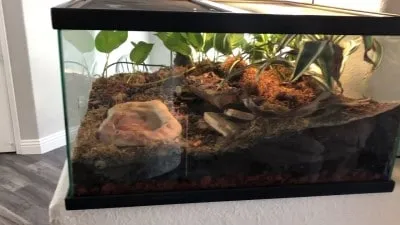
Popular substrate choices include coconut fiber, peat moss, and a mix of these with other materials. Coconut fiber is excellent for humidity retention and burrowing. Peat moss also provides good moisture retention and is suitable for various species. A mix of substrates can provide a good balance of moisture and drainage. Avoid substrates with sharp edges or materials that could be harmful if ingested. Always choose a substrate that is appropriate for the specific needs of your tarantula species and easy to clean.
Humidity Control for Tarantulas
Humidity control is a crucial aspect of tarantula care. The correct humidity level depends on the species. Use a hygrometer to monitor humidity levels regularly. Increase humidity by misting the enclosure with water or adding a water dish. Improve ventilation to reduce humidity. Avoid over-misting, as this can lead to mold and health problems. Monitor the substrate and the overall environment to ensure the humidity is within the ideal range for your tarantula’s well-being.
Temperature Regulation
Most tarantulas thrive in temperatures between 70-80°F (21-27°C). Use a thermometer to monitor the temperature inside the enclosure. Maintain a stable temperature, avoiding drastic fluctuations. Use a heat source, such as a heat mat or ceramic heat emitter, if necessary. Never place the heat source directly inside the enclosure. Ensure the heat source is regulated by a thermostat. Provide a temperature gradient, with a cooler side, to allow your tarantula to regulate its body temperature.
Decorations and Enrichment

Adding decorations to your tarantula’s enclosure provides enrichment and enhances the overall environment. Decorations provide hiding places, climbing structures, and visual interest. The right decorations promote natural behaviors and make the enclosure more engaging for your tarantula. Choose decorations that are safe, non-toxic, and appropriate for your tarantula species. Consider the tarantula’s preferences and the need for a suitable environment when adding decorations.
Essential Decorations
Essential decorations include hiding places, such as cork bark, artificial plants, or commercially available hides. These provide a sense of security and allow your tarantula to retreat when it feels threatened. Provide climbing structures like branches for arboreal species. Ensure decorations are securely placed. Regularly inspect decorations for cleanliness and replace them if they are damaged or pose a safety risk.
Enrichment for Tarantulas
Enrichment provides your tarantula with opportunities to engage in natural behaviors. Vary the environment by rotating decorations. Provide a variety of textures and materials. Feed your tarantula in different locations within the enclosure. This will stimulate activity. Avoid overcrowding the enclosure with decorations, leaving enough space for the tarantula to move around and explore.
Safety and Accessibility

The safety and accessibility of the enclosure are of paramount importance. The enclosure should be designed to prevent escapes. Ensure easy access for feeding, watering, and cleaning, making it convenient for you to care for your tarantula. Consider features that facilitate daily care. Always prioritize a design that ensures the well-being of your tarantula and the ease of maintenance for you.
Easy Access Features
Consider enclosures with front-opening doors or easy-to-remove tops. These features facilitate easy access. Front-opening doors are especially useful for terrestrial species. These provide a convenient and secure way to interact with your tarantula and maintain the enclosure. Make sure the enclosure design allows you to easily reach all areas for cleaning, feeding, and other care routines.
Secure Lid and Latches
A secure lid and reliable latches are essential to prevent escapes. Tarantulas are skilled escape artists. Choose an enclosure with a tight-fitting lid and secure latches. Regular checks are important to make sure the lid is properly secured. Make sure that the enclosure has features to ensure your tarantula cannot push the lid open. This protects your tarantula and prevents any potential danger to yourself or others in your home.
Maintenance and Cleaning

Regular maintenance and cleaning are critical for maintaining a healthy and comfortable environment for your tarantula. A clean enclosure reduces the risk of disease and promotes the tarantula’s overall health. Establish a routine for cleaning, and use the right tools and methods. Proper maintenance will create a pleasant living space for your tarantula and reduce potential risks. Regular checks for hygiene are necessary.
Cleaning Frequency
Spot clean the enclosure daily, removing any uneaten food, waste, or molted exoskeletons. Replace the substrate partially or fully as needed. The frequency of substrate replacement depends on the substrate type. A full substrate change is typically needed every few months. Clean and disinfect the enclosure regularly, using a pet-safe cleaner. The frequency of the deep cleaning will depend on the environment and cleanliness. Monitor the enclosure and adjust your cleaning schedule as needed.
Essential Cleaning Tools
Essential cleaning tools include gloves, a scoop or spoon for removing waste, and a spray bottle for misting. Use a pet-safe disinfectant to clean the enclosure. Have separate tools for cleaning the enclosure to avoid cross-contamination. Rinse all tools thoroughly after cleaning. Dispose of waste and used materials safely. Regularly wash the water dish and any decorations.
Top 5 Tarantula Enclosure Picks

Here are five of the best tarantula enclosure options, considering factors like size, ventilation, ease of access, and suitability for different species.
Enclosure Pick 1
Description of Enclosure 1, including size, material, ventilation, and species suitability. Highlight the pros and cons, and any unique features. Explain why it’s a good choice.
Enclosure Pick 2
Description of Enclosure 2, including size, material, ventilation, and species suitability. Highlight the pros and cons, and any unique features. Explain why it’s a good choice.
Enclosure Pick 3
Description of Enclosure 3, including size, material, ventilation, and species suitability. Highlight the pros and cons, and any unique features. Explain why it’s a good choice.
Enclosure Pick 4
Description of Enclosure 4, including size, material, ventilation, and species suitability. Highlight the pros and cons, and any unique features. Explain why it’s a good choice.
Enclosure Pick 5
Description of Enclosure 5, including size, material, ventilation, and species suitability. Highlight the pros and cons, and any unique features. Explain why it’s a good choice.
Conclusion
Choosing the best tarantula enclosure involves careful consideration of your tarantula’s species, size, and environmental needs. By focusing on size, ventilation, substrate, decorations, safety, and accessibility, you can create a thriving habitat for your pet. This will improve the overall health and longevity of your tarantula. Regularly maintain and clean the enclosure. By following these guidelines, you can ensure that your tarantula lives a happy and healthy life.