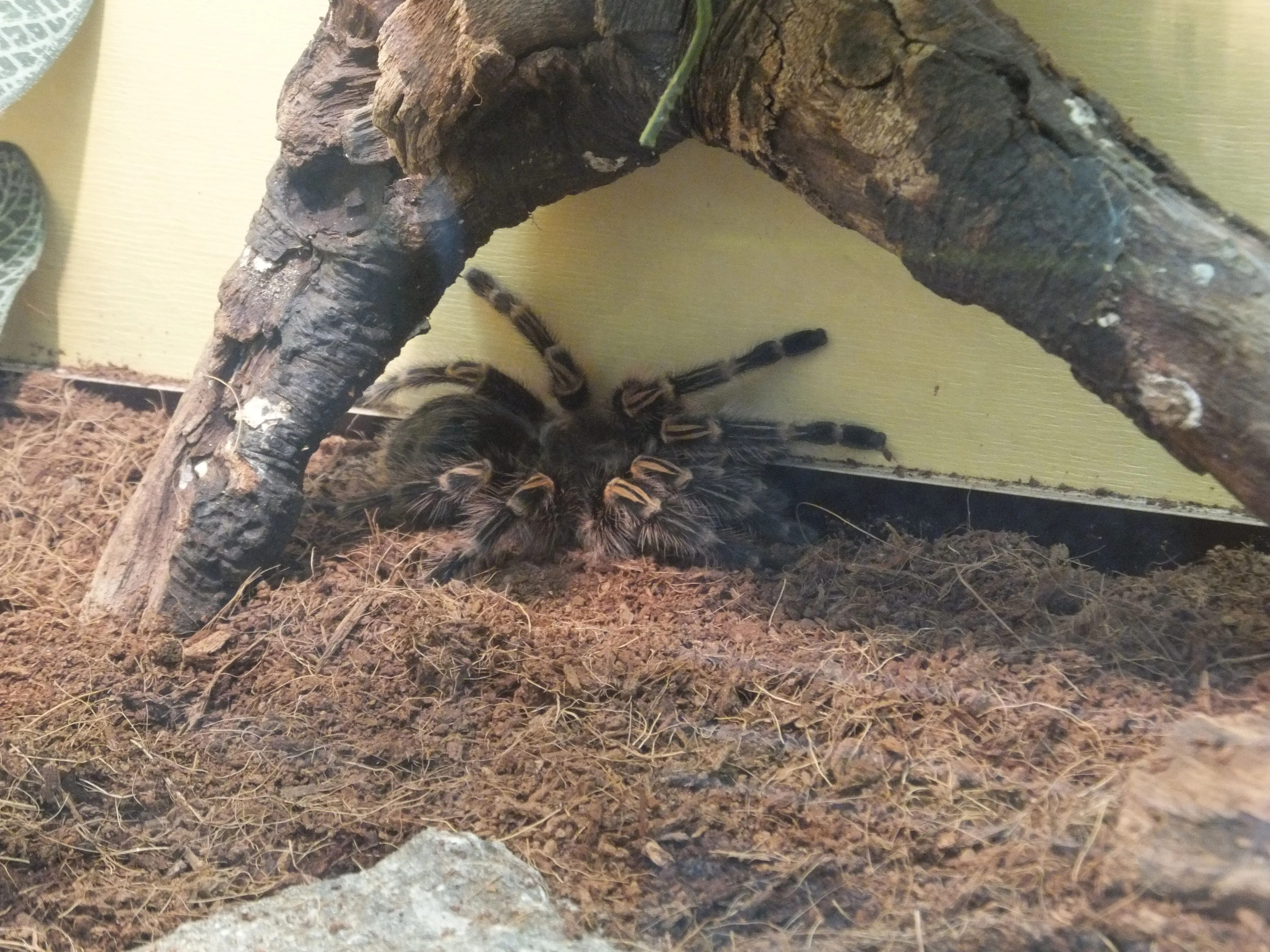
Why Choose a Tarantula as a Pet?
Considering a unique pet? Tarantulas offer a fascinating alternative to traditional animals. Their quiet nature, low maintenance requirements, and captivating behaviors make them appealing to many. Unlike dogs and cats, tarantulas don’t require daily walks or constant attention. Their needs are relatively simple, focusing on proper enclosure, feeding, and environmental control. This makes them ideal for individuals or families with busy schedules. Owning a tarantula can be a rewarding experience, providing an opportunity to observe intricate behaviors and learn about the wonders of arachnids. They are also hypoallergenic, eliminating common allergy concerns associated with furry pets. These impressive creatures can become a captivating addition to your home, offering a glimpse into a world of exotic wildlife.
The Benefits of Tarantula Ownership
Tarantulas provide several advantages for pet owners. One of the primary benefits is their low maintenance. Feeding typically involves just a couple of times per week, and enclosure cleaning is required only a few times a month. This ease of care contrasts sharply with the demands of other pets. Additionally, tarantulas are relatively inexpensive to keep. Initial costs, such as the enclosure and substrate, are nominal, and ongoing expenses, mainly for food, are minimal. Another appealing aspect is their silent nature. Tarantulas do not bark, meow, or make other disruptive noises, making them ideal for apartment living or noise-sensitive environments. Their unique appearance and behavior provide an educational and entertaining experience. Watching a tarantula hunt or molt offers a fascinating insight into the natural world, making them excellent pets for those interested in the sciences.
Top 7 Best Tarantulas for Pets

Selecting the right tarantula is essential for a successful pet ownership experience. Several species are known for their docile temperaments and ease of care. Here are seven of the best tarantulas for pet owners, each offering unique characteristics and manageable requirements.
Chilean Rose Hair Tarantula
The Chilean Rose Hair Tarantula (Grammostola rosea) is an excellent choice for beginners. Known for its calm temperament and tolerance, it’s one of the most popular tarantulas in the pet trade. These tarantulas are relatively slow-moving and rarely bite. They also thrive in a variety of environments, making them adaptable to different living situations. Their docile nature makes them ideal for those new to tarantula ownership. With proper care, they can live for many years, providing companionship and fascination.
Handling Chilean Rose Hair Tarantulas
While Chilean Rose Hair Tarantulas are generally docile, handling should be approached with caution. Avoid sudden movements and allow the tarantula to crawl onto your hand rather than picking it up. Always handle them close to the ground to minimize the risk of injury if they fall. Remember that even docile tarantulas can bite if provoked. Hand washing before and after handling is critical. It is always best to observe them rather than handling, ensuring the safety and well-being of both the owner and the tarantula. If you’re new to the tarantula world, consider handling them under supervision until you are comfortable.
Mexican Red Knee Tarantula

The Mexican Red Knee Tarantula (Brachypelma hamorii) is another popular choice. Recognized by its striking black and red coloration, this species is known for its relatively docile nature and gentle disposition. They are somewhat larger than Chilean Rose Hairs. Their impressive size and vibrant appearance make them a favorite among enthusiasts. Like the Chilean Rose Hair, they are well-suited for beginners, provided proper handling and care instructions are followed. Their longevity also means they will be a companion for many years.
Mexican Red Knee Tarantula Care Tips
Caring for a Mexican Red Knee Tarantula requires attention to detail. They need a terrarium with adequate ventilation, a substrate of coconut fiber or peat moss, and a water dish. Maintain a temperature between 75-85°F and a humidity level of 60-70%. Feeding involves live insects, such as crickets or mealworms, once or twice a week. Avoid overfeeding to prevent stress and potential health problems. Regular cleaning and observation are necessary to ensure their well-being. This species is known to be a burrower, and it’s important to provide enough substrate for it to create a comfortable habitat.
Curly Hair Tarantula
The Curly Hair Tarantula (Tliltocatl albopilosus), also known as the Honduran Curly Hair, is a visually appealing and relatively calm species. Its unique appearance, with its curly, golden-brown hairs, adds to its appeal. These tarantulas are known for their docile nature and make great pets for beginners. They are relatively low-maintenance, requiring straightforward care and attention. They also exhibit interesting behaviors, such as burrowing and web-spinning, making them fun to observe. Their tolerance of variations in humidity and temperature further enhances their appeal.
Habitat for Curly Hair Tarantulas

Providing a suitable habitat is crucial for the Curly Hair Tarantula. A 10-gallon terrarium is often sufficient for adults, with a substrate of coconut fiber or a similar material. The substrate should be deep enough for burrowing, which is part of their natural behavior. A shallow water dish and a hide, such as a piece of cork bark, are essential. Maintain a temperature between 75-85°F and a humidity level of 65-75%. Ensure adequate ventilation to prevent the growth of mold and maintain a healthy environment. This spider will be comfortable, thrive, and provide its owner with a unique experience if these conditions are met.
Goliath Birdeater Tarantula
The Goliath Birdeater (Theraphosa blondi) is the world’s largest tarantula, making it a captivating pet for experienced keepers. These massive spiders can have a leg span of up to 12 inches. They are known for their impressive size and can be quite docile, despite their intimidating appearance. Owning a Goliath Birdeater requires a commitment to provide the proper habitat, diet, and careful handling. They can be quite an impressive addition to a collection, and their size makes them unlike any other tarantula. This species is better suited for those with prior experience handling tarantulas.
Goliath Birdeater Tarantula Considerations
Keeping a Goliath Birdeater demands special consideration. A large enclosure is a must, with sturdy construction to prevent escapes. Humidity and temperature must be carefully monitored and maintained. Their diet typically consists of large insects, such as crickets and roaches, supplemented with occasional small rodents. Handling should be kept to a minimum, as they have urticating hairs that can cause irritation. It’s also important to note their potentially defensive behavior. Due to their size, the Goliath Birdeater requires more experience, knowledge, and a high level of responsibility to provide a safe and enriching environment.
Pinktoe Tarantula

The Pinktoe Tarantula (Avicularia avicularia) is known for its arboreal lifestyle and striking appearance, with its characteristic pink toe pads. This tarantula is generally calm and well-suited to the pet environment. Their unique colors and habits make them a captivating addition to any collection. They are also smaller than many other species, making them suitable for those with limited space. Their arboreal nature and tendency to create webs add an element of dynamism to the terrarium.
Pinktoe Tarantula Temperament
Pinktoe Tarantulas are generally docile, but they can be skittish and prone to bolting. Handling should be done with care and caution. They rarely bite but can flick urticating hairs as a defense mechanism. They thrive in arboreal setups with vertical space and branches for climbing. Maintain moderate humidity levels and temperatures. Their relatively small size and manageable care requirements make them a good choice for those looking for an attractive and manageable tarantula. Due to their arboreal nature, it’s essential to provide them with climbing structures and a suitable vertical habitat.
Texas Tan Tarantula
The Texas Tan Tarantula (Aphonopelma hentzi) is a North American native known for its hardiness and docile nature. These terrestrial tarantulas are typically a tan or brown color. They are relatively easy to care for, making them an excellent choice for beginner tarantula owners. Their calm temperament means they are less likely to bite or display defensive behaviors. This species adapts well to a variety of conditions, provided their basic needs are met. This tarantula offers a unique opportunity to learn about native wildlife and can be a rewarding pet to keep.
Texas Tan Tarantula Setup

Setting up a habitat for the Texas Tan Tarantula is straightforward. A terrestrial setup is required, with a substrate of coconut fiber or peat moss. A shallow water dish and a hide, such as a piece of cork bark or a hollow log, should be provided. Maintain a temperature between 70-80°F and moderate humidity. These tarantulas are burrowers, so provide enough substrate for them to create a burrow. Feeding involves live insects once or twice a week, depending on their size and appetite. Regular cleaning is essential to keep the enclosure fresh. With the right setup, this species can thrive and offer their owner many years of enjoyment.
How to Care for Your Tarantula
Caring for a tarantula requires attention to detail. Understanding their needs can ensure the well-being of your pet. Each species has unique requirements, but there are general guidelines that apply to all. Proper housing, feeding, environmental control, and handling practices are essential to maintain a healthy and happy tarantula. The key is to observe your tarantula regularly, monitor its behavior, and respond to its needs. A responsible owner makes sure that the animal lives a long, comfortable life.
Choosing the Right Enclosure
The enclosure is one of the most important aspects of tarantula care. The size of the enclosure will depend on the species and size of the tarantula. Terrestrial species require more horizontal space, while arboreal species need vertical space for climbing. The enclosure should be secure, with a tight-fitting lid to prevent escapes. Ventilation is crucial to prevent mold growth and ensure the proper humidity level. The enclosure should be made of glass or clear plastic, allowing for easy observation. The substrate should be appropriate for the species. Avoid any decorations that may be harmful or difficult to clean. The right enclosure creates the best conditions for a happy and healthy tarantula.
Feeding and Watering Your Tarantula

Feeding and watering are essential aspects of tarantula care. Tarantulas typically eat live insects, such as crickets, mealworms, and roaches. The frequency of feeding depends on the species and the tarantula’s age, but generally, they should be fed once or twice a week. Always remove any uneaten insects after 24 hours. A shallow water dish should always be available, ensuring access to fresh water. Refill the water dish regularly to keep it clean. Some tarantulas will drink from a water dish, while others may prefer to drink from the substrate. Adjust the feeding and watering schedule based on the specific needs of your tarantula.
Maintaining the Ideal Environment
Maintaining the ideal environment is crucial for a tarantula’s health and well-being. Temperature and humidity levels vary depending on the species, so research the specific requirements of your tarantula. Use a thermometer and hygrometer to monitor the environment. The enclosure should be kept in a location away from direct sunlight and drafts. Provide appropriate substrate to maintain humidity and allow for burrowing or climbing. Regular cleaning is important to prevent the buildup of waste and mold. By maintaining a stable and appropriate environment, you can ensure that your tarantula will thrive.
Handling and Safety Tips
Handling tarantulas should be approached with caution. Even docile species can bite if they feel threatened. It is best to avoid handling tarantulas whenever possible, and always wash your hands before and after handling. Handle tarantulas close to the ground to minimize the risk of injury if they fall. Some tarantulas have urticating hairs that can cause irritation. Avoid contact with these hairs by using tools or observing the tarantula from a distance. Always be aware of your tarantula’s behavior, and avoid any actions that may startle or provoke them. Safety precautions are important to protect both you and your pet.
Understanding Tarantula Behavior

Understanding tarantula behavior is critical for responsible pet ownership. Tarantulas exhibit a variety of fascinating behaviors that can provide insight into their health and well-being. Observe your tarantula regularly to become familiar with its normal behavior. Learn to recognize signs of stress, such as defensive postures or refusal to eat. Molting is a natural process where the tarantula sheds its exoskeleton to grow. During this time, tarantulas may be vulnerable and require special care. Recognize the signs of mating behavior to determine if your tarantula is ready. Understanding their behavior allows you to provide the best care.
Common Health Issues and Prevention
Tarantulas are relatively hardy creatures, but they can still be susceptible to health issues. Common problems include parasites, fungal infections, and injuries. Preventative care is essential to keep your tarantula healthy. Provide a clean and properly maintained enclosure. Monitor humidity and temperature to prevent the growth of mold and bacteria. Ensure proper ventilation. Feed your tarantula a varied diet of live insects. Avoid handling your tarantula excessively to prevent stress and potential injuries. If you notice any unusual symptoms, such as lethargy, loss of appetite, or changes in behavior, consult an experienced arachnid veterinarian. With the right care, you can significantly reduce the risk of health problems.