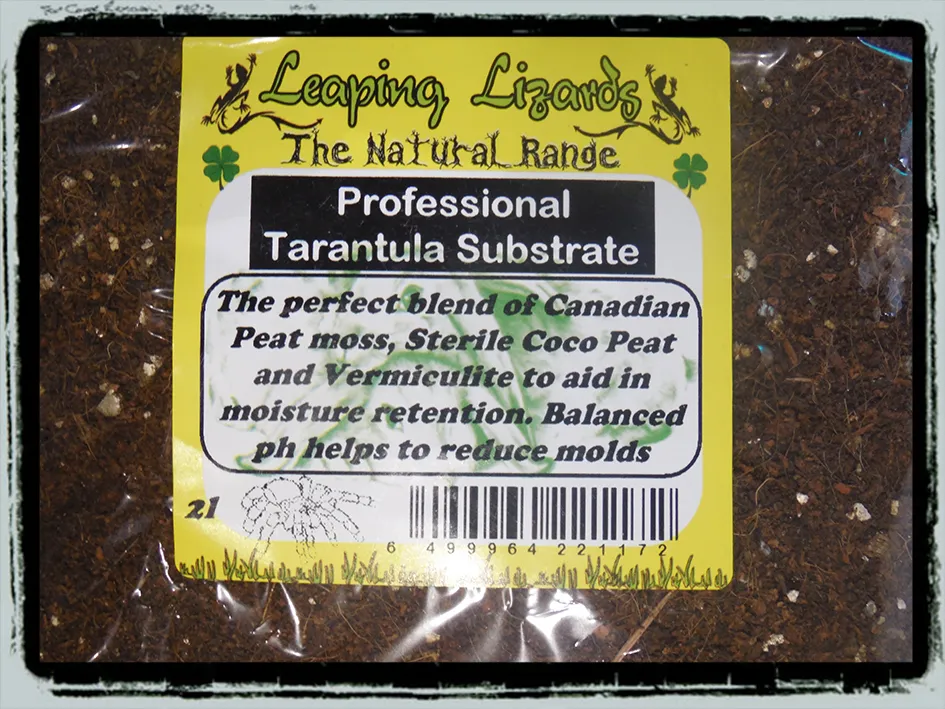
Top 5 Best Tarantula Substrate Choices
Choosing the best tarantula substrate is crucial for the health and well-being of your eight-legged friend. The right substrate provides a comfortable environment, aids in humidity regulation, and facilitates natural behaviors like burrowing. With so many options available, it can be overwhelming to decide. This guide breaks down the top 5 substrate choices, considering their pros, cons, and suitability for different tarantula species. Selecting the correct substrate is one of the most critical elements of tarantula care, ensuring your pet thrives in its habitat and exhibits natural behaviors. The substrate affects the humidity levels, which is important for many species. The goal is to mimic the natural environment of your tarantula to make your pet as happy and healthy as possible. Selecting the right substrate is crucial to achieving this goal.
What to Consider When Choosing Substrate
Before diving into the specifics of each substrate, it’s essential to understand the key factors to consider. Different tarantula species have varying needs, so what works for one may not be ideal for another. Understanding these considerations will help you make an informed decision and ensure your tarantula thrives in its habitat. Researching the specific needs of your tarantula species is a vital first step. Consider the natural habitat of your species, is it from a humid rainforest or a dry desert? This will heavily influence your substrate choice and the care you provide.
Humidity Requirements

Humidity is a critical aspect of tarantula care, especially for tropical and subtropical species. The substrate plays a significant role in maintaining the appropriate humidity levels within the enclosure. Different substrates have varying moisture-retention capabilities, so choosing one that aligns with your tarantula’s humidity needs is important. For species that require high humidity, such as many arboreal tarantulas, substrates like coconut fiber or a mix of peat moss and vermiculite are excellent choices. These substrates hold moisture well and help create the humid environment your tarantula needs. You should use a hygrometer to ensure the proper humidity level.
Burrowing Behavior
Many tarantula species, especially terrestrial ones, are natural burrowers. Providing a substrate that allows them to engage in this behavior is essential for their psychological well-being. Substrates like topsoil mixes, peat moss, or a combination of coconut fiber and peat moss provide a suitable structure for burrowing. The depth of the substrate is another critical factor. Ensure the substrate is deep enough to allow the tarantula to create tunnels and burrows without reaching the bottom of the enclosure. The right substrate allows them to express their natural behaviors, such as creating elaborate burrows, which reduces stress and improves their overall health.
Aesthetics and Maintenance
While not as critical as humidity and burrowing, the aesthetics of the substrate and its maintenance requirements are still worth considering. Some substrates, like coconut fiber, offer a more natural look, while others, like vermiculite, might be less visually appealing. The ease of maintenance is also essential. Some substrates require more frequent spot cleaning or replacement. Consider how often you want to maintain the enclosure when choosing a substrate. Coconut fiber is easy to clean, while a topsoil mix might require more frequent attention. This ensures a healthy environment while also making the enclosure visually pleasing.
Substrate Option 1 Coconut Fiber

Coconut fiber, also known as coco coir, is a popular choice due to its excellent moisture retention and natural look. It’s made from the husk of coconuts, making it an eco-friendly option. It is readily available and can be found in pet stores and online. It is also inexpensive and can be purchased in bulk. It’s an excellent option for many tropical species of tarantulas, providing a humid environment. Coconut fiber is also easy to spot clean, making it a great choice for beginner keepers.
Pros of Coconut Fiber
- Excellent moisture retention
- Natural appearance
- Eco-friendly and sustainable
- Readily available and affordable
- Easy to spot clean
Cons of Coconut Fiber
- Can mold if over-saturated
- May require mixing with other substrates for burrowing
Substrate Option 2 Sphagnum Moss
Sphagnum moss is a natural substrate that works well for maintaining humidity. It’s excellent for species that need high humidity levels and a slightly acidic environment. Sphagnum moss is also great for arboreal species. Make sure to buy sphagnum moss that is free of pesticides and chemicals. Sphagnum moss, like other substrates, can hold moisture for an extended period, helping to maintain the humidity necessary for various tarantula species.
Pros of Sphagnum Moss
- Excellent moisture retention
- Creates a humid environment
- Great for arboreal species
Cons of Sphagnum Moss
- Can become compacted
- May need to be replaced frequently
- Can be prone to mold if overwatered
Substrate Option 3 Peat Moss
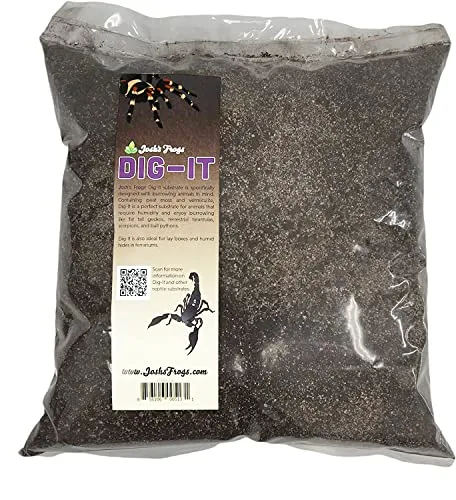
Peat moss is another excellent substrate option. It’s a partially decayed plant matter that has excellent moisture retention. It’s often used in combination with other substrates like coconut fiber. Peat moss is a good option for species that require high humidity and a slightly acidic environment. It is generally easy to find in stores, and is another budget-friendly option for tarantula keepers. It’s another excellent option for keepers of burrowing tarantulas, as it is well suited to the creation of tunnels.
Pros of Peat Moss
- Excellent moisture retention
- Allows for burrowing
- Good for humidity regulation
Cons of Peat Moss
- Can be dusty
- May need to be mixed with other substrates
Substrate Option 4 Topsoil Mix

A topsoil mix, usually a blend of topsoil, peat moss, and sand, provides an excellent substrate for burrowing tarantulas. It offers a natural environment and allows the tarantula to create secure burrows. A topsoil mix works particularly well for terrestrial species. Be sure to use topsoil that is free from fertilizers and pesticides. It’s essential to make sure the topsoil you choose is safe for your pet.
Pros of Topsoil Mix
- Excellent for burrowing
- Provides a natural environment
- Can be used with many species
Cons of Topsoil Mix
- Can be messy
- May require more frequent cleaning
Substrate Option 5 Vermiculite

Vermiculite is a mineral that is often used to retain moisture and regulate humidity. It’s a good option for tarantulas, but should generally be mixed with other substrates. Vermiculite is not a standalone substrate and usually works best when mixed with others. It’s not as effective at burrowing. It’s a good addition for species that require high humidity, and it’s beneficial in maintaining humidity and regulating temperature.
Pros of Vermiculite
- Excellent moisture retention
- Helps regulate humidity
- Can be mixed with other substrates
Cons of Vermiculite
- Not suitable as a standalone substrate
- Less effective for burrowing
How to Maintain Your Tarantula Substrate

Maintaining the substrate is crucial to ensure the health and well-being of your tarantula. Regular maintenance helps to prevent the buildup of waste, control humidity, and ensure the substrate remains a safe and comfortable environment. Regular maintenance prevents the buildup of waste and controls the humidity levels. The specific maintenance tasks depend on the type of substrate used and the needs of your tarantula species. Consistent maintenance is essential to creating the optimal habitat for your pet.
Cleaning and Spot Removal
Spot cleaning is an essential part of substrate maintenance. Remove any visible waste, such as uneaten food or molted exoskeletons, as soon as you see them. Use a pair of long tongs or tweezers to avoid disturbing your tarantula. This helps prevent the growth of mold and bacteria. Regular spot cleaning contributes to overall hygiene, keeping your tarantula healthy and the environment clean. Inspect the substrate for any signs of mold or pest infestations, addressing any issues immediately.
Adjusting Humidity
Monitor the humidity levels regularly using a hygrometer. If the humidity is too low, mist the substrate with dechlorinated water. The frequency of misting will depend on the type of substrate and the tarantula’s needs. If the humidity is too high, ensure the enclosure has adequate ventilation. Avoid over-misting, as this can lead to mold growth. Maintaining the right humidity level is critical for the health of your tarantula. Remember to adjust the watering frequency based on the substrate and the species of tarantula.
When to Replace Substrate
The frequency of substrate replacement varies depending on the substrate type and the tarantula’s waste production. Generally, it’s recommended to replace the substrate every 6-12 months, or sooner if it becomes heavily soiled or starts to smell. When replacing the substrate, completely remove the old substrate, clean the enclosure, and replace it with fresh substrate. This ensures a clean and healthy environment for your tarantula. Regular replacement prevents the buildup of harmful bacteria and maintains an optimal environment for your tarantula to thrive. A healthy substrate is essential for a healthy tarantula.
Conclusion
Choosing the best tarantula substrate is a critical decision for any tarantula owner. By considering your tarantula’s species-specific needs and the pros and cons of different substrate options, you can create a comfortable and healthy environment for your pet. Remember to prioritize humidity, burrowing behavior, and ease of maintenance when making your choice. Regular maintenance and monitoring of the substrate are essential for the long-term health and well-being of your tarantula. Providing your tarantula with the right substrate, and caring for that substrate properly, is a key element of successful tarantula keeping. Your tarantula will appreciate your care.