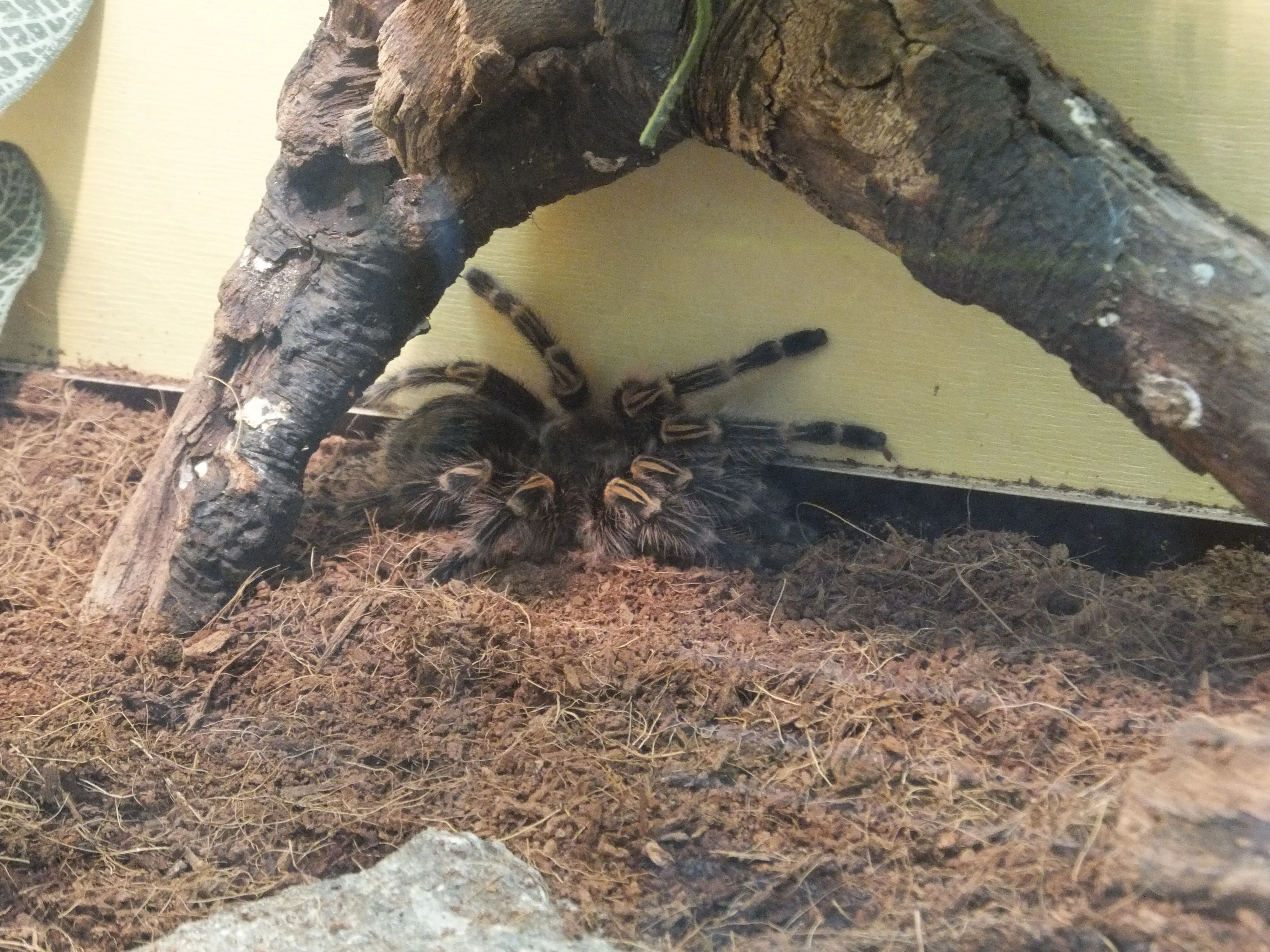
What Makes a Tarantula a Good Pet
Tarantulas, with their impressive size and unique appearance, have become increasingly popular pets. However, not all tarantulas are created equal when it comes to suitability as pets. Several factors contribute to a tarantula’s appeal, including temperament, ease of care, and lifespan. Choosing the right species is crucial for both the tarantula’s well-being and the owner’s enjoyment. Some tarantulas are known for their docile nature, making them relatively easy to handle and observe, while others are more defensive and require a more experienced keeper. Consideration of these factors is vital for a rewarding experience of keeping tarantulas as pets.
Temperament and Handling
Temperament is a key factor in determining a tarantula’s suitability as a pet. Some species are known for their calm demeanor and are less likely to bite or display defensive behaviors like kicking urticating hairs. Handling tarantulas should always be done with caution and respect. It’s essential to research the specific species’ temperament before attempting to handle them, as some may be more prone to biting or fleeing. Additionally, it’s important to handle tarantulas close to the ground or a soft surface to minimize the risk of injury if they fall. Always wash your hands before and after handling your tarantula to prevent contamination and ensure the spider’s health.
Beginner-Friendly Species

For those new to tarantula ownership, selecting a beginner-friendly species is highly recommended. These tarantulas typically have a docile temperament, are relatively easy to care for, and are more tolerant of beginner mistakes. These tarantulas often require less specialized care, making them ideal for individuals with less experience. Species like the Chilean Rose Hair are known for their gentle nature and are well-suited for novice keepers. Researching and selecting a species with a reputation for being beginner-friendly can greatly increase the chances of a positive and rewarding experience with these fascinating creatures.
Fast Growing and Hardy Tarantulas
Fast-growing and hardy tarantulas are often preferred by keepers due to their ability to quickly reach maturity and their resilience to environmental changes. These tarantulas generally reach their adult size within a few years, providing a more immediate and engaging experience for the owner. Their hardiness also means they are less susceptible to health issues and can better withstand fluctuations in humidity or temperature. Species like the Curly Hair Tarantula are known for their fast growth rate and overall hardiness, making them a popular choice for those seeking an active and robust pet. Careful research will help identify species that meet these criteria.
Top 7 Tarantulas for Pets
1. The Chilean Rose Hair Tarantula

Appearance and Characteristics
The Chilean Rose Hair Tarantula (Grammostola rosea) is a classic choice for beginners. It’s known for its relatively docile temperament and distinctive appearance. These tarantulas typically have a brown body with reddish hairs. They are relatively slow-moving and rarely bite unless provoked. Their lifespan can be quite long, with females living for over 20 years. The Chilean Rose Hair is generally considered one of the most gentle tarantulas, making them an excellent choice for those new to the hobby. Their ease of care and striking appearance contribute to their enduring popularity among tarantula enthusiasts.
Care Requirements
Caring for a Chilean Rose Hair Tarantula is straightforward. They thrive in a terrarium with a substrate of coco coir or peat moss, which helps maintain humidity. They require a shallow water dish for drinking and should be fed insects like crickets or mealworms once or twice a week. The temperature should be kept between 70-80°F. Handling should be kept to a minimum, but they are generally not aggressive. Regular substrate changes and careful observation of molting cycles are also essential for their well-being. Proper care ensures these tarantulas can thrive in captivity, offering their owners years of enjoyment.
2. The Pinktoe Tarantula

Appearance and Characteristics
The Pinktoe Tarantula (Avicularia avicularia) stands out with its vibrant coloration and arboreal lifestyle. These tarantulas are known for their pink toe pads and typically have a dark body with iridescent hairs. They are generally skittish and prefer to hide, but their appearance makes them a popular choice. Their arboreal nature means they require vertical space in their enclosure. The Pinktoe Tarantula adds a touch of vibrancy to any collection. Careful consideration of its specific needs is essential for providing a suitable habitat.
Care Requirements
Caring for a Pinktoe Tarantula involves providing a vertically oriented enclosure with plenty of climbing branches. High humidity is essential, so regular misting is necessary. A shallow water dish is also needed. Feeding should consist of insects, and they can be fed two or three times a week. Handling should be avoided due to their skittish nature. Careful management of their environment is vital for their health and happiness. Their unique requirements make them an interesting challenge for keepers with some experience.
3. The Mexican Red Knee Tarantula

Appearance and Characteristics
The Mexican Red Knee Tarantula (Brachypelma hamorii) is one of the most recognizable tarantulas. Its striking appearance, with black and orange banding on its legs, makes it a popular choice. They are generally docile and slow-moving. They are considered a good option for beginners. They are also known for their long lifespans, with females often living for 20-25 years. These tarantulas are beautiful and manageable pets. Their ease of care and stunning appearance solidify their position as favorites among enthusiasts.
Care Requirements
These tarantulas require a terrarium with a substrate of coco coir or peat moss. A shallow water dish and a hide, such as a piece of cork bark, are necessary. They thrive in temperatures between 70-80°F and prefer a dry environment. Feeding should consist of insects once or twice a week. Handling should be done with caution, as they can kick urticating hairs. Regular substrate changes and careful attention to their molting cycles are essential. By providing the appropriate habitat, these tarantulas can flourish, providing years of enjoyment to their keepers.
4. The Curly Hair Tarantula

Appearance and Characteristics
The Curly Hair Tarantula (Tliltocatl albopilosus) is known for its distinctive, curly hairs. They have a brown body with golden hairs. They are generally docile and make a good beginner tarantula. These tarantulas are relatively hardy and can tolerate some variations in temperature and humidity. Their gentle nature and distinctive appearance make them a popular choice for both new and experienced keepers. Their robust characteristics contribute to their appeal as captivating pets.
Care Requirements
Care for a Curly Hair Tarantula is similar to that of other terrestrial species. A terrarium with a coco coir or peat moss substrate, a shallow water dish, and a hide are essential. They should be fed insects once or twice a week, and they prefer temperatures between 70-80°F. Handling should be done cautiously, and you should watch out for urticating hairs. These tarantulas are easy to care for and thrive with minimal effort. The straightforward care requirements make them perfect pets for all experience levels.
5. The Brazilian Black Tarantula

Appearance and Characteristics
The Brazilian Black Tarantula (Grammostola pulchra) is a beautiful, solid black tarantula. They have a calm temperament, making them suitable for handling. They are known for their docile nature and ease of care. They also grow relatively large, making them an impressive pet. Their striking appearance and gentle temperament make them a good option for tarantula enthusiasts. Their overall manageability makes them a great choice for many.
Care Requirements
The Brazilian Black Tarantula has straightforward care requirements. A terrestrial setup with a substrate of coco coir, a shallow water dish, and a hide is necessary. They do well in temperatures between 70-80°F and prefer a dry environment. Feed them insects once or twice a week. Though generally docile, handle them with care. Consistent care allows these beautiful spiders to thrive. By attending to their basic needs, keepers can provide an ideal habitat for these captivating creatures.
6. The Gooty Sapphire Ornamental

Appearance and Characteristics
The Gooty Sapphire Ornamental (Poecilotheria metallica) is a stunning arboreal tarantula known for its vibrant blue and yellow coloration. This species is more advanced due to its potent venom and defensive nature. These tarantulas require experienced keepers who are familiar with handling and providing a secure enclosure. They are fascinating to observe. These striking spiders capture the attention of anyone who sees them. Handling should be avoided to prevent injury to both the keeper and the spider.
Care Requirements
Caring for a Gooty Sapphire Ornamental involves providing a tall, well-ventilated enclosure with plenty of vertical space. Maintain high humidity with regular misting. Feed them insects and ensure a secure habitat. Due to its toxicity, handling is not recommended. Their care requires more experience. This species is best suited for experienced tarantula keepers. Their unique requirements make them a rewarding pet for those who can meet their needs.
7. The Cobalt Blue Tarantula
Appearance and Characteristics
The Cobalt Blue Tarantula (Cyriopagopus lividus) is known for its iridescent blue legs and overall striking appearance. These tarantulas are fast and defensive. This species is best suited for experienced keepers. Their vibrant color and speed make them an intriguing species to observe. This species is beautiful. However, its defensive nature demands careful handling and enclosure setup. Their unique characteristics make them a challenging but rewarding pet.
Care Requirements
Cobalt Blue Tarantulas require an enclosure with a deep substrate for burrowing and a hide. They need high humidity and a temperature between 75-85°F. They should be fed insects, and their venom makes handling ill-advised. Regular observation and appropriate care contribute to their health. These beautiful spiders are best suited for experienced keepers. Due to their specific needs and defensive nature, careful attention to detail is necessary for their well-being.
Tarantula Habitat and Care Essentials
Enclosure Size and Setup
The size of the enclosure is critical for a tarantula’s well-being. Terrestrial tarantulas require wider enclosures, while arboreal species need taller ones. The enclosure should be escape-proof and provide adequate ventilation. Substrate choice is also important; coco coir or peat moss are popular options. Proper setup is necessary for tarantula health and security. A suitable enclosure will provide a safe and comfortable environment. This crucial element promotes a healthy and stress-free life.
Substrate and Decor
Substrate provides the foundation for a tarantula’s habitat. Coco coir and peat moss are popular choices because they hold humidity well. Adding a hide, such as a piece of cork bark, provides a secure space. Decorations such as artificial plants or rocks enhance the enclosure. Appropriate decor can mimic natural habitats. The correct setup benefits the tarantula. A well-designed enclosure also improves the aesthetic appeal. Providing a stimulating and appropriate environment contributes to the overall health of the tarantula.
Feeding and Watering
Feeding tarantulas typically involves offering insects like crickets, mealworms, or roaches. The frequency depends on the species and the tarantula’s size. A shallow water dish is essential for providing a constant water source. Overfeeding can lead to health problems. Adjust the feeding schedule based on the tarantula’s appetite. Keeping water clean and fresh is equally important. Providing food and water is critical for maintaining the health of your tarantula. The correct care routine will ensure that the tarantula will live a long and healthy life.
Molting and Lifespan
Molting is a natural process where tarantulas shed their exoskeleton to grow. During molting, the tarantula is vulnerable, so it’s essential to avoid disturbing them. The lifespan of tarantulas varies by species and sex. Female tarantulas typically live longer than males. Understanding the molting process and lifespan is crucial for proper care. Providing a safe environment during molting is essential. Properly caring for your tarantula will help you enjoy your pet for many years.
Choosing the Right Tarantula
Choosing the right tarantula as a pet involves careful consideration of various factors, including temperament, care requirements, and your experience level. Researching different species is essential to understand their specific needs and behaviors. Starting with a beginner-friendly species is recommended if you are new to tarantula keeping. Consider the space you have available and your lifestyle when making your decision. Remember that you will be responsible for the tarantula’s welfare. The right choice will enhance your experience. By selecting a species that matches your needs, you can have a rewarding experience with these fascinating creatures.