Bird Eating Tarantula: The Ultimate How-To Guide
The Bird Eating Tarantula, scientifically known as Theraphosa blondi, is one of the largest spider species in the world, captivating enthusiasts with its impressive size and unique characteristics. Owning one of these magnificent creatures requires a thorough understanding of their specific needs. This comprehensive guide will provide you with all the essential information you need to care for a Bird Eating Tarantula, from setting up their habitat to feeding and handling. By following these guidelines, you can ensure your tarantula thrives in a safe and enriching environment. Prepare to embark on a fascinating journey into the world of these incredible arachnids and learn how to provide the best possible care for your Bird Eating Tarantula.
Understanding Bird Eating Tarantulas
Bird Eating Tarantula Basics

Bird Eating Tarantulas are native to the rainforests of South America, specifically found in countries like Guyana, Suriname, and French Guiana. These spiders are terrestrial, meaning they live on the ground, and are known for their large size, with leg spans that can reach up to 12 inches or more. Despite their name, their diet primarily consists of insects, although they may occasionally consume small vertebrates. They are a popular choice among experienced tarantula keepers due to their impressive size and relatively docile temperament, but their care requires careful attention to detail.
Bird Eating Tarantula Appearance
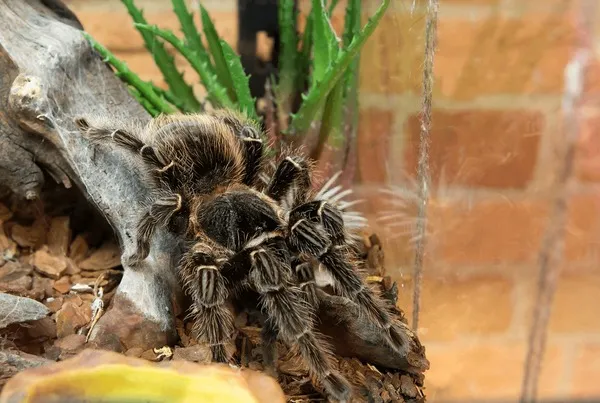
The Bird Eating Tarantula is a sight to behold, with its massive size and distinct appearance. They typically have a dark brown to reddish-brown coloration, with dense hairs covering their body and legs. These hairs, known as urticating hairs, can cause irritation if they come into contact with human skin. Their chelicerae, or fangs, are quite large and are used for injecting venom into their prey. The overall impression is one of a powerful and impressive creature, a true giant among spiders. Proper identification is crucial, as other similar species exist, and ensuring you have a Theraphosa blondi is the first step in providing appropriate care. (Image bird-eating-tarantula-overview.webp)
Bird Eating Tarantula Lifespan and Behavior
Bird Eating Tarantulas have a relatively long lifespan, with females often living for 15 to 25 years, while males typically live for a shorter period, around 3 to 5 years. They are generally nocturnal creatures, spending most of the day hiding in burrows or under cover. Their behavior is usually calm, but they can become defensive if they feel threatened. They may flick urticating hairs as a defense mechanism or display a threat posture. Observing their behavior is important for understanding their needs and ensuring their well-being. Providing an enriching environment with ample hiding places helps reduce stress and promotes natural behaviors.
Creating the Perfect Habitat

Choosing the Right Enclosure
Selecting the correct enclosure is crucial for the health and happiness of your Bird Eating Tarantula. The enclosure should be appropriately sized to accommodate their large size and provide ample space for movement. It should also be escape-proof and offer a secure environment. The enclosure should be well-ventilated to prevent the buildup of humidity and mold. The type of enclosure can vary, but a clear, secure container allows for easy observation and maintenance. Consideration of the material and size are essential factors when setting up the perfect home for your tarantula. (Image bird-eating-tarantula-enclosure.webp)
Enclosure Size and Material
For an adult Bird Eating Tarantula, a terrarium that is at least 24x18x18 inches (length x width x height) is recommended, though larger is always preferable. The enclosure should be made of a durable material like glass or acrylic, with a secure lid to prevent escapes. Ensure the lid has adequate ventilation, such as small air holes or a mesh top. Avoid using materials that are easily chewed or damaged by the tarantula. The enclosure’s design should also facilitate easy cleaning and maintenance. The size of the enclosure significantly affects the tarantula’s comfort, allowing for movement and minimizing stress.
Substrate and Decoration

The substrate is the bedding material that covers the bottom of the enclosure. A good substrate for a Bird Eating Tarantula should retain moisture, allow for burrowing, and be non-toxic. A mixture of coconut fiber, peat moss, and a small amount of sphagnum moss is ideal. This mixture provides excellent moisture retention and allows the tarantula to create a burrow if it chooses. Decorations, such as cork bark, driftwood, and artificial plants, provide hiding places and enrich the environment. These elements should be placed strategically to give the tarantula various options for shelter. Proper substrate and decoration enhance the tarantula’s well-being and create a more natural habitat. (Image bird-eating-tarantula-substrate.webp)
Temperature and Humidity Control
Maintaining the correct temperature and humidity levels is vital for the health of your Bird Eating Tarantula. These conditions mimic their natural rainforest habitat. Temperature and humidity are interconnected and must be carefully managed to prevent dehydration and promote healthy molting. A thermometer and hygrometer are essential tools for monitoring these parameters. Proper temperature and humidity control ensures the tarantula’s comfort and overall health.
Heating Options
Bird Eating Tarantulas thrive in temperatures between 75-85°F (24-29°C). The enclosure can be heated using a heat mat placed on the side or back of the enclosure, or by using a ceramic heat emitter. Avoid using heat lamps, as they can dry out the enclosure and pose a burn risk. Place the heat source on one side of the enclosure to create a thermal gradient, allowing the tarantula to choose its preferred temperature. Ensure the heat source is regulated by a thermostat to prevent overheating. Regularly monitor the temperature using a thermometer to ensure it remains within the acceptable range.
Humidity Management

Humidity levels should be maintained between 70-80% for Bird Eating Tarantulas. This can be achieved by misting the enclosure with dechlorinated water every few days, depending on the ventilation and substrate type. Regularly monitor the humidity using a hygrometer. Proper ventilation is also important to prevent mold growth. The substrate should be slightly damp but not waterlogged. Avoid spraying the tarantula directly, and ensure that a shallow water dish is always available for drinking. Humidity control is essential for successful molting and overall health.
Feeding Your Bird Eating Tarantula
Dietary Needs
Bird Eating Tarantulas are primarily insectivores, feeding mainly on insects. They have a voracious appetite and will readily consume a variety of prey items. It is important to offer a diverse diet to ensure they receive all the necessary nutrients. A balanced diet contributes to their overall health and promotes successful molting. Appropriate prey selection and size are critical factors in their dietary needs. (Image bird-eating-tarantula-feeding.webp)
Types of Food

Suitable food items for Bird Eating Tarantulas include crickets, mealworms, roaches, and locusts. Ensure that the prey is gut-loaded, meaning they are fed nutritious food before being offered to the tarantula. This increases the nutritional value of the meal. Avoid feeding them wild-caught insects, as they may carry parasites or pesticides. Variety is essential to ensure a well-rounded diet. Occasionally, you can offer small vertebrates, such as pinky mice, but this should be done sparingly, as they are high in fat.
Feeding Frequency
Feeding frequency depends on the tarantula’s age and size. Spiderlings and juveniles should be fed 2-3 times per week, while adults can be fed once a week or every other week. Adjust the feeding schedule based on the tarantula’s appetite and body condition. Overfeeding can lead to obesity and health problems. Remove any uneaten prey within 24 hours to prevent stress and potential harm to the tarantula. Observe the tarantula’s abdomen; a plump abdomen indicates a well-fed tarantula.
Water and Hydration
Providing fresh water is essential for a Bird Eating Tarantula’s hydration and overall well-being. They require a constant supply of clean water for drinking and maintaining humidity levels. Clean water is critical for tarantula health and influences their ability to thrive. Ensuring access to clean water is a simple yet vital aspect of their care.
Watering Techniques

Provide a shallow water dish that is easily accessible. Ensure the water dish is stable and not easily tipped over. Change the water regularly to prevent bacterial growth. You can also mist the enclosure lightly with dechlorinated water to maintain humidity and provide an additional source of water. Avoid spraying water directly onto the tarantula, as this can stress them. Regularly checking and refilling the water dish ensures your tarantula stays hydrated.
Handling and Safety
Handling a Bird Eating Tarantula should be approached with caution and respect. While they are generally docile, they can bite if they feel threatened, and their urticating hairs can cause significant irritation. Always prioritize your safety and the tarantula’s well-being. Understanding handling practices and the associated risks is paramount. (Image bird-eating-tarantula-handling.webp)
Safe Handling Practices
If you choose to handle your tarantula, do so with extreme care. Handle them close to the ground, in case of a fall. Wash your hands thoroughly before and after handling to avoid contamination. Avoid sudden movements, as they can startle the tarantula. Observe the tarantula’s behavior and body language; if it displays a defensive posture, it is best to leave it alone. Never force handling or grab the tarantula. Remember to handle your tarantula only when necessary and always prioritize its safety and well-being.
Identifying Potential Risks
Be aware of the potential risks associated with handling. The bite of a Bird Eating Tarantula can be painful but is rarely life-threatening. The urticating hairs can cause skin irritation, itching, and, in some cases, respiratory problems. Always keep children and pets away from the tarantula’s enclosure. Wear gloves and eye protection when cleaning the enclosure or handling the tarantula to protect yourself from the urticating hairs. Being aware of these risks can help prevent health problems and injuries.
Health and Common Issues
Like all living creatures, Bird Eating Tarantulas can experience health problems. Recognizing the signs of illness and knowing how to provide preventative care are essential components of responsible tarantula ownership. Regular observation and quick responses to any health concerns are key to maintaining your pet’s health and longevity.
Recognizing Signs of Illness
Look out for signs of illness, such as loss of appetite, lethargy, unusual behavior, or changes in appearance. Other signs include tremors, uncoordinated movement, or discoloration of the abdomen or legs. If you notice any of these signs, consult a veterinarian who specializes in exotic animals or a knowledgeable tarantula breeder. Early detection and treatment of illnesses can significantly improve the tarantula’s chances of recovery. Prompt action and professional advice are crucial in addressing any health concerns.
Preventative Care
Preventative care includes providing a proper diet, maintaining the correct temperature and humidity, and keeping the enclosure clean. Regularly inspect the enclosure for any signs of mold or pests. Ensure that the tarantula has access to fresh water at all times. Quarantine new tarantulas for a few weeks before introducing them to existing ones, to prevent the spread of diseases. Following these preventive measures helps maintain a healthy environment, reducing the risk of illness and disease.
Molting Process
Molting is a natural process where tarantulas shed their exoskeleton to grow. The molting process is crucial for their growth and development, however, it can be a vulnerable time for them. Understanding the process and providing the correct environment is key to ensuring they molt successfully. Properly caring for your tarantula during molting can significantly improve their survival.
What to Expect During Molting
Before molting, the tarantula may become less active and may refuse to eat. The abdomen may appear darker and swollen. It will typically flip onto its back during the molting process. This process can take several hours. Do not disturb the tarantula during molting. Once the molt is complete, the tarantula will be soft and vulnerable, and its new exoskeleton will harden over the next few days. Patience and non-intervention are important during the molting process, as disturbing the tarantula can be dangerous.
Providing a Safe Molting Environment
Ensure the enclosure has a safe and undisturbed environment during the molting process. Maintain the correct temperature and humidity levels. Provide a shallow water dish. Avoid feeding the tarantula during the molting process. Do not attempt to assist the tarantula with molting, as this can cause injury. After molting, wait a few days before offering food, as the tarantula’s fangs need time to harden. Providing the ideal environment guarantees the tarantula’s successful molt. (Image bird-eating-tarantula-molting.webp)
Breeding and Reproduction
Breeding Bird Eating Tarantulas can be a rewarding but complex undertaking. It requires experience and understanding of the tarantula’s life cycle and specific needs. Careful planning and execution are essential to ensure the welfare of the spiders. Before beginning the breeding process, understanding the species and their reproductive habits is important.
Sexing Your Tarantula
Identifying the sex of your tarantula is the first step in the breeding process. The easiest way to sex a tarantula is by examining the underside of the abdomen. In males, you will see a pair of modified appendages called “pedipalps” near their fangs. In females, there is a spermatheca, which stores sperm. Accurate sexing ensures that you have a male and a female if your goal is breeding. Understanding the differences allows you to distinguish the sexes, allowing for successful breeding. (Image bird-eating-tarantula-breeding.webp)
Breeding Considerations
Breeding Bird Eating Tarantulas involves careful planning and preparation. Both the male and female must be in good health and of the appropriate age. The female should be well-fed before breeding. The male should be introduced to the female’s enclosure, and the breeding process can begin. The female may become aggressive, and the male must be removed after mating to prevent being eaten. Spiderlings will emerge after several months. Breeding requires dedication, knowledge, and experience. Properly preparing for the breeding process can lead to a successful breeding and offspring.
Conclusion
Caring for a Bird Eating Tarantula is a rewarding experience for those passionate about exotic pets. This guide has provided you with the essential knowledge to create a safe, comfortable, and enriching environment for your tarantula. Remember to research thoroughly, observe your tarantula’s behavior, and provide the best possible care based on its individual needs. With patience, dedication, and the information provided, you can enjoy the fascinating world of the Bird Eating Tarantula for years to come.