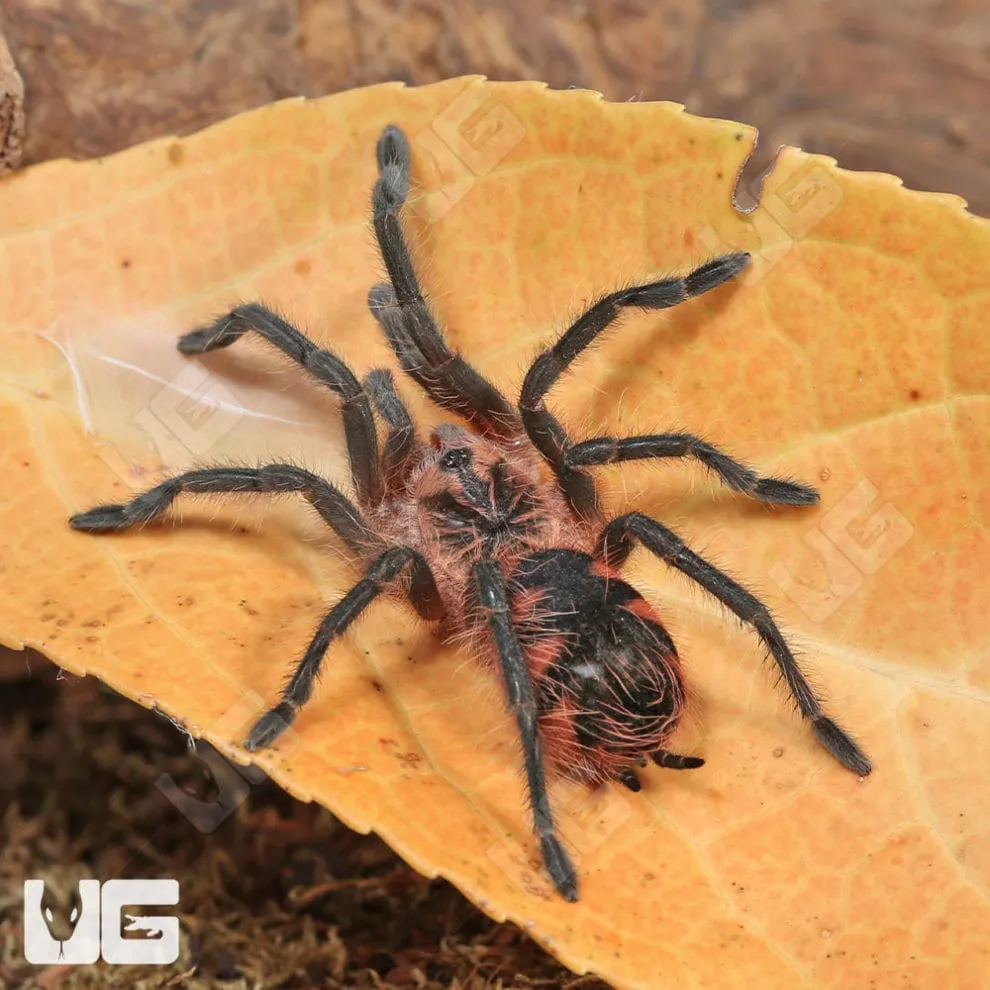
Birdeater Tarantula Breeding [Top 5 Tips]
Breeding birdeater tarantulas, magnificent giants of the arachnid world, can be a rewarding experience for dedicated hobbyists. These impressive creatures, known for their size and striking appearance, require careful planning and execution to ensure successful reproduction. Breeding these tarantulas involves understanding their specific needs, from selecting the right breeding stock to providing the ideal environment and caring for the offspring. This guide provides essential insights into the process, helping you navigate the complexities of birdeater tarantula breeding and increase your chances of success. Breeding birdeater tarantulas requires patience, observation, and a thorough understanding of their needs.
Selecting Breeding Stock
The foundation of any successful breeding endeavor lies in the quality of the breeding stock. This means carefully choosing healthy, mature individuals of both sexes. Selecting the right tarantulas is the first and arguably most important step. The selection of a healthy breeding pair sets the stage for success. Look for vibrant, well-fed tarantulas free from any signs of illness or injury. A healthy female tarantula is crucial for producing viable eggs, while a mature male is necessary for fertilization. The age and condition of the tarantulas will significantly impact the outcome of your breeding efforts, so take your time to choose wisely. Avoid tarantulas with any physical deformities.
Healthy Females

A healthy female birdeater tarantula is the cornerstone of successful breeding. She should be of breeding age, which can vary slightly depending on the species, but generally falls within the range of 3 to 5 years old. The female should have a good appetite, be well-fed, and show no signs of illness or injury. It’s beneficial to observe her molting cycle, as a healthy female typically molts regularly. A well-fed female is more likely to produce a large, healthy egg sac. Look for a plump abdomen, indicating she’s been eating well and has the resources to produce eggs. A female that is not in good health may not produce a viable egg sac or may not be receptive to the male.
Mature Males
Identifying a mature male birdeater tarantula is crucial. Males undergo a final molt where they develop the necessary structures for reproduction, including tibial hooks on their front legs and palpal bulbs at the ends of their pedipalps. These features are indicators of maturity and readiness to breed. The male must be mature enough to successfully transfer sperm to the female. The male’s appearance changes during his final molt; he may become darker or lose some of the vibrant colors seen in younger males. Ensure the male has gone through his final molt, as this indicates he is capable of mating. This ensures the male can successfully mate and fertilize the female’s eggs.
Creating the Ideal Environment
Creating the correct environment is vital for successful breeding. Birdeater tarantulas, like all tarantulas, have specific environmental requirements that must be met to encourage mating and ensure the health of both the adults and the offspring. The environment should mimic their natural habitat as closely as possible, providing the appropriate temperature, humidity, and housing conditions. Proper environmental conditions are not only essential for the mating process but also for the overall health and well-being of the tarantulas. This involves precise control over temperature and humidity levels, as well as providing a suitable enclosure that meets their needs. A well-designed environment will minimize stress and maximize the chances of successful breeding. Failure to provide the right environment can lead to stress, poor health, and a failure to mate.
Temperature and Humidity

Temperature and humidity are key factors in creating a suitable environment. Birdeater tarantulas thrive in a warm and humid environment, much like their native tropical habitats. Maintaining a temperature between 75-85°F (24-29°C) is generally recommended. Humidity levels should be kept relatively high, often between 70-80%. Using a hygrometer to monitor humidity levels is essential. Use a heat source, like a ceramic heat emitter, to maintain the correct temperature. Regular misting of the enclosure with dechlorinated water helps to maintain humidity. Proper temperature and humidity levels not only encourage mating but also support the overall health of the tarantulas and their offspring.
Providing Proper Housing
The enclosure should be large enough to accommodate the size of the tarantula and should provide a safe, secure environment. It should provide adequate space for the tarantulas and be escape-proof. A substrate of peat moss, coconut fiber, or a similar material helps to maintain humidity and provides a burrowing environment. Include a water dish and plenty of hiding places, such as cork bark or artificial plants, to reduce stress. A well-designed enclosure will minimize stress and provide a comfortable environment for mating. Ensure the enclosure is well-ventilated to prevent mold and maintain air quality. The size of the enclosure will also depend on the species of birdeater tarantula being bred.
Mating Process
The mating process in birdeater tarantulas is a fascinating spectacle, often involving careful introduction and observation. This is a critical stage that determines whether breeding is successful. The introduction of the male to the female should be done carefully to minimize the risk of the female attacking the male. Observe the behavior of both tarantulas closely during this process. The key is to ensure the safety of both the male and the female and to provide an environment that encourages successful mating. The process can be complex and may require multiple attempts. Keep a close eye on the tarantulas during the mating process to ensure their safety and to observe their behavior.
Introducing the Tarantulas

Carefully introduce the male to the female’s enclosure. The best practice is to introduce the male to the female’s enclosure when she is well-fed, as this reduces the chances of her viewing him as prey. Always supervise the introduction. Use a long pair of tongs to gently guide the male into the female’s enclosure. Observe their initial interactions carefully. If the female is receptive, she will typically allow the male to approach. Be prepared to separate them immediately if the female shows signs of aggression. The goal is to encourage a successful mating attempt while minimizing risk.
Observing the Mating Ritual
The mating ritual can vary among species, but it typically involves the male drumming his pedipalps on the ground or the female’s web, followed by the male approaching the female cautiously. The male will then insert his palpal bulbs into the female’s epigastric furrow to deposit sperm. Monitor for signs of receptiveness from the female and be ready to intervene if she becomes aggressive. After mating, it is essential to separate the male immediately to prevent him from being attacked. The process may take a few minutes or a few hours, so patience and observation are key. The more you know about their behavior, the better you can facilitate a successful breeding outcome.
Post-Mating Care
After the mating process, the female’s care becomes even more important. She will now focus on producing and caring for her egg sac. Ensure she has a constant supply of food and water. It’s crucial to provide the female with a stable and stress-free environment. Her health and well-being directly impact the success of the breeding process. The post-mating care of the female is critical to the successful development of the eggs. Once the mating is complete, focus shifts to supporting the female through egg production and beyond. Providing adequate nutrition and a secure environment helps the female to produce a healthy egg sac.
Caring for the Eggsac

The female will typically create an egg sac, which she will protect diligently. The gestation period varies depending on the species and environmental conditions, but it can range from a few weeks to several months. Observe the female’s behavior and the egg sac regularly. The female will guard the eggs sac. If the female is not properly caring for the egg sac, or if you choose to remove it, you may need to incubate it artificially. Providing a stable environment is crucial for the development of the eggs. Monitor the egg sac for signs of mold or other problems and take appropriate action if needed. Consider the female’s behavior and the condition of the egg sac when making decisions.
Raising Spiderlings
Once the spiderlings hatch, you must prepare for their care. The spiderlings are tiny and vulnerable and need special attention to ensure their survival. Setting up an environment designed for spiderlings is the next critical step. From their initial setup to feeding, every aspect of their care is important. Be ready to provide the proper care to the spiderlings. The care of spiderlings requires diligence and a commitment to meet their unique needs. The success of this phase depends heavily on the preparedness of the breeder and the creation of a favorable environment.
Initial Setup for Spiderlings
Spiderlings require a safe and secure environment. Prepare small containers with a suitable substrate, such as damp paper towels or a shallow layer of coconut fiber. Make sure the containers are escape-proof and have ventilation. Provide a small water source, such as a bottle cap with water or a cotton ball. Keeping their enclosures clean is very important. These containers should be small enough that the spiderlings can find their food easily. The initial setup should prioritize the spiderlings’ safety and ease of access to food and water. This will help them to thrive during their early stages.
Feeding and Growth

Spiderlings have high metabolic rates and require frequent feeding. Feed them small, appropriately sized prey items, such as fruit flies or pinhead crickets, 2-3 times per week. Offer small insects, ensuring that the prey is not larger than the spiderling itself. Remove any uneaten prey to prevent it from harming the spiderlings. Monitor the spiderlings’ growth and molting. Spiderlings should be fed regularly to support their rapid growth. Provide a varied diet to ensure they receive all necessary nutrients. The frequency of feeding depends on the size and age of the spiderlings and the type of food given. As they grow, you will adjust the size of their prey.
Troubleshooting Breeding Issues
Breeding birdeater tarantulas can sometimes present challenges. It is important to be aware of the potential problems that may arise during the breeding process. Understanding the potential issues will help you be prepared. Knowing how to address these problems can significantly improve the chances of a successful outcome. Troubleshooting breeding issues involves identifying potential problems and implementing appropriate solutions. This requires careful observation and a willingness to adapt your approach as needed. Being proactive and vigilant can help minimize problems and maximize success.
Addressing Common Problems
Some common problems include a female tarantula rejecting the male, a failure to produce an egg sac, or the loss of the egg sac. If the female rejects the male, try again later, or consider using a different male. If the female does not produce an egg sac, review environmental conditions and the female’s health. If the female drops her egg sac, you might try to incubate the egg sac yourself, but this can be a difficult task. Monitor the female’s behavior. Many issues can be avoided by carefully preparing and monitoring the entire breeding process. Taking the time to address and resolve any potential issues will lead to better breeding results and a better understanding of birdeater tarantulas.