Understanding the Blue Velvet Pink Toe Tarantula
The Blue Velvet Pink Toe Tarantula, scientifically known as Avicularia versicolor, is a beautiful and relatively docile species, making it a popular choice for tarantula enthusiasts. Their striking coloration, combined with their manageable size and arboreal lifestyle, contributes to their appeal. However, successful care requires understanding their specific needs and providing an appropriate environment. This guide will provide comprehensive information on how to care for these fascinating creatures, covering everything from habitat setup to feeding and health.
Appearance and Characteristics
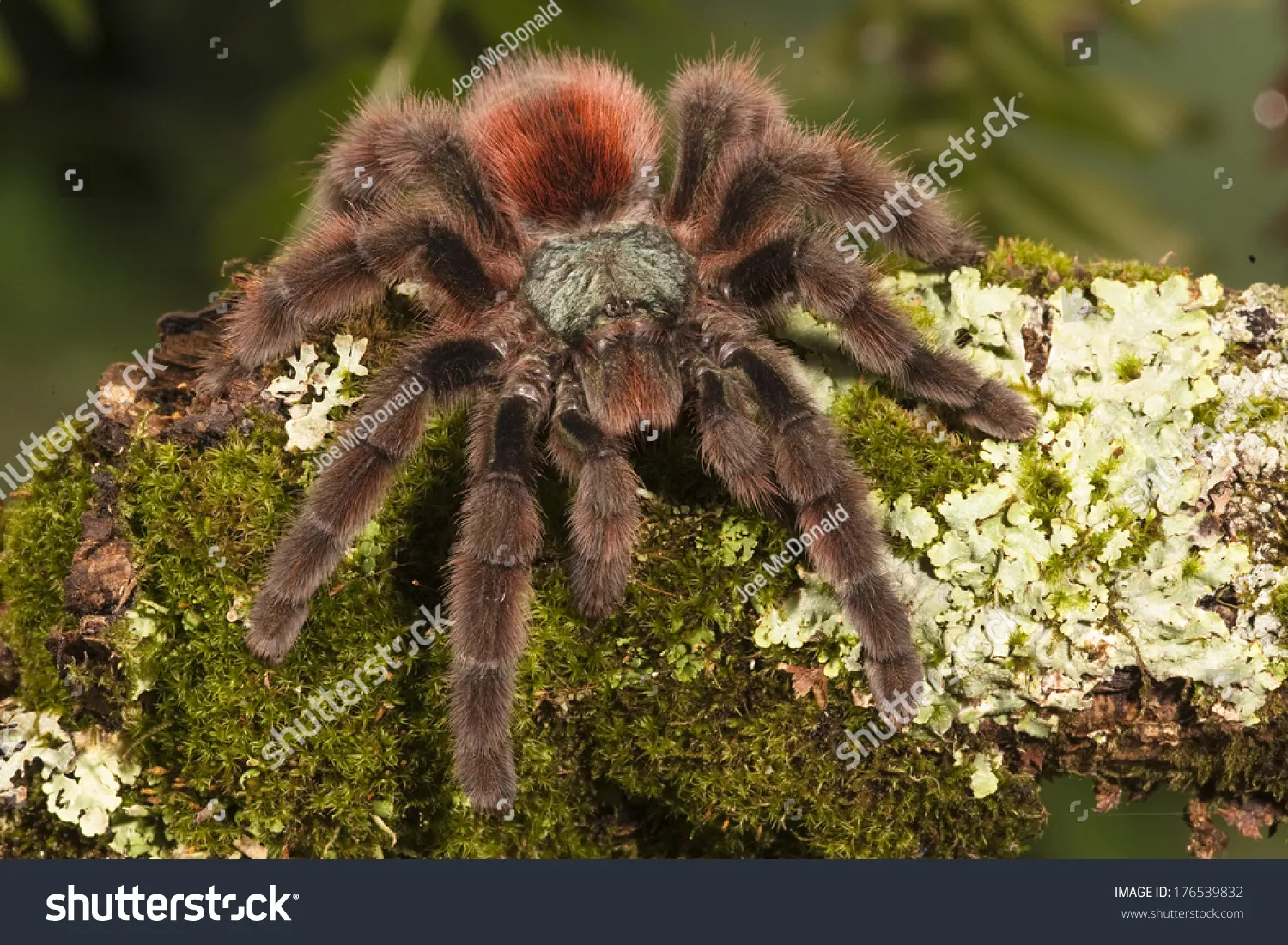
The Blue Velvet Pink Toe Tarantula is renowned for its vibrant colors. Spiderlings typically exhibit a metallic blue hue, which gradually transforms as they mature. Adult females display a stunning mix of blue, green, and sometimes pink tones on their carapace and legs. Their namesake, the pink tips on their feet, are also a distinctive feature. These tarantulas are relatively small, with females reaching a leg span of about 5 to 6 inches. Males are generally smaller and may have a less vibrant color display. Their arboreal nature means they are well-adapted for climbing and often build webs.
Habitat and Natural Behavior

In their natural habitat, Blue Velvet Pink Toe Tarantulas are found in the rainforests of the Caribbean islands, including Martinique and Guadeloupe. They are arboreal, meaning they live in trees, building silken nests in the branches. They are primarily nocturnal hunters, ambushing insects and other small prey. Understanding their natural behavior is crucial for replicating their needs in captivity. They are generally shy spiders that prefer to hide, so providing ample hiding places is essential. They are also known to be relatively fast, so care should be taken when handling them to avoid escapes.
Setting Up the Perfect Habitat
Creating a suitable habitat is crucial for the health and well-being of your Blue Velvet Pink Toe Tarantula. The enclosure should mimic their natural environment as closely as possible, providing them with a sense of security and the necessary conditions for thriving. The size of the enclosure, the substrate used, the temperature and humidity levels, and the presence of appropriate décor all contribute to their overall health and happiness. A well-designed habitat will make the tarantula feel safe and less stressed.
Enclosure Requirements
For adult Blue Velvet Pink Toe Tarantulas, a tall, well-ventilated enclosure of approximately 12x12x18 inches or larger is recommended. Since they are arboreal, the height is more important than the width. The enclosure should be made of clear plastic or glass, allowing for easy observation. Ensure the enclosure has secure ventilation to prevent excessive humidity and mold growth, but also prevent the tarantula from escaping. A secure lid is essential, as these tarantulas can be surprisingly fast and agile. A front-opening enclosure can be easier to manage, making it easier to feed and clean.
Substrate and Decor

The substrate should be several inches deep to allow the tarantula to burrow if it chooses. A mix of coco fiber, peat moss, and a small amount of vermiculite or sphagnum moss is ideal, as it retains moisture while allowing for proper drainage. Decorate the enclosure with cork bark, branches, and artificial or live plants to provide climbing opportunities and hiding places. The tarantula will often construct webs in these areas, creating a more natural and visually appealing environment. Ensure all decorations are securely placed to prevent them from falling and potentially harming the tarantula.
Temperature and Humidity
Maintain a temperature range of 75-85°F (24-29°C) in the enclosure. A heat lamp or a heat mat placed on the side of the enclosure can help maintain this temperature. Humidity levels should be kept between 70-80%. This can be achieved by misting the enclosure with dechlorinated water a few times a week, depending on the ventilation and substrate type. A hygrometer is a useful tool for monitoring humidity levels. Good ventilation is essential to prevent mold growth, but avoid excessive airflow that can dry out the enclosure.
Feeding Your Blue Velvet Pink Toe Tarantula
Proper feeding is essential to the health and growth of your Blue Velvet Pink Toe Tarantula. They are opportunistic feeders and will readily consume a variety of insects. Providing a balanced diet ensures they receive the necessary nutrients to thrive and exhibit their vibrant colors. Overfeeding can be detrimental, so a careful feeding schedule is necessary. Fresh water must always be available for them to drink. Regular feeding is important, but it is also crucial to provide the right amount of food.
Diet and Feeding Frequency

The primary diet for Blue Velvet Pink Toe Tarantulas consists of insects. Crickets, roaches, mealworms, and waxworms are all suitable options. The size of the prey should be appropriate for the tarantula’s size; typically, the prey should be no larger than the tarantula’s abdomen. Spiderlings should be fed every other day, while adults can be fed once or twice a week. Remove any uneaten prey within 24 hours to prevent them from stressing or harming the tarantula. Varying the diet will also help ensure the tarantula receives a balanced intake of nutrients.
Water and Hydration
Fresh, clean water should always be available. Provide water in a shallow dish, such as a bottle cap or a small, low-profile water bowl. Ensure the water dish is shallow enough to prevent the tarantula from drowning. Regularly clean the water dish to prevent bacterial growth. Misting the enclosure also helps maintain humidity and provides the tarantula with an additional source of hydration. Observe your tarantula to ensure it is drinking regularly, especially after molting.
Health and Common Issues
Like any pet, Blue Velvet Pink Toe Tarantulas can experience health issues. Recognizing the signs of illness and taking prompt action is crucial to ensure their well-being. Regular observation of your tarantula’s behavior and appearance will help you identify any potential problems early. Providing a clean and appropriate environment, proper diet, and humidity will minimize the risk of illness. Learning about common health issues and how to address them is an important part of responsible tarantula care.
Recognizing Signs of Illness

Common signs of illness include lethargy, loss of appetite, unusual posture, or difficulty moving. If your tarantula stops eating, appears weak, or shows any unusual behavior, it could be a sign of illness. Other signs include a swollen abdomen, excessive twitching, or the presence of mites. Always consult with a veterinarian or experienced tarantula keeper if you notice any of these signs. Many issues are treatable with early intervention, but procrastination could lead to poor outcomes.
Molting and Growth
Molting is a natural process where tarantulas shed their exoskeleton to grow. During molting, the tarantula will typically stop eating and may retreat to a secure location. The tarantula will lay on its back during the molt process. Providing a moist environment during this time can help with the process. Never disturb the tarantula during molting. After molting, the tarantula will be vulnerable and will need time for its new exoskeleton to harden. Provide food within a week after molting. The frequency of molting decreases as the tarantula matures. It is a crucial part of their life cycle.
Handling and Safety Precautions
While Blue Velvet Pink Toe Tarantulas are generally considered docile, handling them should be approached with caution. Their speed and agility make them prone to escape, and their bite, while not typically life-threatening to humans, can be painful. Minimizing stress and adhering to safety measures will protect both the keeper and the tarantula. Creating a calm and safe environment is important during handling. Many keepers avoid handling completely to avoid stress to the tarantula and to protect themselves.
Gentle Handling Techniques

If you choose to handle your Blue Velvet Pink Toe Tarantula, do so with extreme care. Handling should be kept to a minimum, as it can be stressful for the tarantula. Handle the tarantula close to the ground or over a soft surface to prevent injury if it falls. Use a soft brush or a similar tool to gently coax the tarantula onto your hand. Avoid sudden movements or loud noises that could startle the tarantula. Always wash your hands before and after handling to prevent the transfer of oils or chemicals. Never grab or squeeze the tarantula.
Safety Measures for Owners
Educate yourself on the potential risks associated with keeping a tarantula. Bites can happen if the tarantula feels threatened. If bitten, wash the area thoroughly with soap and water. While the venom is not typically dangerous to humans, some individuals may experience an allergic reaction. Be aware of the tarantula’s behavior and body language, and do not attempt to handle it if it appears agitated or defensive. Always supervise children around the tarantula’s enclosure and make sure that it is in a secure location to prevent accidental escapes. Thorough research is always recommended.