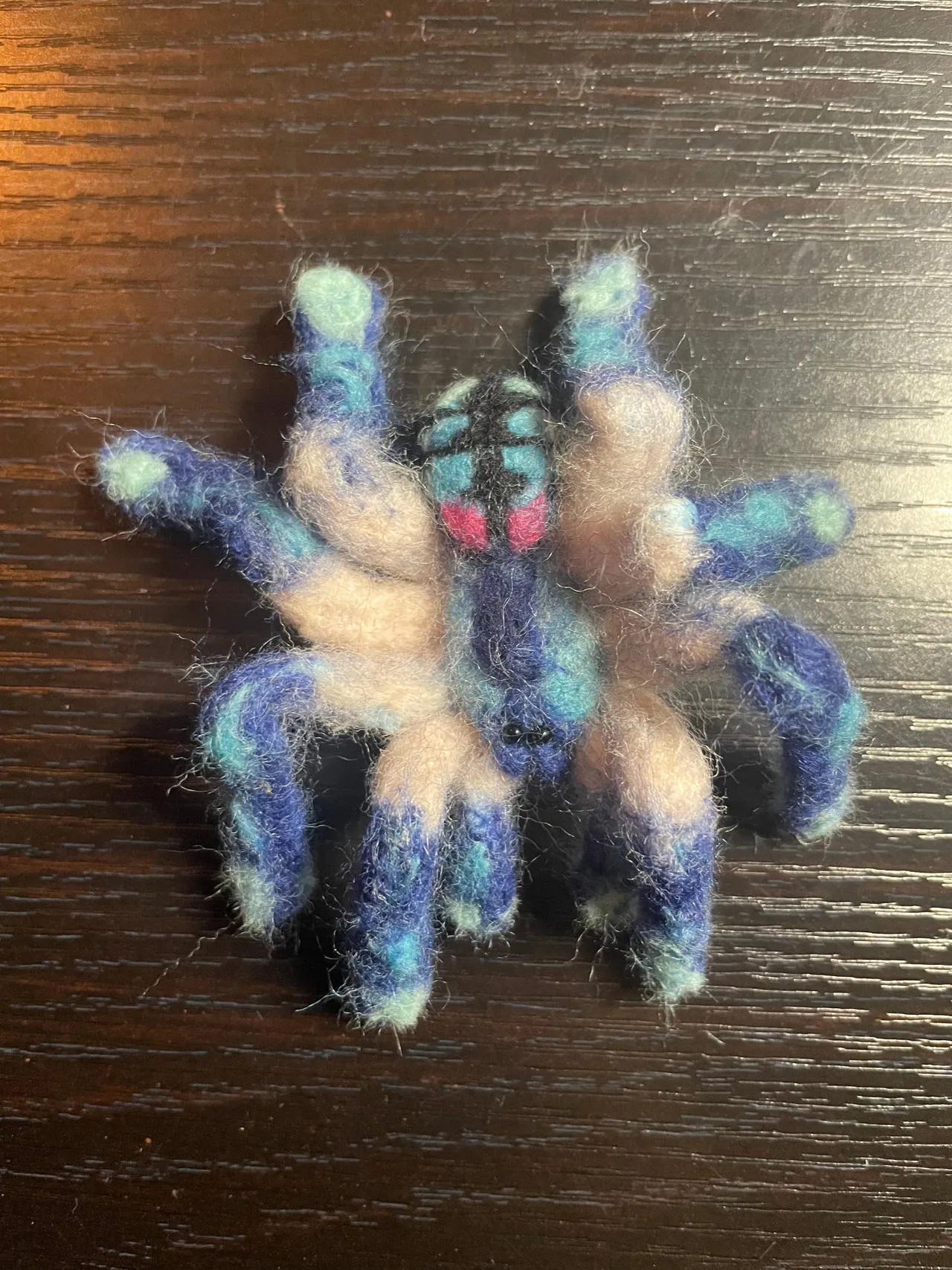
Brazilian Jewel Tarantula Care Tips
The Brazilian Jewel Tarantula, also known as Typhochlaena seladonia, is a stunning arboreal species, prized for its vibrant colors and relatively docile temperament. Owning one can be a rewarding experience, but it requires understanding their specific needs. This guide provides top 5 care tips for keeping your Brazilian Jewel Tarantula happy and healthy. From enclosure setup to feeding, these tips cover the essentials of successful tarantula keeping. Proper care not only ensures the well-being of your pet, but also allows you to enjoy the beauty of this fascinating creature.
Choosing the Right Enclosure
The enclosure is the foundation of your Brazilian Jewel Tarantula’s habitat. It needs to provide security, ventilation, and the right environmental conditions. Selecting the correct enclosure type and size is crucial for the tarantula’s well-being. Incorrect choices can lead to stress, difficulty in molting, and other health issues. This section delves into the specifics of enclosure requirements, ensuring your tarantula feels safe and thrives in its environment.
Enclosure Size and Type

For a juvenile Brazilian Jewel Tarantula, a small arboreal enclosure, such as a clear acrylic terrarium that measures approximately 8x8x12 inches (length x width x height), is suitable. As the tarantula grows, upgrade to a larger enclosure, about 12x12x18 inches for adults. Ensure the enclosure is well-ventilated with cross-ventilation to prevent stagnant air and mold growth. Secure lids are essential, as Brazilian Jewel Tarantulas are adept climbers and escape artists. The enclosure should provide enough space for climbing and webbing, as they are arboreal and enjoy creating elaborate webs.
Substrate Selection
Substrate is the flooring of your tarantula’s enclosure. The right substrate helps maintain humidity and provides a comfortable environment. A mixture of peat moss, vermiculite, and sphagnum moss is ideal. This combination retains moisture well, aids in burrowing (though not as crucial for this arboreal species), and provides a naturalistic look. The substrate depth should be sufficient to allow for moderate moisture retention without becoming waterlogged. Avoid substrates that are dusty or contain chemicals that could harm the tarantula. A depth of 2-3 inches is generally sufficient to achieve the desired humidity levels.
Maintaining Proper Humidity and Temperature
Brazilian Jewel Tarantulas thrive in specific humidity and temperature ranges. Maintaining the right conditions is crucial for their health, molting process, and overall well-being. Too much or too little humidity and the wrong temperatures can lead to serious health issues, including dehydration and molting problems. Careful monitoring and adjustments are key to providing an optimal living environment for your pet. This section discusses how to achieve and maintain ideal humidity and temperature levels within the enclosure.
Humidity Levels

Humidity is vital for the Brazilian Jewel Tarantula, particularly during molting. Aim for a humidity level between 70% and 80%. You can achieve this by misting the enclosure with dechlorinated water 2-3 times a week, depending on your local climate. Ensure that the substrate is moist but not waterlogged. Regular monitoring with a hygrometer is essential to maintain the appropriate humidity level. Good ventilation is also crucial to prevent mold and mildew growth while maintaining adequate humidity. Avoid spraying the tarantula directly, as this can stress it.
Temperature Requirements
Maintain a temperature range between 75°F and 80°F (24°C and 27°C). This range provides the optimal environment for the tarantula’s metabolic processes. A slightly higher temperature can be beneficial, but avoid overheating the enclosure. Supplemental heating, such as a low-wattage heat mat on the side of the enclosure, can be used, but monitor the temperature carefully. Never place the heat source directly under the enclosure, as this can lead to overheating and harm the tarantula. Ensure that there is a temperature gradient within the enclosure to allow the tarantula to regulate its body temperature.
Feeding Your Brazilian Jewel Tarantula
Proper feeding is essential for the growth and health of your Brazilian Jewel Tarantula. They are voracious eaters, but overfeeding can be just as harmful as underfeeding. Understanding the right food items and frequency is crucial for providing the necessary nutrients and avoiding potential issues. This section covers the aspects of feeding, from choosing the right prey to the appropriate feeding schedule.
Appropriate Food Items

The primary food source for Brazilian Jewel Tarantulas should be insects. Crickets, roaches (such as Dubia roaches), and mealworms are all suitable options. Varying the diet provides a wider range of nutrients. Ensure the insects are gut-loaded before feeding them to your tarantula. Gut-loading involves feeding the insects a nutritious diet (such as fruits, vegetables, and commercial insect food) to maximize their nutritional value. Avoid feeding wild-caught insects, as they may carry parasites or pesticides.
Feeding Frequency
The feeding frequency depends on the tarantula’s age and size. Spiderlings and juveniles should be fed two to three times a week. Adults can be fed once a week, or even less frequently. Always offer a size-appropriate meal, meaning the insect should not be larger than the tarantula’s body. Remove any uneaten prey within 24 hours to prevent stress to the tarantula and prevent the insects from bothering the tarantula during molting. Observe the tarantula’s abdomen; a slightly rounded abdomen indicates it is well-fed.
Watering Your Tarantula
Water is a critical component of the Brazilian Jewel Tarantula’s well-being. They require a constant supply of fresh water to stay hydrated. Ensuring access to water is just as essential as maintaining the right humidity levels. This section provides guidance on providing your tarantula with adequate water, covering the appropriate methods and considerations for a healthy pet.
Water Dish and Refills

Provide a shallow water dish in the enclosure. This dish should be small enough to prevent the tarantula from drowning, but large enough to allow easy access. Use a shallow, stable dish, such as a bottle cap or a commercially available water dish for reptiles. Refill the water dish with fresh, dechlorinated water every 1-2 days, or as needed. Regularly clean the water dish to prevent the growth of bacteria and algae. Always ensure the water is clean and fresh to avoid any potential health issues.
Important Considerations and Handling
While the Brazilian Jewel Tarantula is relatively docile, caution and respect are paramount when interacting with it. Learning how to handle it safely and recognizing stress signs are essential for both the safety of the tarantula and the handler. This section addresses safety measures and behaviors to watch out for, ensuring a safe and positive relationship with your pet.
Avoiding Bites
Bites from Brazilian Jewel Tarantulas are rare, but it is important to exercise caution. Avoid handling your tarantula unless absolutely necessary, such as for enclosure maintenance or health checks. When handling, do so gently and slowly, and avoid sudden movements. Always supervise children around the tarantula. Wash your hands thoroughly before and after handling the tarantula or any items in its enclosure. If bitten, clean the area with soap and water, and monitor for any allergic reactions or signs of infection.
Recognizing Signs of Stress

Understanding the signs of stress in a Brazilian Jewel Tarantula is crucial for ensuring its well-being. Signs of stress include loss of appetite, excessive hiding, flicking of the legs, and a defensive posture. If your tarantula exhibits these behaviors, assess the enclosure for environmental issues (temperature, humidity) and make adjustments. Provide plenty of hiding places within the enclosure to reduce stress. Avoid unnecessary disturbances and handling during molting, as this is a particularly vulnerable time. Observe the tarantula regularly, and consult with an experienced keeper or veterinarian if you notice prolonged signs of stress.
Conclusion
Caring for a Brazilian Jewel Tarantula is a rewarding experience. By following these top 5 care tips, you can create an environment where your pet thrives. Remember that consistency and careful observation are key to the tarantula’s health and happiness. Regular monitoring of environmental conditions, proper feeding, and responsible handling will allow you to enjoy the beauty and fascinating behavior of your Brazilian Jewel Tarantula for years to come. Enjoy the journey of tarantula keeping and appreciate the unique character of this stunning species.