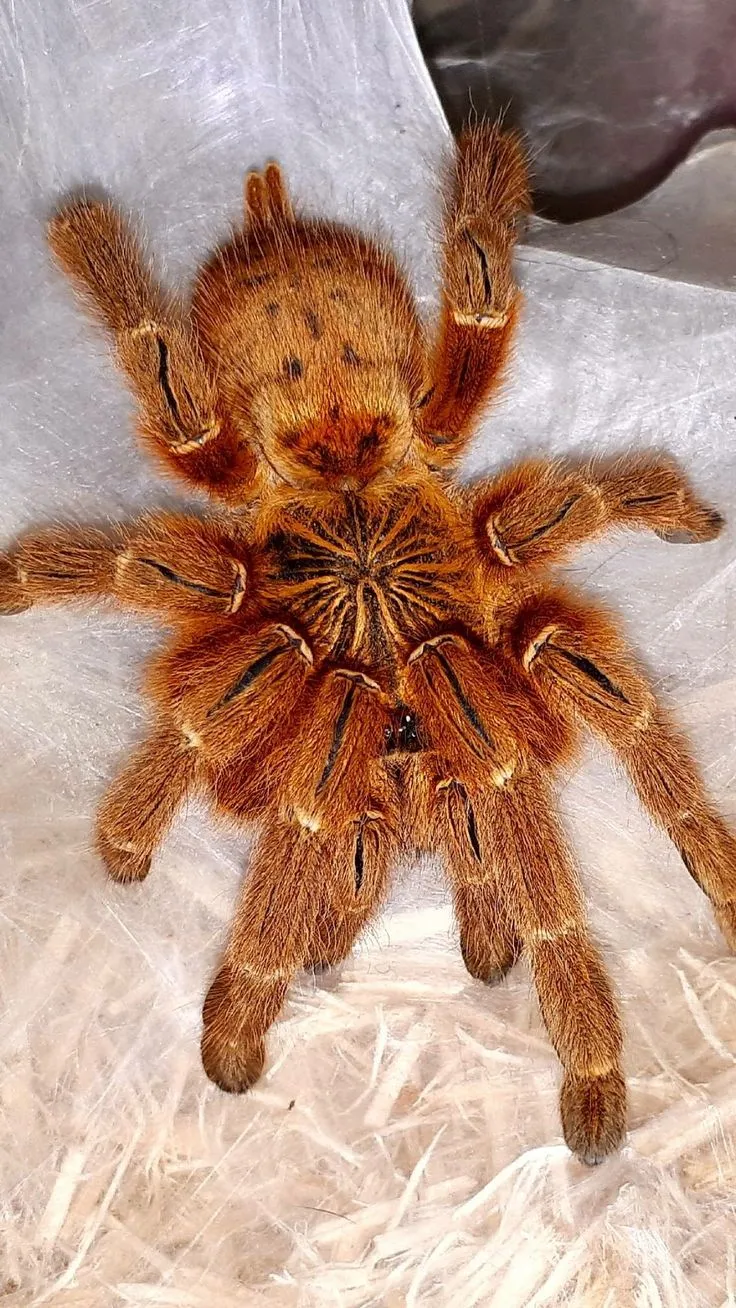
What is a Brown Tarantula?
The brown tarantula, a fascinating arachnid, captivates many with its unique appearance and intriguing behavior. These spiders belong to the Theraphosidae family, characterized by their large size, hairy bodies, and relatively docile nature compared to some other tarantula species. Native to various regions, including parts of North America, brown tarantulas make popular pets due to their relatively easy care requirements and the captivating experience of observing these creatures. Their lifespan, which can span several years, adds to their appeal for those seeking a long-term, low-maintenance companion. Understanding the brown tarantula’s characteristics is the first step in providing the right care.
Identifying a Baby Brown Tarantula
Identifying a baby brown tarantula involves recognizing specific physical traits that distinguish them from other spider species or even adult brown tarantulas. Baby brown tarantulas, or spiderlings, are significantly smaller than adults, often measuring just a few millimeters in body length when they hatch. Their coloration is also usually lighter or more muted than the vibrant hues that some adult tarantulas exhibit. The presence of distinct, often pale, leg banding and body markings can also help in identification. Observing these features, along with their small size and delicate appearance, will allow you to confidently identify a baby brown tarantula and begin proper care.
Appearance and Characteristics

Baby brown tarantulas are typically characterized by a soft exoskeleton and a less pronounced hair covering compared to adults. The hairs serve sensory functions, detecting vibrations and air movements. Their bodies are segmented, consisting of a cephalothorax (fused head and thorax) and an abdomen. As they grow, they will molt, shedding their exoskeletons to allow for growth, during which their appearance might change slightly. A baby brown tarantula often looks more delicate, and its movements are more cautious. The presence of prominent chelicerae (fangs) is another defining feature, which may be small at this stage, but still significant for capturing prey. Understanding these characteristics helps you monitor the tarantula’s health and development.
Habitat and Natural Environment
In the wild, brown tarantulas inhabit burrows or crevices in the ground, often in arid or semi-arid environments. They are primarily nocturnal hunters, emerging at night to ambush insects and other small creatures. The natural habitat provides them with protection from predators, a stable temperature, and the humidity they need to survive. Baby brown tarantulas start off in similar environments to their adult counterparts. Understanding these habitats is crucial for replicating them in a captive setting. The wild habitat of the brown tarantula provides insight to the conditions that must be met to keep one.
Setting Up Your Brown Tarantula’s Habitat
Creating the right habitat is vital for the health and well-being of a baby brown tarantula. This involves providing a secure enclosure, appropriate substrate, and maintaining the correct temperature and humidity levels. The ideal habitat should mimic the tarantula’s natural environment as closely as possible, ensuring it feels safe and comfortable. A well-set-up enclosure will encourage natural behaviors like burrowing and hunting and reduce stress, contributing to a longer and healthier life. The setup is relatively simple but must be done correctly to assure that it will thrive.
Choosing the Right Enclosure

For a baby brown tarantula, a secure, appropriately sized enclosure is essential. A small plastic terrarium or a clear container with a secure lid works well. Ensure that the enclosure has adequate ventilation to prevent mold growth but is escape-proof. The size of the enclosure should be proportionate to the spider’s size; as it grows, you’ll need to upgrade to a larger habitat. Avoid enclosures with overly large openings or gaps that the tarantula could escape through. The enclosure should be easy to clean and provide easy access for feeding and watering. Always put safety first, so the enclosure must be able to fully close.
Substrate and Furnishing
The substrate serves as the ground layer and bedding for your brown tarantula. Suitable substrates include a mix of coco coir, peat moss, and a bit of vermiculite to help with humidity. The substrate should be deep enough for the tarantula to burrow if it chooses. Provide a hide, such as a piece of cork bark or a half-log, where the tarantula can retreat and feel secure. Add a shallow water dish for hydration. Decorate the enclosure with a few artificial plants or other non-toxic items to provide a more naturalistic environment. Make sure that the cage can support some of these items without them being damaged during normal maintenance.
Temperature and Humidity
Maintaining the correct temperature and humidity levels is crucial for the health of your brown tarantula. The ideal temperature range is between 75°F to 85°F (24°C to 29°C). You can use a heat mat attached to the side of the enclosure to maintain the temperature if needed. The humidity should be kept around 60-70%. Use a hygrometer to monitor the humidity levels accurately. Mist the enclosure lightly with water every few days to maintain the humidity, but avoid oversaturating the substrate, which can lead to mold growth. The setup should be designed to support these values, or the tarantula will not thrive.
Feeding Your Baby Brown Tarantula

Providing the right nutrition is essential for the healthy growth and development of your baby brown tarantula. This involves offering appropriate food items, adjusting the feeding frequency based on the tarantula’s age and size, and ensuring access to fresh water. Understanding your tarantula’s feeding habits and nutritional needs ensures it receives everything it requires to thrive in captivity. An adequate diet ensures proper growth and an enhanced quality of life. Knowing what to feed your brown tarantula can make the difference between life and death.
What to Feed Your Tarantula
Baby brown tarantulas primarily feed on small insects. Good food options include flightless fruit flies, pinhead crickets, and small roaches. Avoid feeding them insects that are too large for their size, as this can stress them or even cause injuries. Ensure that the insects you offer are gut-loaded (fed a nutritious diet for at least 24 hours before feeding to your tarantula) to provide the spider with optimal nutrition. Variety in their diet is beneficial; alternating between different types of insects can help ensure a balanced diet. Keep in mind that a baby brown tarantula is relatively small, so its food sources should be as well.
Feeding Frequency and Portion Size
The feeding frequency for a baby brown tarantula should be adjusted based on its growth stage. Typically, a baby tarantula can be fed 2–3 times a week. Offer one or two appropriately sized insects per feeding. Observe the tarantula’s abdomen; if it appears plump, it’s well-fed. If the tarantula refuses food, it may be about to molt, so stop feeding for a while and let it rest. Adjust the feeding frequency and portion size as the tarantula grows, gradually increasing the amount and decreasing the frequency as it matures. Monitoring your tarantula’s feeding habits and making adjustments is key to successful care.
Watering and Hydration

Providing fresh water is vital for your baby brown tarantula’s hydration and overall health. Use a shallow water dish that is easily accessible but doesn’t pose a drowning risk. Ensure the water dish is always clean and filled with fresh water. You can also mist the enclosure lightly every few days to provide additional moisture, which also helps maintain the appropriate humidity levels. Keep the water clean and readily available. You can use a small dropper to offer water directly to the tarantula, particularly during molting periods when they may be more vulnerable. The constant access to water is a must for the proper well-being of your baby brown tarantula.
Handling and Safety Precautions
Handling a brown tarantula, particularly a baby, requires caution. While they are generally docile, they can still bite if they feel threatened. Understanding the correct handling techniques and safety precautions will minimize the risk of injury to both you and the spider. It is important to approach handling with respect and awareness of the animal’s natural behavior. Always proceed carefully to avoid startling the spider. When in doubt, it is better to observe your tarantula than to handle it. Remember, handling is generally not a necessity for their well-being, and the benefits should outweigh the risks.
Safe Handling Techniques
If you choose to handle your brown tarantula, do so gently and slowly. Avoid sudden movements or dropping the spider. If possible, have your hands close to the ground or over a soft surface to prevent the spider from falling and injuring itself. Use a soft paintbrush to gently coax the spider onto your hand if you want it to move. Never grab or squeeze the spider, as this can cause injury or stress. Ensure the tarantula is calm before attempting to handle it, and be prepared to put it back in its enclosure if it becomes agitated. Patience and gentleness are key to a positive handling experience.
Recognizing Stress and Handling

Recognizing signs of stress in a brown tarantula is critical. A stressed tarantula may exhibit defensive behaviors such as raising its front legs, flicking hairs off its abdomen (urticating hairs), or attempting to flee. If your tarantula shows these signs, it’s best to leave it alone and avoid handling it. Overhandling can lead to stress and health problems. Limit handling to essential tasks like cleaning the enclosure or relocating the spider for medical reasons. Always prioritize the tarantula’s well-being over any desire to handle it. Knowing when to avoid handling is just as important as knowing how to handle a tarantula.
Common Health Issues and Care
Like any pet, brown tarantulas can experience health issues. These can range from minor injuries to more serious conditions. Being familiar with the common health problems and knowing how to address them can help you provide better care and improve the spider’s lifespan. Regular monitoring, proper habitat maintenance, and prompt attention to any signs of illness are crucial. A proactive approach will help in maintaining your tarantula’s well-being. Remember, prevention is always the best medicine. Knowing the signs of issues and how to treat them can go a long way.
Moulting and What to Expect
Moulting is a natural process where tarantulas shed their exoskeletons to grow. Baby tarantulas moult frequently, sometimes every few weeks. Before moulting, the spider may become less active and may refuse to eat. It will often lie on its back. During the moult, avoid disturbing the spider. Once the moult is complete, the tarantula will be vulnerable. It may take a few days for its new exoskeleton to harden fully. Do not feed it until its fangs are fully hardened. The moult provides an opportunity for growth and sometimes, regeneration. Providing a safe and undisturbed environment during this period is critical.
Parasites and Diseases

Brown tarantulas can be susceptible to parasites and diseases. Mites are a common problem; these small pests can infest the tarantula’s body, causing irritation. Proper hygiene and habitat maintenance can prevent mite infestations. Bacterial or fungal infections can occur if the environment is too humid or unsanitary. Ensure the enclosure is clean and well-ventilated. Watch for symptoms like lethargy, loss of appetite, or unusual behaviors. If you notice any signs of illness, consult with a veterinarian specializing in exotic animals or a knowledgeable tarantula expert. Early intervention is important to increase the odds of a successful outcome.
Troubleshooting Common Problems
Common problems include refusal to eat, lack of activity, or unusual behaviors. A tarantula that refuses to eat may be about to moult, stressed, or experiencing an illness. Check the temperature and humidity levels, and ensure the enclosure is clean. If the tarantula is inactive, it may be too cold or the environment may not be optimal. Look for other signs of illness, such as discoloration or unusual posture. If the tarantula is acting erratically, it may be due to stress. Minimize disturbances and ensure its habitat is secure. Addressing these problems promptly can help keep your tarantula healthy and happy. By understanding the needs of your tarantula, you can offer the best care possible.
Breeding and Reproduction
Breeding brown tarantulas can be a rewarding experience, but it requires careful planning and knowledge. Successful breeding involves selecting healthy adults, providing the correct environment, and managing the entire process. Because this involves the lives of living things, understanding the process, and the issues that could arise is important. It is also a commitment, as it creates a whole new set of responsibilities and the care that entails. However, successful breeding can be a very fulfilling experience. It is critical to have the proper knowledge before starting.