What is a Baby Mexican Red Knee Tarantula
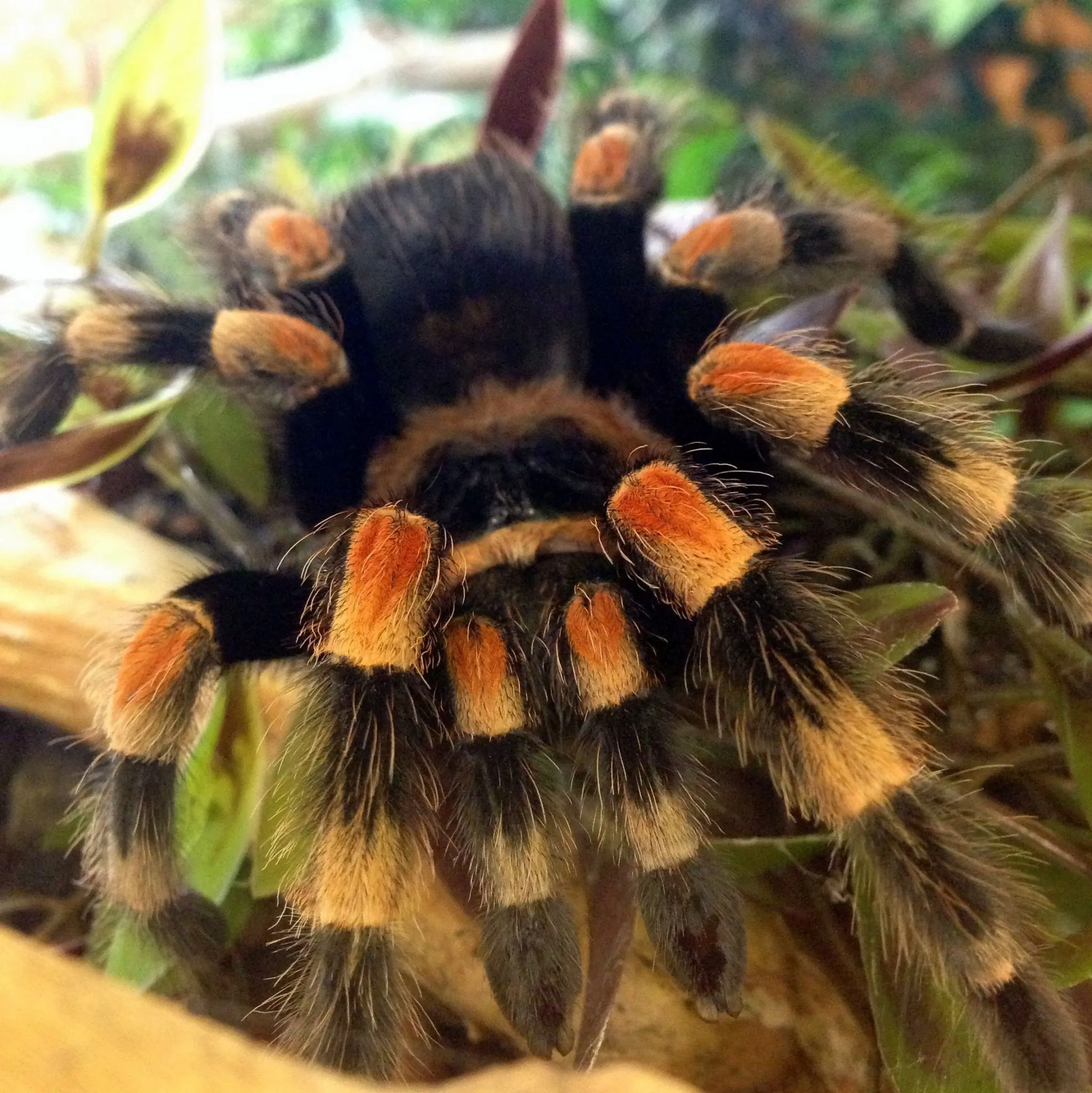
The Mexican Red Knee Tarantula (Brachypelma hamorii) is a popular pet tarantula, known for its striking appearance and relatively docile temperament. Baby Mexican Red Knees, also called spiderlings, are particularly fascinating. They represent the beginning of a long and captivating journey of tarantula ownership. These tiny arachnids are essentially miniature versions of their adult counterparts, displaying the same distinctive red-orange markings on their knee joints and leg segments against a black body. Buying a baby tarantula offers the unique opportunity to witness their growth and development firsthand. Understanding the specific needs of these small creatures is crucial for their healthy development and long-term well-being, making it an exciting and rewarding experience for any aspiring tarantula keeper.
Appearance and Characteristics
Baby Mexican Red Knee Tarantulas, even at a young age, exhibit the striking characteristics that make them so recognizable. Their most prominent feature is the vibrant red-orange coloration found on their patellae (knee joints) and the subsequent segments of their legs, contrasting sharply with their dark, velvety black bodies. This coloration becomes more pronounced as they mature through each molt. At their smallest, they measure only a fraction of an inch, appearing as tiny, delicate versions of the adults. The cephalothorax (the combined head and thorax) is generally dark, and the abdomen is covered in fine hairs (setae) that serve sensory and protective functions. The baby tarantulas’ appearance is a promise of the vibrant display they will become as they grow and molt. These patterns help to make them one of the most sought-after tarantula species in the pet trade.
Size and Lifespan

Baby Mexican Red Knee Tarantulas are incredibly small, typically measuring only a few millimeters in body length when newly hatched. As they grow, they gradually increase in size with each molt, eventually reaching a leg span of up to 5-6 inches as adults. The growth rate of a baby tarantula can vary depending on factors like feeding frequency and temperature, but they will undergo several molts within their first year. The lifespan of a Mexican Red Knee Tarantula is impressive. Females can live for 20-30 years or more, while males generally have a shorter lifespan, often only living for 5-10 years after reaching maturity. The extended lifespan of the females makes them a very interesting and often loved pet for many years.
Where to Buy a Baby Mexican Red Knee Tarantula
Acquiring a baby Mexican Red Knee Tarantula is an exciting step. It is important to find a reputable source. Baby tarantulas can be found from various sources. Choosing the right one significantly impacts the health and well-being of your new pet. Several factors should guide your decision, from the breeder’s reputation to the overall conditions of the animals offered. Careful consideration helps to ensure you are starting your tarantula-keeping journey on the right foot. Make sure you do some research and compare options before making a purchase.
Reputable Breeders and Sellers
Reputable breeders are the best option to acquire a baby Mexican Red Knee Tarantula. Reputable breeders prioritize the health and genetics of their tarantulas. They can provide valuable information about the tarantula’s lineage, age, and care requirements. These breeders often have a deep understanding of tarantula husbandry and are dedicated to producing healthy specimens. Look for breeders with positive reviews and a strong reputation within the tarantula-keeping community. Ensure that the breeder offers support and guidance after the sale, ready to answer questions and provide advice. Avoid breeders who appear to cut corners or are unwilling to share information about their tarantulas. Healthy baby tarantulas are vital and they are key to the longevity of your pet.
Online vs Local Pet Stores

Both online retailers and local pet stores can offer baby Mexican Red Knee Tarantulas for sale, each with its own set of advantages and disadvantages. Online retailers often have a wider selection and competitive pricing, but it is crucial to verify their reputation and shipping practices. Check for reviews and ensure they provide a live arrival guarantee. Local pet stores allow you to see the tarantula in person before purchase and can offer immediate support. However, selection may be limited, and prices could be higher. It is important to assess the store’s overall care practices. Look for clean enclosures, healthy-looking tarantulas, and knowledgeable staff who can answer your questions. The best choice depends on your personal preferences, research abilities, and comfort level with purchasing animals online.
Baby Tarantula Housing Essentials
Providing the correct housing setup is critical for the health and well-being of a baby Mexican Red Knee Tarantula. The enclosure should replicate the tarantula’s natural habitat and provide a safe, secure, and comfortable environment. Correct setup also helps to prevent escapes and ensures that the tarantula feels safe and can thrive. Several elements are essential to creating a proper habitat, including the right enclosure, substrate, decor, and climate control. A well-designed setup reduces stress and promotes natural behaviors, making the experience of keeping a baby tarantula far more rewarding. These elements work together to provide a safe and enriching environment for the baby tarantula.
The Right Enclosure
The enclosure is the foundation of a baby tarantula’s habitat. It should be appropriately sized, providing adequate space for the tarantula to move around and molt comfortably. For baby tarantulas, a small plastic container or a clear acrylic terrarium is sufficient. The enclosure should be escape-proof with a secure lid that prevents the tarantula from crawling out. Good ventilation is important to prevent mold and maintain proper humidity levels. The enclosure should be easy to clean and provide clear visibility, allowing you to monitor your tarantula’s behavior and health. Avoid using enclosures made of materials that can be toxic or difficult to clean. Choose an enclosure appropriate for the tarantula’s size and provide adequate space for growth.
Substrate and Decor

The substrate is the bedding material that covers the bottom of the enclosure, providing a comfortable surface for the tarantula to walk on and burrow in. For baby Mexican Red Knees, a substrate that retains moisture and allows for burrowing is ideal. A mixture of peat moss, vermiculite, and coconut fiber is often recommended. The substrate should be deep enough to allow the tarantula to burrow and create a secure hide. Decor can also be added to the enclosure to enrich the tarantula’s environment and provide hiding places. Cork bark, artificial plants, and small rocks can create a more natural and stimulating habitat. Make sure all decor is securely placed and does not pose a risk of injury to the tarantula. Decor can significantly improve the tarantula’s quality of life.
Temperature and Humidity
Maintaining the correct temperature and humidity levels is crucial for the health and well-being of a baby Mexican Red Knee Tarantula. These tarantulas thrive in a warm, moderately humid environment that replicates their natural habitat. The ideal temperature range is typically between 75-85°F (24-29°C). A small heat mat placed on the side of the enclosure can help maintain the desired temperature. The humidity level should be kept between 60-70%. This can be achieved by lightly misting the enclosure once or twice a week, using a water dish, and ensuring the substrate is slightly moist but not waterlogged. Use a hygrometer to monitor the humidity levels. Consistent temperature and humidity are essential for successful molting and overall health. Monitor regularly to ensure consistency.
Feeding Your Baby Tarantula
Feeding a baby Mexican Red Knee Tarantula is a critical aspect of their care, directly impacting their growth and health. Understanding the appropriate diet, frequency, and techniques for feeding ensures that your tarantula receives the necessary nutrients to thrive. Baby tarantulas have specific needs. They need a smaller, more frequent meal schedule that reflects their rapid growth. Proper feeding helps to support the tarantula’s development, energy levels, and molting cycles. Proper feeding techniques and observation also contribute to a healthy, happy tarantula.
Appropriate Food

Baby Mexican Red Knee Tarantulas have a diet consisting primarily of small insects. Appropriately sized food items include pinhead crickets, flightless fruit flies, and pre-killed mealworms. The prey should be no larger than the tarantula’s abdomen to avoid overwhelming the spiderling. It is essential to offer a variety of prey to ensure a balanced diet. Gut-load the insects with nutritious foods, such as vegetables and commercial cricket food, before offering them to your tarantula. This practice enhances the nutritional value of the prey. Fresh water should also be available at all times, usually in a shallow dish or a cotton ball. Monitor your tarantula’s feeding habits, and adjust the diet as needed to ensure optimal health and growth.
Feeding Schedule
The feeding frequency for a baby Mexican Red Knee Tarantula is generally more frequent than for adults, given their faster metabolic rate and growth. Spiderlings should be fed every other day or every three days, depending on how quickly they consume their prey. Observe your tarantula’s behavior, looking for signs of a full abdomen, which will indicate that it is satiated. If the tarantula leaves the prey uneaten, remove it to prevent it from stressing the spiderling or causing potential injury during a molt. As the tarantula grows and molts, the feeding schedule can be adjusted. Gradually reduce the frequency as it matures, ensuring the tarantula gets the necessary nutrients at each stage of its development.
Handling and Care
Handling a baby Mexican Red Knee Tarantula is not typically recommended unless necessary. These tarantulas are known for their docile nature, but spiderlings are more vulnerable and easily stressed. Safe handling practices are critical to protect both the tarantula and the handler. Knowing how to handle a baby tarantula, along with understanding their natural behaviors and requirements, helps ensure their safety and comfort. This involves minimizing handling and providing them with a safe environment.
Handling Guidelines

Handling a baby Mexican Red Knee Tarantula should be avoided if possible. These spiders are fragile. Stress can lead to injury. If handling is necessary, it should be done with extreme caution. Always handle over a soft surface, such as a bed or a low table, to minimize the risk of injury if the tarantula falls. Avoid sudden movements. Allow the tarantula to walk onto your hand, rather than trying to pick it up or grab it. Keep your movements slow and steady. Never put your hand directly in front of the tarantula’s fangs. Ensure you have a clear view of the tarantula’s movements to anticipate its actions. Be aware that tarantulas can become defensive if they feel threatened, which may result in a defensive posture or a bite. After handling, always wash your hands thoroughly with soap and water.
Health and Common Issues
Baby Mexican Red Knee Tarantulas, like all living creatures, can be susceptible to health issues. Understanding the common problems and how to prevent them is key to responsible tarantula care. Regular observation and proactive measures can help ensure that your tarantula remains healthy and thrives. Many issues can be prevented with proper care. Recognizing the signs of illness early and responding appropriately can improve your tarantula’s prognosis. Being proactive and aware of potential health problems can save your pet.
Preventative Care and Regular Checks
Preventative care is the most effective approach to maintaining a healthy baby Mexican Red Knee Tarantula. Regularly inspect the tarantula’s enclosure for cleanliness. Remove any uneaten prey or waste promptly to prevent the growth of harmful bacteria and mold. Check the substrate regularly for moisture levels and replace it as needed to maintain optimal humidity. Monitor the tarantula’s behavior and appearance. Look for signs of illness, such as lethargy, loss of appetite, or unusual postures. Observe the tarantula during molting to ensure it proceeds smoothly. Provide fresh water and a balanced diet. Following these preventative measures will improve your tarantula’s quality of life and longevity.
Common Health Problems

Common health problems in baby Mexican Red Knee Tarantulas include issues related to molting, parasites, and environmental factors. Molting problems can arise if the humidity is too low. The tarantula may struggle to shed its exoskeleton. Parasites, such as mites, can infest the tarantula, causing irritation and stress. Environmental issues, such as improper temperature or humidity, can weaken the tarantula’s immune system, making it more susceptible to infections. Recognizing the signs of these problems is important. Consult with a veterinarian or an experienced tarantula keeper if you notice any abnormalities, such as loss of appetite, unusual behavior, or physical changes. Prompt action can often prevent serious health complications.
Conclusion
Caring for a baby Mexican Red Knee Tarantula is a rewarding experience that requires a commitment to understanding and meeting its needs. From the moment you choose your baby tarantula, proper setup, feeding, handling, and health maintenance are paramount. The journey of raising a baby tarantula is one of observation, learning, and patience. Each stage of development presents new insights and challenges. By following these guidelines, you can provide a safe, enriching, and fulfilling life for your baby tarantula, allowing you to enjoy the unique experience of tarantula ownership for many years to come. Embrace the journey, learn along the way, and enjoy the company of this amazing creature.