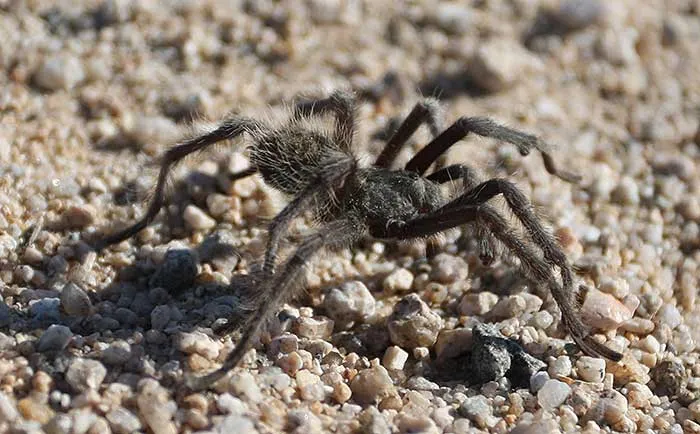
Can Tarantulas Bite The Basics
The fascination with tarantulas often leads to a fundamental question can these large, hairy spiders actually bite? The answer, in short, is yes. Tarantulas possess fangs, and they are capable of delivering a bite. However, the severity and the circumstances under which a tarantula bites are essential aspects to understand. While tarantulas are venomous, their venom is generally not considered lethal to humans, unlike the venom of some other spider species. The impact of a tarantula bite is more akin to a bee sting for most people, causing localized pain, redness, and swelling. This article explores the mechanics, the risks, and the realities of tarantula bites, providing a comprehensive guide for enthusiasts and those curious about these impressive arachnids.
Do All Tarantulas Bite
The simple answer is yes all species of tarantulas have the potential to bite. This is because they all possess fangs, which are used to inject venom into their prey. However, the propensity to bite varies among different species and individual tarantulas. Some tarantulas are more docile and prefer to flee or display defensive behaviors like flicking urticating hairs. Others, particularly those that feel threatened or are mishandled, are more likely to bite. The bite itself is a defensive mechanism, a last resort when other methods of warding off perceived threats have failed. It’s important to understand that a tarantula doesn’t bite out of malice; it does so to protect itself.
Bite Mechanism and Venom

When a tarantula bites, it uses its chelicerae – the mouthparts that house its fangs – to inject venom. The fangs are sharp and designed to pierce the skin. The venom of a tarantula is a complex mixture of enzymes and toxins that primarily serve to immobilize and digest the tarantula’s prey. The venom’s effect on humans is generally not as severe as it is on insects or small animals. Most tarantula bites in humans result in localized pain, similar to a bee sting, along with redness, swelling, and itching. The severity of the reaction can vary depending on the species of tarantula, the amount of venom injected, and the individual’s sensitivity. In rare cases, an allergic reaction could potentially lead to more severe symptoms, but serious complications are uncommon.
Tarantula Species with the Strongest Bites
While most tarantula bites are not life-threatening, the potency of the venom and the size of the fangs can vary between different species. Some tarantula species are known for having stronger bites than others. Larger tarantulas, in general, tend to have larger fangs and a potentially more painful bite simply due to the size. The specific toxicity of the venom also plays a role. Some species from the Old World, such as the African tarantulas, are sometimes reported to have more potent venom and a more aggressive temperament compared to many New World species. However, it’s important to note that even the most potent tarantula venom is usually not fatal to humans. Any bite should be treated with caution, and medical attention should be sought if severe symptoms arise.
What Happens When a Tarantula Bites
A tarantula bite can be a startling experience. The sensation is often described as a sharp, stinging pain at the site of the bite. The tarantula’s fangs penetrate the skin, and the venom is injected. The immediate reaction is typically localized, with symptoms appearing near the bite area. The severity of the reaction can vary from mild to moderate depending on factors like the species of tarantula, the amount of venom injected, and individual sensitivity. Knowing what to expect and how to respond is crucial for anyone who handles or encounters these spiders.
Symptoms of a Tarantula Bite

The symptoms of a tarantula bite typically manifest locally around the bite site. Common symptoms include immediate pain, redness, swelling, and itching. Some individuals may experience a burning sensation. In most cases, these symptoms are mild and subside within a few hours or days. More severe reactions are rare but could include muscle cramps, nausea, and, in extremely rare instances, an allergic reaction which might involve difficulty breathing or swelling of the face or throat. It’s important to monitor the bite area and the individual’s overall condition after a bite. If severe symptoms develop, medical attention should be sought immediately.
First Aid for Tarantula Bites
If bitten by a tarantula, there are several immediate steps you can take to provide first aid. First, gently clean the bite area with mild soap and water to reduce the risk of infection. Apply a cold compress or ice pack to the bite site to help reduce pain and swelling. You can also elevate the affected limb to minimize swelling. Over-the-counter pain relievers, such as ibuprofen or acetaminophen, can help manage pain and discomfort. It’s important to keep an eye on the bite site for any signs of infection, such as increased redness, warmth, or pus. Even if the symptoms are mild, it’s always a good idea to contact a medical professional to discuss the bite and determine if further treatment or observation is necessary. Take a photo of the spider if possible.
When to Seek Medical Attention
While most tarantula bites are not considered medical emergencies, there are certain situations when it’s essential to seek medical attention. If you experience severe symptoms like difficulty breathing, chest pain, dizziness, or significant swelling beyond the bite area, it is crucial to seek immediate medical care. Any signs of an allergic reaction, such as hives or swelling of the face or throat, require immediate medical intervention. Additionally, if the symptoms worsen or do not improve within a few days, it’s wise to consult a doctor. People with pre-existing health conditions or known allergies should also seek medical advice after a bite. Prompt medical attention can ensure proper treatment and prevent potential complications.
How to Avoid Getting Bitten

Preventing a tarantula bite involves understanding these creatures’ behaviors and taking appropriate precautions. The most important aspect is to avoid provoking or startling the tarantula. This means not making sudden movements or loud noises near them. Always handle tarantulas with caution and respect. Even captive tarantulas can bite if they feel threatened. Knowing how to handle them safely and being aware of their defensive behaviors can greatly reduce the risk of a bite. Creating a safe environment for the tarantula and yourself is crucial in preventing unwanted encounters.
Proper Handling Techniques
If you need to handle a tarantula, it’s crucial to do so with care. The best practice is to minimize handling altogether, as it can stress the spider and increase the risk of a bite. If handling is necessary, it should be done slowly and deliberately. Avoid grabbing the tarantula. Instead, encourage it to walk onto your hand by gently nudging it with a soft object. Always handle tarantulas over a soft surface, like a bed or a low table, to minimize the risk of injury if it falls. Be mindful of their movements, and watch for signs of stress, such as raising their front legs or flicking hairs, which indicate they may be about to bite. Always wash your hands before and after handling a tarantula to prevent the spread of potential contaminants.
Creating a Safe Habitat
A safe habitat is essential for both the tarantula and the handler. The enclosure should be secure, with a tight-fitting lid to prevent escape. The enclosure should also be appropriately sized for the tarantula, with adequate space for it to move around and feel secure. Providing a hide or a burrow can help the tarantula feel safe and reduce stress, which can decrease the likelihood of defensive behaviors like biting. Avoid placing the enclosure in high-traffic areas or locations where it might be exposed to sudden movements or loud noises. Regular cleaning of the enclosure is also essential to maintain a healthy environment and reduce the risk of disease and pest infestations that could stress the tarantula. Proper environmental conditions, including temperature and humidity, are also critical for the tarantula’s well-being.
Top 5 Facts About Tarantula Bites

- Tarantulas possess fangs and can bite, injecting venom.
- Most tarantula bites cause localized pain, redness, and swelling.
- The severity of a bite depends on the species and individual sensitivity.
- Severe reactions are rare, but seek medical attention if symptoms worsen.
- Safe handling and habitat design are key to preventing bites.