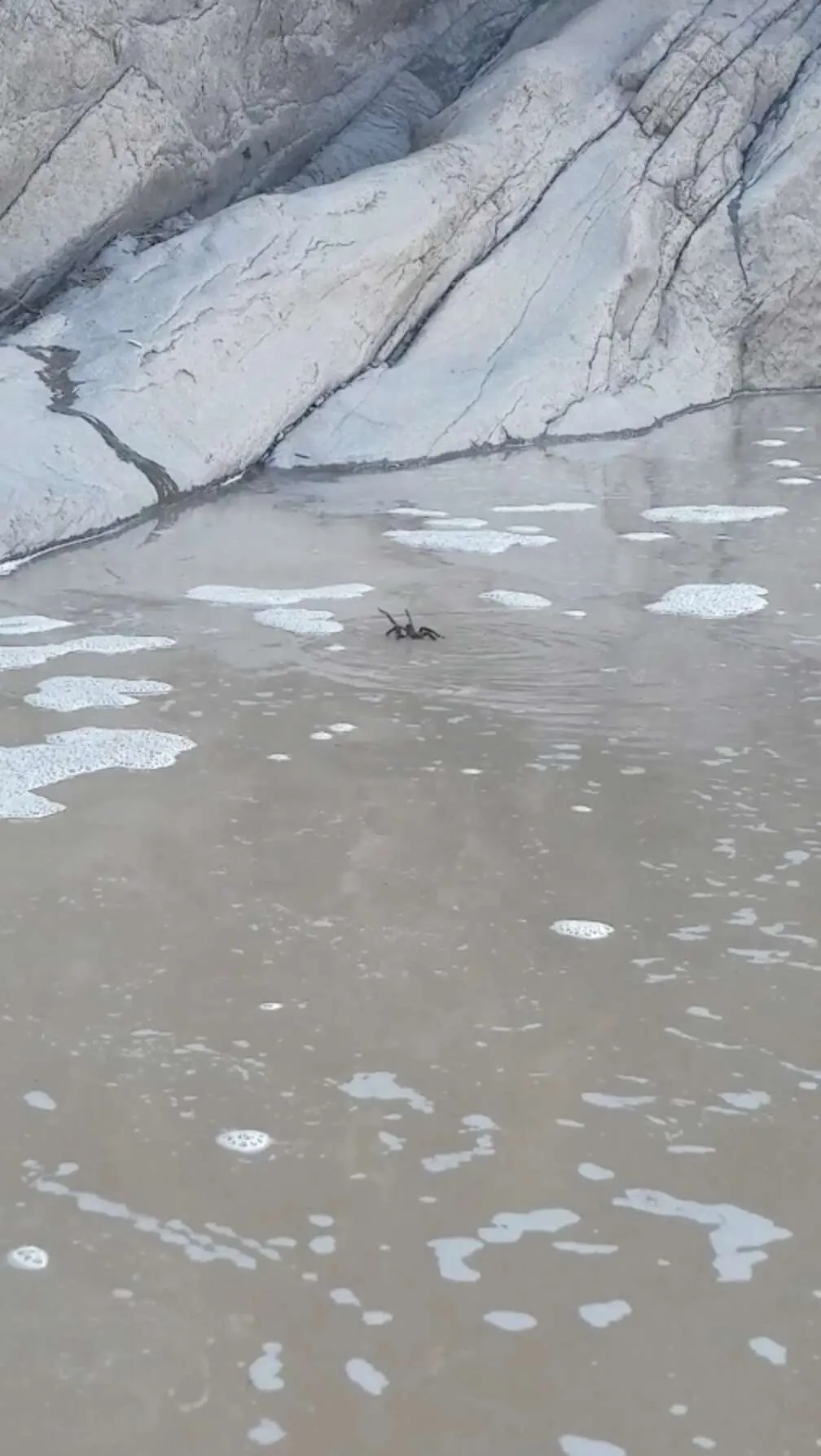
Can Tarantulas Swim? Unveiling the Truth
The question of whether a tarantula can swim is a common one, especially for new owners or those fascinated by these impressive arachnids. The answer, however, is not a simple yes or no. While they are not aquatic creatures like fish, their ability to interact with water varies significantly. Some tarantulas can navigate water to a certain extent, while others struggle and may even drown. Understanding their relationship with water involves examining their natural habitats, swimming capabilities, and the potential dangers involved. This guide delves into the fascinating world of tarantulas and their aquatic interactions, separating fact from myth and providing essential information for tarantula enthusiasts and owners.
Fact 1 Tarantula’s Natural Environment
Tarantulas are found in diverse environments, from tropical rainforests to arid deserts. Their natural habitats significantly influence their interaction with water. Most tarantulas are terrestrial, living in burrows or under rocks and logs. These environments provide a degree of humidity, which is crucial for their survival. They obtain water primarily through their food and by drinking droplets. The availability of water sources in their natural habitats dictates their ability and need to interact with water. For instance, those in more humid environments may encounter water more often than those in arid regions. Understanding their natural habitat provides context for how they might react to water and their swimming capabilities.
Tarantulas and Water Bodies

In their natural environments, tarantulas may encounter water bodies such as streams, puddles, or even flooded areas. While they don’t actively seek out water for swimming, they might need to navigate it to survive. The duration and frequency of these encounters vary based on the species and the environment. The ability to cross small streams or navigate flooded burrows may be critical for survival. The presence of water bodies also influences the distribution of certain tarantula species. Some species thrive in areas with higher humidity and more frequent water encounters, while others avoid such environments. This natural interaction with water shapes their behavior and, to some extent, their physical adaptations.
Fact 2 Tarantulas’ Swimming Abilities
Tarantulas are not natural swimmers in the same way as fish or aquatic insects. However, they possess some ability to move across the surface of water or submerge for short periods. Their swimming capabilities are limited and often involve a combination of paddling with their legs and using surface tension to stay afloat. The effectiveness of their swimming depends on several factors, including the size of the tarantula, the surface tension of the water, and the presence of any currents or obstacles. While some tarantulas may successfully cross small bodies of water, others quickly tire and may struggle to stay afloat. Their primary adaptation for water interaction is not swimming but rather avoiding prolonged exposure and seeking dry environments.
How They Swim
When a tarantula attempts to swim, it uses its legs to create a paddling motion. Their legs are covered with small hairs that trap air, helping them stay afloat to some extent. They also utilize the surface tension of the water, which allows them to remain on top of the water, provided the surface is calm. The tarantula’s body position is crucial as well. They tend to spread their legs to maximize their surface area, thereby increasing buoyancy. Despite these mechanisms, their swimming is not efficient. They can tire quickly, and prolonged submersion can lead to drowning. Their ability to navigate water is more of a survival mechanism rather than an adapted swimming behavior, and they are generally ill-equipped for extended aquatic activity.
Fact 3 Risks of Tarantulas Swimming

Swimming poses significant risks for tarantulas. The most immediate danger is drowning. Tarantulas have book lungs, which are not designed for underwater respiration. If they submerge for too long, water can enter their respiratory system, leading to suffocation. Another risk is exhaustion. Swimming requires a considerable amount of energy for these creatures, and they can quickly become tired. This exhaustion can compromise their ability to escape danger. Furthermore, exposure to water can affect their exoskeletons. Prolonged water contact can weaken the exoskeleton, making them more vulnerable to injury and infection. Therefore, it is essential to minimize their exposure to water and provide a safe environment for them.
Drowning Hazards
Drowning is a critical hazard for tarantulas. When a tarantula is submerged, water can enter its book lungs, disrupting its ability to breathe. Unlike aquatic animals, tarantulas cannot extract oxygen from water. Even brief submersion can be fatal. Young tarantulas are particularly susceptible to drowning, as their size and strength are limited. In captivity, drowning is a common risk, particularly in enclosures with large water dishes. Owners must ensure that water sources are shallow and easily accessible, reducing the risk of accidental submersion. Regular monitoring of the tarantula’s behavior and environment is essential to prevent drowning and ensure its safety.
Fact 4 Species That Swim Well
While most tarantulas are not proficient swimmers, some species have adapted better to aquatic environments. These adaptations are subtle but crucial for survival. Species found near water bodies may exhibit slightly different behaviors and physical characteristics. They might have slightly more water-repellent hairs or demonstrate more agility in water. However, it is essential to remember that even these species are not true swimmers. They tend to avoid extended periods in water. Their ability to navigate water is primarily a response to the challenges of their environment rather than a dedicated swimming adaptation. Understanding these species’ adaptations provides valuable insights into the broader behavior of tarantulas.
Adaptations for Aquatic Life

Adaptations for aquatic life in tarantulas are limited. Some species have developed small physical and behavioral adaptations to cope with water. They might have hairs that trap air bubbles, increasing buoyancy. Some may exhibit a greater tolerance for brief periods of submersion, allowing them to navigate flooded areas. Another adaptation is the tendency to seek higher ground during floods or heavy rainfall. These behaviors minimize their exposure to water. It is important to note that these adaptations are not on the level of aquatic creatures. They are merely mechanisms that help tarantulas survive in environments where water is a more frequent element. Their basic structure does not support extensive aquatic living.
Fact 5 Keeping Tarantulas Safe Near Water
For tarantula owners, safety near water is paramount. The primary concern is preventing accidental submersion. Proper enclosure design and careful monitoring are vital. Water dishes should be shallow and stable, preventing the tarantula from falling in and drowning. Providing a shallow water source is the most effective approach to care. Creating a safe habitat means ensuring that the enclosure is appropriately ventilated and that the tarantula has access to dry areas. Owners should also avoid over-misting or overwatering the enclosure, as excessive moisture can increase the risk of drowning. Regular cleaning and maintenance of the habitat are also essential to prevent any water-related health hazards.
Water Dish Safety
Water dish safety involves choosing the right dish and positioning it correctly within the enclosure. The dish should be shallow, with a low profile to minimize the risk of the tarantula falling in and drowning. It is also crucial to ensure the dish is stable and cannot be easily tipped over. Using a sponge or pebbles in the water dish can provide a point of refuge for the tarantula if it accidentally falls in, allowing it to climb out. Regular cleaning of the water dish is essential to prevent the growth of bacteria and the spread of disease. Monitoring the tarantula’s interaction with the water dish is also a good practice, which helps to identify and address any potential safety concerns promptly.