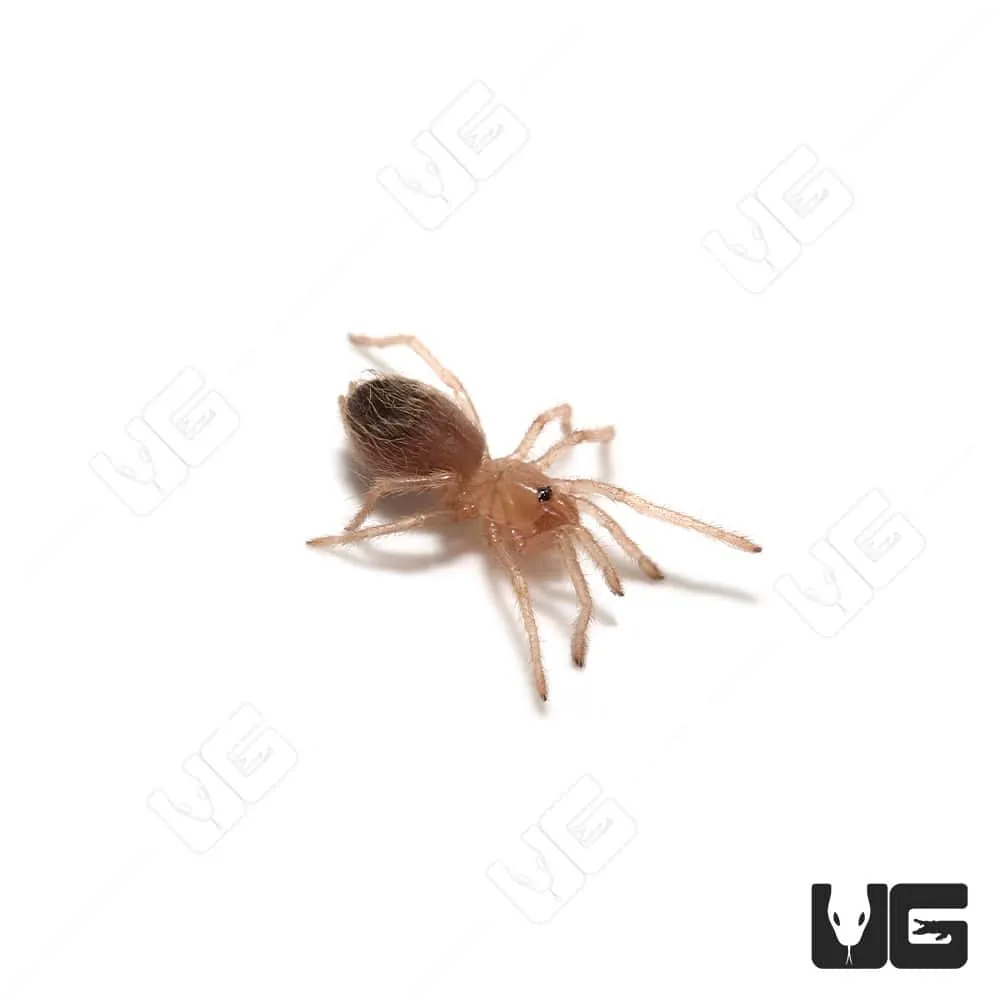
Brazilian Red & White Tarantulas What You Need to Know
The Brazilian Red and White Tarantula (Nhandu chromatus) is a popular pet due to its striking appearance and relatively docile temperament. This comprehensive care guide provides all the essential information you need to successfully raise a healthy and thriving Brazilian Red and White Tarantula. From understanding their natural habitat to setting up their enclosure, feeding, and handling, we’ll cover everything. Whether you’re a beginner or an experienced tarantula keeper, this guide will provide valuable insights into providing the best care for your fascinating pet. Proper care ensures your tarantula lives a long, healthy, and fulfilling life, bringing you years of enjoyment. This guide emphasizes ethical and responsible pet ownership, prioritizing the well-being of the tarantula above all else.
Understanding Brazilian Red & White Tarantulas
Appearance and Characteristics

Brazilian Red and White Tarantulas are known for their striking appearance. They typically have a black carapace, with reddish-brown legs adorned with white stripes. The abdomen is covered in reddish-brown hairs, adding to their visual appeal. These tarantulas are medium to large in size, with females reaching up to 7-8 inches in leg span, and males generally slightly smaller. Their vibrant colors and impressive size make them a visually stunning addition to any collection. Observing their intricate patterns and movements is a captivating aspect of tarantula keeping. They are also known for their relatively calm demeanor compared to some other tarantula species, making them a good choice for keepers. Regular observation allows you to appreciate the unique beauty of your Brazilian Red and White Tarantula.
Lifespan and Temperament
The lifespan of a Brazilian Red and White Tarantula varies depending on the sex. Females can live for an impressive 15-20 years, while males typically live for 3-5 years. Understanding this lifespan is crucial for planning your tarantula’s care and ensuring its long-term well-being. In terms of temperament, Brazilian Red and White Tarantulas are generally considered to be docile, but it is important to remember that they are still wild animals and should be treated with respect. They may exhibit defensive behaviors like flicking urticating hairs or raising their front legs if they feel threatened. Handling should be minimized and only done with caution and a full understanding of their behavior. Recognizing and respecting these behaviors is crucial for safe and responsible tarantula care.
Habitat and Natural Environment
In the wild, Brazilian Red and White Tarantulas are native to the grasslands and scrublands of South America, particularly in Brazil, Paraguay, and Argentina. They are terrestrial tarantulas, meaning they live on the ground, often burrowing or utilizing existing burrows. Replicating their natural environment in captivity is essential for their health and happiness. This involves providing a suitable substrate for burrowing, maintaining appropriate temperature and humidity levels, and offering a varied diet. Learning about their natural habitat will enhance your appreciation for these amazing creatures and help you create a thriving environment for them. Understanding their needs based on their natural habitat is key to responsible pet ownership.
Setting Up the Perfect Enclosure
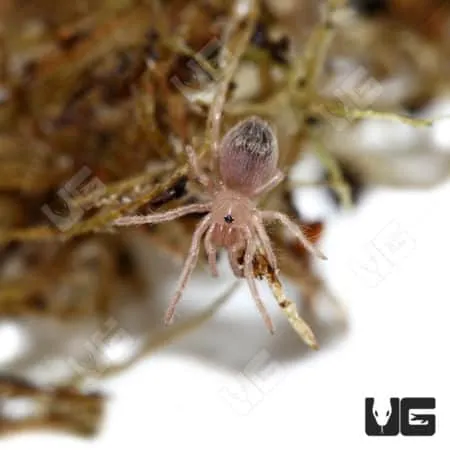
Creating the right enclosure is critical for the well-being of your Brazilian Red and White Tarantula. The enclosure should provide a secure, comfortable, and enriching environment that mimics their natural habitat. This section will guide you through selecting the appropriate enclosure, choosing the right substrate and decor, and maintaining the ideal temperature and humidity levels for your tarantula’s health and happiness. A well-set-up enclosure not only provides a safe space for your tarantula but also enhances your enjoyment of observing them. Taking the time to create the perfect habitat is an investment in your pet’s well-being and your overall tarantula-keeping experience. Ensure your enclosure has proper ventilation and is escape-proof to provide a stress-free environment.
Choosing the Right Enclosure
The size of the enclosure is a crucial factor. For a juvenile Brazilian Red and White Tarantula, a 10-gallon tank is typically sufficient. As your tarantula grows, you’ll need to upgrade to a larger enclosure. A 20-gallon long tank or larger is suitable for adult females. The enclosure should be escape-proof, with a secure lid. Glass or clear plastic enclosures are ideal as they allow you to easily observe your tarantula. Ensure the enclosure provides ample floor space for roaming and burrowing, as well as sufficient height for the tarantula to move around comfortably. Proper ventilation is also essential to prevent the buildup of excess humidity and the growth of mold. Ventilation should be designed to allow air circulation while also preventing the tarantula from escaping.
Substrate and Decor
The substrate is the bedding material that covers the bottom of the enclosure. It should be deep enough for the tarantula to burrow if it chooses. Suitable substrate options include a mix of peat moss, coconut fiber, and a small amount of vermiculite. These materials hold moisture well, which helps maintain the necessary humidity levels. Avoid using substrates that are too dusty or that can be toxic to your tarantula. Add a few inches of substrate to allow for burrowing. Decorate the enclosure with items that provide enrichment and hiding places, such as cork bark, artificial plants, and sturdy branches. Make sure that any decor items are securely placed to prevent them from falling and potentially injuring your tarantula. Proper decor helps create a more natural environment and reduces stress.
Maintaining Temperature and Humidity

Maintaining the correct temperature and humidity levels is vital for the health of your Brazilian Red and White Tarantula. The ideal temperature range is between 75-85°F (24-29°C). Use a heat mat or a low-wattage incandescent bulb to provide gentle heat, ensuring the heat source doesn’t directly contact the tarantula or the enclosure. Use a thermometer to monitor the temperature accurately. Humidity should be maintained between 60-70%. You can achieve this by misting the enclosure with dechlorinated water a few times a week, or by providing a water dish large enough for the tarantula to drink from. Monitor the humidity with a hygrometer. Adequate ventilation is also essential to prevent the buildup of mold and bacteria. Regular monitoring and adjustments are essential to provide a comfortable and healthy environment for your tarantula.
Feeding Your Brazilian Red & White Tarantula
Feeding your Brazilian Red and White Tarantula is a straightforward process, but it’s essential to get it right to ensure your tarantula stays healthy and thrives. Providing a balanced diet, appropriate portion sizes, and a consistent feeding schedule is key. This section will cover the best food options for your tarantula, how frequently to feed them, and how to provide water to keep them hydrated. Proper feeding is a cornerstone of tarantula care and directly impacts their growth, health, and overall well-being. Paying attention to your tarantula’s eating habits and adjusting the feeding regimen as needed will help you provide the best possible care for your pet. Proper feeding ensures your tarantula gets all the necessary nutrients it needs.
Appropriate Prey and Feeding Schedule
The primary food source for Brazilian Red and White Tarantulas consists of live insects. Crickets, mealworms, and roaches are all suitable choices. Ensure the insects are gut-loaded (fed a nutritious diet) before offering them to your tarantula, as this will provide additional nutrients. The size of the prey should be appropriate for the size of your tarantula. As a general rule, the prey should be no larger than the tarantula’s body. For juveniles, feed them two to three times a week. Adult tarantulas can be fed once a week or every other week, depending on their appetite and condition. Remove any uneaten prey within 24 hours to prevent stress and potential harm to your tarantula. Adjust the feeding schedule based on your tarantula’s individual needs and growth rate.
Water and Hydration

Providing a constant supply of fresh water is crucial for your tarantula’s health. Use a shallow water dish, such as a bottle cap or a small dish specifically designed for reptiles. Make sure the water dish is stable and easily accessible. Regularly refill the water dish with fresh, dechlorinated water. You can also mist the enclosure with water a few times a week, which helps maintain humidity and provides a source of water for your tarantula to drink from. Monitor the water level and quality, and clean the dish regularly to prevent bacterial growth. Clean water ensures proper hydration, which is essential for molting and overall health. Regular maintenance of water sources is critical.
Handling and Safety
Handling Brazilian Red and White Tarantulas should be approached with caution and respect. While they are generally considered docile, they can still exhibit defensive behaviors if they feel threatened. This section will outline safe handling practices, how to recognize signs of stress in your tarantula, and steps to minimize any potential risks. Understanding tarantula behavior and knowing when not to handle your pet is key to ensuring both your safety and your tarantula’s well-being. Prioritizing safety and minimizing stress is crucial for a positive interaction with your tarantula. Always be aware of your tarantula’s posture and behavior before attempting to handle it.
Safe Handling Practices
Handling should be kept to a minimum and only done if necessary. If you choose to handle your tarantula, do so with extreme care and gentleness. Always handle your tarantula over a soft surface, such as a bed or a carpeted floor, in case it falls. Gently encourage the tarantula to walk onto your hand, avoiding any sudden movements that might startle it. Never try to grab or restrain the tarantula. Keep your hands clean and free of any strong scents that might irritate the tarantula. Always supervise children when they are near the tarantula’s enclosure. If you are unsure or uncomfortable handling your tarantula, it’s best to observe it from a distance. Always wash your hands thoroughly after handling your tarantula or anything in its enclosure. Never handle a tarantula if it is in a vulnerable state, such as before or after a molt.
Recognizing Signs of Stress

It’s important to recognize signs of stress in your Brazilian Red and White Tarantula. Defensive postures include raising their front legs, flicking urticating hairs (small irritating hairs from the abdomen), or attempting to flee. If your tarantula displays these behaviors, it’s best to leave it alone and avoid handling it. Other signs of stress can include hiding constantly, refusing to eat, or exhibiting erratic behavior. A stressed tarantula may also appear sluggish or lethargic. Monitor your tarantula regularly for any signs of stress and adjust your care routine as needed. Creating a calm and stable environment is essential for minimizing stress. Minimize any disturbance to the enclosure and always approach the tarantula slowly and calmly.
Common Health Issues and Solutions
Brazilian Red and White Tarantulas are generally hardy creatures, but they can still be susceptible to certain health issues. Knowing how to identify and address common problems is an important part of tarantula care. This section will cover the molting process, how to deal with parasites and diseases, and other potential health concerns. Early detection and prompt treatment are crucial for the health and longevity of your tarantula. Regularly inspecting your tarantula for signs of illness or injury, and maintaining the right conditions, will help ensure it stays healthy and happy. Proper care will help prevent many of these issues from occurring. Always consult with a veterinarian or experienced tarantula keeper if you have any concerns about your tarantula’s health.
Molting Process
Molting is a natural process in which tarantulas shed their exoskeleton to grow. The frequency of molting depends on the tarantula’s age and growth rate. Juveniles molt more frequently than adults. During the molting process, your tarantula will typically stop eating, become less active, and may flip onto its back. Do not disturb your tarantula during molting, as this can be stressful and potentially harmful. After molting, the tarantula’s new exoskeleton will be soft, and it will be vulnerable. Do not feed the tarantula for a week or two after molting to allow its new exoskeleton to harden. Provide extra moisture to help with the molting process. If your tarantula has trouble molting, it could indicate a problem with humidity or other aspects of care. Regularly monitor and observe your tarantula during the molting process, allowing it to shed its exoskeleton naturally.
Parasites and Diseases

While rare, tarantulas can be affected by parasites such as mites, which can infest the tarantula and its enclosure. Signs of mite infestation include small, moving specks on the tarantula or in the enclosure. If you suspect a mite infestation, isolate the tarantula and clean the enclosure thoroughly. Consult with a veterinarian or experienced keeper for appropriate treatment options. Bacterial or fungal infections can also occur, often due to poor hygiene or improper environmental conditions. Maintaining a clean and sanitary enclosure is essential for preventing these infections. Providing appropriate temperature and humidity levels will also help prevent disease. If you notice any signs of illness, such as lethargy, loss of appetite, or unusual behavior, consult a veterinarian or experienced tarantula keeper immediately. Proper hygiene and environmental control are key.
Breeding Brazilian Red & White Tarantulas
Breeding Brazilian Red and White Tarantulas is an advanced aspect of tarantula keeping. This section provides an overview of the process, including sexing your tarantula, mating, and egg sac management. Breeding requires significant experience and a thorough understanding of tarantula behavior. If you’re interested in breeding tarantulas, it’s crucial to do extensive research and gain experience with tarantula care first. Proper preparation and care are critical for success. Understanding this process will enhance your appreciation for the amazing life cycle of these creatures. Careful planning and a controlled environment are key for successful breeding.
Sexing Your Tarantula
Before you attempt to breed your tarantulas, you must be able to determine their sex. This is typically done by examining the tarantula’s exuviae (shed skin) or by using a strong magnifying glass to examine the tarantula’s ventral side. On females, you will not find hooks, but you can see the epigastric furrow. On males, you will find tibial hooks on the front legs, which are used to hold the female’s fangs during mating. This process requires experience and careful observation. Knowing the sex of your tarantula is crucial to determine whether it is ready for breeding. It’s recommended to consult with an experienced breeder if you are unsure.
Mating and Egg Sacs

Once you have determined the sex of your tarantulas and they are mature, you can attempt to breed them. This process involves introducing the male to the female’s enclosure and carefully monitoring their behavior. The male will typically drum on the substrate to attract the female. If the female is receptive, the mating process will begin. After mating, the female will typically produce an egg sac, which contains hundreds of eggs. The female will guard the egg sac until the spiderlings hatch. Raising spiderlings requires specialized care, including providing a suitable environment and feeding them appropriately. Breeding Brazilian Red and White Tarantulas is a complex undertaking and requires specialized knowledge. Extensive preparation and research is required.
In conclusion, caring for a Brazilian Red and White Tarantula can be a rewarding experience. By following this care guide and paying attention to your tarantula’s needs, you can provide a healthy and happy life for your fascinating pet. Remember that responsible tarantula keeping is about providing the best possible care and ensuring the well-being of your pet. Enjoy the unique experience of observing and caring for these amazing creatures!