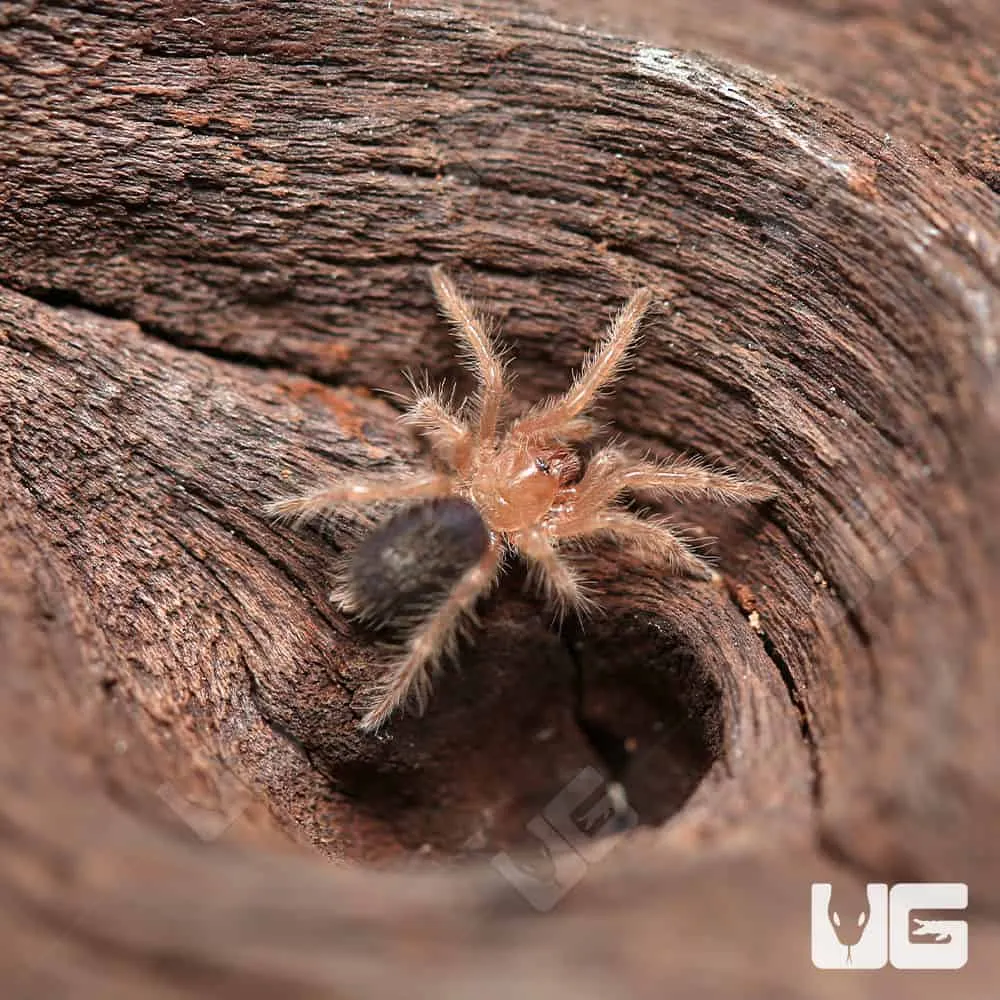
Understanding the Chaco Golden Knee Tarantula
The Chaco Golden Knee Tarantula, scientifically known as Grammostola pulchripes, is a captivating species of tarantula that has gained popularity among hobbyists and pet owners. Known for its striking appearance and relatively docile temperament, this spider offers a fascinating glimpse into the world of arachnids. This comprehensive guide provides 101 amazing tips to help you understand and care for your Chaco Golden Knee Tarantula, ensuring a healthy and fulfilling life for your eight-legged friend. From habitat setup to feeding and handling, we’ll cover everything you need to know to provide the best possible care for your pet.
What is a Chaco Golden Knee Tarantula?
The Chaco Golden Knee Tarantula is a terrestrial tarantula species native to the grasslands of Argentina and Paraguay. The name ‘Golden Knee’ comes from the distinctive golden-yellow markings on its leg joints, which contrast beautifully with its dark brown or black body. These spiders are known for their gentle nature and relatively slow movements, making them a good choice for beginners. They are also relatively long-lived, with females capable of living for over 20 years in captivity. Baby Chaco Golden Knee Tarantulas are particularly delicate and require careful attention to ensure their survival and healthy development.
Origin and Habitat

Understanding the natural habitat of the Chaco Golden Knee Tarantula is crucial for replicating its needs in captivity. In the wild, these tarantulas are found in the grasslands and open woodlands of Argentina and Paraguay. They construct burrows in the ground or utilize existing shelters, such as under rocks or logs. The climate in their natural habitat is typically warm and humid during the summer months and cooler and drier during the winter. Replicating these conditions within the enclosure is vital for the tarantula’s health and well-being. This includes maintaining appropriate temperature gradients and humidity levels, as well as providing a suitable substrate for burrowing.
They are well adapted to the drier conditions, making them a hardy species. Careful attention must be paid to the humidity and temperature, especially for baby Chaco Golden Knee Tarantulas, to ensure proper growth and molting.
Appearance and Characteristics
The Chaco Golden Knee Tarantula is a visually stunning species, characterized by its dark coloration and prominent golden markings on the patella (knee joints) of its legs. The body, including the carapace (the top part of the cephalothorax) and abdomen, is typically a dark brown or black color. The legs are covered in fine hairs, giving them a velvety appearance. Females tend to be larger than males, with a leg span that can reach up to 8 inches. Males are typically smaller and have a slimmer build. The overall appearance of the Chaco Golden Knee Tarantula is one of elegance and beauty, making it a popular choice among tarantula enthusiasts.
Creating the Perfect Habitat
Setting up the perfect habitat is essential for the health and happiness of your Chaco Golden Knee Tarantula. This involves choosing the right enclosure, selecting the appropriate substrate, and maintaining the correct temperature and humidity levels. Providing a well-designed habitat not only meets the tarantula’s physical needs but also allows it to exhibit natural behaviors, such as burrowing and hunting. Careful attention to detail in this aspect of care will significantly contribute to the overall well-being of your pet.
Choosing the Right Enclosure
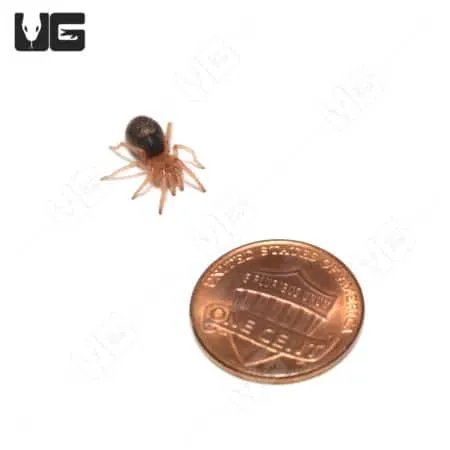
The size of the enclosure should be appropriate for the size of your tarantula. For a juvenile or baby Chaco Golden Knee Tarantula, a small terrarium or plastic container (around 5-10 gallons) is usually sufficient. As the tarantula grows, you will need to upgrade to a larger enclosure. A 20-gallon long tank is typically suitable for an adult. The enclosure should be well-ventilated but also capable of retaining humidity. Make sure the enclosure has a secure lid to prevent escapes. Avoid using enclosures with sticky surfaces or sharp edges that could injure the tarantula.
Substrate Selection and Setup
The substrate should mimic the tarantula’s natural habitat. A good substrate for Chaco Golden Knee Tarantulas is a mixture of peat moss, coconut fiber, and a small amount of vermiculite. This combination retains moisture well, allows for burrowing, and provides a natural environment. The substrate should be several inches deep to allow the tarantula to burrow. It’s also important to provide a water dish and a hide, such as a piece of cork bark or a half-log, to give the tarantula a place to retreat and feel secure. The substrate should be kept slightly moist, but not waterlogged, and should be spot-cleaned regularly to remove any uneaten food or waste. Baby Chaco Golden Knee Tarantulas benefit from a substrate that retains moisture well to aid in molting.
Temperature and Humidity Control
Maintaining the correct temperature and humidity levels is crucial for the health of your Chaco Golden Knee Tarantula. The ideal temperature range is between 75-85°F (24-29°C). You can use a heat mat or a low-wattage heat lamp to maintain this temperature. Avoid placing the heat source directly under the enclosure, as this can cause the substrate to dry out too quickly. The humidity level should be between 60-70%. This can be achieved by misting the enclosure with water a few times a week or by providing a large water dish. Use a hygrometer to monitor the humidity levels. Baby Chaco Golden Knee Tarantulas require consistent temperature and humidity to thrive. Fluctuations can be detrimental to their development.
Feeding Your Chaco Golden Knee Tarantula

Providing a balanced diet is essential for the health and growth of your Chaco Golden Knee Tarantula. This includes offering a variety of food items at appropriate intervals and ensuring the tarantula has access to fresh water. Baby Chaco Golden Knee Tarantulas, in particular, require a carefully planned feeding schedule to support their rapid growth and development. The following tips cover what to feed, how often, and the importance of proper hydration to ensure your pet thrives.
What to Feed Your Tarantula
Chaco Golden Knee Tarantulas are primarily insectivores. A varied diet of live insects is essential for their health. Good food choices include crickets, mealworms, dubia roaches, and superworms. The size of the food item should be appropriate for the size of the tarantula. As a general rule, the prey should be no larger than the tarantula’s abdomen. Avoid feeding your tarantula insects that have been exposed to pesticides. It’s also a good idea to gut-load the insects with nutritious foods, such as vegetables and commercial insect food, before feeding them to your tarantula, to ensure they are getting the necessary nutrients. For baby Chaco Golden Knee Tarantulas, smaller prey such as pinhead crickets or flightless fruit flies are ideal.
Feeding Frequency and Portion Size
The feeding frequency depends on the age and size of your tarantula. Spiderlings and juvenile tarantulas should be fed more frequently than adults. Baby Chaco Golden Knee Tarantulas can be fed every other day or even daily. Young adults can be fed 2-3 times a week, and fully grown adults typically need to be fed once a week or every other week. The amount of food offered should be appropriate for the size of the tarantula. Remove any uneaten food within 24 hours to prevent mold and mites. Overfeeding can lead to obesity, which can be harmful to the tarantula’s health. Observe your tarantula’s abdomen, as it should be a rounded shape.
Watering and Hydration

Fresh water is essential for your Chaco Golden Knee Tarantula. Provide a shallow water dish filled with fresh, clean water at all times. The water dish should be shallow enough to prevent the tarantula from drowning. You can also mist the enclosure regularly to provide additional moisture and allow the tarantula to drink water droplets. Baby Chaco Golden Knee Tarantulas are especially vulnerable to dehydration, so ensuring they have access to water is critical. Regularly check the water dish and refill it as needed. Avoid using tap water that may contain chlorine; use bottled or dechlorinated water instead.
Handling and Safety Precautions
While the Chaco Golden Knee Tarantula is known for its docile temperament, handling should still be approached with caution. Understanding how to handle your tarantula safely is essential to protect both you and the spider. The following information provides essential safety precautions and best practices for handling these fascinating creatures. Baby Chaco Golden Knee Tarantulas should generally not be handled due to their fragility and increased risk of injury.
Safe Handling Practices
Handling a tarantula should be done with care and respect. Always wash your hands before and after handling your tarantula. Approach the tarantula calmly and slowly. Avoid sudden movements, as this could startle the spider. When handling, allow the tarantula to walk onto your hand rather than trying to pick it up. Handle the tarantula close to the ground or over a soft surface, in case it falls. Avoid handling the tarantula if it appears stressed or agitated. Never handle a tarantula after it has eaten or is about to molt. Baby Chaco Golden Knee Tarantulas are delicate and should not be handled unless absolutely necessary for inspection.
Recognizing and Avoiding Bites

While Chaco Golden Knee Tarantulas are not aggressive, they can bite if they feel threatened. Bites are not usually life-threatening to humans, but they can be painful and may cause localized swelling, redness, and itching. To avoid being bitten, always handle your tarantula carefully and avoid sudden movements. If a tarantula displays defensive behaviors, such as rearing up or flicking hairs (urticating hairs), it’s best to leave it alone. If bitten, clean the wound with soap and water and monitor for any signs of infection. Seek medical attention if you experience severe symptoms or have an allergic reaction. Baby Chaco Golden Knee Tarantulas have smaller fangs, but a bite should still be treated with care.
Common Health Issues and Care
Like all living creatures, Chaco Golden Knee Tarantulas can experience health problems. Understanding the common health issues and providing appropriate care can ensure your pet lives a long and healthy life. Paying close attention to your tarantula’s behavior, appearance, and molting cycle is essential for identifying any potential issues early on. Baby Chaco Golden Knee Tarantulas are especially vulnerable, and close observation is critical to their survival.
Shedding and Molting
Molting is a natural process where tarantulas shed their exoskeleton to grow. Before molting, the tarantula may stop eating, become lethargic, and its abdomen may appear dark and swollen. During the molting process, the tarantula will lie on its back. Do not disturb it during this time. Molting can take several hours. After molting, the tarantula’s new exoskeleton will be soft. Do not feed the tarantula for several days until its fangs have hardened. Ensure the enclosure has adequate humidity to aid in the molting process. Baby Chaco Golden Knee Tarantulas molt more frequently than adults, making adequate humidity even more critical. Avoid offering food during the molting phase to prevent stress.
Identifying and Treating Common Diseases

Although Chaco Golden Knee Tarantulas are generally hardy, they can be susceptible to certain diseases. Common problems include fungal infections, mites, and parasites. Symptoms of a fungal infection can include discoloration of the exoskeleton and lethargy. Mites can be identified as tiny, moving specks. If you suspect your tarantula has a disease, consult with a veterinarian or experienced tarantula keeper. Ensure the enclosure is clean and well-maintained to prevent infections. Proper hygiene, including removing uneaten food and regular substrate changes, helps to keep your tarantula healthy. Baby Chaco Golden Knee Tarantulas are more prone to illness due to their small size and vulnerability.
Breeding Chaco Golden Knee Tarantulas
Breeding Chaco Golden Knee Tarantulas can be a rewarding experience for advanced hobbyists. However, it requires a thorough understanding of the species, as well as the proper equipment and environmental conditions. It is not recommended to breed unless you have significant experience with tarantula care. The following covers the essential steps involved in breeding and managing the resulting spiderlings. Baby Chaco Golden Knee Tarantulas are a result of successful breeding efforts and require special care.
Sexing Your Tarantula
Sexing is the process of determining the sex of your tarantula. The most reliable method is to examine the exuvium (molted exoskeleton) after the tarantula has molted. Look for the presence of spermathecae (sperm storage organs) in females. In males, you can look for the presence of tibial hooks on their front legs and the presence of bulbous pedipalps (the small appendages near the mouth) at maturity. These characteristics indicate the spider is a male capable of breeding. Baby Chaco Golden Knee Tarantulas are impossible to sex accurately without advanced techniques. Patience and experience are key.
Mating and Egg Sac Management

Mating can be a complex process, and it is important to observe the tarantulas closely. Introduce the male to the female’s enclosure under supervision. The female may be receptive, or she may attack the male. If the mating is successful, the female will eventually lay eggs and create an egg sac. The egg sac should be carefully monitored, and the eggs should be kept at the appropriate temperature and humidity. The egg sac can be removed and artificially incubated to increase the chances of successful hatching. Once the spiderlings hatch, they will need to be separated and provided with their own enclosures. Baby Chaco Golden Knee Tarantulas need a carefully maintained environment to grow successfully and require specialized feeding and care regimens.
Conclusion
Caring for a Chaco Golden Knee Tarantula is a rewarding experience. By following these 101 amazing tips, you can provide your pet with the best possible environment, nutrition, and care, ensuring a long and healthy life. From understanding their natural habitat to creating a suitable enclosure and handling them with care, you can ensure your tarantula thrives. Baby Chaco Golden Knee Tarantulas need extra attention and care, but watching them grow and develop is a truly fascinating and rewarding journey. Enjoy your journey with your Chaco Golden Knee Tarantula.