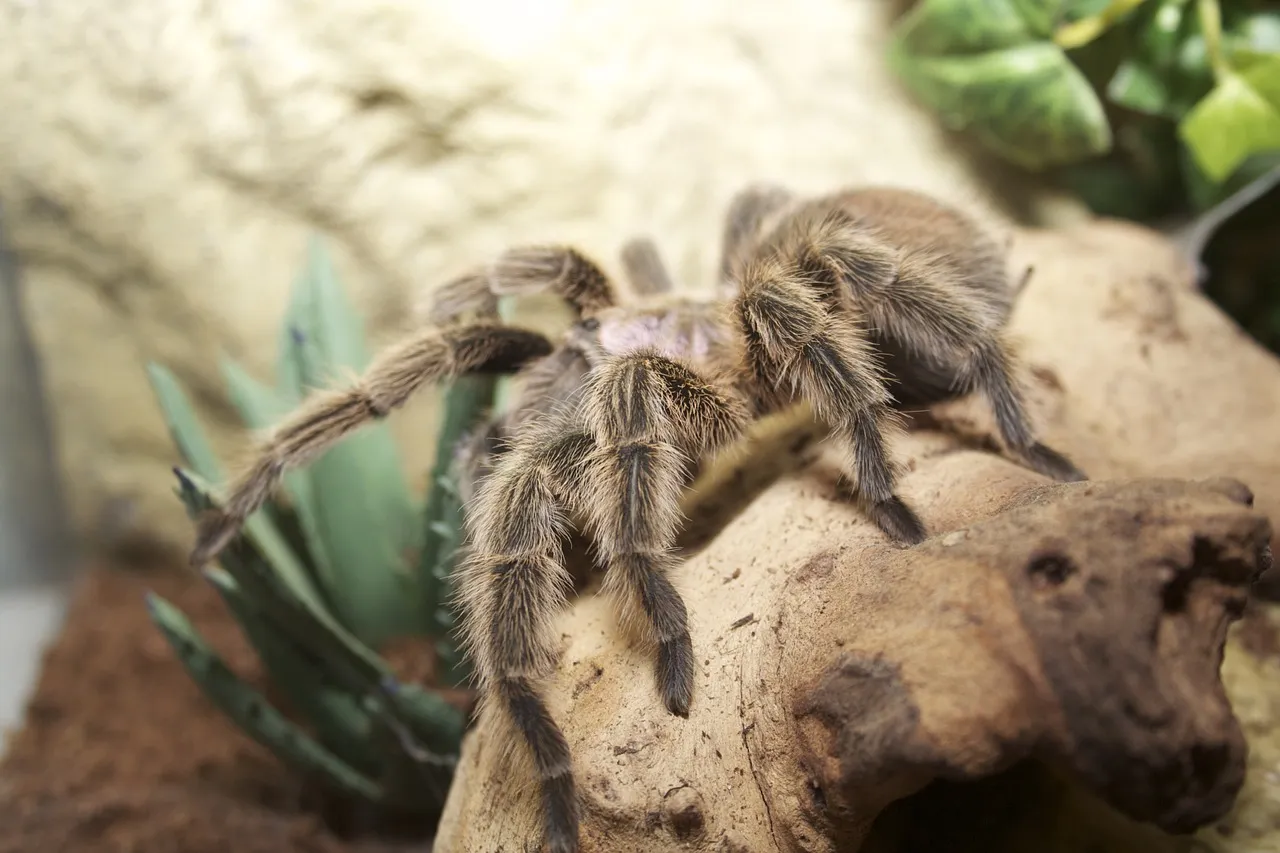
Chilean Rose Tarantula Overview
The Chilean rose tarantula (Grammostola rosea), a popular pet in the tarantula world, captivates enthusiasts with its gentle nature and relatively easy care requirements. Native to the arid regions of Chile, Bolivia, and Argentina, these arachnids have adapted to survive in harsh environments, making them resilient creatures. Their popularity stems from their docile temperament, attractive coloration, and manageable size, making them an excellent choice for beginner tarantula keepers. Understanding their life span is crucial for anyone considering bringing one of these fascinating creatures into their home, as it helps in planning and providing the best possible care throughout their lives.
What is a Chilean Rose Tarantula
Chilean rose tarantulas are terrestrial spiders belonging to the Theraphosidae family. They are known for their relatively calm demeanor, which contributes to their popularity as pets. Unlike some other tarantula species, Chilean roses are not prone to biting unless severely provoked. They are also known for their slow movements, making them less intimidating for those new to the hobby. Their adaptability to various environments, along with their simple care needs, has solidified their status as a favorite among tarantula keepers. They are not only a pet but a conversation starter, bringing the beauty of nature into your home.
Appearance and Characteristics

These tarantulas typically display a range of colors, from pinkish-brown to various shades of tan and rose, which gives them their name. Their bodies are covered in fine hairs, providing both sensory input and a means of defense. The females are typically larger than the males, with a more robust build. Their average leg span can reach up to 5-6 inches, making them a sizable invertebrate. Chilean rose tarantulas have eight eyes that provide them with basic sight, mainly used to detect movement. They also possess chelicerae, or fangs, which they use to inject venom into their prey. These tarantulas are known for their docile temperament, but like any animal, they can become defensive if they feel threatened.
Average Lifespan of a Chilean Rose Tarantula
The lifespan of a Chilean rose tarantula is one of the most appealing aspects for potential owners. On average, females live significantly longer than males. Female Chilean rose tarantulas can live for an impressive 15 to 20 years, sometimes even longer with excellent care. This long lifespan means that owners can enjoy their company for many years. In contrast, male Chilean rose tarantulas have a much shorter lifespan, typically living only 5 to 10 years. This difference in longevity is a key consideration for anyone thinking of owning one, as it influences the commitment and long-term care requirements.
Factors Affecting Lifespan
Several factors influence the lifespan of a Chilean rose tarantula. Understanding these elements is crucial for providing the best possible care and maximizing their longevity. Providing an optimal environment, a balanced diet, and regular health checks can significantly impact their lifespan. It is important to note that while genetics play a role, the environment has a huge impact on the health and the length of time that this spider will live, therefore, their diet and where they live are both important considerations.
Gender Differences

As mentioned earlier, the most significant factor affecting lifespan is gender. Female Chilean rose tarantulas have a much longer lifespan than males. This is primarily due to the physiological demands of reproduction and the stresses associated with mating. Males often die shortly after mating. When a male reaches maturity, he will molt and his main goal is to reproduce. The difference in lifespan should be considered when choosing your tarantula.
Environmental Factors
The environment in which a Chilean rose tarantula lives has a direct impact on its health and longevity. Maintaining a consistent temperature and humidity level, along with providing a clean enclosure, is essential. Stress, caused by inadequate conditions or frequent handling, can shorten their lifespan. Providing a stress-free and comfortable habitat is therefore vital for promoting a long and healthy life for your tarantula. The goal is to mimic the conditions they would experience in their natural environment.
Diet and Nutrition
A balanced and nutritious diet is crucial for a long lifespan. Chilean rose tarantulas should be fed a variety of insects, such as crickets, mealworms, and roaches. The size and frequency of feedings should be adjusted based on the tarantula’s size and age. Overfeeding can lead to health issues, so moderation is key. It is also important to make sure that the insects are gut-loaded before feeding them to your tarantula to ensure they receive the necessary vitamins and minerals.
Optimal Conditions for Longevity

Creating the perfect environment for your Chilean rose tarantula involves careful consideration of their natural needs. This includes providing the right habitat, maintaining proper temperature and humidity levels, and offering a suitable diet. Owners who provide optimal living conditions are more likely to see their tarantulas live to their full potential.
Habitat and Enclosure
The enclosure should be spacious enough for the tarantula to move around comfortably. A 10-gallon tank is usually sufficient for an adult. The enclosure should have a secure lid to prevent escapes and should be well-ventilated to prevent the buildup of harmful humidity. Substrate, such as coconut fiber or peat moss, should be used to provide a natural environment and help retain humidity. Hiding places, such as cork bark or artificial plants, are essential for the tarantula to feel safe and secure.
Temperature and Humidity
Chilean rose tarantulas thrive in a temperature range of 75-85°F (24-29°C). A heating pad placed on the side of the enclosure can help maintain a consistent temperature. Humidity levels should be kept at around 60-70%, which can be achieved by lightly misting the enclosure once or twice a week. The use of a hygrometer can help you monitor the humidity levels inside the enclosure. Maintaining the right temperature and humidity is vital for the tarantula’s health and well-being.
Feeding and Water

Provide a varied diet of appropriately sized insects. Offer food once or twice a week for adults and more frequently for juveniles. Always ensure the tarantula has access to fresh water. A shallow water dish should be available at all times. The water dish should be shallow enough to prevent the tarantula from drowning. Refill the water dish regularly to keep the water fresh and clean. Make sure to remove any uneaten food promptly to prevent the growth of mold and bacteria.
Common Health Issues
While Chilean rose tarantulas are relatively hardy, they can still suffer from certain health issues. Being aware of potential problems and knowing how to address them is essential for responsible pet ownership. Regularly checking your tarantula for signs of illness, and providing prompt care will ensure a longer and healthier life for your pet.
Recognizing Signs of Illness
Common signs of illness include loss of appetite, lethargy, and unusual behaviors. If your tarantula stops eating or appears inactive, it could be a sign of a health problem. Other indicators may include unusual postures, such as lying on their backs for an extended period. Abnormal molting or failure to molt can also be signs of a problem. Inspect your tarantula regularly for any visible issues, such as injuries or parasites. If you notice any of these symptoms, it is crucial to consult with a veterinarian experienced in treating arachnids.
Preventative Care

Preventative care is key to keeping your tarantula healthy. Regular monitoring of the enclosure’s temperature, humidity, and cleanliness will help prevent health issues. Ensure that the enclosure is free of mold and pests. Providing a varied diet and avoiding overfeeding are also essential. Quarantine new tarantulas before introducing them to an existing collection to prevent the spread of any potential diseases or parasites. Make sure to provide a clean water source and change it regularly.
Conclusion
The lifespan of a Chilean rose tarantula can be a rewarding aspect of owning these fascinating creatures. By understanding the factors that influence their longevity and providing appropriate care, owners can ensure their tarantula enjoys a long and healthy life. With the right environment, diet, and preventative measures, your Chilean rose tarantula can be a cherished companion for many years. Remember that responsible pet ownership involves continuous learning and dedication to providing the best possible care for your pet.