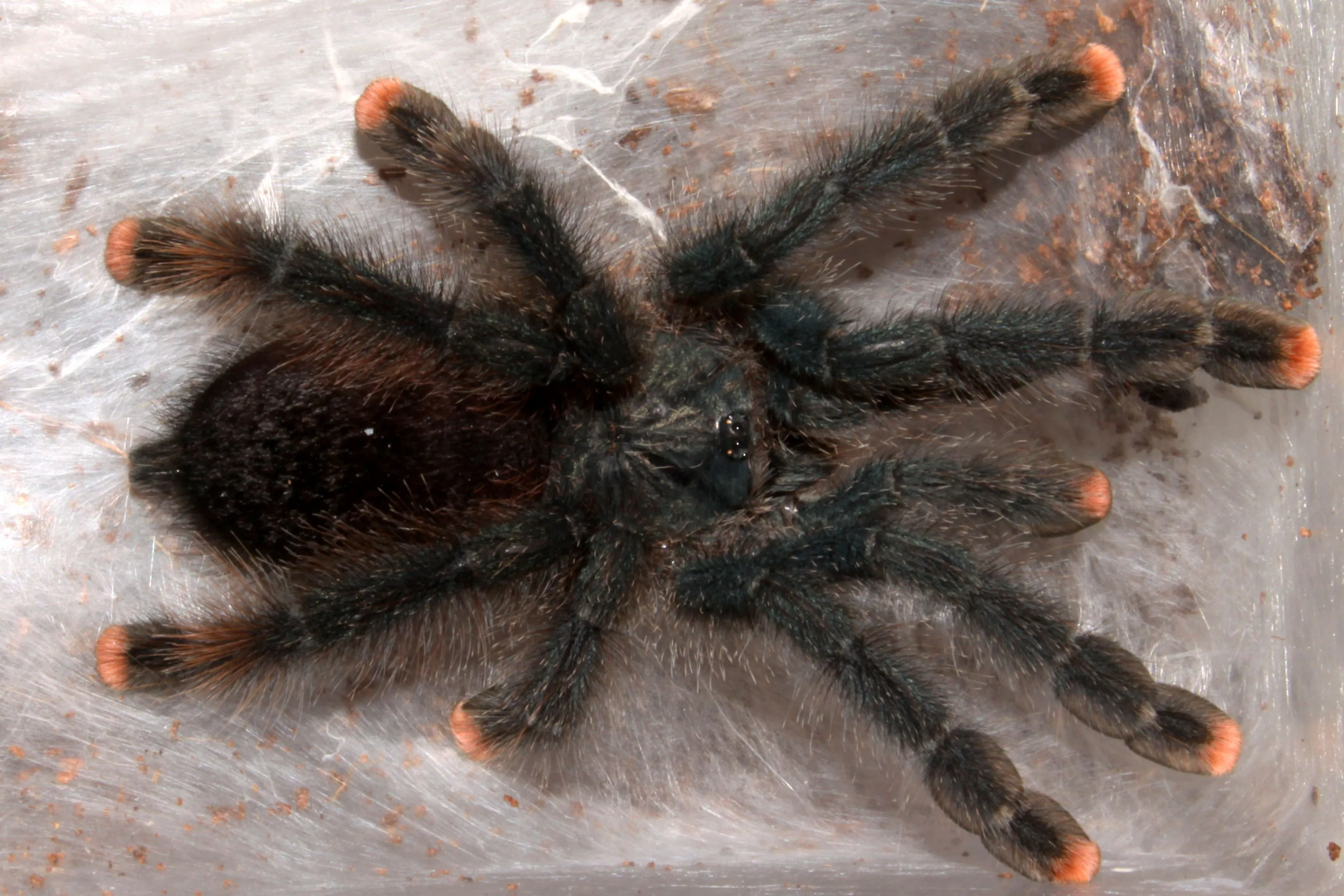
What to Consider Before Choosing a Pet Tarantula
Choosing a pet tarantula can be an exciting venture, but it’s crucial to be well-prepared. These fascinating creatures require specific care to thrive, and understanding their needs is paramount to their well-being. Before you bring a tarantula home, it’s important to consider several factors to ensure both your happiness and the spider’s health. This guide provides essential tips to help you make an informed decision and become a responsible tarantula owner. From housing and diet to handling and health, this article covers everything you need to know before choosing a pet tarantula. Remember, owning a tarantula is a commitment, so thorough research is key to success.
Space and Housing Requirements
The first tip in choosing a pet tarantula involves understanding their space and housing needs. Tarantulas require a secure and appropriately sized terrarium to live comfortably and safely. The size of the enclosure is directly related to the size of your tarantula, so consider how large the species will become. A terrarium that is too small can restrict movement and cause stress, while one that is too large can make it difficult for the tarantula to find its food. Proper housing also includes creating a suitable environment that mimics the tarantula’s natural habitat, including the right substrate, temperature, and humidity levels. A well-designed terrarium is the foundation of a healthy and happy tarantula.
Terrarium Size and Type

The terrarium should be large enough for the tarantula to move freely, molt, and hunt. A good rule of thumb is to provide a terrarium that is at least twice the tarantula’s leg span in width and length. For arboreal species, the height of the enclosure is also important, as they will need space to climb. Consider whether you want a front-opening or top-opening terrarium, each having its pros and cons in terms of accessibility and security. Glass terrariums are a popular choice due to their transparency, allowing for easy viewing. Acrylic terrariums are another option; they are lighter, but can scratch more easily.
Substrate Selection
The substrate serves as the floor of the terrarium and plays a crucial role in maintaining humidity and providing a comfortable environment for your tarantula. The type of substrate you choose depends on the tarantula species and its specific needs. For terrestrial species, a substrate that allows them to burrow is essential. Options include coco fiber, peat moss, or a mix of both. Arboreal species do not typically burrow, so a thinner layer of substrate is often sufficient. Ensure the substrate is kept clean and replaced regularly to prevent the buildup of mold and bacteria. The correct substrate is key to a healthy environment for your tarantula, making molting easier.
Temperature and Humidity Control
Maintaining the correct temperature and humidity levels is essential for the health and well-being of your tarantula. Most tarantulas thrive in temperatures ranging from 75-85°F (24-29°C). Use a thermometer to monitor the temperature inside the terrarium and a heat source, such as an undertank heater or a heat lamp, if necessary. Humidity levels also vary by species, but generally, they range from 60% to 80%. Use a hygrometer to measure humidity, and provide water dishes and misting to maintain the correct levels. Proper temperature and humidity are vital for successful molting and overall health, ensuring your pet tarantula lives a long and happy life.
Choosing the Right Tarantula Species

Choosing the right species of tarantula is a critical decision. Different species have varying temperaments, care requirements, and sizes. If you are a beginner, it is best to start with a more docile and easy-to-care-for species, such as the Chilean rose hair or the curly hair tarantula. These species are known for their calm demeanor and relatively straightforward care needs. Research the specific requirements of any tarantula species you’re considering, including its natural habitat, diet, and potential health issues. Understanding the specific characteristics of each species is crucial for providing proper care and ensuring a safe and enjoyable experience for both you and your pet.
Temperament and Handling
Tarantulas have varying temperaments, and some species are more docile than others. It’s crucial to research the temperament of a tarantula species before you choose it. Some tarantulas are known for being skittish or defensive and may bite or flick urticating hairs as a defense mechanism. Handling tarantulas should be kept to a minimum, as it can stress the spider and increase the risk of injury. If you do choose to handle your tarantula, do so close to the ground to prevent injury from a fall. Always wash your hands thoroughly before and after handling, and never handle a tarantula if you are sick or have any open wounds. Understanding their temperament helps to create a safe interaction.
Size and Lifespan
Tarantula size varies widely among species, from smaller ones that might only reach a few inches in leg span to larger species that can exceed ten inches. Consider the size of your home and the space you can dedicate to housing your tarantula. In addition to size, the lifespan of a tarantula can vary significantly. Female tarantulas generally live much longer than males, often living for 10 to 25 years or more. Males, on the other hand, may only live for a few years after reaching maturity. This lifespan difference is an important factor to consider when choosing a pet tarantula, as it influences the long-term commitment required for care.
Availability and Cost

The availability of tarantulas varies depending on the species and your location. Some species are readily available at pet stores and online, while others may be harder to find and require sourcing from specialized breeders. Consider the cost of the tarantula itself, as well as the ongoing costs of care, including the terrarium, substrate, food, and any necessary equipment. The initial setup costs for a tarantula can vary significantly depending on the species and the size of the terrarium. Research the typical price range for the species you are interested in and factor this into your decision-making process. Being aware of the financial commitment is essential.
Feeding and Diet
Feeding is a vital part of caring for a pet tarantula. Tarantulas are carnivores and primarily eat insects. The type of food you provide, the feeding frequency, and the portion sizes all play a significant role in the health and well-being of your pet. It’s important to offer a varied diet and to observe your tarantula’s eating habits to ensure it is getting the nutrition it needs. Overfeeding can lead to obesity, while underfeeding can result in slower growth and health problems. The right diet is fundamental to maintaining the health and vitality of your tarantula.
Choosing the Right Food
The diet of a pet tarantula typically consists of insects, such as crickets, mealworms, roaches, and occasionally, pre-killed pinky mice for larger species. The type of food you choose should be appropriate for the size and age of your tarantula. Crickets and roaches are a popular choice because they are readily available and relatively easy to keep. Mealworms can be a good option, but they are less nutritious and should not be the sole food source. Ensure that the insects you feed your tarantula are gut-loaded with nutritious food before feeding them to your pet. This process involves feeding the insects a nutritious diet, so the tarantula gets the most benefits.
Feeding Frequency and Portion Size

The feeding frequency and portion size for tarantulas depend on the species, age, and size of the spider. Spiderlings should be fed more frequently, typically every other day or every day, while adult tarantulas can be fed less often, usually once or twice a week. Overfeeding can lead to obesity and other health problems. The portion size should be appropriate for the tarantula’s size, offering a cricket or two at a time, or a single mealworm, depending on its size. Remove any uneaten food within 24 hours to prevent the buildup of mold or bacteria. Careful monitoring of your tarantula’s eating habits will help you adjust feeding practices for optimal health.
Health and Safety
Maintaining the health and safety of your pet tarantula is essential for a long and happy life. This includes recognizing signs of illness, providing a clean and appropriate environment, and practicing safe handling techniques. Tarantulas, like all living creatures, can be susceptible to certain health issues, so understanding how to identify and address these issues is crucial. In addition to the spider’s health, it’s also important to practice safe handling to protect yourself from potential bites or other hazards. Prioritizing both the well-being of your pet and your own safety ensures a positive experience for everyone.
Recognizing Signs of Illness
It’s important to be able to recognize the signs of illness in your tarantula. Some common signs include loss of appetite, lethargy, unusual posture, and discoloration. If your tarantula is refusing to eat, is unusually inactive, or shows any signs of physical abnormalities, it could be an indication of an underlying health problem. Always monitor your tarantula for unusual behavior and consult with a veterinarian or experienced tarantula keeper if you notice any concerning symptoms. Early detection and treatment are key to preventing serious health issues and ensuring the spider’s longevity. Being proactive with your tarantula’s health will save the spider’s life.
Safe Handling Practices

While most tarantulas are not aggressive, it’s important to practice safe handling techniques to avoid bites or other injuries. It is best to minimize handling altogether, as it can be stressful for the tarantula. If you do need to handle your tarantula, do so with caution and avoid quick movements. Always wash your hands before and after handling. If your tarantula flicks its urticating hairs, avoid touching your eyes or face, as these hairs can cause irritation. Never handle a tarantula if you are sick or have open wounds on your hands. Always prioritize safety and observe the spider’s behavior and respond accordingly.
Finding a Reputable Supplier
Choosing a reputable supplier is critical to ensure you get a healthy tarantula. Look for suppliers who prioritize the health and well-being of their animals. They should be knowledgeable about tarantula care and be able to provide you with information about the species you are considering. Reputable suppliers will typically have clean and well-maintained enclosures, and the tarantulas they sell should appear healthy and active. Avoid suppliers that sell wild-caught tarantulas, as these spiders may be more prone to parasites and diseases. By doing your research and choosing a reputable supplier, you will greatly increase the chances of having a healthy and happy pet tarantula.