What Does a Cobalt Blue Tarantula Eat
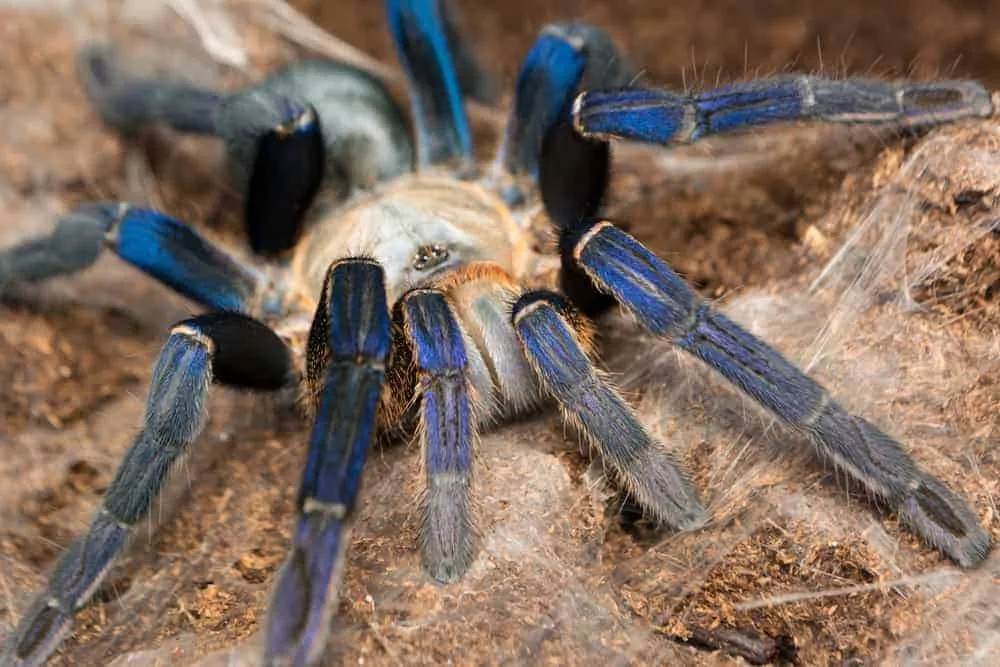
The Cobalt Blue Tarantula, a striking and captivating species, hails from the tropical rainforests of Myanmar and Thailand. Known for its vibrant coloration and defensive nature, this tarantula’s diet is a crucial aspect of its care and well-being. Providing the right nutrition is essential for ensuring your Cobalt Blue Tarantula thrives. This guide provides a comprehensive overview of the best foods for a Cobalt Blue Tarantula, feeding frequency, and hydration needs, helping you become a better pet owner. A well-balanced diet and proper care are key to keeping your pet healthy and happy. Therefore, understanding the dietary needs of your Cobalt Blue Tarantula is paramount to providing a thriving habitat.
Crickets
Crickets are a staple in the diet of many pet tarantulas, including the Cobalt Blue. They are readily available, easy to breed, and provide a good source of protein. Crickets are a naturally occurring food source for tarantulas in the wild. The key to using crickets as a primary food source is to ensure they are gut-loaded. This means feeding the crickets a nutritious diet before offering them to your tarantula. This process increases the nutritional value, as the tarantula will be consuming the nutrients from the cricket’s gut. Crickets offer the advantage of being a live prey, which stimulates the tarantula’s natural hunting behavior and providing mental enrichment for the spider.
Nutritional Value of Crickets

Crickets are an excellent source of protein, which is essential for the growth and development of a Cobalt Blue Tarantula. They also contain chitin, an important component of the exoskeleton. The nutritional value of crickets can be enhanced through gut-loading. Gut-loading involves feeding the crickets a diet rich in vitamins and minerals. This can be achieved by providing them with a diet of fresh vegetables, fruits, and commercially available cricket food. By gut-loading your crickets, you ensure your tarantula receives a well-rounded diet. Crickets’ bodies contain a high percentage of water, which helps to keep your tarantula hydrated. Crickets are also a good source of fiber, which aids in digestion.
Preparation Tips for Crickets
Before feeding crickets to your Cobalt Blue Tarantula, it’s crucial to prepare them properly. First, ensure the crickets are of an appropriate size for your tarantula. The general rule of thumb is to offer prey no larger than the tarantula’s body size. Before feeding, remove any uneaten crickets to prevent them from stressing the tarantula, and to prevent potential harm or injury. The uneaten crickets can also annoy the tarantula. You can do this by gently removing them with tongs. It’s also recommended to dust the crickets with a calcium and vitamin supplement. This ensures the tarantula receives essential nutrients that might be lacking in the cricket’s diet. Always keep the cricket’s enclosure clean and provide them with fresh water to drink.
Roaches
Roaches, like crickets, are a nutritious and readily available food source for Cobalt Blue Tarantulas. They offer a good balance of nutrients and are generally easy to breed and maintain. Roaches are slightly more robust than crickets, providing a more substantial meal for the tarantula. This can be particularly beneficial for larger, adult tarantulas. The ease of breeding roaches makes them a sustainable option. This reduces the need to frequently purchase live feeders. Always consider the roach’s size to the tarantula.
Why Roaches are a Great Food Source

Roaches have several advantages over crickets. They tend to live longer, making them less likely to escape in the enclosure. Roaches also have a higher meat-to-exoskeleton ratio, meaning they provide more nutritional value per bite. Roaches are relatively easy to breed in captivity, providing a consistent food source. They are also less noisy than crickets, making them a quieter option for pet owners. Many keepers find roaches more manageable than crickets. They are generally less likely to escape. Roaches have a slightly harder exoskeleton, which can contribute to the tarantula’s digestive health.
Roach Species to Avoid
Not all roach species are suitable for feeding to your Cobalt Blue Tarantula. Avoid using wild-caught roaches, as they may carry parasites or have been exposed to pesticides. The most common and safe roach species for tarantulas include Dubia roaches and hissing roaches. These species are readily available from reputable breeders. Stay away from roaches that are too large, as they can pose a risk to your tarantula. Always quarantine new roaches before introducing them to your tarantula’s enclosure, this helps reduce the risk of introducing parasites. Always verify the roach’s source, and ensure they are bred for reptile or invertebrate consumption.
Mealworms
Mealworms are another option, though they are not as nutritionally complete as crickets or roaches. Mealworms are the larvae of the darkling beetle. Mealworms are readily available and easy to store, making them a convenient option for pet owners. They are often a favorite of smaller tarantulas or can be offered as a treat to larger ones. Mealworms are a good source of protein and fat. Mealworms are generally less active than crickets, which can make them easier for the tarantula to catch. Mealworms are generally slow-moving and thus less likely to burrow or escape in the tarantula’s enclosure.
Benefits of Mealworms

Mealworms offer several benefits. They are easy to store and maintain, requiring minimal care compared to crickets or roaches. They are also less likely to escape from the enclosure. Mealworms can be a good source of protein, especially for growing tarantulas. Mealworms are a less active prey option, making them suitable for tarantulas. Mealworms offer a variety of textures and feeding behaviors for the tarantula. They are usually available at most pet stores that carry reptile or exotic pet supplies.
How to Properly Feed Mealworms
When feeding mealworms, it’s essential to be mindful of their nutritional profile. Mealworms are high in fat and chitin. Use mealworms as a supplement rather than the primary food source. You can gut-load the mealworms with nutritious food. This will help to enhance the nutritional value they provide. Offer a limited number of mealworms at a time. This minimizes the risk of uneaten mealworms in the enclosure. Avoid overfeeding with mealworms, as this can lead to obesity and health problems. If your tarantula is not eating the mealworms, remove them to prevent stress. Always monitor your tarantula’s feeding response to adjust the mealworm quantity accordingly.
Waxworms
Waxworms, the larvae of wax moths, are a high-fat treat that should only be offered occasionally. They provide a burst of energy but are not nutritionally balanced for a tarantula’s diet. Waxworms should be used sparingly to prevent obesity. They can, however, be a good way to stimulate a tarantula’s appetite. It can be especially useful if a tarantula is refusing other foods. The high fat content of waxworms can contribute to a tarantula’s weight gain. Their high fat content makes them a less desirable staple food source for tarantulas. Waxworms should only be offered as an occasional treat, as a result of the elevated levels of fat.
Waxworms as Occasional Treats
Waxworms can serve as a useful treat to stimulate appetite in tarantulas, especially when they appear to lose interest in their regular diet. They provide a tempting high-fat snack. Waxworms can be beneficial in helping a tarantula gain weight if it is underweight. The appeal of waxworms can tempt a tarantula to eat. Keep in mind that this should only be a supplementary, occasional food source. Always remember, moderation is key when offering waxworms. They can be particularly effective in encouraging a tarantula to eat. Always limit the quantity to a few waxworms at a time. This practice mitigates potential health issues.
Overfeeding with Waxworms
Overfeeding waxworms can lead to several health problems for your Cobalt Blue Tarantula. Excess fat intake can lead to obesity and a shorter lifespan. Waxworms provide minimal nutritional value other than fat, so regular consumption can lead to deficiencies. Obesity can affect the tarantula’s ability to molt properly, leading to complications. Excessive waxworm consumption can also strain the tarantula’s digestive system. Avoid offering waxworms too frequently to maintain a healthy diet. Monitor your tarantula’s overall health and behavior. Adjust feeding frequency based on the tarantula’s response. Waxworms should never be a primary part of the Cobalt Blue Tarantula’s diet.
Other Insects and Considerations
While the primary diet of Cobalt Blue Tarantulas consists of the above-mentioned insects, other options can also be considered. These options should always be evaluated. Always take into consideration the nutritional value. Varying your tarantula’s diet can provide a more balanced nutritional intake. Ensure the prey is safe and free from parasites. When introducing new foods, it’s important to observe your tarantula’s response and adjust the diet accordingly. Always do your research to ensure the safety of the food. Observe the tarantula for health changes. You should consult with a veterinarian experienced in exotic animals for any specific dietary needs.
Locusts as a Food Option

Locusts can also be offered as food, providing a good source of protein and fiber. Locusts are relatively high in protein and can be a good addition to the diet. Locusts are relatively easy to digest for tarantulas, making them a valuable food source. Locusts can be beneficial in adding variety to the tarantula’s diet. Always ensure that the locusts are sourced from a reputable supplier. Always avoid wild-caught locusts. They might be carrying parasites. Locusts can be a great way to change the feeding behavior of a tarantula. Always monitor the tarantula’s response to locusts. Adjust the frequency of feeding accordingly.
Wild-Caught Insects Risks
Feeding wild-caught insects to your Cobalt Blue Tarantula carries significant risks. Wild insects can carry parasites, diseases, or be contaminated with pesticides. These contaminants can be fatal to your tarantula. There is a risk of exposing your tarantula to harmful substances. Wild insects can also be exposed to toxic chemicals. Wild insects can also introduce mites or other unwanted pests into the enclosure. Therefore, it’s best to avoid feeding wild-caught insects to your tarantula. Always source your insects from a reputable breeder or supplier. Always quarantine newly purchased insects before feeding them to your tarantula. Prioritize the health and safety of your pet.
How Often to Feed a Cobalt Blue Tarantula
The feeding frequency for a Cobalt Blue Tarantula varies depending on its age. Juveniles require more frequent feedings to support their growth. Adults can be fed less frequently. Other factors like molting and overall health play a vital role in feeding habits. Always consider the activity level and body condition of your tarantula. A well-fed tarantula will appear plump. Adjust the feeding schedule based on the tarantula’s appetite and behavior. Overfeeding should be avoided to prevent obesity and health issues. Monitor your tarantula closely to ensure optimal health. The Cobalt Blue Tarantula’s feeding schedule needs to be adjusted over its lifetime.
Feeding Frequency for Juveniles

Juvenile Cobalt Blue Tarantulas, being in their growth phase, need more frequent feeding. Young tarantulas should typically be fed two to three times a week. They have faster metabolisms and require more energy to support growth. The size of the prey should be appropriately scaled. Choose prey items that are smaller than the tarantula’s body. Always monitor the juvenile’s feeding response. Adjust the frequency accordingly. Offering a variety of food options promotes better growth and development. Avoid overfeeding the juveniles, as this can be detrimental to their health. A well-fed juvenile tarantula will have a rounded abdomen. It is a sign of good health and nutrition.
Feeding Frequency for Adults
Adult Cobalt Blue Tarantulas have slower metabolisms and thus require less frequent feeding. They can be fed once every one to two weeks. The exact frequency also depends on the individual tarantula’s appetite. Observe the tarantula for signs of being hungry. Adults have a slower metabolism and require fewer meals. Overfeeding an adult tarantula can lead to obesity. This could lead to health complications. The amount of food also depends on the size of the tarantula. Adult tarantulas should be offered larger prey items. Adjust the feeding schedule as necessary based on the tarantula’s health. An adult tarantula can go for an extended period without feeding if it is preparing to molt. Always ensure a clean water source is available.
Water and Hydration Needs
Water is essential for the Cobalt Blue Tarantula’s survival. Always provide a shallow water dish filled with fresh, clean water. The water dish should be accessible but small. It should be shallow enough to prevent the tarantula from drowning. The water should be changed regularly. This prevents the growth of bacteria. Provide a water source, like a water dish, in the enclosure. Ensure the water dish is accessible at all times. The water bowl should be cleaned regularly. The tarantula relies on the water source to maintain proper hydration. Always monitor the water level and top it up as needed. The right hydration is a vital part of a tarantula’s care. This should always be given in the habitat.