What is a Cobalt Blue Tarantula?
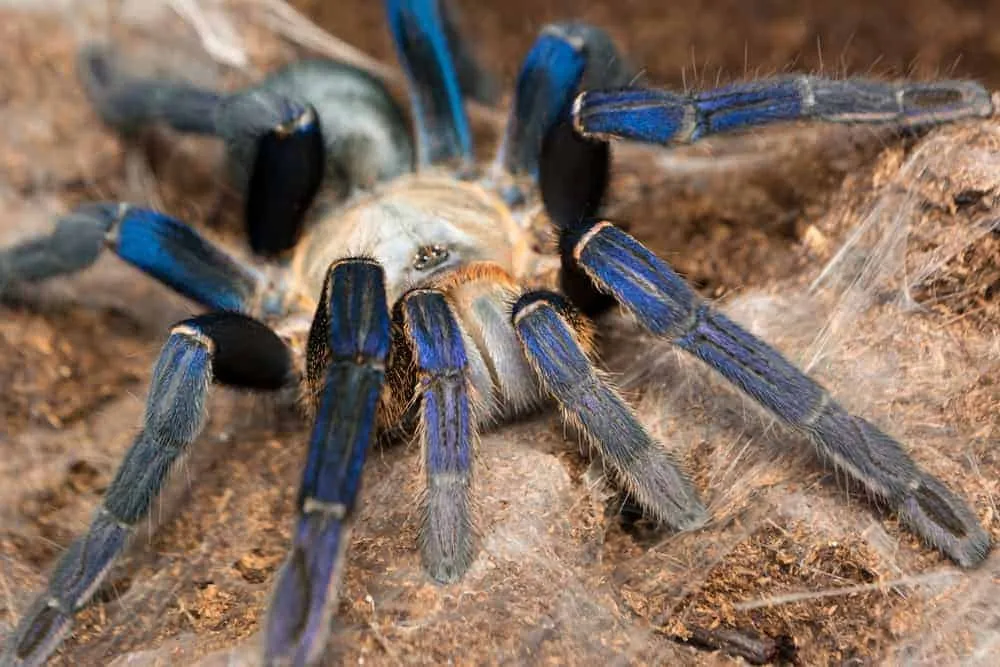
The Cobalt Blue Tarantula (Cyriopagopus lividus) is a striking and captivating arachnid known for its vibrant metallic blue coloration. Native to the tropical forests of Southeast Asia, particularly Myanmar and Thailand, this tarantula is a popular choice among exotic pet enthusiasts due to its unique appearance. However, its beauty is coupled with a venomous nature, making it essential to understand its characteristics and potential dangers. This comprehensive guide delves into the facts surrounding the Cobalt Blue Tarantula, exploring its venom, bites, and whether it poses a threat to humans.
Appearance and Characteristics
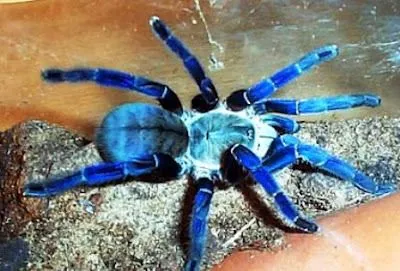
As its name suggests, the Cobalt Blue Tarantula is renowned for its striking blue coloration. This color is most prominent on its legs and carapace, creating a stunning contrast against its black or dark gray body. These tarantulas are medium-sized, with a leg span that can reach up to 5-6 inches (12-15 cm) when fully grown. Females tend to be larger than males, and their lifespan is also longer, often living for 12-15 years, while males typically live for 3-5 years. They possess urticating hairs on their abdomen, which they can flick off as a defense mechanism, causing irritation to potential threats.
Natural Habitat and Distribution

Cobalt Blue Tarantulas are endemic to the tropical rainforests of Myanmar and Thailand. They are terrestrial spiders, meaning they primarily live on the ground, and construct burrows in the soil or under logs and rocks. These habitats are typically warm and humid, providing the ideal conditions for the tarantulas to thrive. Their natural environment plays a crucial role in their health, and in captivity, it is essential to replicate these conditions to ensure their well-being. They are often found in areas with dense vegetation and plenty of cover to help them ambush prey.
Cobalt Blue Tarantula Venom
Like all tarantulas, the Cobalt Blue Tarantula possesses venom, which it uses to subdue its prey. The venom is injected through its fangs, which are relatively large for its size. The composition and effects of the venom are essential aspects to understand when considering the danger it poses to humans. The venom’s potency and the amount injected during a bite determine the severity of the reaction.
Venom Composition and Effects
The venom of the Cobalt Blue Tarantula contains a complex mixture of enzymes, peptides, and other compounds. These substances are designed to immobilize and, ultimately, kill the spider’s prey, typically insects and small animals. The effects of the venom on humans can vary depending on the individual and the amount of venom injected. Common symptoms include localized pain, swelling, muscle cramps, and redness around the bite site. More severe reactions are rare but can include nausea, vomiting, and in extreme cases, an allergic reaction.
Risk to Humans

The Cobalt Blue Tarantula is not considered to be a highly dangerous tarantula to humans. Their venom is not as potent as that of some other species, and bites are rarely life-threatening. However, the bite can be painful and cause discomfort. It is essential to treat any bite seriously and seek medical attention if symptoms worsen or if the individual experiences an allergic reaction. While not deadly in most cases, it’s always wise to exercise caution and avoid unnecessary contact with this spider.
Cobalt Blue Tarantula Bites
Understanding the circumstances surrounding a Cobalt Blue Tarantula bite is crucial for assessing the risks and providing appropriate treatment. The spiders typically bite as a defensive measure, triggered by perceived threats. Therefore, it is essential to handle these spiders with care and avoid any actions that may provoke them, such as sudden movements or direct contact. Being informed about bite symptoms and treatment options can help to minimize the impact of a bite.
Bite Symptoms and Treatment
The symptoms of a Cobalt Blue Tarantula bite typically include immediate pain at the bite site, along with redness and swelling. Other common symptoms are muscle cramps, and in some cases, nausea or vomiting. In severe cases, allergic reactions can occur, leading to difficulty breathing or a rapid heartbeat. The treatment for a bite involves cleaning the wound with soap and water. Applying a cold compress to the area can help reduce pain and swelling. Over-the-counter pain relievers can also be taken to manage discomfort. If symptoms worsen, or if any allergic reaction occurs, seek medical attention immediately.
First Aid and Medical Attention
If bitten by a Cobalt Blue Tarantula, the first step is to remain calm and remove yourself from the vicinity of the spider. Clean the bite area thoroughly with soap and water. Apply a cold compress to reduce swelling and pain. Monitor for any signs of an allergic reaction, such as difficulty breathing, hives, or swelling of the face or throat. Seek immediate medical attention if such symptoms develop or if you experience severe pain, cramping, or nausea. Inform the medical professionals about the bite, providing as much information as possible about the spider.
Is the Cobalt Blue Tarantula Deadly?
While the Cobalt Blue Tarantula is venomous, it is not generally considered deadly to humans. Its venom is not as potent as that of some other tarantula species, and fatalities from their bites are extremely rare. However, the bite can cause significant discomfort and, in some instances, lead to serious reactions. Therefore, it is essential to treat every bite seriously and to take necessary precautions to minimize the risk of being bitten.
Factors Affecting Severity
Several factors can influence the severity of a Cobalt Blue Tarantula bite. The amount of venom injected, the individual’s sensitivity to the venom, and the location of the bite all play a role. Bites near sensitive areas, such as the face or neck, can be more severe. Furthermore, an individual’s overall health and any pre-existing conditions can affect how they react to the venom. It is also crucial to note that the venom composition can vary slightly between individual tarantulas.
Comparison to Other Tarantulas

When comparing the Cobalt Blue Tarantula to other tarantula species, it’s important to recognize that not all tarantulas are equally dangerous. Some, like the Goliath Birdeater, possess potent venom and can inflict painful bites, while others, such as the Chilean Rose Hair tarantula, are known for their milder venom and temperament. The Cobalt Blue Tarantula falls somewhere in between, with a venom potency that is less severe than some, but still capable of causing significant discomfort. Its defensive nature means that it can be more prone to biting than more docile species, underscoring the importance of handling with care.
Cobalt Blue Tarantula Care and Safety
Proper care and responsible handling are essential for the safety of both the Cobalt Blue Tarantula and its owner. By creating a suitable habitat, handling the spider with caution, and understanding its behavior, it is possible to minimize risks and enjoy the beauty of this unique creature. This part highlights the necessary steps for ensuring safe interaction and the well-being of the tarantula in a captive environment.
Handling and Interaction
It is generally best to avoid handling Cobalt Blue Tarantulas unless absolutely necessary, such as for cage maintenance or medical reasons. These tarantulas are known for their defensive nature and can bite if they feel threatened. If handling is required, do so slowly and gently, avoiding any sudden movements that could startle the spider. Always supervise children when they are near the tarantula’s enclosure and educate them on respecting the spider. Use tools, such as long forceps, when handling to avoid direct contact. Be aware that even if a tarantula seems calm, it can still bite if provoked.
Responsible Ownership
Responsible ownership includes providing the tarantula with a suitable habitat. This involves ensuring the enclosure is of an appropriate size, with proper ventilation, and a secure lid to prevent escape. Maintaining the correct temperature and humidity levels is critical for the spider’s health. Offer a varied diet of insects and provide fresh water. Research and understand the specific needs of the species before acquiring a Cobalt Blue Tarantula. Proper research, responsible handling, and proactive measures are vital to the health of the tarantula and the safety of its owner.
In conclusion, the Cobalt Blue Tarantula, while venomous, is not generally considered deadly to humans. However, its bite can be painful, and it is crucial to handle these spiders with care and respect. Understanding their characteristics, venom, and behavior is essential for responsible ownership and for minimizing the risks associated with keeping them as pets. By following the recommended safety guidelines and providing proper care, you can ensure both your well-being and the tarantula’s health.