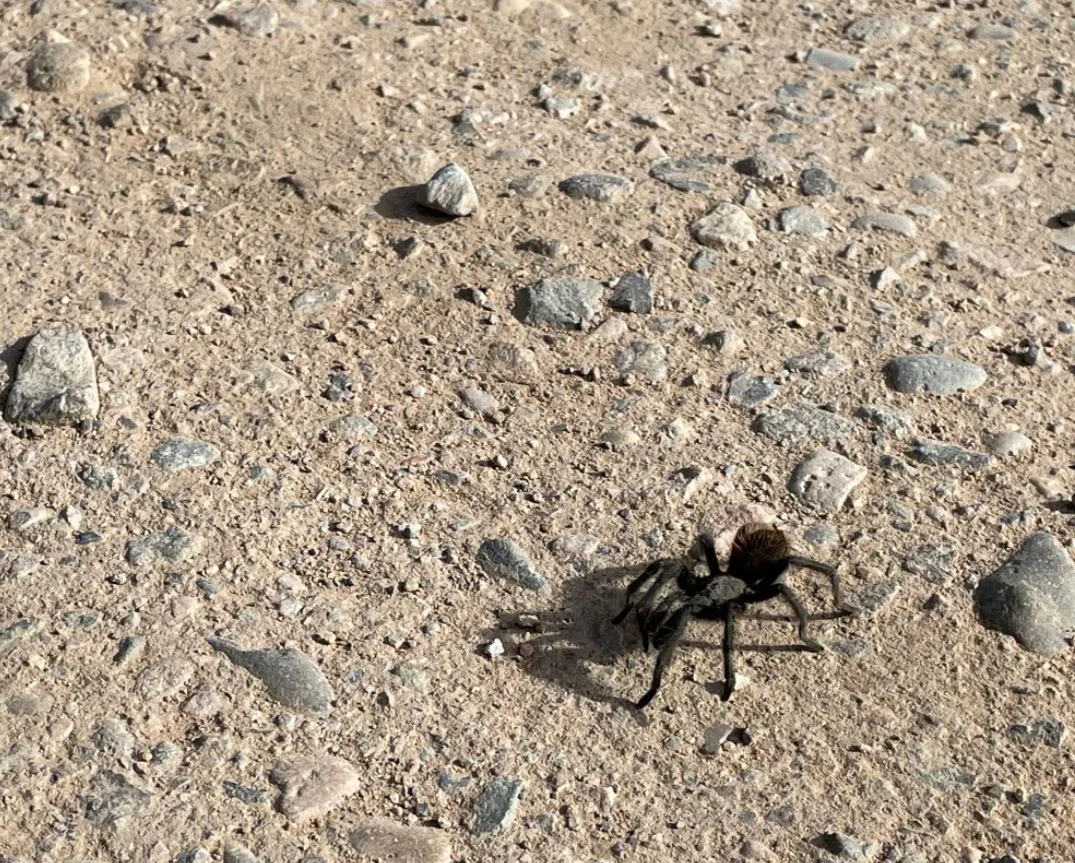
What is Tarantula Migration
Tarantula migration is a fascinating natural phenomenon where large numbers of tarantulas move from their burrows to find mates. This usually occurs during the late summer and early fall. During this period, male tarantulas, in search of a female, embark on a journey that can be quite impressive to witness. The migration is a crucial part of the tarantula’s life cycle, ensuring the continuation of their species. It is a sight to behold and a testament to the power of instinct and the natural world. This journey often involves crossing roads, fields, and other obstacles, making it a test of endurance for these creatures. This migration is a key indicator of the health of the local ecosystem and a chance to observe the wonders of wildlife.
Why Do Tarantulas Migrate
The primary reason for tarantula migration is reproduction. Male tarantulas, reaching sexual maturity, leave their burrows to find a mate. They follow pheromone trails left by receptive females. This journey can take them considerable distances, often covering several miles in search of a suitable mate. This instinctual behavior is driven by the need to pass on their genes, ensuring the survival of their species. The migration also provides an opportunity for tarantulas to expand their habitat and colonize new areas. It is a delicate balance of survival and the continuation of their species, played out yearly across the Colorado landscape. The timing of the migration is influenced by several environmental factors, including temperature and rainfall, so understanding these factors is essential to understanding the whole migration.
Understanding Colorado’s Climate and Tarantulas

Colorado’s climate plays a significant role in the tarantula migration. The state’s diverse landscape, ranging from the high Rocky Mountains to the plains, influences the timing and location of these migrations. The warmer temperatures of late summer and early fall trigger the males to emerge from their burrows. The tarantulas are specifically adapted to the climate of the areas where they reside. The timing of the migration correlates with weather patterns, making it essential to monitor these conditions to predict the peak viewing times. The availability of food sources and suitable habitats also influences where tarantulas can thrive. Understanding the interplay between the climate and the tarantulas is essential to appreciate this natural event.
The Best Times for Tarantula Migration in Colorado
The peak of tarantula migration in Colorado usually occurs from late August to early October. This is when the weather conditions are most favorable, with warm days and cooler nights. The exact timing can vary depending on the specific location and the year’s weather patterns. For the best viewing opportunities, it’s important to check local weather forecasts and any reports from wildlife organizations. Early mornings and late afternoons are often ideal viewing times, as the tarantulas are most active during these cooler periods. Timing your visit during these times can increase your chances of witnessing this spectacular event. The peak of the migration is a time of excitement for both wildlife enthusiasts and photographers.
Where to See Tarantula Migration in Colorado
Several areas in Colorado are known for their tarantula migrations, particularly in the eastern and southern parts of the state. These regions offer suitable habitats for the tarantulas, including grasslands and open fields. Specific locations vary, but areas with large open spaces and minimal human disturbance are usually ideal. State parks and wildlife refuges often provide excellent viewing opportunities and are often the best places to start your search. Local wildlife organizations can provide up-to-date information about the best viewing spots and any potential access restrictions. Remember to respect the environment and the tarantulas’ habitat to ensure the sustainability of this natural wonder.
Eastern Colorado Hotspots

Eastern Colorado is a prime location for tarantula migration viewing. Areas around towns like Lamar and La Junta are particularly known for their large tarantula populations. These regions feature vast grasslands that provide ideal habitats for the spiders. The open landscapes make it easier to spot the tarantulas as they move across the terrain. Many local roads offer good viewing spots, but be cautious when driving. Check local guides or websites for any specific recommendations or restrictions regarding viewing locations. The expansive views of the eastern plains offer a unique backdrop for witnessing this natural spectacle.
Southern Colorado Viewing Areas
Southern Colorado, with its varied terrain, also offers excellent viewing opportunities for tarantula migration. Areas near the Arkansas River and surrounding grasslands are home to several tarantula populations. These areas provide a different landscape compared to the eastern plains, adding to the diversity of viewing experiences. Local wildlife refuges and parks in this region provide ideal spots for observing the migration. Be prepared for potentially cooler temperatures and varying landscapes. This part of the state also offers a chance to combine tarantula viewing with other outdoor activities, making it a worthwhile destination.
Tips for Observing Tarantula Migration Safely
Observing tarantula migration can be a rewarding experience, but it is important to prioritize safety. Maintain a respectful distance from the tarantulas. While they are generally not aggressive, they may bite if they feel threatened. Avoid any sudden movements or loud noises that could startle them. It is also wise to watch out for other potential hazards in the field. It is essential to be aware of your surroundings and take the necessary precautions. Do not attempt to handle or touch the tarantulas, as this can put you and the spiders at risk. Proper planning and respect for the wildlife are critical to a safe and enjoyable experience.
What to Wear and Bring

When viewing tarantula migration, it is important to dress appropriately. Wear sturdy shoes to protect your feet while walking across uneven terrain. Long pants and closed-toe shoes are recommended to protect your legs from potential bites and other hazards. Bring along water to stay hydrated. Sunscreen, a hat, and sunglasses are also essential to protect yourself from the sun. A pair of binoculars can enhance your viewing experience. A camera can help you capture the incredible scenes you’re observing. Being prepared with the proper attire and gear will make your experience more comfortable and enjoyable.
Respecting the Tarantulas and Their Habitat
Respect for the tarantulas and their habitat is crucial when observing their migration. Avoid disturbing the spiders or their environment. Stay on designated trails or paths to minimize your impact on the natural surroundings. Do not litter or leave any trash behind. Avoid using flash photography, as it can be disruptive to the tarantulas. Observe the spiders from a distance and let them move naturally. By practicing responsible viewing, you can help protect these amazing creatures and their habitats for future generations. Remember that you are a guest in their environment, so treat it with respect.
Tarantula Migration Myths vs Facts
There are many myths and misconceptions surrounding tarantula migration. One common myth is that the tarantulas are aggressive and dangerous to humans. The reality is that they are generally docile and will only bite if they feel threatened. Another myth suggests that the migrations occur in response to specific weather events. The facts are that while weather can influence the timing, the primary driver is the reproductive cycle. The true facts are often quite different than the rumors. Separate facts from fiction by consulting reputable sources. Understanding the facts can enhance your appreciation for these unique creatures.
Debunking Common Misconceptions

Debunking misconceptions is crucial for a better understanding of tarantula migration. One common misconception is that all tarantulas are venomous. While they all possess venom, it’s usually not life-threatening to humans. Some people believe that the tarantulas migrate to escape predators. The primary reason for migration is to find mates. Another common misconception is that the tarantulas are always out in large numbers. The numbers can vary based on local population, time of year, and weather conditions. By dispelling these common myths, we can appreciate the tarantula migration more accurately.
The Future of Tarantula Migration in Colorado
The future of tarantula migration in Colorado depends on several factors. Habitat preservation is essential to protect the areas where tarantulas live and migrate. Climate change could affect the timing and duration of the migration. Monitoring tarantula populations is crucial for understanding any changes and responding to threats. It requires sustained conservation efforts to ensure that future generations can experience this unique natural event. The combined efforts of wildlife organizations, local communities, and government agencies are essential to securing the future of tarantula migration in Colorado.
Conservation Efforts and Challenges
Conservation efforts play a vital role in preserving tarantula migration. Several organizations are working to protect tarantula habitats and promote responsible viewing. These efforts include habitat restoration projects, educational programs, and public outreach. A key challenge is balancing human activities with wildlife conservation. Another challenge is the impact of climate change on tarantula populations and habitats. Addressing these challenges requires collaboration, scientific research, and public support. These efforts help ensure that future generations can witness and appreciate this magnificent natural phenomenon.