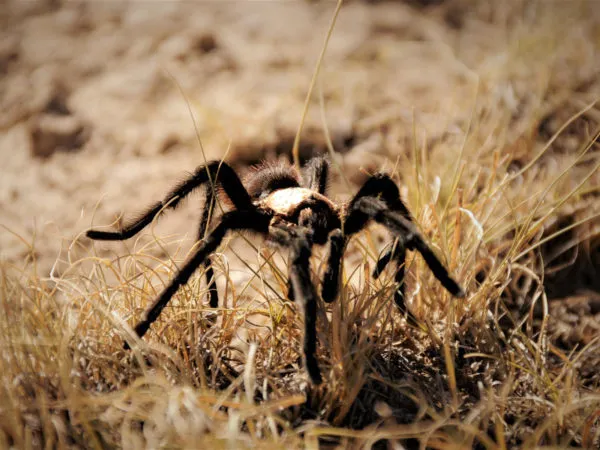
What is the Colorado Tarantula Migration
The annual Colorado tarantula migration is a remarkable natural phenomenon where thousands of male tarantulas embark on a journey. This incredible event unfolds primarily in southeastern Colorado, where the male tarantulas emerge from their burrows in late summer and early fall. They begin their trek across the open grasslands in search of a mate. This mass movement, driven by primal instincts, offers a unique spectacle for wildlife enthusiasts and nature photographers. The migration typically lasts for several weeks, during which the spiders are highly visible and active, providing an excellent opportunity to observe these fascinating creatures in their natural habitat. It is a time when the vast plains transform into a stage for nature’s drama, captivating all who witness it. The migration is not only a spectacle but also an integral part of the tarantulas’ life cycle, ensuring the continuation of their species. Witnessing this event offers a glimpse into the complex behaviors and ecological roles of these often misunderstood arachnids.
The Tarantula Species Involved
The primary species involved in the Colorado tarantula migration is the Oklahoma Brown tarantula (Aphonopelma hentzi). This species is well-adapted to the arid and semi-arid environments of the region. Male Oklahoma Brown tarantulas, easily identified by their larger size and longer legs compared to females, are the main participants in the migration. Their appearance and behavior during this period are distinctive, making them readily identifiable to observers. The females, being less mobile, typically remain in their burrows. These spiders are not typically aggressive but can bite if they feel threatened. Therefore, observing them from a distance and respecting their space is vital for a safe and enjoyable experience. Understanding the species is crucial for both appreciating the phenomenon and ensuring that the observation is conducted responsibly, minimizing any disturbance to their natural behavior and environment.
Timing of the Migration

The timing of the Colorado tarantula migration is generally predictable, occurring annually during the late summer and early fall, typically from late August through September. The exact start and duration can vary slightly each year depending on weather conditions, particularly temperature and rainfall. The migration usually peaks in early to mid-September, when the greatest number of tarantulas are active and visible. Keeping an eye on local weather forecasts and reports from previous years helps in predicting the best time to observe the migration. Plan your visit carefully to coincide with the peak activity for the most rewarding experience. Observing the tarantulas during this period offers excellent opportunities for photography and wildlife watching. Careful timing will increase the chances of witnessing this spectacular display of nature.
Where to Witness the Migration
The Colorado tarantula migration primarily takes place in the grasslands of southeastern Colorado. Popular locations include areas around La Junta, Las Animas, and the Comanche National Grassland. These regions offer vast open spaces ideal for spotting the migrating tarantulas. The tarantulas tend to traverse open roads and trails, making them more accessible for observation. When planning your visit, it is important to obtain detailed information about specific observation locations. Local wildlife organizations, nature centers, and tourism offices can provide valuable insights into the best spots. Remember to respect private property and avoid disturbing the environment. Some areas may have designated viewing areas or trails to minimize impact on the habitat. Consider the ease of access, the availability of parking, and the safety of the area before setting out to observe the migration. Staying informed and prepared will make for a safer and more enjoyable experience.
Behavior during Migration
During the Colorado tarantula migration, the male tarantulas exhibit specific behaviors. They are primarily focused on finding a mate. They walk across the grasslands, often covering significant distances, driven by their biological imperative. Their gait is deliberate and purposeful, often with a characteristic pause-and-go movement as they search for female burrows. Male tarantulas may also be seen displaying courtship behaviors near female burrows. These behaviors include drumming their pedipalps (mouthparts) and tapping their legs to attract a female’s attention. They are less likely to be aggressive toward humans unless provoked or threatened. However, it is essential to observe them from a safe distance and avoid any actions that might startle or agitate them. Their behavior is a fascinating display of animal instincts. Careful observation will provide a deeper appreciation for their life cycle and survival strategies.
Why the Migration Happens

The primary reason for the Colorado tarantula migration is the tarantulas’ mating season. Male tarantulas embark on this journey to find receptive females and reproduce. The migration is triggered by hormonal changes, combined with environmental cues like the seasonal shift and the decrease in daylight hours, prompting the males to leave their burrows. The males are driven to search for the burrows of mature females, emitting pheromones that signal their readiness to mate. The migration ensures the continuation of the species. The males’ efforts to locate mates maximize reproductive success. The behavior is a critical component of their life cycle, ensuring that future generations thrive. The entire process, from migration to mating, represents a complex and coordinated biological strategy designed to perpetuate the tarantula population.
Mating Season
The tarantula migration coincides with the mating season, when mature male tarantulas become sexually active. Their sole purpose is to find and mate with females. This is a critical phase in their life cycle. The males, having reached sexual maturity, are now driven by instinct. The females typically remain in their burrows. Their presence is the key factor drawing the migrating males across the open terrain. The males’ efforts to find mates are a race against time. The duration of the mating season is relatively short. It is essential for the males to find and mate with a female before the end of the season. Once they find a suitable mate, the males perform courtship rituals, and the mating process begins. Understanding the timing and conditions during the mating season is crucial for appreciating the complexity of the migration.
Finding a Mate
The process of finding a mate during the Colorado tarantula migration involves several steps. Once a male tarantula leaves his burrow, he begins his search across the grasslands, relying on his senses to locate a female’s burrow. Males detect pheromones emitted by receptive females. They can also locate burrows by following trails or detecting vibrations in the ground. Upon locating a female’s burrow, the male initiates courtship behavior. This includes tapping, drumming, and other displays to attract the female. The male must demonstrate his fitness and signal his intentions safely. If the female is receptive, mating takes place, a brief and sometimes dangerous encounter for the male. After mating, the male usually retreats to avoid being cannibalized. The whole mating process is a delicate balance of instinct, survival, and the continuation of the species, making it a remarkable display of nature’s strategy.
The Role of Climate

Climate plays a significant role in the annual Colorado tarantula migration. The timing and intensity of the migration are heavily influenced by environmental conditions. Temperature, humidity, and precipitation patterns directly impact the tarantulas’ activity and behavior. Warm temperatures typically encourage the tarantulas to emerge from their burrows. The timing of these climatic factors can determine the start and duration of the migration. The interaction of these climatic elements sets the stage for this seasonal spectacle. Unusual weather patterns can disrupt or delay the migration. Monitoring the climate’s influence offers deeper insight into the intricate relationship between the tarantulas and their environment.
Temperature and Humidity
Temperature and humidity are key factors that influence the Colorado tarantula migration. Warm temperatures are essential to trigger the tarantulas’ emergence from their burrows. The optimal temperature range for activity is typically during the warmer months of late summer and early fall. Humidity levels also affect their behavior. Higher humidity levels may encourage the tarantulas to remain active and move more freely. Prolonged periods of extreme heat or drought can sometimes delay or reduce the migration’s intensity. Monitoring the weather conditions helps in anticipating the peak activity of the migration. The interplay between temperature and humidity sets the conditions for the tarantulas’ movement and mating rituals.
Impact of Weather
Weather conditions significantly impact the Colorado tarantula migration. Heavy rainfall can saturate the burrows and make it difficult for the tarantulas to move, potentially delaying the migration. Strong winds can also pose a challenge for these creatures. Prolonged drought can reduce the tarantulas’ activity, as they may conserve energy and remain in their burrows to avoid desiccation. Unusually cold snaps during the migration period can also decrease activity. The impact of these weather events will vary annually, creating fluctuations in the timing and intensity of the migration. Keeping abreast of the local weather forecast is crucial for planning your viewing trip. The unpredictable nature of the weather adds a layer of excitement to observing this unique natural event.
Conservation Status of Tarantulas

The conservation status of tarantulas is a critical aspect of understanding and appreciating the annual Colorado migration. While the Oklahoma Brown tarantula is not currently listed as endangered or threatened, habitat loss and other factors pose potential threats to their populations. Conservation efforts are underway to preserve their natural habitats. Monitoring these arachnids helps assess their population levels. The focus remains on maintaining healthy ecosystems for tarantulas to thrive. It’s important to remain aware of the broader environmental factors that influence their long-term survival. Understanding the conservation status helps in promoting sustainable practices for viewing and protecting tarantulas.
Threats to Tarantulas
Tarantulas face several threats that can impact their populations. Habitat loss, due to agricultural expansion, urbanization, and other development projects, is a significant concern. The use of pesticides and other chemicals can also negatively affect tarantula populations. Climate change can also pose a risk, as changing weather patterns may disrupt their life cycles and habitat suitability. Human interference, such as collecting tarantulas or disturbing their habitats, can also be a problem. Protecting tarantulas involves addressing these threats through habitat preservation, responsible land management, and public education. Raising awareness is critical for ensuring the long-term health of tarantula populations.
Conservation Efforts
Conservation efforts are crucial for protecting the Colorado tarantula population and their habitat. Land management practices that prioritize habitat preservation are essential. These efforts include creating protected areas, implementing sustainable agricultural practices, and controlling pesticide use. Educating the public about tarantulas and their importance in the ecosystem is also vital. Community involvement, research, and monitoring programs contribute to understanding the needs of these creatures. Supporting wildlife organizations working on tarantula conservation is an effective way to contribute to these efforts. Active conservation efforts safeguard tarantula habitats. Long-term preservation ensures the continuation of the tarantula migration for future generations to enjoy.
Tips for Observing the Migration

Observing the Colorado tarantula migration offers a remarkable wildlife experience. However, it is essential to be prepared and follow certain guidelines for a safe and enjoyable experience. Planning your trip carefully is key to maximizing your viewing opportunities. Learning more about the species involved, their behavior, and their habitat will enhance the experience. Respecting the environment and the wildlife, and adhering to safety precautions, are all important aspects of responsible wildlife viewing. Remember, observing the tarantulas in their natural habitat is a privilege. Responsible tourism ensures that this incredible phenomenon can be appreciated by future generations.
Best Time to Observe
The best time to observe the Colorado tarantula migration is during the peak activity period, typically in early to mid-September. This is when the largest number of male tarantulas are active. Monitoring local weather forecasts and reports from previous years can help you pinpoint the ideal time. It is often more active during the late afternoon and early evening hours, so planning your visit accordingly can increase your chances of seeing them. Arriving early in the day allows you to get settled and scout for suitable viewing spots. Being patient and observant are essential, as tarantulas may take time to appear. Remember, the precise timing of the migration can vary slightly from year to year. Flexibility in your travel plans allows you to make the most of the experience.
Safety Precautions
Taking appropriate safety precautions is crucial when observing the Colorado tarantula migration. While tarantulas are generally not aggressive, it is wise to maintain a safe distance. Avoid handling or provoking them. Wearing sturdy footwear and long pants provides protection against bites. Staying on marked trails and avoiding dense vegetation minimizes the risk of encountering other hazards. Carrying a first-aid kit, including supplies for treating insect bites, is recommended. Informing someone of your location and expected return time is also essential. Be aware of your surroundings and watch out for other wildlife, such as snakes or other creatures. Respect the natural habitat and practice Leave No Trace principles by packing out everything you pack in. Following these safety guidelines ensures that you have a safe and enjoyable experience.