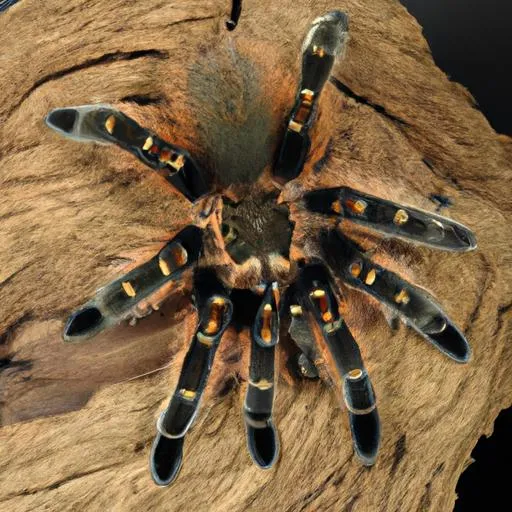
Curly Hair Tarantula: Introduction
The Curly Hair Tarantula, scientifically known as Tliltocatl albopilosus, is a popular pet choice for both beginner and experienced arachnid enthusiasts. Known for their docile nature, relatively low maintenance requirements, and distinctive appearance, these tarantulas offer a fascinating glimpse into the world of invertebrates. Their namesake comes from the curly hairs that cover their bodies, giving them a fuzzy and appealing look. Owning a Curly Hair Tarantula can be a rewarding experience, providing a unique opportunity to observe and learn about a fascinating creature. This guide will provide you with the top 5 essential facts for ensuring your Curly Hair Tarantula thrives.
Fact 1: Habitat Requirements
Creating the right habitat is crucial for the health and happiness of your Curly Hair Tarantula. They need a safe and secure environment that mimics their natural habitat. This includes the right enclosure size, substrate, decorations, and climate conditions. Neglecting habitat requirements can lead to stress, poor health, and even premature death. Providing a suitable environment is the first and most important step in responsible tarantula ownership, setting the stage for a long and fulfilling life for your pet. Let’s delve into the specifics of each aspect of the habitat.
Enclosure Size

A suitable enclosure size is the foundation of a healthy tarantula habitat. For an adult Curly Hair Tarantula, a 10-gallon tank (approximately 20x10x12 inches) is generally sufficient. The enclosure should be escape-proof, with a secure lid to prevent your tarantula from wandering. Although they aren’t particularly active, they still need enough space to move around, explore, and establish a comfortable burrow. Too small of an enclosure can lead to stress, while too large can make it difficult for the tarantula to find its food. It is also important to consider the ventilation of the enclosure, ensuring that air circulates properly to prevent mold and maintain healthy humidity levels.
Substrate and Decorations
The substrate, or bedding, is the foundation of your tarantula’s habitat, providing a comfortable surface for the tarantula to walk on and burrow in. A good substrate choice includes a mix of peat moss, coconut fiber, and a bit of vermiculite. This combination holds moisture well, which is crucial for maintaining the humidity levels required by Curly Hair Tarantulas. Decorations such as cork bark, artificial plants, and a shallow water dish add enrichment to the habitat. These decorations provide hiding places and stimulate the tarantula’s natural behaviors. Make sure to avoid any decorations with sharp edges, and that the overall design is easy to clean.
Temperature and Humidity
Curly Hair Tarantulas thrive in a temperature range of 75-85°F (24-29°C). A small heating pad placed on the side of the enclosure can help maintain this temperature. Humidity levels should be maintained between 65-75%. You can achieve this by regularly misting the enclosure with dechlorinated water, particularly around the substrate. A hygrometer will help you monitor humidity levels. Proper temperature and humidity are crucial for the tarantula’s overall health, facilitating proper molting and preventing dehydration. Incorrect levels can cause problems such as sluggishness and difficulty molting, so keeping a close watch on these elements is essential.
Fact 2: Feeding Your Tarantula

Feeding is a crucial aspect of Curly Hair Tarantula care, ensuring they receive the necessary nutrients to grow and thrive. Understanding what to feed, how often, and how to provide water is vital for their well-being. Overfeeding can be as detrimental as underfeeding, so finding the right balance is key. The size and age of your tarantula will also influence its dietary needs, requiring careful monitoring and adjustments. A healthy feeding regime will contribute to a long and healthy life for your pet. Let’s look at the specifics of feeding and watering your Curly Hair Tarantula.
Frequency and Food Types
The feeding frequency for Curly Hair Tarantulas varies depending on their age. Spiderlings (young tarantulas) should be fed about twice a week, while adults can be fed once every one or two weeks. The food should primarily consist of live insects, such as crickets, mealworms, and dubia roaches. The size of the prey should be appropriate for the size of your tarantula; the general rule is that the prey should be no larger than the tarantula’s abdomen. Always remove any uneaten prey within 24 hours to prevent the insects from stressing the tarantula or potentially harming it. Providing a varied diet ensures your tarantula gets all the necessary nutrients.
Watering Your Tarantula
Providing fresh water is essential. A shallow water dish, filled with clean, dechlorinated water, should always be available. Ensure the water dish is shallow enough to prevent drowning. For spiderlings, you can use a bottle cap or a small dish. Monitor the water level and refill the dish as needed, typically every few days. Additionally, lightly misting the enclosure can help maintain humidity and provide another source of hydration. Proper hydration is critical for molting and overall health. Remember, clean water is vital to keep your tarantula happy and healthy.
Fact 3: Handling and Temperament

Understanding the temperament of your Curly Hair Tarantula and the safe handling practices is extremely important. These tarantulas are generally docile and not prone to biting, but it’s important to remember that they are still wild animals and should be treated with respect. Handling should be kept to a minimum, and careful consideration must be given to the tarantula’s comfort and safety. Developing a strong relationship based on respect and proper care is crucial to a positive pet-owner experience. Let’s explore the specifics of handling and the behavior of these fascinating creatures.
Handling Precautions
While Curly Hair Tarantulas are generally docile, handling should be done with caution. Avoid handling your tarantula if possible, as it can be stressful for them. Always handle them close to the ground or a soft surface, as a fall can be fatal. Be mindful of the tarantula’s behavior; if it appears agitated or defensive, do not attempt to handle it. Always wash your hands thoroughly before and after handling. Never handle a tarantula that is about to molt. Handling is best avoided altogether, because the tarantula is more likely to be stressed and potentially react defensively.
Understanding Tarantula Behavior
Observe your tarantula’s behavior to understand its needs and moods. Curly Hair Tarantulas, when frightened, may flick urticating hairs from their abdomen as a defense mechanism. They may also display a threat posture, raising their front legs. If your tarantula is not eating, it may be stressed or preparing to molt. Understanding these behaviors helps you respond appropriately and ensure your pet’s well-being. Spend time watching your tarantula in its enclosure to become familiar with its normal activities and identify any changes that may indicate a health problem. Recognizing these behaviors enables you to offer better care.
Fact 4: Common Health Issues

Like any pet, Curly Hair Tarantulas can experience health issues. Recognizing the signs of illness and knowing how to prevent them are crucial for responsible pet ownership. Providing a proper habitat, balanced diet, and minimizing stress can go a long way in maintaining a healthy tarantula. Some common health problems, although rare, include parasites, infections, and issues related to molting. Early detection and intervention are essential for successful treatment. Let’s explore some common issues and ways to keep your tarantula healthy.
Signs of Illness
Keep an eye out for signs of illness, such as loss of appetite, lethargy, unusual postures, or changes in the abdomen. A tarantula that refuses to eat for an extended period, even after offering food, may be ill. Look for changes in its behavior and physical appearance. A tarantula that is constantly in a corner or on its back may be indicating a problem. Other signs include fluid leaking, which may indicate an infection, or visible parasites. If you notice any of these signs, it’s important to consult with a veterinarian experienced in treating invertebrates.
Preventative Care
Preventative care is crucial. Providing a clean and appropriate habitat, a balanced diet, and proper humidity and temperature are key. Regularly clean the enclosure, removing any uneaten food and waste. Ensure the water dish is always clean and fresh. Avoid handling your tarantula excessively, as stress can weaken its immune system. If you are unsure about anything, it’s always best to consult with a veterinarian who specializes in reptiles and invertebrates. Proper care helps ensure a long and healthy life for your pet. Regular monitoring of your tarantula is key for good preventative care.
Fact 5: Lifespan and Growth

Understanding the lifespan and growth cycle of a Curly Hair Tarantula is vital for planning and providing proper care. These tarantulas go through a series of molts as they grow, shedding their exoskeleton to reveal a new, larger one. The frequency of molting decreases as they mature, and the overall lifespan can vary. Knowing what to expect during molting and the general life expectancy helps you to better appreciate and care for your pet. Let’s explore the molting process and the lifespan of the Curly Hair Tarantula.
Molting Process
Molting is a natural process where the tarantula sheds its exoskeleton to grow. Before molting, your tarantula may become inactive, lose its appetite, and its abdomen might appear darker. It will typically lay on its back. It’s crucial not to disturb the tarantula during this vulnerable period. The molting process can take several hours. After molting, the tarantula’s new exoskeleton will be soft, and it will remain vulnerable for a few days. Do not feed your tarantula until its fangs have hardened. The molt will remain in the enclosure, and you can remove it once the tarantula is ready to eat again.
Conclusion
Caring for a Curly Hair Tarantula is a rewarding experience. By understanding these top 5 facts – habitat requirements, feeding, handling, health, and lifespan – you can provide the best possible care for your pet. Remember that patience, observation, and a commitment to learning are essential. By following these guidelines, you can ensure a long, healthy, and fulfilling life for your Curly Hair Tarantula. Enjoy the unique experience of owning such an incredible creature. Always prioritize the well-being of your tarantula, and you’ll be rewarded with a fascinating and engaging pet.