
Introduction
Tarantulas, with their imposing size and often hairy appearance, can evoke both fascination and fear. While most tarantula species are not deadly to humans, some possess potent venom and exhibit defensive behaviors that can pose significant risks. Understanding the characteristics that make a tarantula dangerous is crucial for appreciating these creatures and knowing how to interact with them safely. This article delves into the top 5 facts about dangerous tarantulas, exploring their venom, defensive strategies, and the specific species that warrant caution. Whether you’re a seasoned arachnid enthusiast or simply curious, this information will provide valuable insights into the world of these remarkable creatures and their potential hazards.
What Makes a Tarantula Dangerous
The danger posed by a tarantula is multifaceted, stemming from a combination of factors. Venom composition, bite strength, and defensive behaviors all contribute to a tarantula’s potential to inflict harm. Some species have venom that is more toxic than others, leading to varying degrees of pain, discomfort, and in rare cases, more severe systemic effects. Bite strength, related to the size and power of the chelicerae (fangs), determines the depth of penetration and the amount of venom injected. Moreover, tarantulas have evolved defensive mechanisms, such as urticating hairs and aggressive postures, to deter predators and protect themselves when threatened. The interplay of these characteristics defines the overall danger a particular tarantula species presents. Proper understanding of these elements can help in assessing and managing risks when encountering these arachnids.
Venom and Bite Strength

The potency of tarantula venom varies significantly among species. While most tarantula bites are not fatal to humans, the venom can cause localized pain, swelling, muscle cramps, and other unpleasant symptoms. The bite strength of a tarantula, determined by the size and strength of its fangs, influences the depth of the bite and the amount of venom delivered. Larger tarantulas, such as the Goliath Birdeater, possess larger fangs and are capable of inflicting deeper bites. The venom’s composition, which includes various enzymes and toxins, triggers a cascade of physiological effects, leading to the observed symptoms. Although deaths from tarantula bites are extremely rare, it is essential to seek medical attention if severe symptoms arise or if any allergic reaction occurs. It is important to research specific species and understand their toxicity levels.
Defensive Behaviors of Tarantulas
Tarantulas have evolved a variety of defensive behaviors to protect themselves from predators. One common defense mechanism is the use of urticating hairs, which are fine, irritating bristles found on their abdomen. When threatened, the tarantula flicks these hairs towards the perceived threat, causing intense itching and irritation upon contact. Additionally, tarantulas may display aggressive postures, such as rearing up on their hind legs and exposing their fangs, as a warning sign. Some species may also hiss or stridulate (produce sound) to further deter potential attackers. Understanding these defensive behaviors helps in avoiding accidental bites or irritations. Observing a tarantula’s behavior can provide valuable clues about its mood and whether it feels threatened, allowing individuals to take appropriate precautions and maintain a safe distance.
Fact 1 The Goliath Birdeater
The Goliath Birdeater (Theraphosa blondi) is the world’s largest tarantula, capable of reaching a leg span of up to 12 inches. Native to the rainforests of northern South America, this impressive arachnid is known for its size and defensive behaviors. While its bite is not considered highly venomous, the sheer size of its fangs and the potential for a deep bite make it a species to be treated with respect. Its primary defense is the use of urticating hairs. Furthermore, the Goliath Birdeater may exhibit aggressive postures and make hissing sounds when threatened. Its diet consists primarily of insects, but it is also known to consume small vertebrates. This tarantula’s size and potential defensive strategies make it a species that should be handled by experienced individuals.
Habitat and Appearance of the Goliath Birdeater

The Goliath Birdeater thrives in the humid rainforests of northern South America, inhabiting burrows and utilizing the forest floor for foraging. They are typically brown with reddish hairs, exhibiting a robust and formidable appearance. Their large size and powerful legs enable them to dig and construct their burrows. They are nocturnal hunters, emerging from their burrows at night to ambush prey. Their impressive size and coloration, combined with their habitat, make them one of the most striking tarantula species. Knowing the habitat and appearance will also help you identify the species if you ever encountered them in the wild. The Goliath Birdeater’s unique characteristics and adaptations have allowed it to become the largest tarantula in the world.
Venom and Bite of the Goliath Birdeater
The Goliath Birdeater’s venom is not considered especially potent, but the bite can be painful due to the size of the fangs. The venom can cause localized pain, swelling, and muscle cramps. More significantly, a bite from the Goliath Birdeater can be mechanically harmful because of the large fangs and the potential for a deep puncture wound. In addition to the bite, the Goliath Birdeater uses urticating hairs as a defense mechanism. These hairs can cause skin irritation and discomfort if they come into contact with the skin. Despite the potential discomfort, deaths from this tarantula’s bite are extremely rare, but any bite should be treated and cleaned to prevent infections.
Fact 2 The Brazilian Wandering Spider
The Brazilian Wandering Spider (Phoneutria spp.) is recognized as one of the most venomous spiders in the world, including tarantulas. Found in South America, they are known for their aggressive behavior and potent venom. Unlike many tarantulas, Brazilian Wandering Spiders do not build webs, instead, they actively hunt for prey on the forest floor. Their venom contains a complex mixture of toxins, and their bite can cause severe symptoms in humans. Their notoriety arises from their potent venom and their tendency to wander, often entering homes and other human habitats. The Brazilian Wandering Spider poses a significant threat. Seeking immediate medical attention after a bite is crucial for the health and safety of the individual bitten.
Habitat and Behavior of the Brazilian Wandering Spider

Brazilian Wandering Spiders are found in various habitats across South America, including tropical rainforests, urban areas, and banana plantations. They are nocturnal hunters, actively foraging for prey at night. Their behavior is characterized by aggressive defensive postures, often rearing up and displaying their fangs when threatened. Unlike other spiders that stay hidden, they are often found in unexpected places, such as shoes, cars, and piles of clothes. The spider’s propensity to wander and its tendency to seek shelter in human dwellings increase the likelihood of encounters. These spiders are known for their alertness and active nature, making them formidable hunters.
Venom and Bite of the Brazilian Wandering Spider
The venom of the Brazilian Wandering Spider is extremely potent, containing a complex mixture of neurotoxins. A bite from this spider can cause intense pain, muscle cramps, sweating, and increased heart rate. In severe cases, it can lead to respiratory problems, paralysis, and priapism (prolonged and painful erection). The venom also contains a toxin that scientists have studied for erectile dysfunction treatments. The severity of symptoms depends on the amount of venom injected and the individual’s sensitivity. Immediate medical attention and the administration of antivenom are crucial in treating bites from this species. The presence of the venom makes this species one of the most dangerous spiders in the world.
Fact 3 The Tiger Tarantula
The Tiger Tarantula (Psalmopoeus irminia) is a striking species from South America, known for its vibrant coloration and defensive nature. Although its venom is not typically life-threatening, its bite can cause significant pain and local symptoms. The Tiger Tarantula is an arboreal species, meaning it lives in trees, and it is characterized by its rapid movements and willingness to defend itself. Their combination of quick agility and potent venom contributes to its dangerous reputation. The speed and reflexes of the Tiger Tarantula also make it hard to avoid its bite. The quickness of this tarantula makes it one of the most dangerous tarantulas.
Habitat and Appearance of the Tiger Tarantula

Tiger Tarantulas are native to the rainforests of South America, where they construct webs in trees and other elevated locations. They are characterized by their striking appearance, with a dark body and vibrant orange or yellow stripes on their legs. Their arboreal lifestyle and camouflage enable them to ambush prey effectively. They are fast runners and aggressive hunters, often exhibiting defensive behaviors when threatened. Their habitat and striking appearance contribute to their status as a popular species among tarantula enthusiasts, though their defensive nature requires careful handling.
Venom and Bite of the Tiger Tarantula
The venom of the Tiger Tarantula, although not deadly, can cause significant localized pain, swelling, and muscle cramps. While a bite from this species is unlikely to cause severe systemic effects, the pain can be intense and prolonged. Individuals bitten by this tarantula often report sharp, burning sensations at the bite site, along with potential itching and inflammation. The bite’s effects usually subside within a few hours or days. It’s always a good practice to treat the bite with a clean compress and seek medical attention if severe symptoms develop.
Fact 4 The Indian Ornamental Tarantula
The Indian Ornamental Tarantula (Poecilotheria regalis) is a large, arboreal tarantula native to India. Known for its stunning patterns and potent venom, this species is considered dangerous due to its defensive nature and the potential for a painful bite. They are fast and can be very aggressive if provoked. These spiders have a unique coloration and a tendency to defend themselves if they feel threatened. Their presence in the pet trade also brings the need for caution. It is advised to handle them with care and respect due to the potential for a painful bite.
Habitat and Appearance of the Indian Ornamental Tarantula

The Indian Ornamental Tarantula resides in the forests of India, where it typically inhabits tree hollows and crevices. They have a distinctive appearance, featuring intricate patterns of black, white, and yellow markings on a dark body. Their arboreal lifestyle allows them to ambush prey effectively. These spiders exhibit fast reflexes and tend to hide in secluded areas. This combination of features makes them a species of significant interest to tarantula enthusiasts. Understanding their habitat and appearance will also help you understand how they behave.
Venom and Bite of the Indian Ornamental Tarantula
The venom of the Indian Ornamental Tarantula is considered potent, and its bite can cause considerable pain and muscle cramps. The effects of the venom can include localized swelling, redness, and potentially systemic symptoms. The bite is often described as very painful, with some individuals reporting lingering effects. The level of toxicity is not as high as some other dangerous tarantulas, but caution is still advised. If bitten by an Indian Ornamental Tarantula, it is crucial to monitor symptoms. Seeking medical attention is important for managing pain and addressing any adverse reactions.
Fact 5 The Cobalt Blue Tarantula
The Cobalt Blue Tarantula (Cyriopagopus lividus) is a striking, but also a potentially dangerous tarantula native to Southeast Asia. It is distinguished by its vibrant cobalt blue coloration, which makes it highly sought after in the pet trade. However, this species is known for its defensive and sometimes unpredictable behavior. While the venom isn’t as potent as some other dangerous species, the Cobalt Blue Tarantula can deliver a painful bite. Their fast movements and aggressive tendencies make them a challenge to handle, and their potential to bite emphasizes the need for careful and knowledgeable handling.
Habitat and Appearance of the Cobalt Blue Tarantula
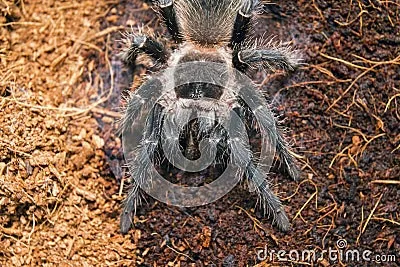
Cobalt Blue Tarantulas originate from the rainforests of Myanmar and Thailand, where they construct burrows in the ground. They are characterized by their vibrant blue coloration, particularly on their legs and carapace, making them easily identifiable. This species exhibits quick reflexes, and may be very aggressive when disturbed. This species makes for an attractive pet but their demeanor requires a cautious approach. They are more likely to bite when they feel threatened. Their impressive coloration also makes them highly valued in the pet trade, further increasing the need for education and caution among potential keepers.
Venom and Bite of the Cobalt Blue Tarantula
The venom of the Cobalt Blue Tarantula is not considered as potent as that of the Brazilian Wandering Spider, but a bite can still be very painful. The venom typically causes localized pain, swelling, and muscle cramps. The bite can cause lingering effects. In most cases, the symptoms can be managed with appropriate first aid and pain relief. Individuals bitten should monitor themselves for any severe reactions. Immediate medical attention is important if they experience any severe systemic symptoms. Knowledge of the venom is useful when working with, or observing, this tarantula.
Conclusion
Tarantulas, while fascinating creatures, can pose certain risks. This article has explored five species recognized for their potential danger due to venom, defensive behaviors, and bite strength. Understanding these characteristics is vital for appreciating and interacting with tarantulas safely. The Goliath Birdeater, the Brazilian Wandering Spider, the Tiger Tarantula, the Indian Ornamental Tarantula, and the Cobalt Blue Tarantula represent a diverse range of dangerous species. While most tarantulas are not life-threatening to humans, knowledge of their defensive strategies, venom potency, and specific behaviors can assist in avoiding potential harm. By respecting these creatures, and knowing their dangers, individuals can continue to enjoy the wonder of these amazing arachnids.