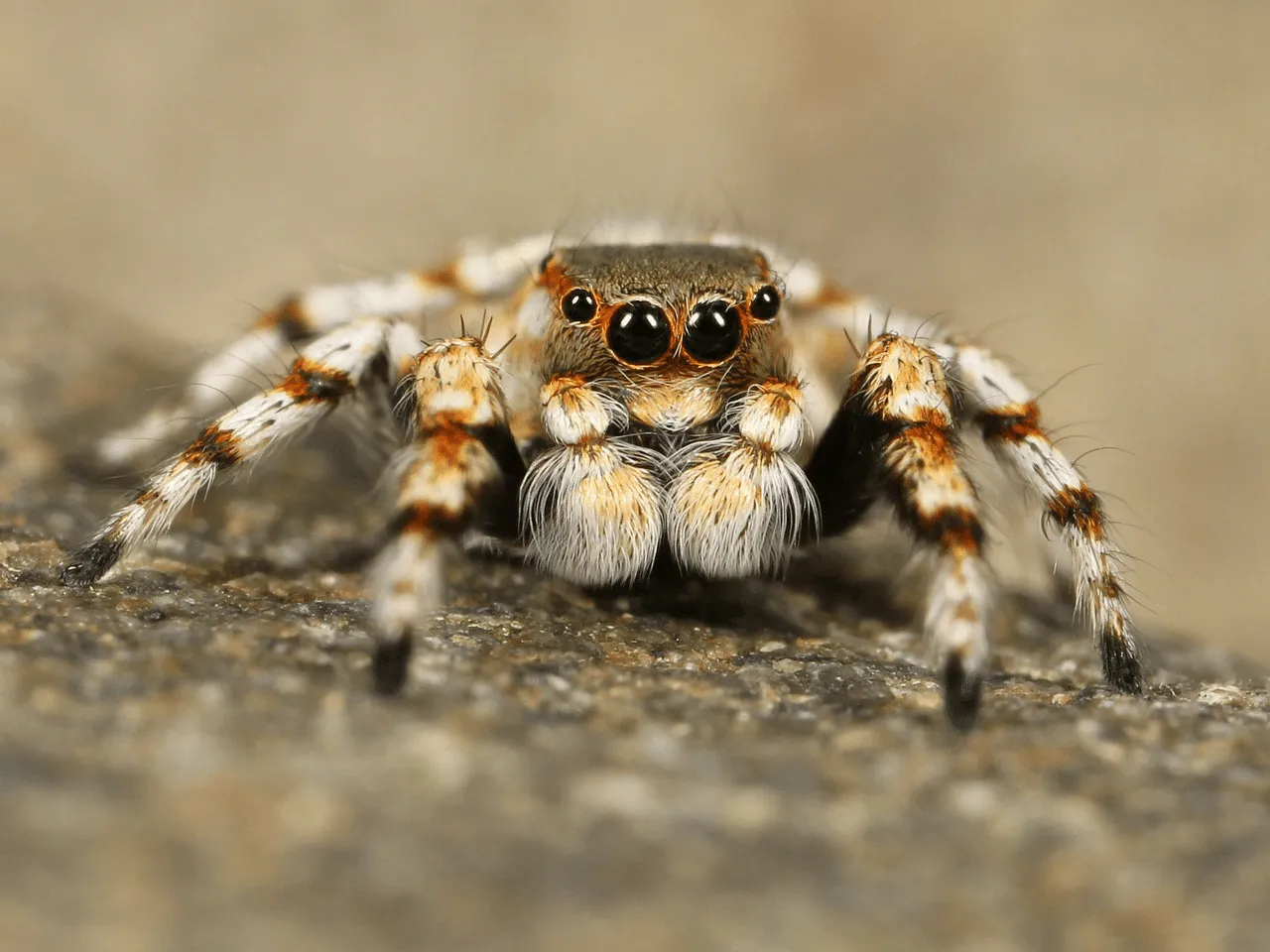
Do Tarantulas Live? Understanding Tarantula Lifespans
Tarantulas, those captivating and often misunderstood creatures, have fascinated humans for centuries. Their imposing size, hairy appearance, and hunting prowess make them a subject of both awe and apprehension. But a question that often arises when considering these arachnids is How long do tarantulas live? The answer, as with many things in nature, is nuanced and depends on several factors. This guide delves into the fascinating world of tarantula lifespans, exploring the key elements that influence how long these spiders grace our planet, or our homes. Whether you’re a seasoned arachnid enthusiast or simply curious about these eight-legged wonders, understanding the lifespan of a tarantula offers a deeper appreciation for their biology and behavior. Prepare to uncover the secrets behind tarantula longevity and discover the factors that contribute to their remarkable lives.
Fact 1 Female Tarantulas Outlive Males
One of the most striking differences in tarantula lifespans is the disparity between males and females. In general, female tarantulas live significantly longer than their male counterparts. This difference is a fundamental aspect of their biology and reproductive strategies. Female tarantulas invest heavily in reproduction, laying eggs and providing maternal care. Their bodies are designed for longevity, allowing them to reproduce multiple times throughout their lives. The hormonal and physiological differences between male and female tarantulas play a significant role in this longevity gap. Females tend to have slower metabolisms and are less prone to the rapid physiological changes associated with the male mating cycle. This, combined with the energy expenditure of reproduction, contributes to their longer lifespans. It is a well-documented fact that female tarantulas can live for several decades, while males often have a much shorter existence.
Lifespan Differences Female vs Male

The average lifespan of a female tarantula can range from 10 to 30 years or even longer, depending on the species and living conditions. In contrast, male tarantulas typically live for only a few years, often as little as 2 to 5 years. This shorter lifespan in males is largely due to their role in reproduction. After reaching maturity, male tarantulas focus on finding a mate. Once they mate, they often die shortly thereafter, as their bodies undergo significant changes and expend a great deal of energy. This rapid decline is a stark contrast to the gradual aging process observed in female tarantulas. The male tarantula’s primary objective is to reproduce, ensuring the continuation of their genetic lineage, even at the cost of their own longevity. This difference is crucial to understand for anyone interested in keeping tarantulas as pets or studying their behavior in the wild.
Fact 2 Species Impacts Lifespan
The lifespan of a tarantula is not a one-size-fits-all statistic. Different species exhibit vastly different lifespans. Some species are naturally longer-lived than others, a result of their genetic makeup and evolutionary adaptations. Factors like growth rate, metabolism, and environmental tolerances all play a role in determining how long a tarantula will live. For example, certain large, slow-growing species are known to live for decades, while smaller, faster-growing species may have shorter lifespans. This variability is a testament to the diverse adaptations that tarantulas have developed to thrive in various environments. If you are considering getting a tarantula as a pet, research the specific species to understand its expected lifespan. This knowledge will help you make informed decisions about caring for your tarantula and preparing for its long-term needs.
Old World vs New World Tarantulas
A key distinction to consider when discussing species and lifespans is the difference between Old World and New World tarantulas. Old World tarantulas, which originate from Asia, Africa, and Australia, often have slightly different characteristics compared to their New World counterparts from the Americas. While both groups exhibit variations in lifespan, some general trends can be observed. New World tarantulas are often considered to be more docile and less venomous than Old World species. They also tend to possess urticating hairs, which they use as a defense mechanism. Old World tarantulas, on the other hand, generally have stronger venom and a more defensive disposition. These differences in behavior and defense mechanisms can indirectly affect their lifespans, as the risks associated with their habitats and interactions with predators may vary. However, this is a general overview. Always research specific species to understand the nuances of their lifespans.
Fact 3 Diet and Nutrition Factors

What a tarantula eats directly impacts its lifespan. A well-nourished tarantula is more likely to live a long and healthy life, while a poorly fed one may suffer from health problems and a shortened lifespan. The type and frequency of feeding are crucial. Tarantulas are primarily insectivores, and their diet should consist mainly of insects, such as crickets, roaches, mealworms, and other appropriate prey items. Providing a varied diet that meets their nutritional needs is important. The size of the prey should be appropriate for the size of the tarantula, ensuring they can successfully capture and consume their meals. Overfeeding can also be detrimental, leading to obesity and other health issues. A balanced diet that is neither too scarce nor too abundant is the key to promoting a long and healthy life for a tarantula. Furthermore, the quality of the food matters. Insects should be gut-loaded, meaning they are fed nutritious foods before being offered to the tarantula, to provide essential vitamins and minerals.
The Importance of a Balanced Diet
A balanced diet for a tarantula provides the essential nutrients it needs to grow, molt, and maintain its bodily functions. Protein is essential for growth and repair, while fats provide energy. Vitamins and minerals are equally important for various physiological processes. Deficiencies in any of these nutrients can lead to health problems and a reduced lifespan. Pet owners should research the specific dietary needs of their tarantula species to ensure they are providing the appropriate nutrients. Supplementation with vitamins and minerals is sometimes necessary, especially for captive tarantulas that may not have access to a varied diet. It is also important to monitor the tarantula’s weight and body condition. Overweight tarantulas may have difficulty molting and are prone to health issues. By providing a balanced diet, pet owners can significantly contribute to the longevity and well-being of their tarantula companions, ensuring that they live as long and healthy a life as possible.
Fact 4 Environmental Conditions Affect Lifespan
The environment in which a tarantula lives has a profound impact on its lifespan. Maintaining optimal conditions is crucial for their health and longevity. This applies to both captive and wild tarantulas, although the challenges are different. In the wild, tarantulas are exposed to a range of environmental factors, including temperature, humidity, and the availability of food and water. Harsh conditions, such as extreme heat or drought, can shorten their lifespans. Similarly, exposure to predators, parasites, and diseases can also pose significant threats. In captivity, the environment is controlled by the pet owner, making it possible to create ideal conditions that support a long and healthy life. This requires careful attention to the specific needs of the tarantula species, as different species have different requirements. By providing a stable and suitable environment, pet owners can maximize their tarantula’s chances of living a long life.
Temperature and Humidity Considerations

Temperature and humidity are two of the most critical environmental factors affecting tarantula lifespans. Tarantulas are ectothermic, meaning they rely on external sources to regulate their body temperature. Providing a proper temperature gradient within their enclosure is essential. This allows them to move to warmer or cooler areas as needed to maintain their optimal body temperature. Humidity levels also need to be carefully controlled. Too much humidity can lead to fungal infections and other health problems, while too little can cause dehydration and difficulty molting. The specific temperature and humidity requirements vary depending on the tarantula species. Pet owners should research these requirements thoroughly and use tools like thermometers and hygrometers to monitor and maintain optimal conditions. Providing proper ventilation is also crucial to prevent the buildup of harmful gases and ensure that the environment remains healthy. Creating and maintaining the right temperature and humidity levels is an important step in providing for the long-term health and longevity of your tarantula.
Fact 5 Captivity vs Wild Lifespans
Tarantulas in captivity often live longer than those in the wild. This is primarily due to the controlled environment and the absence of many of the threats they face in their natural habitats. Captive tarantulas are protected from predators, parasites, extreme weather conditions, and food scarcity. They receive a consistent supply of food, a stable temperature, and adequate humidity. This greatly reduces the stress on their bodies and allows them to focus on growth and reproduction. However, the lifespan of a captive tarantula depends heavily on the quality of care it receives. Proper housing, feeding, and environmental control are essential for a long and healthy life. In contrast, tarantulas in the wild face a myriad of challenges. Predation from birds, mammals, and other invertebrates is a constant threat. They must also contend with fluctuations in weather, food availability, and access to water. These environmental stressors can take a toll on their health and shorten their lifespans.
Common Threats in the Wild
Tarantulas in the wild face a variety of threats that impact their lifespans. Predators are a major concern. Birds of prey, such as hawks and owls, frequently prey on tarantulas. Mammals, including foxes, raccoons, and skunks, may also hunt them. Other invertebrates, like centipedes and larger spiders, can also pose a threat. Environmental factors, such as extreme weather events, droughts, and floods, can also take a toll. Habitat loss due to deforestation and urbanization further reduces their chances of survival. Diseases and parasites can also infect wild tarantulas, weakening them and shortening their lives. The availability of food and water is another crucial factor. In areas where food is scarce or water sources are limited, tarantulas may struggle to survive. All these factors combined create a challenging environment for tarantulas, which is why their lifespans in the wild are often shorter than those in captivity.
In conclusion, the lifespan of a tarantula is a fascinating topic, influenced by a complex interplay of factors. From the gender of the spider and its species to its diet, environment, and lifestyle, various elements contribute to how long a tarantula will live. Understanding these factors is crucial for both tarantula enthusiasts and anyone interested in learning more about these incredible arachnids. Whether you are considering keeping a tarantula as a pet or simply marveling at them in their natural habitat, knowing about tarantula lifespans will enhance your appreciation for these amazing creatures. If you’re a pet owner, providing the right care can give your tarantula a long and fulfilling life. Embrace the journey of understanding these remarkable creatures and the many secrets that they hold.