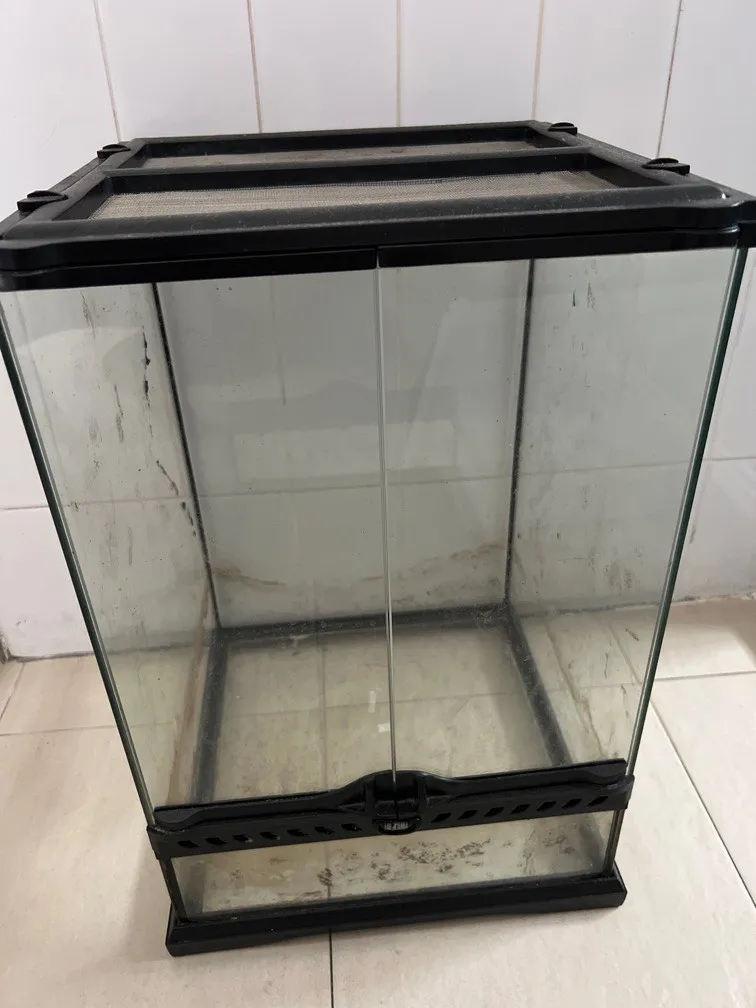
Choosing the Right Exo Terra Tarantula Tank
Setting up an Exo Terra tank for your tarantula is an exciting endeavor, and the right choice is crucial for your pet’s health and happiness. The Exo Terra line offers a variety of terrariums designed with the specific needs of reptiles and invertebrates in mind. When selecting an Exo Terra tarantula tank, consider several factors including your tarantula species, its size (both current and potential), and its natural habitat. Different tarantula species have different requirements; some are terrestrial, while others are arboreal. This initial assessment will help you narrow down the best options for your specific pet, ensuring a safe and comfortable environment. Look for tanks with secure locking mechanisms to prevent escapes and proper ventilation to maintain air quality and humidity levels.
Tank Size and Dimensions
Tank size is a critical aspect of your tarantula’s well-being. While it might seem counterintuitive to provide a spacious enclosure, the right tank size minimizes stress. A tank that is too large can make it difficult for the tarantula to find food, and a tank that is too small restricts movement and can lead to a buildup of waste. For most terrestrial species, a 10-gallon tank (approximately 20x10x12 inches) is suitable for juveniles, and a 20-gallon long tank (30x12x12 inches) is adequate for adults. Arboreal species, on the other hand, require taller enclosures to accommodate their climbing behavior. Measure your tarantula’s leg span and provide a tank at least three times that size in width and length, and twice the leg span in height to give it plenty of room to molt and move around. Consider the Exo Terra Natural Terrarium range, which is specifically designed for reptiles and invertebrates, offering various sizes to suit different species and life stages.
Ventilation and Airflow

Proper ventilation is another crucial aspect of a healthy tarantula tank environment. Stagnant air can lead to the buildup of harmful bacteria and fungi, which can negatively affect your tarantula’s health. Exo Terra tanks are designed with built-in ventilation systems, typically in the form of a screened top and side vents. These features help to circulate air, preventing the formation of mold and ensuring that the humidity levels remain within the required range. Ensure that the ventilation system is not blocked by substrate or décor and that airflow is maintained. Adjust the size of the ventilation openings based on the humidity requirements of your specific tarantula species. Some species require higher humidity and less ventilation, while others thrive in drier environments with more airflow. Proper ventilation will also help to control odors and maintain a fresh environment for your tarantula.
Substrate Selection for Your Tarantula
The substrate, or bedding, is a fundamental element of your tarantula’s environment. It serves several critical purposes including providing a comfortable surface for your tarantula to walk on, burrow in (for terrestrial species), and molt. The substrate also helps to maintain humidity levels within the tank. When selecting a substrate, consider factors such as the species of your tarantula, its natural habitat, and your personal preferences for ease of maintenance. It’s important to choose a substrate that is free from harmful chemicals, pesticides, or sharp objects that could injure your tarantula. The best substrates support natural behaviors like burrowing and help retain moisture, critical for successful molting and overall well-being.
Ideal Substrate Types
Several substrate options are suitable for tarantulas, each with its own advantages and disadvantages. Coco fiber is a popular choice due to its excellent moisture-retention properties, natural appearance, and resistance to mold. It’s readily available and safe for tarantulas. Sphagnum moss can be added to coco fiber or used on its own to increase humidity levels, especially for species that prefer higher humidity. A mix of organic topsoil and play sand is another option that is ideal for burrowing species, mimicking their natural environment. Avoid substrates like cedar or pine shavings, which can be toxic to tarantulas. Always research the specific needs of your tarantula species to choose the most appropriate substrate. The right substrate ensures that your pet can thrive, creating a comfortable and enriching environment.
Creating a Naturalistic Setup

A naturalistic setup provides your tarantula with a stimulating and enriching environment, mirroring its natural habitat and promoting its well-being. This involves incorporating various elements into the tank, such as hiding places, climbing structures, and live or artificial plants. A naturalistic setup enhances your tarantula’s quality of life by providing opportunities for natural behaviors, such as hiding, hunting, and exploring. This type of setup also helps to regulate humidity and temperature more effectively by providing microclimates within the enclosure. Careful planning and selection of materials are essential to create a safe, functional, and visually appealing habitat. The goal is to mimic the tarantula’s natural environment, making it feel more secure and less stressed.
Providing Hiding Spots and Enrichment
Hiding spots are crucial for tarantulas as they are naturally secretive creatures. Provide your tarantula with several hiding places, such as cork bark, artificial caves, or even hollowed-out logs. These shelters allow your tarantula to retreat and feel safe, reducing stress and promoting a sense of security. Enrichment can also be added to the tank by providing climbing structures such as branches, rocks, or artificial plants. These additions give your tarantula opportunities to explore and express its natural behaviors. Ensure all items are securely placed to prevent accidents. Consider the size and habits of your specific tarantula species when choosing enrichment items to maximize their benefits and ensure your pet is happy and healthy.
Decorating with Safe Plants and Accessories
Decorating your Exo Terra tarantula tank can significantly improve its aesthetics and enrich the environment. When choosing décor, prioritize safety. Avoid items with sharp edges, small parts that can be ingested, or those that can trap your tarantula. Artificial plants are a popular and safe choice, adding a natural look to the setup without requiring special care. Live plants can be used, but they should be non-toxic and suitable for the humidity and lighting conditions of the tank. Ensure that plants are securely rooted and won’t topple over. Accessories like water dishes and feeding dishes should be stable and easy for your tarantula to access. Ensure all decorations are thoroughly cleaned before placing them in the tank to remove any potential contaminants.
Maintaining Optimal Humidity Levels

Maintaining optimal humidity levels is critical for your tarantula’s health, particularly during molting. Proper humidity ensures that the tarantula can shed its exoskeleton correctly. The ideal humidity range varies depending on the species. Tropical species require higher humidity levels (70-80%), while desert species need much lower humidity. Incorrect humidity levels can lead to dehydration, respiratory issues, and difficulty molting. Regular monitoring, along with the proper substrate and ventilation adjustments, is crucial to creating the best living environment. Maintaining the correct humidity levels will ensure your tarantula stays healthy and thrives.
Monitoring Humidity with a Hygrometer
A hygrometer is a crucial tool for monitoring humidity levels inside your tarantula’s tank. Place the hygrometer in a spot within the tank where it can accurately measure the humidity. Digital hygrometers are recommended for their accuracy and ease of use. Read the hygrometer daily to track humidity levels and identify any fluctuations. If the humidity is too low, mist the tank with water, add more humid substrate like sphagnum moss, or close off some of the ventilation. If the humidity is too high, increase ventilation by opening the top or side vents and reducing the amount of water you use. Consistent monitoring allows you to make necessary adjustments to keep your tarantula’s environment ideal.
Watering and Hydration Strategies
Providing a clean water source is essential for your tarantula’s hydration. Use a shallow water dish that is stable and easy for the tarantula to access. The dish should be small enough to prevent the tarantula from drowning. Fill the water dish with fresh, dechlorinated water, and replace it regularly (every 1-2 days) to prevent the growth of bacteria and algae. For smaller tarantulas, consider using a bottle cap filled with water to avoid drowning hazards. You can also mist the tank with water, especially for species that prefer higher humidity, but ensure that the misting does not make the substrate overly wet. The goal is to provide your tarantula with a consistent source of clean water so it can stay healthy and hydrated.
Temperature Control for Your Tarantula

Temperature control is crucial for your tarantula’s health and metabolism. Tarantulas are ectothermic, meaning they rely on external sources of heat to regulate their body temperature. The ideal temperature range varies by species but generally falls between 75°F and 85°F (24°C and 29°C). Maintaining the correct temperature range is crucial for their appetite, activity levels, and overall well-being. Monitor the temperature using a reliable thermometer, placing it in the tank to keep an eye on temperature fluctuations. Provide a thermal gradient to allow your tarantula to choose its preferred temperature. Be cautious and use a thermostat with heating elements to prevent overheating.
Heating Options and Placement
There are several heating options for your tarantula tank, including heat mats, heat lamps, and ceramic heat emitters. Heat mats are a popular choice and are placed on the side of the tank, or underneath, to provide gentle, consistent heat. Ceramic heat emitters are good alternatives, as they don’t emit light, which is preferable for nocturnal species. Heat lamps are another option, but they should be used with caution, as they can potentially dry out the tank. When using any heating device, always use a thermostat to regulate the temperature and prevent overheating. The heating device should be placed on the side of the tank, away from the tarantula’s direct reach to avoid burns. Always monitor the temperature regularly to ensure a safe and comfortable environment for your tarantula.
Lighting Considerations
Lighting is not as critical for tarantulas as it is for reptiles, but it still plays a role in their environment. Most tarantulas are nocturnal and do not require special lighting. However, a low-wattage LED or fluorescent bulb can be used to provide a day/night cycle, enhancing their natural behavior. Avoid using bright lights, which can stress your tarantula. If you choose to use a light, ensure it does not produce excessive heat. The lighting cycle should mimic natural daylight hours, typically 12 hours on and 12 hours off. Consider using a timer to automate the lighting schedule and ensure consistency. Proper lighting will provide a healthy and safe environment.
Feeding and Nutrition

Proper feeding and nutrition are vital for your tarantula’s health and longevity. Tarantulas are carnivores and need a diet consisting primarily of insects. The type and frequency of feeding depend on the tarantula’s age and species. Offer a variety of insects to provide a balanced diet. Remove any uneaten food after 24 hours to prevent the buildup of waste and the potential for mites and other pests. Maintaining a consistent feeding schedule and offering a balanced diet are critical to ensure your tarantula lives a long and healthy life.
Choosing the Right Food
The best food choices for tarantulas include crickets, mealworms, dubia roaches, and other feeder insects. The insects should be appropriately sized for your tarantula. It is typically recommended that the prey be no larger than the tarantula’s body. The prey insects should be gut-loaded, meaning they are fed nutritious food before being offered to your tarantula. Gut-loading provides your tarantula with essential vitamins and minerals. Be sure that the prey insects are from a reliable source and free from pesticides or diseases. A varied diet is essential for ensuring your tarantula gets the full spectrum of nutrients it requires.
Feeding Frequency and Methods
Feeding frequency depends on your tarantula’s age and species. Juvenile tarantulas typically need to be fed more frequently than adults. As a general guideline, juveniles can be fed 2-3 times per week, while adults may only need to be fed once a week or even less often. Observe your tarantula’s behavior and appetite to adjust the feeding schedule accordingly. Offer the insects one at a time, and allow your tarantula to hunt. Remove uneaten insects after 24 hours to prevent stress and maintain a clean enclosure. Ensure that fresh water is available at all times, especially after feeding. Adjust the feeding schedule as needed to maintain your tarantula’s weight and health, considering factors like molting cycles and overall activity levels.
Cleaning and Maintenance

Regular cleaning and maintenance are essential for a healthy and hygienic environment for your tarantula. This includes spot cleaning to remove waste and uneaten food, as well as complete tank cleaning to remove old substrate and disinfect the enclosure. A clean tank reduces the risk of disease and parasite infestation. The frequency of cleaning depends on the size of the tank, the species, and the number of tarantulas in the enclosure. Consistent care and maintenance are the foundation of a long and healthy life for your pet.
Spot Cleaning and Waste Removal
Spot cleaning should be performed regularly, typically every few days, to remove waste and uneaten food. Use tongs or a small scoop to remove any visible waste, such as uneaten insect remains, molted exoskeletons, and feces. Be careful not to disturb your tarantula during the cleaning process. Avoid excessive disturbance of the substrate, as this can stress the tarantula. Inspect the tank regularly for signs of mold or fungal growth, and address any issues promptly. Regular spot cleaning maintains a clean and hygienic environment, reducing the risk of potential diseases and promoting the overall health of your tarantula.
Complete Tank Cleaning
Complete tank cleaning should be performed every few months, depending on the tank size, the species, and the overall condition of the substrate. Remove the tarantula carefully and place it in a temporary, secure container. Discard the old substrate and thoroughly clean the tank with a reptile-safe disinfectant. Rinse the tank thoroughly with water to remove any remaining disinfectant residue. Allow the tank to dry completely before replacing the substrate and decorations. This complete cleaning helps to eliminate any potential pathogens and maintain a healthy environment for your tarantula. Return the tarantula to the tank after the cleaning process is complete, and monitor it to ensure it is comfortable and stress-free in its clean, new habitat.