Choosing the Right Food for Your Tarantula Sling
Feeding a tarantula sling is a critical aspect of its care, directly impacting its growth, health, and overall well-being. Unlike adult tarantulas, slings have specific dietary needs and require careful attention to what and how they eat. Providing the correct food ensures they get the necessary nutrients for molting and development. Understanding the right prey size, type, and feeding frequency are essential for any tarantula keeper. This guide provides top tips to effectively feed your tarantula sling, ensuring its optimal health and growth. Proper diet is not just about survival, but about thriving and observing the fascinating life cycle of these arachnids.
Size Matters Choosing the Right Prey
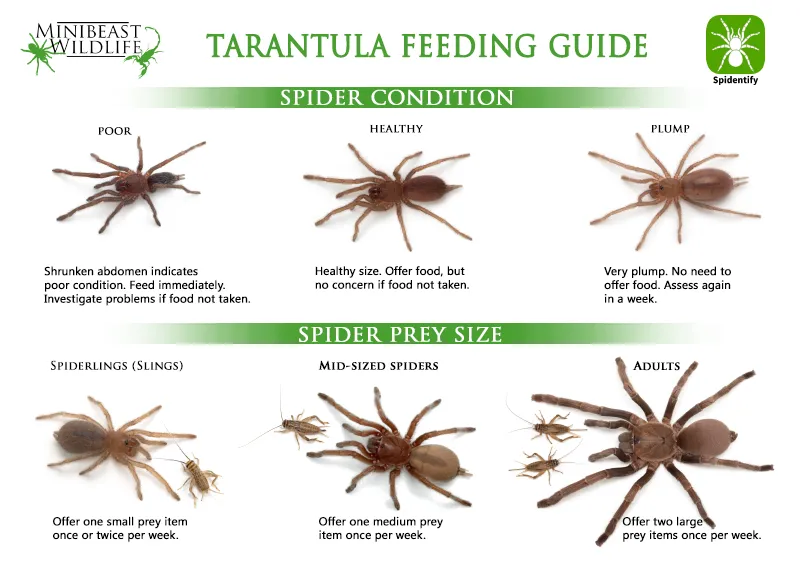
The size of the prey is paramount when feeding tarantula slings. A general rule of thumb is to offer prey that is no larger than the tarantula sling’s carapace (the top part of its body). This ensures the sling can successfully overpower and consume the prey. Offering prey that is too large can stress the sling, potentially leading to injury or even death. It is better to err on the side of smaller prey items, especially when you’re starting. Consistent monitoring of the sling’s feeding behavior helps you adjust prey size accordingly, ensuring they are eating effectively and getting enough nourishment without unnecessary risks. Observe your sling’s eating habits closely to fine-tune the size of the food you provide.
Prey Size Guidelines for Tarantula Slings

To avoid problems, a good starting point for prey size is to offer insects that are about the same size as the tarantula’s abdomen or slightly smaller. This is a safe guideline that minimizes the risk of the prey overwhelming the sling. Regularly evaluate whether your sling is successfully consuming the prey within a reasonable timeframe (a few hours at most). If uneaten prey remains for extended periods, the size might be too big. As your tarantula sling grows, you can gradually increase the size of the prey, always ensuring the sling can handle it without difficulty. The goal is to provide a balanced diet that supports healthy growth and development without posing any unnecessary dangers.
Recommended Prey Types
Variety in the diet is important for the overall health of your tarantula sling. Crickets are a popular choice because they are readily available and easy to manage. However, offering other prey types provides a more balanced nutritional profile. Small mealworms can also be a great option, providing a different texture and nutrient content. Fruit flies, especially flightless varieties, are ideal for very small slings due to their size. Dubia roaches are an excellent source of nutrients, but they may be too large for very young slings, so adjust accordingly. Ensure that all prey is gut-loaded (fed nutritious food) before offering them to your tarantula. This enhances the nutritional value of the meal for your sling. Avoid wild-caught insects, as they may carry parasites or pesticides that could harm your tarantula.
Frequency of Feeding Tarantula Slings
The frequency with which you feed your tarantula sling plays a crucial role in its healthy development. Unlike adult tarantulas, slings have a higher metabolism and thus require more frequent meals. Typically, a tarantula sling should be fed two to three times a week. This frequency ensures they have a consistent supply of nutrients to support their rapid growth. However, it is essential to monitor your specific sling’s feeding habits and adjust accordingly. Some slings may eat more or less depending on their individual needs and activity levels. Overfeeding can be as harmful as underfeeding, so finding the right balance is key to their well-being. Regular observation and adjustment based on your sling’s behavior are the best way to optimize the feeding schedule.
Determining Feeding Schedule Based on Size
As your tarantula sling grows, its feeding schedule may need to be adjusted. Younger, smaller slings often need to be fed more frequently, sometimes every other day. This is because they are in a period of rapid growth, and require more energy to molt and develop. As the tarantula sling gets older and larger, you can gradually reduce the feeding frequency. Once the tarantula is a juvenile, feeding once or twice a week may be sufficient. The feeding schedule should always be adapted to the sling’s activity level, how readily it eats, and overall health. Consistent monitoring, combined with a thorough understanding of your tarantula’s life stage, will ensure you maintain a healthy and appropriate feeding schedule.
Factors Influencing Feeding Frequency
Several factors can affect the frequency with which you should feed your tarantula sling. The species of tarantula plays a role, as some species have higher metabolisms than others. The temperature of the enclosure can impact appetite; higher temperatures usually increase metabolism and therefore, appetite. Molting is another significant factor; tarantulas typically stop eating a few weeks before molting. Never feed a tarantula that is in premolt, as this can stress the animal and potentially lead to problems. The sling’s overall health and activity levels should also guide your feeding schedule; an active sling will often have a better appetite. Adjusting the feeding frequency based on these variables helps you provide optimal care and ensure your sling is receiving the right amount of nutrition.
Proper Feeding Techniques for Tarantula Slings
The method you use to introduce food to your tarantula sling is as critical as the food itself. A thoughtful approach minimizes stress to your sling and increases the likelihood of a successful meal. Correct techniques also help in maintaining a clean and healthy environment. The right feeding practices ensure that your tarantula sling receives adequate nutrition without unnecessary risks. Being mindful of these practices will contribute significantly to the health and happiness of your tarantula sling. Following these steps will result in a positive experience for both you and your arachnid companion. Careful attention to these techniques ensures a stress-free feeding experience.
Methods of Introducing Food

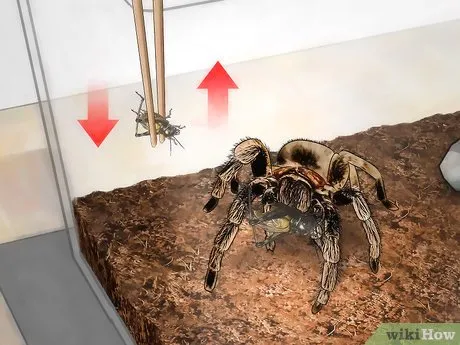
Use a pair of long tweezers to introduce prey to the enclosure. This allows you to place the food directly in front of the tarantula sling, minimizing the chance of the prey escaping and hiding. For smaller slings, you may need to gently tap the enclosure to get their attention. Avoid dropping the prey directly into the enclosure, as this can startle or injure the sling. Watch the sling to ensure it is hunting and capturing its prey. Do not leave uneaten prey in the enclosure for extended periods, as it can stress your sling and potentially harm it. Offer the food during the tarantula’s active hours, often during the evening or night. By using this approach, you are providing a positive and stress-free feeding experience.
Cleaning Up Uneaten Prey
It is essential to remove any uneaten prey within 24 hours of feeding. Leftover prey can stress the tarantula, or even worse, attack the sling while it is defenseless. Uneaten prey can also introduce mites or other unwanted pests into the enclosure. Regularly check the enclosure for any uneaten food items, and remove them promptly. This helps maintain a clean and healthy environment, reducing the risk of health issues for your tarantula sling. The best practice is to observe the tarantula’s feeding behavior and remove any leftovers to prevent complications. A clean enclosure promotes the well-being of the sling, preventing health issues and fostering a safe environment.
Maintaining a Healthy Environment
Maintaining a healthy environment is paramount for the well-being of your tarantula sling. Proper care extends beyond just providing food; it involves the right humidity levels, fresh water, and a clean enclosure. The environmental conditions significantly impact the sling’s ability to thrive, molt successfully, and stay healthy. Creating and sustaining the appropriate environment is a fundamental part of caring for a tarantula sling, contributing greatly to its overall welfare. Understanding the importance of a well-maintained enclosure guarantees the health and vitality of your pet.
Importance of Fresh Water

Always provide a shallow water dish with fresh, clean water. Tarantula slings need access to water for hydration and to aid in molting. Ensure the water dish is shallow enough to prevent the sling from drowning. Change the water every one to two days to keep it fresh and prevent the growth of bacteria. Some keepers use cotton balls or sponges soaked in water, but these need to be changed frequently to avoid mold. A clean and readily available water source is a fundamental requirement for your tarantula sling’s survival. Provide a consistent source of clean water to ensure the sling stays hydrated, which supports its health and promotes molting.
Monitoring Humidity Levels
Humidity plays a critical role in the health of your tarantula sling, influencing its ability to molt properly and stay hydrated. The required humidity level varies depending on the species of tarantula. Research the specific needs of your species to ensure you are providing the correct environment. Regularly monitor humidity levels with a hygrometer. Mist the enclosure with a spray bottle as needed to maintain the appropriate humidity. Avoid over-misting, which can lead to mold growth. Proper humidity levels ensure successful molting, preventing dehydration, and supporting the overall well-being of your tarantula sling. Maintaining appropriate humidity is essential for the health of the tarantula.
Avoiding Common Mistakes
Avoiding common mistakes is critical to the health and longevity of your tarantula sling. Many issues can be avoided by having adequate information and by being mindful of your actions. Knowing what to avoid is just as important as knowing what to do. Paying attention to these potential pitfalls enables you to create a safe and thriving environment for your tarantula. By avoiding common mistakes, you are setting the stage for a thriving, healthy tarantula sling. Being aware of these pitfalls will greatly improve the well-being of your tarantula.
Overfeeding Dangers

Overfeeding is a common mistake that can lead to serious health problems in tarantula slings. Excessive feeding can cause the tarantula to grow too quickly, potentially leading to molting issues or even death. An overfed tarantula may also become less active and more prone to health problems. It’s crucial to monitor the sling’s abdomen for signs of excessive fullness, and to adjust your feeding schedule accordingly. Providing the right amount of food is essential to prevent health issues. Ensuring you do not overfeed promotes healthy growth and prevents health complications. Moderate feeding promotes a healthy and active tarantula.
Handling Stress
Minimize handling to reduce stress on your tarantula sling. Tarantulas are generally not meant to be handled, and handling can cause stress. Stress can weaken the immune system, making the sling more susceptible to disease. If you need to handle the tarantula sling, do so only when necessary and with extreme caution. Instead of handling, focus on creating a suitable and stable environment where the tarantula sling feels safe and secure. Creating a stress-free environment is important for the overall well-being of your tarantula. Avoid unnecessary disturbance, and focus on providing a suitable habitat.
In conclusion, feeding a tarantula sling successfully requires careful attention to prey size, feeding frequency, and the overall environment. Providing the right food, at the right time, and in a clean and stress-free environment is key to your tarantula sling’s health and growth. By following these tips, you can help your tarantula sling thrive, allowing you to enjoy the fascinating experience of caring for these amazing creatures. Remember that observing your sling’s behavior and adjusting your care accordingly is the most important aspect of successful tarantula keeping. Proper care ensures the long-term health and well-being of your tarantula sling.