Fireleg Tarantula Amazing Facts
The fireleg tarantula (scientifically known as Brachypelma boehmei) is a captivating species, highly sought after by tarantula enthusiasts. Known for its striking appearance and relatively docile nature, this tarantula offers a rewarding experience for both novice and experienced keepers. This article delves into five amazing facts about the fireleg tarantula, providing insights into its appearance, habitat, behavior, and care requirements. Whether you’re considering a fireleg tarantula for sale or simply fascinated by these creatures, this guide will enhance your knowledge and appreciation for this incredible arachnid.
Appearance and Characteristics
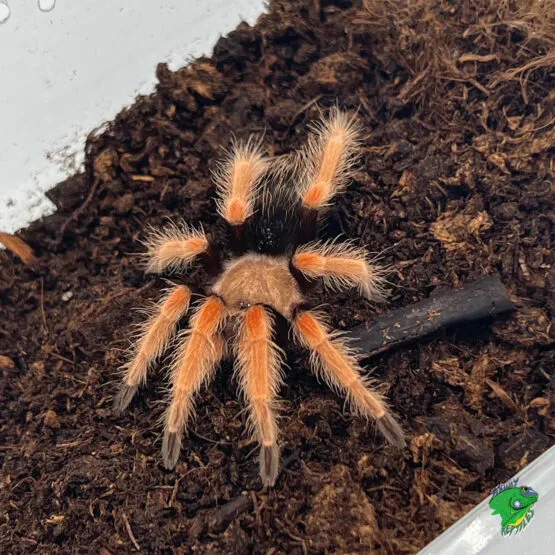
One of the most visually striking aspects of the fireleg tarantula is its coloration. The body of the fireleg tarantula is typically a deep black or dark brown, providing a dramatic contrast to its vibrant red or orange leg markings. These colorful legs are not just for show; they also play a role in the tarantula’s camouflage and communication. The combination of the dark body and bright legs makes the fireleg tarantula a truly stunning species, captivating anyone who sees it. The carapace, or the top shell of the cephalothorax, often displays subtle patterns that add to its overall beauty.
Distinctive Red Legs

The most defining feature of the fireleg tarantula is, without a doubt, its bright red or orange legs. The intensity of the color can vary depending on the individual tarantula, its age, and its overall health. This bold coloration serves as a warning signal to potential predators, advertising the tarantula’s ability to defend itself. These legs are also covered in sensory hairs, which help the tarantula navigate its environment and detect vibrations. In addition to their visual appeal, the red legs are essential for the tarantula’s survival and everyday activities, such as climbing, burrowing, and capturing prey.
Size and Lifespan
Fireleg tarantulas are considered a medium-sized tarantula species. Females typically reach a leg span of around 5 to 6 inches, while males are slightly smaller. The lifespan of a fireleg tarantula varies based on sex. Females have a significantly longer lifespan, often living for 15 to 20 years or more in captivity. Males, however, have a much shorter lifespan, typically living for only 3 to 5 years after reaching maturity. This disparity in lifespan is a characteristic feature of many tarantula species. Careful consideration of the potential lifespan is crucial for anyone considering a fireleg tarantula for sale, as it represents a long-term commitment.
Origin and Habitat
Understanding the fireleg tarantula’s natural habitat is crucial for providing the best possible care in captivity. This knowledge helps recreate the ideal environment, contributing to the tarantula’s health and well-being. The fireleg tarantula’s native environment provides insights into its needs and behaviors. By mimicking these conditions, keepers can ensure their tarantulas thrive.
Native to Costa Rica

Fireleg tarantulas are indigenous to the Pacific coast of Costa Rica. They thrive in the warm, humid climates found in this region. They are typically found in tropical dry forests and areas with sparse vegetation. This native habitat is vital in understanding their needs regarding temperature, humidity, and substrate. Their natural environment directly influences their behaviors and preferences, such as burrowing and hiding.
Tropical Rainforest Environment
The environment of a fireleg tarantula consists of tropical rainforests. These areas are characterized by high temperatures and high humidity levels. The ground is typically covered in a layer of leaf litter, providing ample hiding places and moisture retention. The tarantulas often burrow into the ground or seek shelter under logs and rocks. Replicating these conditions in captivity is vital for the tarantula’s well-being. This involves maintaining appropriate temperature and humidity levels within the enclosure, as well as providing a suitable substrate. It is important to monitor these conditions regularly to ensure the health of the fireleg tarantula for sale.
Behavior and Temperament
Fireleg tarantulas are known for their generally docile temperament, making them a popular choice for tarantula keepers of all experience levels. However, like all tarantulas, they have defensive mechanisms that they will employ if they feel threatened. Understanding their behavior, including how they react to perceived threats, is essential for responsible care. They are primarily nocturnal, meaning they are most active during the night. This knowledge can help you observe and interact with them responsibly.
Defensive Mechanisms

When threatened, fireleg tarantulas may exhibit several defensive behaviors. One common defense mechanism is flicking urticating hairs from their abdomen. These hairs are barbed and cause intense itching and irritation if they come into contact with skin or eyes. Another defensive behavior is the threat pose, where the tarantula raises its front legs and fangs in a warning display. While bites are rare, they are possible, and the venom can cause pain. The best approach to handling the fireleg tarantula is to do so cautiously and to minimize any potential threats. Regular and careful handling is a key part of tarantula care.
Web-Spinning and Hunting
Fireleg tarantulas, like many other tarantula species, use silk to create webs. These webs are not as elaborate as those spun by some other spiders but are used to line their burrows and provide a soft surface for the tarantula. They also use silk to secure their prey. Fireleg tarantulas are ambush predators, meaning they wait for prey to come within striking distance. Their hunting involves a combination of patience and quick strikes. They are adept at sensing vibrations in the environment and detecting the presence of potential food items. The use of silk in hunting and the tarantula’s ability to capture prey are fascinating aspects of their behavior.
Care and Husbandry
Proper care and husbandry are essential for the health and well-being of a fireleg tarantula. Creating a suitable habitat, providing an appropriate diet, and understanding their health needs are crucial aspects of tarantula ownership. By following proper care guidelines, you can ensure that your fireleg tarantula thrives and lives a long, healthy life.
Suitable Enclosure

The enclosure should be appropriately sized for the tarantula’s leg span. A good rule of thumb is an enclosure that is at least three times the tarantula’s leg span in width. The enclosure should also be escape-proof, with a secure lid. Ventilation is essential to prevent the build-up of moisture and the growth of mold. The enclosure should be made of a material that is easy to clean and maintain. Providing appropriate housing is an important aspect of having a healthy fireleg tarantula for sale.
Temperature and Humidity
Fireleg tarantulas thrive in warm, humid environments that replicate their native habitat. The ideal temperature range is between 75 and 85 degrees Fahrenheit (24 to 29 degrees Celsius). Heating pads or heat lamps can be used to maintain the correct temperature, but should be used with caution to prevent overheating. The humidity level should be kept between 65% and 75%. This can be achieved by misting the enclosure regularly, providing a water dish, and using a substrate that retains moisture. Monitoring temperature and humidity with a thermometer and hygrometer is recommended.
Substrate and Decor
The substrate is the material that covers the bottom of the enclosure and provides the tarantula with a place to burrow. A good substrate for fireleg tarantulas is a mixture of coco fiber, peat moss, and vermiculite. This mixture retains moisture well and allows the tarantula to burrow comfortably. The substrate should be deep enough for the tarantula to burrow, typically 4 to 6 inches. Providing decor, such as cork bark, branches, and artificial plants, can provide hiding places and enrichment for the tarantula. This offers a more natural environment for the tarantula and enhances its well-being. Choose decor carefully, and make sure that everything is safe and nontoxic.
Feeding and Diet

Feeding your fireleg tarantula is a straightforward process. Knowing what to feed and how often to feed is a crucial part of their care. A varied diet and consistent feeding schedule will contribute to the health and longevity of your tarantula.
Appropriate Food Items
Fireleg tarantulas are insectivores, and their diet should consist primarily of insects. Appropriate food items include crickets, mealworms, roaches, and other readily available insects. The size of the insects should be appropriate for the size of the tarantula. As a general rule, the insects should be no larger than the tarantula’s abdomen. It’s important to dust the insects with a vitamin and calcium supplement before feeding. This helps ensure that the tarantula receives all the necessary nutrients. Feeding a varied diet ensures that the tarantula gets a wide range of essential nutrients.
Feeding Frequency
The feeding frequency will depend on the age and size of the tarantula. Young tarantulas should be fed more frequently, typically 2-3 times a week. Adult tarantulas can be fed once a week or every other week. It is essential not to overfeed your tarantula, as this can lead to health problems. Remove any uneaten insects after 24 hours. Provide a shallow water dish with fresh water at all times. The water dish is essential for hydration.
Health and Common Issues

While fireleg tarantulas are relatively hardy, they can be susceptible to certain health issues. Being aware of these potential problems and knowing how to identify and address them is a vital part of caring for your tarantula. Regular observation and prompt action are key to keeping your fireleg tarantula healthy.
Shedding and Molting
Shedding, or molting, is a natural process in which the tarantula sheds its exoskeleton to grow. During this process, the tarantula will typically stop eating and become less active. Before molting, the tarantula may create a web mat and lay on its back. After molting, the tarantula will be vulnerable, and it will take some time for its new exoskeleton to harden. Do not feed the tarantula until its fangs have hardened. Provide plenty of fresh water and maintain a high humidity level during this process.
Signs of Illness
It’s important to be able to recognize the signs of illness in your fireleg tarantula. Some common signs of illness include lethargy, loss of appetite, abnormal behavior, and difficulty moving. If you notice any of these signs, it is important to consult with a veterinarian who specializes in exotic animals. Other signs of illness can include mites, which can be seen as small, moving dots on the tarantula’s body. Additionally, fungal infections can occur if the humidity is too high or the enclosure is not well-ventilated. Early detection and treatment can improve the outcome for your tarantula.
Breeding
Breeding fireleg tarantulas can be a rewarding experience for experienced keepers. However, it requires careful planning and execution. Breeding these tarantulas requires an in-depth understanding of their behavior and environmental needs. Successfully breeding fireleg tarantulas requires a significant commitment of time and resources. Understanding the process is important for anyone considering breeding them.
Mating Process
The mating process involves introducing a mature male to a mature female. It is important to monitor the interaction closely, as the female may attack the male. If the female is receptive, she will allow the male to mate with her. The male will then deposit sperm webs, which the female will collect to fertilize her eggs. The breeding process involves understanding the risks and precautions to ensure both tarantulas’ safety. Only experienced breeders should attempt this process.
Egg Sac and Spiderlings
After mating, the female will lay her eggs and create an egg sac. The egg sac is a protective enclosure that shelters the eggs. The female will guard the egg sac until the spiderlings hatch. Spiderlings, or baby tarantulas, are very small and delicate and require specialized care. They need to be kept in a safe, humid environment. Proper care of the egg sac and spiderlings is essential to their survival. This includes careful monitoring of humidity, temperature, and providing appropriate food.
Conclusion
The fireleg tarantula is a beautiful and fascinating species that can bring great joy to its keeper. From its striking appearance to its manageable care requirements, this tarantula offers a rewarding experience for those willing to learn and dedicate themselves. By understanding the amazing facts and following the care guidelines outlined in this article, you can provide your fireleg tarantula with a healthy and fulfilling life. Whether you are looking for a fireleg tarantula for sale or already own one, the fireleg tarantula is a truly remarkable species.