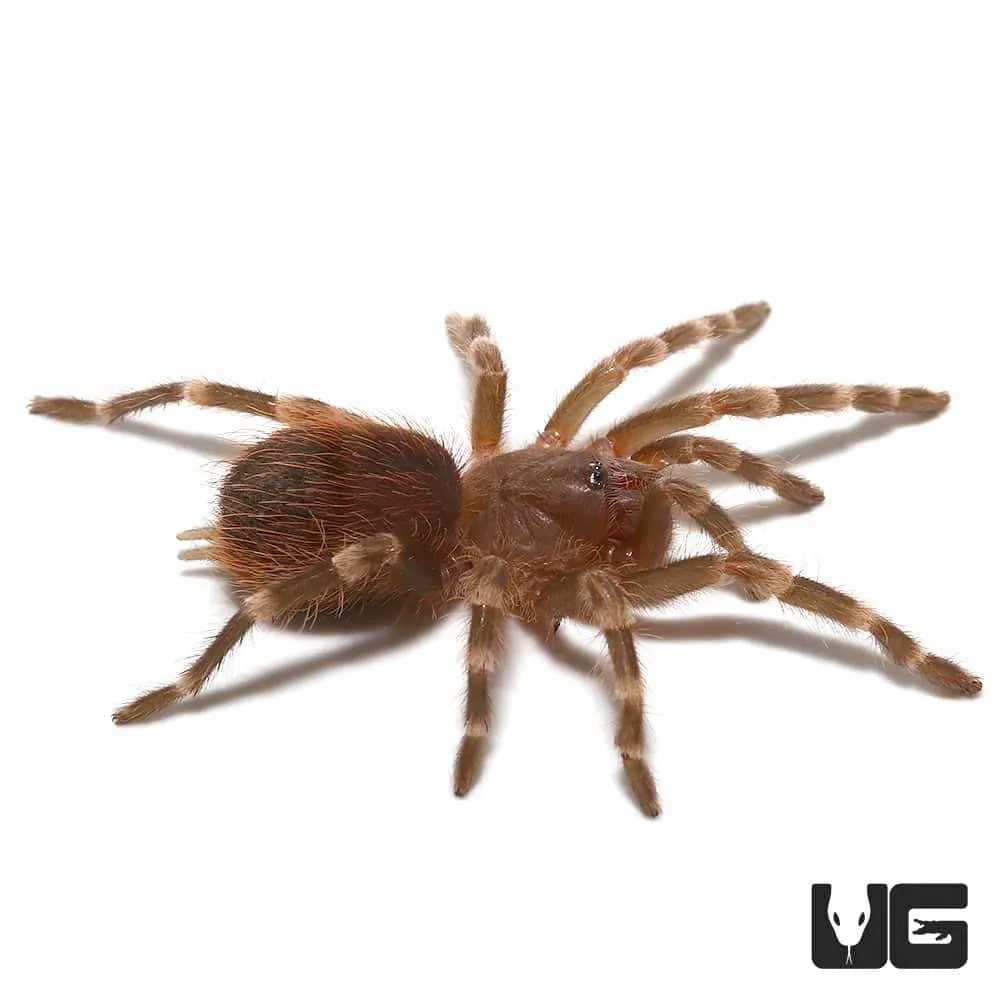
The Giant Black and Red Jungle Tarantula, a captivating and sometimes intimidating creature, makes a fascinating pet for experienced arachnid enthusiasts. These impressive spiders, native to the tropical rainforests, demand specific care to thrive. This guide will unravel five essential secrets to ensure your Giant Black and Red Jungle Tarantula not only survives but flourishes in your care. From habitat setup to health maintenance, we’ll cover all you need to know to become a responsible tarantula keeper. Prepare to delve into the captivating world of these eight-legged wonders and learn how to provide the best possible life for your exotic pet.
Habitat and Enclosure Setup
Creating a suitable habitat is the cornerstone of giant tarantula care. Mimicking their natural environment is crucial for their well-being. A spacious enclosure is non-negotiable, allowing ample room for movement and burrowing. The size of the enclosure should be at least three times the tarantula’s leg span in length and width, and tall enough to prevent escapes. Consider the tarantula’s terrestrial nature when choosing the dimensions, prioritizing floor space over height. The enclosure should be secure, with a tight-fitting lid to prevent escapes, and well-ventilated to prevent the buildup of stagnant air and mold. Remember, a well-designed enclosure is the first step toward a happy and healthy tarantula. (Image: giant-tarantula-habitat.webp)
Choosing the Right Enclosure
Glass or acrylic enclosures are ideal, offering clear visibility and ease of cleaning. Avoid enclosures with sharp edges or features that could injure your tarantula. The enclosure material should be durable and able to withstand the humidity levels required for tropical tarantulas. Ensure the enclosure has secure ventilation, such as small holes or a mesh top, to allow for airflow. Avoid enclosures with overly large ventilation holes, as these could provide an escape route for smaller tarantulas. A front-opening enclosure is often preferred for easy access for feeding and maintenance, reducing the need to disturb the tarantula directly.
Substrate Selection

The substrate plays a vital role in maintaining humidity and providing a natural environment for your tarantula to burrow and feel secure. A mix of peat moss, vermiculite, and coco fiber is an excellent choice, offering good moisture retention and allowing for burrowing. Avoid using substrates like sand or gravel, which can be difficult to clean and may not retain humidity effectively. The substrate depth should be sufficient to allow the tarantula to burrow comfortably, typically 4-6 inches. Regular spot cleaning to remove any uneaten food or waste is essential to maintain a healthy environment and prevent mold growth. (Image: tarantula-substrate.webp)
Temperature and Humidity Control
Giant Black and Red Jungle Tarantulas thrive in warm, humid environments. Maintaining the correct temperature and humidity is crucial for their health and molting process. The ideal temperature range is 75-85°F (24-29°C). Use a heat source like a heat mat or ceramic heat emitter, ensuring it is regulated with a thermostat to prevent overheating. Humidity levels should be maintained at 70-80%. Regularly misting the enclosure with dechlorinated water can achieve this. Use a hygrometer to monitor humidity levels accurately. Proper ventilation, while important, should not excessively reduce the humidity levels. Monitoring and adjusting these environmental factors is essential to creating a healthy habitat. (Image: tarantula-enclosure.webp)
Feeding Your Giant Tarantula
Feeding your Giant Black and Red Jungle Tarantula is a straightforward process, but it’s crucial to get it right to ensure your pet receives the nutrition it needs. A well-fed tarantula is a healthy tarantula, and understanding their dietary needs is key to providing proper care. These spiders are opportunistic predators in the wild, and their diet should reflect this natural behavior. Feeding your tarantula the correct food items and frequency is essential to maintain its health and well-being. Always remove any uneaten food within 24 hours to prevent the build-up of mold or mites in the enclosure.
What to Feed Your Tarantula

The primary food source for Giant Black and Red Jungle Tarantulas should consist of live insects. Crickets, cockroaches, mealworms, and dubia roaches are excellent choices. The size of the prey should be appropriate for the size of your tarantula; a general rule of thumb is to offer insects that are no larger than the tarantula’s body. Avoid feeding your tarantula wild-caught insects, as they may carry parasites or pesticides. Variety in the diet is beneficial, so rotate different types of insects to provide a range of nutrients. Always ensure the insects are gut-loaded with nutritious food items before feeding them to your tarantula to maximize the nutritional value. (Image: tarantula-feeding.webp)
Feeding Frequency
The feeding frequency depends on the tarantula’s age and size. Spiderlings and juveniles may need to be fed two to three times a week, while adult tarantulas can be fed once a week or every other week. Observe your tarantula’s behavior; if it refuses food, it may be preparing to molt. Remove the uneaten food and try again in a few days. Overfeeding can lead to health issues, such as obesity, so it’s important to adjust the feeding schedule based on your tarantula’s needs. Monitor your tarantula’s abdomen; a well-fed tarantula will have a plump abdomen, but avoid overfeeding, which can lead to health problems.
Watering and Hydration
Clean, fresh water is crucial for your tarantula’s survival. Always provide a shallow water dish with fresh, dechlorinated water. The water dish should be small enough to prevent the tarantula from drowning, and the water should be replaced every few days to prevent the build-up of bacteria. In addition to a water dish, misting the enclosure can also help maintain humidity levels and provide a source of water for your tarantula. Pay close attention to your tarantula’s water intake, especially during molting periods, as they require extra hydration during this process. Make sure the water dish is stable and can’t be easily tipped over. (Image: tarantula-water.webp)
Handling and Interaction

Giant Black and Red Jungle Tarantulas are not typically considered handleable pets. Their size, defensive behavior, and the potential for a painful bite make direct handling risky. While it may be tempting to interact with your tarantula directly, it’s essential to prioritize its safety and well-being. Handling should only be considered by experienced keepers under specific circumstances and with extreme caution. Observe your tarantula from a distance, appreciating its beauty and unique behaviors without unnecessary interaction. Indirect interaction can be just as rewarding as direct handling, allowing you to learn about their behavior and habits.
Safe Handling Techniques
If you must handle your tarantula, do so only when absolutely necessary, such as during enclosure cleaning or health checks. Use a soft brush to gently guide the tarantula into a secure container. Avoid sudden movements and always keep the tarantula close to the ground to minimize the risk of injury if it falls. Be aware of the tarantula’s behavior; if it raises its front legs or flicks hairs (urticating hairs), it’s a sign of defensiveness, and you should back off immediately. Handling should always be done with extreme caution. Remember to wash your hands thoroughly before and after handling, and always supervise children when they are near the enclosure. (Image: tarantula-handling.webp)
Understanding Tarantula Behavior
Understanding your tarantula’s behavior is key to providing proper care and avoiding unnecessary stress. Learn to recognize the signs of a defensive tarantula, such as raising its front legs or flicking hairs. These behaviors are warnings to back off and avoid handling. Observe your tarantula’s feeding habits, burrowing patterns, and molting cycles to gain insights into its health and well-being. Different tarantula species have unique behaviors, so research the specific species you are caring for. Familiarize yourself with the tarantula’s posture when it is relaxed and at ease, to avoid misinterpreting its body language and handling it when it is not receptive to being approached.
Health and Wellness

Maintaining the health and wellness of your Giant Black and Red Jungle Tarantula requires vigilance and proactive care. Regular observation, a clean environment, and a proper diet are essential for preventing health issues. If you notice any signs of illness, such as lethargy, loss of appetite, or unusual behavior, consult with a veterinarian experienced in exotic animals. Be prepared to provide detailed information about your tarantula’s care, including its enclosure setup, feeding schedule, and any recent changes. A healthy tarantula will exhibit vibrant colors, a plump abdomen, and active behavior. (Image: tarantula-health.webp)
Common Health Issues
Some common health issues in tarantulas include parasites, mites, and fungal infections. Parasites can be introduced through live prey, while mites can infest the enclosure if the environment is not kept clean. Fungal infections can occur in humid environments with poor ventilation. Always quarantine new tarantulas to prevent the spread of potential diseases. Examine your tarantula regularly for any signs of illness or parasites, such as unusual spots or discoloration. Keep the enclosure clean, remove any uneaten food, and maintain proper humidity and temperature levels to minimize the risk of these health problems.
Preventative Care
Preventative care is the best approach to keeping your tarantula healthy. This includes providing a well-maintained enclosure, a balanced diet, and fresh water. Regular cleaning of the enclosure and spot-cleaning of any waste or uneaten food is essential. Quarantine any new tarantulas before introducing them to your collection. Avoid handling your tarantula unnecessarily to minimize the risk of injury. Monitor humidity and temperature levels, and adjust as needed to create the ideal environment. If you notice any changes in behavior or appearance, consult with a veterinarian specializing in exotic animals as soon as possible.
Caring for a Giant Black and Red Jungle Tarantula is a rewarding experience. By following these five secrets, you can provide a safe, healthy, and stimulating environment for your eight-legged friend. Remember that research, observation, and a commitment to providing proper care are the keys to success. Enjoy the fascinating world of these magnificent creatures and the unique bond that develops between keeper and tarantula.