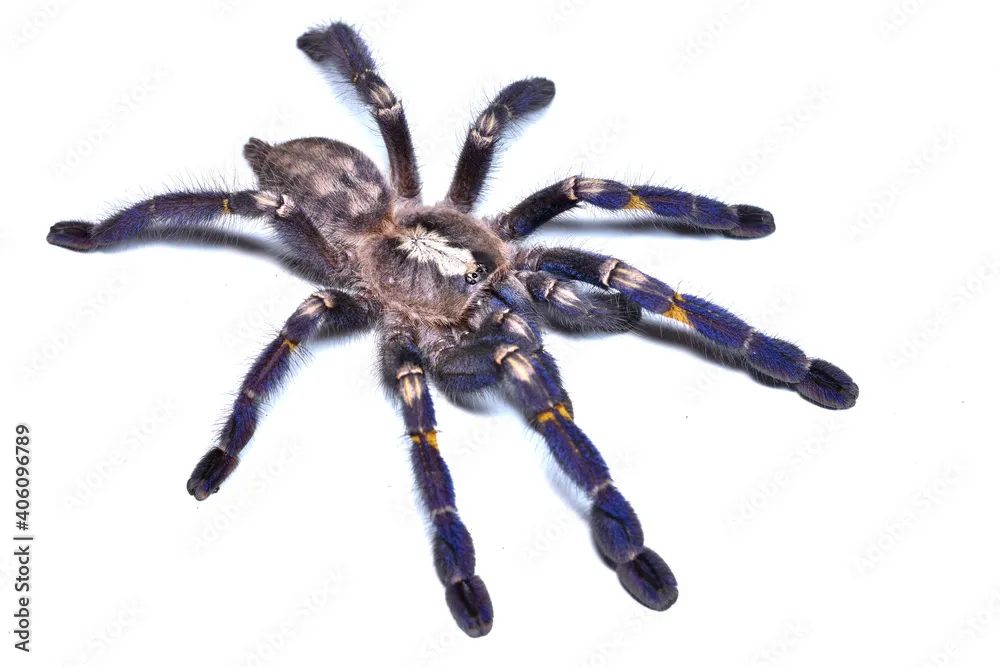
Where to Buy Gooty Sapphire Tarantulas in the UK
Finding a Gooty Sapphire Tarantula for sale in the UK can be an exciting experience. These stunning arachnids, known for their vibrant blue coloration, are increasingly popular among tarantula enthusiasts. However, it’s crucial to source your new pet from reputable sources to ensure its health and well-being. This guide provides essential tips for finding the perfect Gooty Sapphire Tarantula for your collection, focusing on responsible purchasing and care. The UK offers several avenues for acquiring these fascinating creatures, each with its own advantages and considerations. Make sure to do your research and find a seller that you are happy with, as they are important pets that require a lot of looking after. This will ensure the spider has a long and happy life.
Reputable UK Breeders and Suppliers
The best place to start your search is often with established breeders. Reputable breeders specialize in raising healthy tarantulas and can provide valuable information on their lineage and care. Look for breeders who are transparent about their practices, willing to answer your questions, and can provide references or testimonials. Online reptile forums and social media groups dedicated to tarantulas can be excellent resources for finding recommended breeders in the UK. Furthermore, established suppliers, often with physical stores, also offer Gooty Sapphire Tarantulas. Check their reviews before buying, but these can be a great way to find your new pet.
Online vs Local Reptile Shops

Both online and local reptile shops offer Gooty Sapphire Tarantulas for sale, each with its pros and cons. Online retailers often have a wider selection and may offer more competitive pricing. However, you can’t physically inspect the tarantula before purchase, and shipping can be stressful for the animal. Local reptile shops allow you to see the tarantula, assess its health, and ask questions in person. However, their selection may be more limited, and prices may be higher. Consider the convenience and your comfort level when choosing between these options. It is important to consider the spiders well-being before buying.
What to Look for When Buying
When selecting a Gooty Sapphire Tarantula, observe its overall health and appearance. A healthy tarantula should be active, alert, and have a plump abdomen. Avoid tarantulas that appear lethargic, have a shrunken abdomen (indicating dehydration or lack of food), or show signs of parasites. Look for a tarantula with all its legs and fangs intact. The tarantula should appear healthy and not have any missing legs, as this can be a sign of fighting between tarantulas or bad care.
Health and Appearance
Pay close attention to the tarantula’s overall condition. The body should be firm, not wrinkled or deflated. The fangs should be clean and undamaged. The legs should be intact, and the tarantula should move with ease. Examine the abdomen for any signs of parasites or injuries. The colour of the spider should be a vibrant blue, and the seller should guarantee the colour. If you are unsure about the health, then do not be afraid to move on. Also, do not feel rushed into buying a tarantula.
Documentation and Legalities

In the UK, there are no specific legal requirements for keeping Gooty Sapphire Tarantulas, but it’s always wise to ensure the seller provides information about the tarantula’s origin and any relevant care instructions. This information will help you provide the best possible care for your new pet and understand its history. Always ask for the spider’s details so that you can provide the best care.
Tip 1 Researching the Gooty Sapphire Tarantula
Before purchasing a Gooty Sapphire Tarantula, thorough research is essential. Understanding their specific needs ensures you can provide the appropriate environment and care, leading to a healthy and happy tarantula. This includes learning about their natural habitat, temperament, and dietary requirements. Take your time to research the spider, as this can be a lifetime commitment. Understanding the species before you buy it will ensure that you can cater for the spider.
Understanding the Species
The Gooty Sapphire Tarantula, scientifically known as Chilobrachys natans, is native to India. They are known for their striking blue coloration, particularly on their legs. This species is a semi-arboreal tarantula, which means they spend some time on the ground and will also climb. Understanding this species’ natural behaviour will help you recreate a suitable habitat. Researching the spider is a key part of owning a tarantula.
Temperament and Handling

Gooty Sapphire Tarantulas are generally considered to be defensive tarantulas. They can be fast and skittish, and they may flick urticating hairs as a defense mechanism. Therefore, handling should be kept to a minimum, and only experienced keepers should attempt it. Always handle the tarantula with caution and be prepared for a sudden movement. It is important to consider their temperament when handling them.
Lifespan and Care Requirements
Gooty Sapphire Tarantulas can live for several years, with females generally living longer than males. Females can live for up to 12 years, while males typically live for 3-4 years after maturity. They require a specific enclosure setup, including appropriate substrate, temperature, and humidity. Their care requirements are not too difficult, however it is important that you learn how to keep them. Also, consider the commitment before you buy one.
Tip 2 Habitat and Enclosure Setup
Setting up the right habitat is crucial for the well-being of your Gooty Sapphire Tarantula. They require a secure, well-ventilated enclosure that provides the right conditions for them to thrive. Incorrect setup can lead to stress, health issues, and ultimately, a shorter lifespan for your tarantula. Remember, a happy spider will have a long and healthy life.
Choosing the Right Enclosure Size

The enclosure size depends on the tarantula’s size. A juvenile Gooty Sapphire Tarantula can be kept in a smaller enclosure, such as a critter keeper. As they grow, they will need a larger terrarium. A good rule of thumb is to provide an enclosure that is at least twice the tarantula’s leg span in width and length and has enough height for the tarantula to climb if desired. The enclosure needs to be big enough for the spider to walk around comfortably.
Substrate and Furnishings
The substrate should be a mix of coco fiber, peat moss, and a little bit of vermiculite. This mix retains moisture and allows the tarantula to burrow if it wants to. Provide a water dish and some hiding places, such as a piece of cork bark or a hollow log. Avoid sharp decorations that could injure the tarantula. Having a variety of hideaways allows the spider to be as comfortable as possible. Ensure all hides are clean and free of pests.
Temperature and Humidity Control
Maintain a temperature of 75-85°F (24-29°C) and a humidity level of 65-75% for your Gooty Sapphire Tarantula. Use a thermometer and hygrometer to monitor the conditions. You can increase humidity by misting the enclosure with water a few times a week. Ventilation is also important to prevent mold growth. A good airflow prevents a build up of harmful chemicals. Make sure you follow the humidity levels correctly to keep the spider healthy.
Tip 3 Feeding and Diet

A proper diet is essential for the health and growth of your Gooty Sapphire Tarantula. They are voracious eaters and require a diet of live insects. Providing a varied and nutritious diet will ensure your tarantula thrives. The diet of the spider is very important, as this provides it with all the key nutrients.
Appropriate Food Sources
Crickets, roaches, and mealworms are all suitable food sources for Gooty Sapphire Tarantulas. The size of the prey should be appropriate for the size of the tarantula. As a general rule, the prey should be no larger than the tarantula’s body size. Variety is key, so you can rotate between different types of insects. You can supplement the diet with vitamin-dusted insects every so often to keep them healthy and fed.
Feeding Frequency
Juvenile tarantulas should be fed more frequently, about two to three times a week. Adult tarantulas can be fed once or twice a week. Remove any uneaten prey within 24 hours to prevent them from stressing the tarantula. Make sure to feed them the correct amount, so that you can keep them safe and healthy.
Watering and Hydration

Always provide a shallow water dish with fresh, clean water. Replace the water regularly to prevent bacterial growth. Some tarantulas will drink from the water dish, while others will get their moisture from their food. Make sure the water dish is in a safe space where the spider will not drown. You may also lightly mist the enclosure to provide additional hydration, but ensure the substrate does not become waterlogged.
Tip 4 Handling and Safety
While Gooty Sapphire Tarantulas are beautiful, they are not typically handled due to their defensive nature and potential for bites. Handling them can be stressful for the tarantula and could lead to a bite, which, while not usually life-threatening, can be painful. Always prioritize the tarantula’s well-being and safety. If you must handle your tarantula, proper safety measures and preparation are essential. Handling can be stressful and is not always recommended.
Safe Handling Practices
If you must handle your Gooty Sapphire Tarantula, do so only when necessary and with extreme caution. Handle the tarantula over a soft surface, such as a bed or the floor, to minimize the risk of injury if it falls. Use a soft brush to gently coax the tarantula onto your hand. Never grab or restrain the tarantula, as this can make it feel threatened. Always treat the spider with respect.
Recognizing Signs of Stress
Be aware of the signs of stress in your tarantula. If the tarantula is flicking its legs, raising its front legs, or displaying its fangs, it is stressed and may bite. Put the tarantula back into its enclosure immediately if it shows any signs of stress. Avoid handling the tarantula during molting or shortly after molting. Observe the tarantula to make sure it is not stressed.
Avoiding Bites
To avoid being bitten, never provoke or startle the tarantula. Do not put your hands near its fangs. If the tarantula does bite, remain calm and seek medical attention if necessary, though bites are rarely dangerous. Be patient and understand the tarantula is a wild animal. The spider is generally fine and does not need to be handled. Make sure the enclosure is safe so that bites do not occur. If you understand that they are wild animals and are treated as such, you can minimize the risk of bites.
Tip 5 Ongoing Care and Maintenance
Caring for a Gooty Sapphire Tarantula is an ongoing process that requires regular attention and maintenance to ensure the tarantula’s health and happiness. This includes regular cleaning of the enclosure, monitoring the tarantula’s health, and understanding the molting process. Having these practices can make it a rewarding experience.
Regular Enclosure Cleaning
Spot-clean the enclosure regularly by removing uneaten food and fecal matter. Replace the substrate partially every few months or fully once a year, depending on the enclosure size and the tarantula’s age. When cleaning, always ensure the tarantula is in a safe location or container. This will help prevent bacteria growth and ensure your pet stays safe.
Monitoring Health and Behavior
Regularly observe your tarantula for any signs of illness or stress, such as lethargy, loss of appetite, or changes in behaviour. Check the tarantula’s body condition and ensure it is eating and drinking properly. If you notice anything unusual, consult with a veterinarian or experienced tarantula keeper. Make sure the spider is healthy and happy, and deal with anything that you are concerned about.
Dealing with Molting
Molting is a natural process where tarantulas shed their exoskeleton to grow. During this time, the tarantula will typically stop eating and may spend more time hiding. Do not disturb the tarantula during molting. After molting, the tarantula’s new exoskeleton will be soft and vulnerable. Avoid feeding the tarantula for a few days after molting to allow its exoskeleton to harden. Molting is a natural process, so make sure you let the spider go through it safely.