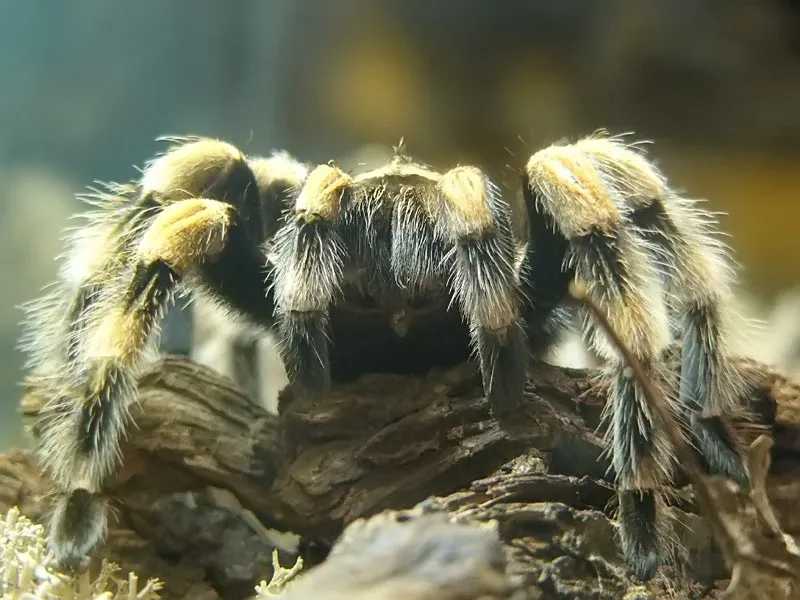
Healthy Tarantula Care Top 5 Tips
Keeping a tarantula as a pet can be a rewarding experience, but it also comes with the responsibility of ensuring its health and well-being. These fascinating creatures require specific care to thrive in captivity. Providing the right environment, proper feeding, and regular health checks are crucial for a long and healthy life for your eight-legged friend. This guide provides the top 5 tips to help you provide the best possible care for your tarantula and ensure its overall health and happiness. By following these guidelines, you can create a thriving habitat for your tarantula and enjoy the unique experience of owning one of these amazing arachnids. Remember, a healthy tarantula is a happy tarantula!
Temperature and Humidity Control
Temperature and humidity are two of the most critical factors in maintaining a healthy tarantula. These ectothermic creatures rely on their environment to regulate their body temperature and moisture levels. Creating the right conditions mimics their natural habitat and is essential for their survival and well-being. Incorrect temperature or humidity levels can lead to various health issues, including molting problems, dehydration, and even death. Therefore, it is imperative to carefully monitor and adjust these environmental factors to ensure your tarantula’s optimal health.
Maintaining the Right Temperature

The ideal temperature for most tarantulas ranges from 75 to 85 degrees Fahrenheit (24 to 29 degrees Celsius). Different species may have slightly different requirements, so research the specific needs of your tarantula species. Use a reliable thermometer to monitor the temperature inside the enclosure. If the temperature is too low, you can use a heat mat or a low-wattage heat lamp, ensuring it does not directly heat the enclosure. Place the heat source on the side of the enclosure to create a temperature gradient, allowing the tarantula to move to warmer or cooler areas as needed. Avoid direct sunlight, as this can overheat the enclosure and be dangerous for your pet. Always be cautious when using heat sources to prevent burns or overheating.
Controlling Humidity Levels
Humidity levels vary depending on the species of tarantula. Tropical species require higher humidity (70-80%), while arid species prefer lower humidity (50-60%). Use a hygrometer to measure humidity levels accurately. Increase humidity by misting the enclosure with dechlorinated water, being careful not to oversaturate the substrate. Ensure good ventilation to prevent mold growth. Provide a shallow water dish to help maintain humidity. Adjust the frequency of misting and ventilation based on your tarantula species’ specific needs. Monitoring the humidity regularly is key to ensuring your tarantula stays healthy and hydrated. Proper humidity is crucial for successful molting, a vital process for tarantula growth and health.
Appropriate Enclosure Size and Setup
The enclosure size and setup significantly impact your tarantula’s well-being. A properly designed habitat provides security, comfort, and the space needed to thrive. The enclosure should be large enough for the tarantula to move around and exhibit natural behaviors, but not so large that it feels exposed and stressed. A secure enclosure is essential to prevent escapes, which could lead to the tarantula being injured or lost. The setup should mimic the tarantula’s natural environment to reduce stress and encourage normal behaviors such as burrowing or web-making. Always prioritize the tarantula’s safety and comfort when designing the enclosure. The appropriate setup is a key factor in ensuring a healthy tarantula.
Choosing the Right Substrate

The substrate is the material that covers the bottom of the enclosure. It serves several purposes, including providing a surface for the tarantula to walk on, helping to maintain humidity, and providing a place to burrow. The best substrate choices depend on the tarantula species. For example, for terrestrial species, a substrate mix of coconut fiber, peat moss, and a bit of vermiculite is ideal. For arboreal species, a substrate like coconut fiber or sphagnum moss works well. Avoid substrates that can be harmful if ingested, such as gravel or sand. The substrate should be deep enough for the tarantula to burrow, typically 2-6 inches, depending on the species and size. Replace the substrate regularly to prevent mold and bacterial growth and maintain a clean environment.
Providing Hiding Places and Enrichment
Tarantulas are naturally secretive creatures and feel safer when they have a place to hide. Providing ample hiding places is crucial for reducing stress and allowing the tarantula to feel secure. You can use cork bark, artificial caves, or even sturdy, overturned pots. The hide should be large enough for the tarantula to retreat completely. In addition to hides, consider adding enrichment items to the enclosure. This can include artificial plants, branches, or other decorations that mimic the tarantula’s natural environment. Enrichment can stimulate natural behaviors and provide a more interesting habitat. Ensure all items in the enclosure are non-toxic and pose no risk of injury to the tarantula. A well-designed enclosure with hiding places and enrichment is a happy tarantula habitat.
Proper Feeding Habits
Feeding your tarantula properly is essential for its health and growth. They have specific dietary requirements, and it is crucial to provide them with appropriate food at the right frequency. Overfeeding or underfeeding can lead to health problems. Understanding your tarantula’s dietary needs and adjusting your feeding schedule accordingly will contribute significantly to its longevity and overall well-being. Always prioritize the tarantula’s nutritional needs to ensure it thrives in captivity. A good feeding regimen contributes significantly to a healthy tarantula.
Choosing the Right Food

Tarantulas are primarily insectivores, meaning they eat insects. The most common food items include crickets, mealworms, dubia roaches, and other commercially available insects. The size of the prey should be appropriate for the size of your tarantula; the general rule is to offer prey no larger than the tarantula’s body. Ensure the insects are gut-loaded (fed a nutritious diet) before feeding them to your tarantula. Avoid feeding wild-caught insects, as they may carry parasites or pesticides. Variety is key; offering different types of insects provides a balanced diet. Always remove uneaten prey within 24 hours to prevent the insects from stressing or harming your tarantula. Providing a diverse and nutritious diet ensures your tarantula gets all the essential nutrients.
Feeding Frequency
The feeding frequency depends on the age and size of your tarantula. Spiderlings (young tarantulas) and juveniles need to be fed more often than adults. Spiderlings can be fed two to three times a week, while juveniles can be fed once or twice a week. Adult tarantulas can be fed once every one to two weeks, depending on their appetite and species. Observe your tarantula’s body condition; a plump abdomen indicates a well-fed tarantula, while a shrunken abdomen might indicate underfeeding. Avoid feeding your tarantula during molting, as they will be vulnerable. Adjust the feeding schedule based on the tarantula’s growth and activity levels. Proper feeding schedules are crucial for a healthy tarantula.
Water Availability and Quality
Water is essential for a tarantula’s survival, and it is crucial to provide a clean, accessible water source at all times. Dehydration can be detrimental to a tarantula’s health, and ensuring adequate water intake is vital for maintaining its bodily functions. The quality of the water is also important, as contaminants can be harmful. Always prioritize the cleanliness and availability of water to help your tarantula thrive. A well-hydrated tarantula is a healthy tarantula.
Providing Fresh Water

Provide a shallow water dish that is easily accessible for your tarantula. The dish should be shallow enough to prevent the tarantula from drowning. Use a water dish made of a non-toxic material, such as plastic or ceramic. For smaller tarantulas, you can use a bottle cap or a cotton ball soaked in water. Always ensure the water dish is filled with fresh, clean water. Dechlorinated water is recommended. Replace the water in the dish every one to two days to prevent bacterial growth and ensure the tarantula always has access to fresh water. Regular water changes are an important part of maintaining a healthy environment.
Monitoring Water Quality
Regularly check the water for debris, dirt, or algae growth. Clean the water dish with warm water and soap regularly to prevent the buildup of harmful substances. Never use soap with scents or chemicals. If you notice any discoloration or cloudiness in the water, change it immediately. Provide a consistent source of clean, fresh water to maintain your tarantula’s health and well-being. Clean water is crucial for preventing health issues and ensuring your tarantula stays hydrated.
Regular Health Checks
Regularly monitoring your tarantula’s health is essential to catch potential problems early. By observing your tarantula regularly, you can identify any signs of illness or distress and take appropriate action. This includes inspecting the tarantula’s physical condition, behavior, and the overall environment. Early detection of health issues is critical for successful treatment and ensuring a long, healthy life for your pet. Consistent monitoring and awareness are essential for all tarantula owners.
Identifying Signs of Illness

Observe your tarantula’s behavior for any changes. Look for signs like loss of appetite, lethargy, tremors, or difficulty moving. Check for physical abnormalities, such as discoloration, swelling, or injuries. Monitor the tarantula’s molting process; problems during molting can indicate underlying health issues. Watch for signs of parasites, such as mites, which can be visible on the tarantula’s body. If you notice any unusual behavior or physical changes, it is important to investigate further. Consult resources online or contact a veterinarian with experience in exotic animals.
When to Seek Veterinary Care
If you suspect your tarantula is ill, it is important to seek veterinary care. Contact a veterinarian specializing in exotic animals or arachnids. Prepare a detailed description of the symptoms and any changes in behavior. Provide information about the tarantula’s environment, feeding habits, and recent molting history. If possible, bring the tarantula’s enclosure or a sample of the substrate to the vet. Early veterinary intervention can significantly improve your tarantula’s chances of recovery. Do not hesitate to seek professional help if you are concerned about your tarantula’s health. Prompt medical care is essential for any serious tarantula health issues.
Conclusion
Caring for a healthy tarantula involves understanding its specific needs and providing a suitable environment. By following these five key tips—controlling temperature and humidity, providing an appropriate enclosure, offering proper feeding, ensuring water availability and quality, and conducting regular health checks—you can significantly enhance your tarantula’s well-being. Remember to research the specific needs of your tarantula species, as requirements can vary. With proper care, your tarantula can thrive, providing you with years of fascinating observation and enjoyment. Prioritizing your tarantula’s health and happiness is essential for a rewarding experience as a tarantula owner.