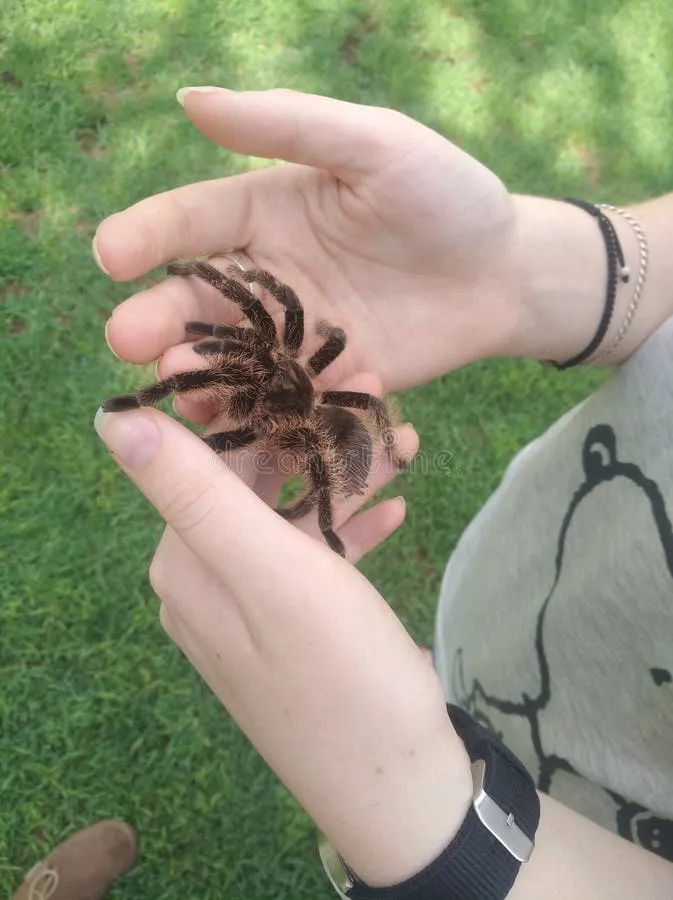
Owning a tarantula can be a fascinating experience, but understanding their behavior and how to keep them calm is crucial for their well-being and your peace of mind. Tarantulas, despite their often intimidating appearance, are surprisingly sensitive creatures. This guide will walk you through the essential steps to understand your tarantula, create a stress-free environment, and handle them with confidence. By following these guidelines, you can ensure your tarantula lives a long, healthy, and comfortable life.
Understanding Tarantula Behavior
Before you can calm a tarantula, you must understand what it’s trying to communicate. Tarantulas cannot speak, so they rely on body language to express their feelings. Learning to read these signals is the first step in providing proper care and avoiding unnecessary stress. Observing your tarantula regularly will help you distinguish between normal behavior and signs of distress. This knowledge is vital for creating a safe and comfortable habitat.
Recognizing Stress Signals in Tarantulas
Stress signals can manifest in various ways. Recognizing these signals is essential to understanding if your tarantula is feeling threatened or uncomfortable. Constant observation of your tarantula’s behavior is key to understanding its specific personality and identifying when something is amiss. Stress can be triggered by a variety of factors, so being able to identify the signs is crucial.
Body Posture and Movement

A tarantula’s posture can tell you a lot about its mood. A tarantula that is feeling threatened might rear up on its back legs, a defensive posture often accompanied by raising its front legs, ready to strike. Rapid, jerky movements or bolting across the enclosure are also signs of stress. On the other hand, a relaxed tarantula will typically sit calmly, with its legs spread out and its fangs tucked away.
Abdomen and Fangs
The abdomen’s appearance can indicate stress levels. A tarantula may flick hairs off its abdomen (urticating hairs) as a defense mechanism. Furthermore, a tarantula that repeatedly displays its fangs or opens its chelicerae (mouthparts) might feel threatened and prepare to bite. Therefore, always observe these behaviors to gauge your pet’s current state.
Common Stressors for Tarantulas
Tarantulas are easily stressed by a variety of factors. Loud noises, sudden movements, and improper handling can all trigger stress responses. Understanding these stressors is key to avoiding them and creating a calm environment. Moreover, providing a stable environment can prevent many stress-related issues. Observe your tarantula closely and adjust the environment based on its behavior.
Environmental Factors

Environmental factors play a crucial role in a tarantula’s stress levels. Temperature fluctuations, inadequate humidity, and a lack of suitable hiding places can all contribute to stress. Always ensure that your tarantula’s enclosure is properly maintained with stable conditions to avoid unnecessary stress. Routine checks and environmental adjustments will promote a healthy and calm tarantula.
Handling and Interaction
Tarantulas are generally not fond of being handled. Excessive or improper handling can be a major source of stress. If you must handle your tarantula, do so cautiously and with patience. Sudden movements or dropping the tarantula can cause severe stress and potentially injury. If handling is necessary, make sure you are prepared and proceed with care.
Creating a Calm Environment for Your Tarantula
A well-designed and maintained enclosure is essential for a calm tarantula. The setup should mimic the tarantula’s natural habitat as closely as possible, providing security and comfort. A proper enclosure reduces stress and helps your tarantula thrive. Careful planning and attention to detail will create a perfect habitat.
Choosing the Right Enclosure

The enclosure’s size should correspond to the tarantula’s size and species. A good rule of thumb is to provide an enclosure that is at least three times the tarantula’s leg span in width and twice its leg span in height. The enclosure should also have a secure lid to prevent escape. Avoid using glass tanks with mesh tops, as these can be difficult to regulate temperature and humidity. Ventilation is important, but drafts should be avoided.
Size and Substrate
The substrate should be several inches deep to allow for burrowing species to create their habitats. Suitable substrates include a mixture of peat moss, coconut fiber, and vermiculite. The substrate should be kept slightly moist but not soggy. This helps maintain the correct humidity levels. Avoid using substrates with sharp edges that could potentially harm your tarantula.
Hiding Places and Decor
Providing plenty of hiding places is crucial for reducing stress. Cork bark, hollow logs, and artificial plants can all be used to create a secure environment. Arrange these items to allow your tarantula to hide and feel secure. Avoid placing heavy items that could potentially fall and injure the tarantula. A well-decorated enclosure is a happy enclosure.
Maintaining Optimal Temperature and Humidity

Temperature and humidity are critical for a tarantula’s health and well-being. The correct range will vary based on the species, but most tarantulas thrive in temperatures between 75°F and 85°F (24°C and 29°C), with humidity levels between 60% and 80%.
Temperature Regulation
Use a heating pad placed on the side of the enclosure to maintain the correct temperature. Avoid placing the heating pad directly under the enclosure, as this could overheat the substrate. Monitor the temperature with a digital thermometer to ensure accuracy. Adjust the heat source to maintain optimal temperatures.
Humidity Control
Humidity can be maintained by misting the enclosure regularly. The frequency of misting will depend on the species and the ventilation of the enclosure. Use a hygrometer to measure humidity levels accurately. Ensure proper ventilation to prevent mold growth. A shallow water dish can also help with humidity levels.
Safe Handling Techniques

Handling a tarantula should be done only when necessary and with extreme caution. Tarantulas are fragile and can be easily injured if dropped. If handling is unavoidable, it is best to be prepared and follow safety protocols. Always be mindful of the tarantula’s behavior and proceed slowly.
Approaching Your Tarantula
Approach your tarantula slowly and calmly. Avoid sudden movements or loud noises. If the tarantula shows any signs of stress, such as rearing up or raising its front legs, do not attempt to handle it. Observe its behavior and try again later when it is calmer. Building trust is essential.
Gently Directing Movement
If you need to coax your tarantula, use a soft brush or a piece of paper to gently guide it. Never use your fingers to push or force the tarantula to move. Handle gently and avoid any actions that could frighten or agitate it. Your patience will ensure a safe experience.
Avoiding Sudden Movements

Avoid making any sudden movements near the enclosure. Rapid motions can startle tarantulas, leading them to flee or defend themselves. Speak softly and move slowly to reassure your tarantula. A calm approach reduces the chance of stress.
The Importance of Patience
Patience is key when dealing with tarantulas. Never rush the process of handling or interacting with your tarantula. Give it time to acclimate to your presence and trust you. A stressed tarantula is more likely to bite or exhibit defensive behaviors. A calm and patient approach fosters a positive relationship.
Feeding Your Tarantula
Proper feeding habits contribute significantly to a tarantula’s well-being. A well-fed tarantula is generally less stressed and more content. Providing the right type of food and the correct portion sizes ensures that your tarantula has the necessary nutrients and remains calm.
Choosing the Right Food

Tarantulas are primarily insectivores, meaning they eat insects. Appropriate food items include crickets, mealworms, roaches, and other readily available feeder insects. Make sure the insects are gut-loaded with nutritious food before feeding them to your tarantula. Avoid feeding wild-caught insects, as these may contain parasites or pesticides.
Frequency and Portion Size
The frequency of feeding will depend on the tarantula’s age and metabolism. Spiderlings should be fed more frequently (2-3 times a week), while adult tarantulas can be fed less often (once a week or even less). Offer prey items that are appropriately sized for your tarantula. Remove any uneaten prey within 24 hours. Observe your tarantula to adjust feeding accordingly.
Dealing with Common Problems
Even with the best care, tarantulas can experience certain problems. Being aware of common issues like molting stress and aggression allows you to provide appropriate solutions. Proper care can mitigate stress and keep your tarantula healthy and calm.
Molting Stress
Molting is a natural process where tarantulas shed their exoskeletons to grow. During this period, they are particularly vulnerable and stressed. Provide a secure and undisturbed environment during molting. Do not feed your tarantula while it is molting. If you see your tarantula flipped on its back, it’s molting, so do not disturb it. Ensure the enclosure has adequate humidity to assist with the molting process.
Preventing and Managing Aggression
Aggression can be triggered by various factors. Overcrowding, lack of food, and a poor environment are potential causes. Ensure your tarantula has enough space, proper feeding, and a suitable habitat to minimize the likelihood of aggression. Handle with care, and provide plenty of hiding places. If aggression persists, review the setup and handling techniques.
When to Seek Expert Help
If you notice any unusual behaviors, such as persistent loss of appetite, lethargy, or signs of illness, it is best to consult a veterinarian or experienced tarantula keeper. Early intervention can often prevent serious health issues. Don’t hesitate to seek guidance if you have concerns about your tarantula’s well-being. Expert advice is invaluable when dealing with health issues.
In conclusion, understanding, patience, and proper care are the cornerstones of keeping a calm and happy tarantula. By following the guidelines in this guide, you can create an environment where your tarantula thrives. Always prioritize your tarantula’s well-being, and you will be rewarded with a fascinating and rewarding experience. Enjoy the journey of tarantula ownership!