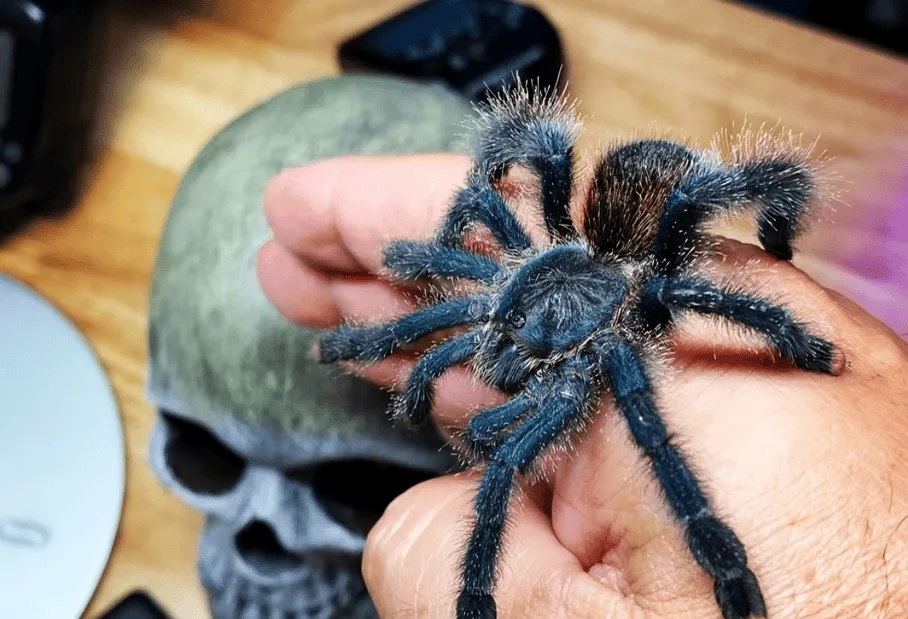
Pink Toe Tarantula [Ultimate Guide] What You Need
The Pink Toe Tarantula (Avicularia avicularia) is a popular choice for beginner and experienced arachnid enthusiasts alike, known for its striking appearance and relatively docile temperament. Caring for a Pink Toe Tarantula can be a rewarding experience, providing a fascinating glimpse into the world of invertebrates. This ultimate guide provides comprehensive information on every aspect of pink toe tarantula care, from choosing your tarantula to breeding. This guide aims to provide you with all the necessary information to ensure your pink toe tarantula lives a long, healthy, and happy life. With proper care, these captivating creatures can thrive in captivity, bringing a touch of the exotic into your home.
Choosing Your Pink Toe Tarantula
The first step in caring for a Pink Toe Tarantula is selecting a healthy specimen. This involves careful observation and research to ensure you bring home a thriving tarantula. Choosing a Pink Toe Tarantula requires patience and a discerning eye. There are several factors to consider, including its overall health, activity level, and any visible signs of distress or illness. This early stage of selection can set the stage for a positive and rewarding experience as a tarantula owner. Always buy from a reputable source. This increases the chance of getting a healthy specimen.
Selecting a Healthy Pink Toe Tarantula

When selecting your Pink Toe Tarantula, look for a spider with a plump abdomen, indicating good hydration and feeding. Check for any missing limbs, although a few missing legs aren’t necessarily a sign of poor health. The tarantula should be alert and responsive to its environment, not sluggish or lethargic. The fangs should appear intact, and there should be no visible signs of mites or other parasites. A healthy Pink Toe Tarantula will have vibrant colors and a good appetite. Always inspect the tarantula’s enclosure for cleanliness and appropriate environmental conditions, as these can also indicate the tarantula’s health.
Where to Buy a Pink Toe Tarantula
Pink Toe Tarantulas can be found at reputable reptile and exotic pet stores, online breeders, and reptile expos. It’s important to research the seller before making a purchase. Check online reviews and ask about the tarantula’s origin and care history. Avoid purchasing tarantulas from sources that seem unprofessional or that lack experience in tarantula care. Buying from a local breeder or a store with a good reputation often ensures that the tarantula has been well-cared for and is in good health. Always ensure the seller can provide basic care information and be available for any future support you might need.
Housing Your Pink Toe Tarantula
Setting up a suitable enclosure is crucial for your Pink Toe Tarantula’s well-being. The enclosure should mimic the tarantula’s natural arboreal habitat, providing adequate space, appropriate substrate, and opportunities for climbing and hiding. Proper housing is not only essential for your tarantula’s physical health but also contributes to its psychological well-being, reducing stress and promoting natural behaviors. A well-designed enclosure can enhance your enjoyment of the tarantula and make it easier to observe and care for.
Terrarium Size for Pink Toe Tarantula

The size of the terrarium is vital for the health and comfort of your Pink Toe Tarantula. A general guideline is to provide an enclosure that is at least three times the tarantula’s leg span in width and length, and twice the leg span in height. For a juvenile Pink Toe Tarantula, a 10-gallon terrarium is often sufficient. As the tarantula grows, you will need to upgrade the enclosure. Adult Pink Toe Tarantulas usually thrive in a 20-gallon tall terrarium or larger. The height is particularly important as these tarantulas are arboreal, meaning they prefer to climb.
Substrate for Pink Toe Tarantula
The substrate in your Pink Toe Tarantula’s enclosure should provide a comfortable and safe environment. The ideal substrate retains humidity, allows the tarantula to burrow if it chooses, and is non-toxic. A good substrate option is a mixture of coconut fiber (eco earth), peat moss, and a small amount of sphagnum moss. This combination holds moisture well, helps maintain humidity, and allows the tarantula to create a webbed retreat. Avoid substrates such as gravel or sand, as they do not retain humidity well and can be difficult for the tarantula to navigate. Make sure the substrate is several inches deep to allow for burrowing.
Decorating Your Pink Toe Tarantula’s Enclosure
Enriching the enclosure with the right décor is an important aspect of Pink Toe Tarantula care. Provide a vertical structure like cork bark or branches for climbing and webbing. Include a shallow water dish with clean, fresh water that is accessible at all times. Live or artificial plants can add to the aesthetic appeal and help maintain humidity. Ensure that any décor is securely placed to prevent injury if it falls. The décor should mimic the tarantula’s natural habitat, making it feel secure and encouraging natural behaviors like web-building and hunting.
Humidity and Ventilation

Maintaining proper humidity and ventilation is crucial for the health of your Pink Toe Tarantula. Pink Toe Tarantulas thrive in a humidity level of 70-80%. You can achieve this by misting the enclosure regularly, especially the substrate and the sides of the terrarium. Proper ventilation is just as important; too much humidity without adequate airflow can lead to mold growth and respiratory issues. Ensure the enclosure has ventilation holes or a screen top for air circulation. Monitor the humidity levels with a hygrometer and adjust your misting schedule accordingly.
Feeding Your Pink Toe Tarantula
Feeding your Pink Toe Tarantula properly is essential for its growth and health. They are opportunistic predators, and their diet mainly consists of insects. Providing the right food and feeding frequency ensures your tarantula receives the necessary nutrients. Observing your tarantula’s feeding habits can provide insight into its overall health and well-being. Ensuring proper feeding can significantly enhance your tarantula’s longevity and promote natural behaviors like hunting and web-building.
What to Feed Pink Toe Tarantulas
The primary diet for Pink Toe Tarantulas consists of insects. Crickets, roaches (dubia roaches are excellent), mealworms, and other commercially available insects are suitable choices. Ensure the insects are gut-loaded (fed nutritious food before being offered to the tarantula) to provide maximum nutritional value. Avoid feeding wild-caught insects, as they might carry parasites or pesticides. The size of the prey should be appropriate for your tarantula; the insects should be no larger than the tarantula’s body. Always remove any uneaten prey within 24 hours to prevent stress and potential harm to the tarantula.
Feeding Frequency

The feeding frequency depends on the age and size of your Pink Toe Tarantula. Spiderlings should be fed more frequently, about two to three times a week. As the tarantula matures, you can reduce the feeding frequency to once or twice a week. Adult Pink Toe Tarantulas usually eat one or two appropriately sized insects per feeding. Always observe your tarantula’s feeding habits, and adjust the frequency and amount of food as needed. A tarantula that consistently refuses food might be in premolt (preparing to molt) or experiencing some health issue; consult a specialist if this occurs.
Watering Your Pink Toe Tarantula
Providing fresh water is crucial for your Pink Toe Tarantula’s health and hydration. Always provide a shallow water dish with clean water in the enclosure. The dish should be accessible but not too deep, to prevent the tarantula from drowning. Regularly check the water dish and refill it with fresh water. You can also mist the enclosure to provide additional hydration, but ensure proper ventilation to prevent mold and excess humidity.
Handling Your Pink Toe Tarantula
Handling Pink Toe Tarantulas is generally discouraged unless necessary, as it can stress the tarantula and potentially lead to defensive bites. However, there are instances where you might need to handle your tarantula, such as during enclosure cleaning or health checks. Approach handling with caution and respect for the tarantula’s well-being. If you need to handle your tarantula, it’s important to do so safely and to understand the tarantula’s behavior.
When to Handle

Try to avoid handling your Pink Toe Tarantula unless it’s absolutely necessary. Situations where handling might be required include enclosure cleaning, health inspections, or if the tarantula needs to be moved. Avoid handling during or shortly after a molt, as the tarantula’s fangs and exoskeleton are soft and vulnerable. Also, do not handle your tarantula if it appears agitated or defensive, as this increases the risk of a bite.
How to Handle
If you need to handle your Pink Toe Tarantula, do so with extreme care and gentle movements. Approach the tarantula slowly and avoid sudden movements. The best method is to gently coax the tarantula onto your hand by offering it a surface. Avoid grabbing or forcing the tarantula to move. Handle the tarantula close to a soft surface, like a bed or the ground, to minimize the risk if it falls. Always wash your hands before and after handling. A bite from a Pink Toe Tarantula, while not typically life-threatening, can be painful and may cause local symptoms like redness, itching, or swelling.
Common Health Issues
Pink Toe Tarantulas are relatively hardy, but they can still encounter health issues. Understanding common problems and recognizing signs of illness is crucial for their care. Regularly observe your tarantula for any changes in behavior, appetite, or appearance. Early detection and treatment can prevent more serious health issues.
Molting Process

Molting is a natural process where the tarantula sheds its exoskeleton to grow. During this time, the tarantula will typically stop eating and become inactive. The abdomen will appear dark and swollen. Provide a moist environment and do not disturb the tarantula. After molting, the tarantula will be very vulnerable and needs time to recover. Avoid feeding it until its fangs have hardened, usually a week or so after the molt. Do not try to assist the tarantula during molting, as this can lead to injury or death. It is important to maintain a humid environment to help the tarantula during molting.
Preventative Care
Preventative care involves maintaining a clean, appropriate environment and providing a balanced diet. Regularly remove any uneaten food, shed exoskeletons, and waste to prevent bacterial or fungal growth. Ensure the enclosure has adequate ventilation. Monitor the humidity levels and adjust as needed. Provide a varied diet of nutritious insects. Regular health checks, careful observation, and a proactive approach to care can prevent many health issues. Quarantine new tarantulas to watch for signs of illness, and consult with a veterinarian or experienced keeper if you notice any issues.
Pink Toe Tarantula Breeding Guide
Breeding Pink Toe Tarantulas can be a rewarding but complex undertaking. It requires a deep understanding of tarantula behavior, proper environmental control, and patience. Success depends on the health of the specimens, environmental conditions, and meticulous attention to detail. Breeding these tarantulas can be a fascinating journey for the dedicated hobbyist.