The Bolivian White Leg Tarantula, a captivating and relatively docile species, is increasingly popular among tarantula enthusiasts. Owning one can be a rewarding experience, but it’s crucial to understand their specific needs to ensure their health and well-being. This comprehensive guide will walk you through every aspect of Bolivian White Leg Tarantula care, from setting up their habitat to understanding their behavior, and everything in between. With the right knowledge, you can provide a thriving environment for your fascinating eight-legged friend, allowing you to enjoy the unique beauty of this impressive arachnid.
Understanding the Bolivian White Leg Tarantula
Appearance and Characteristics
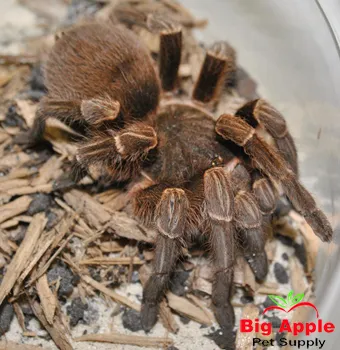
The Bolivian White Leg Tarantula ( Pamphobeteus antinous) is known for its striking appearance. They are typically large tarantulas, with a leg span that can reach up to 8 inches or more. Their bodies are usually a dark, velvety brown or black, contrasting beautifully with the bright white hairs on their legs, hence the name. These tarantulas also have a robust build, contributing to their impressive presence. Their chelicerae, or mouthparts, are strong and capable of delivering a bite, although they are generally not aggressive and prefer to flee or flick urticating hairs as a defense mechanism.
Habitat and Natural Environment

In their natural habitat, Bolivian White Leg Tarantulas are found in the tropical regions of Bolivia. They are terrestrial spiders, meaning they live primarily on the ground. They often create burrows or utilize existing shelters under logs, rocks, or in leaf litter. Understanding their natural environment is key to replicating suitable conditions in captivity. They thrive in a humid, warm environment with plenty of hiding places, which allows them to feel secure and exhibit their natural behaviors. Replicating these conditions is essential for their health and well-being in your care.
Creating the Perfect Enclosure
Choosing the Right Tank Size
Choosing the right enclosure is critical for your tarantula’s well-being. A good starting point is a tank that is at least three times the tarantula’s leg span in width and length. For adults, a 10-gallon tank is generally sufficient, while larger individuals may benefit from a 20-gallon long tank. The enclosure should be well-ventilated but secure to prevent escapes. A secure lid is essential. The depth of the tank is less critical than the floor space, as these tarantulas are terrestrial and don’t climb extensively, though you should ensure enough height for substrate and décor.
Substrate and Decorating the Habitat

The substrate is the foundation of your tarantula’s habitat, providing both comfort and humidity regulation. A mixture of peat moss, coconut fiber, and a small amount of vermiculite is ideal. This combination holds moisture well, allowing for the humidity levels this species requires. The substrate should be several inches deep to allow the tarantula to burrow if it chooses. Decorate the enclosure with items that provide hiding places, such as cork bark, artificial plants, and sturdy hides. These additions will make your tarantula feel secure and offer enrichment.
Temperature and Humidity Control
Maintaining the right temperature and humidity is vital. Bolivian White Leg Tarantulas thrive in temperatures between 75-85°F (24-29°C). Use a heat mat on the side of the enclosure, not directly under it, to provide gentle warmth. Humidity levels should be kept between 65-75%. You can achieve this by misting the enclosure with dechlorinated water a few times a week and ensuring that the substrate remains slightly moist but not waterlogged. A hygrometer is a great tool to monitor the humidity levels and make any necessary adjustments.
Feeding Your Tarantula
What to Feed Your Bolivian White Leg Tarantula
Bolivian White Leg Tarantulas are voracious eaters. Their diet should consist primarily of live insects. Crickets, roaches (dubia roaches are a great choice), and mealworms are common and readily available options. Ensure that the insects are gut-loaded with nutritious food before feeding them to your tarantula. This will provide your tarantula with essential nutrients. Occasionally, you can offer a pre-killed insect to avoid any potential harm to your tarantula from the prey. Always remove uneaten insects, as they can stress the tarantula and potentially harm it during a molt.
Feeding Frequency and Portion Size
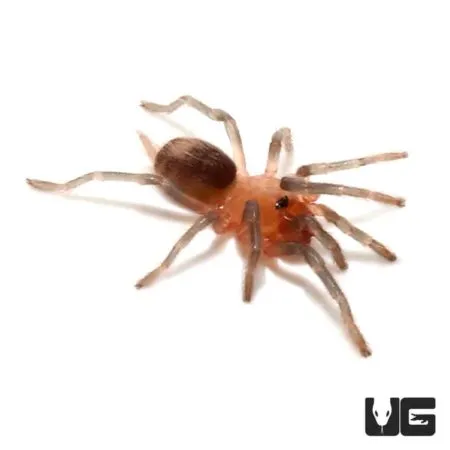
Feeding frequency depends on the tarantula’s age and size. Spiderlings should be fed every other day or every day, while adults can be fed once or twice a week. The portion size should be appropriate for the tarantula’s size. A good rule of thumb is to feed them insects that are no larger than the tarantula’s body. Overfeeding can lead to obesity and potential health problems. Observe your tarantula’s abdomen; a plump abdomen indicates it’s well-fed, whereas a thin abdomen means it might need more food.
Water and Hydration
Providing fresh water is crucial for your tarantula’s hydration. A shallow water dish should always be available. Ensure the water dish is shallow enough to prevent drowning. You can also mist the enclosure regularly to provide additional moisture. Some tarantula keepers use water crystals as a safe alternative to water dishes for spiderlings, as they reduce the risk of drowning. Always use dechlorinated water, as chlorine can be harmful to tarantulas.
Handling and Safety
Safe Handling Practices
Handling a Bolivian White Leg Tarantula should be approached with caution. Although they are generally docile, they can bite if they feel threatened. If you choose to handle your tarantula, do so gently and slowly. Always handle them close to the ground or a soft surface, in case they fall. Never try to grab or startle the tarantula. Use a soft brush to gently encourage it to move if necessary. Be aware that handling can stress the tarantula, so do it only when essential, and never force interactions.
Recognizing Stress and Potential Hazards
Learn to recognize signs of stress in your tarantula. These can include a defensive posture, flicking of urticating hairs (if present), or erratic behavior. If your tarantula appears stressed, leave it alone and provide a more secure environment. Other potential hazards include exposure to pesticides, drafts, and extreme temperatures. Always wash your hands thoroughly before and after handling your tarantula or working in its enclosure to avoid transferring harmful substances. Make sure that all supplies are tarantula-safe.
Health and Common Issues

Identifying and Treating Common Diseases
Tarantulas are generally hardy creatures, but they can be susceptible to certain health issues. One common problem is fungal infections, which can arise from excessively humid conditions. Symptoms include lethargy, loss of appetite, and visible fungal growth. Preventing fungal infections involves maintaining proper ventilation and avoiding excessive moisture. If you suspect your tarantula has a fungal infection, consult a veterinarian specializing in exotic animals. Other health issues include parasitic mites, which can often be addressed by improving the enclosure’s cleanliness and sometimes with vet-prescribed treatments.
Shedding and Molting
Molting is a natural process where tarantulas shed their exoskeleton to grow. The frequency of molting depends on age and growth rate. Spiderlings molt more frequently than adults. During molting, your tarantula will typically stop eating and may appear inactive. It is vital not to disturb the tarantula during this process. Provide a humid environment and leave it alone until the new exoskeleton hardens. After molting, the tarantula will be more vulnerable and should not be fed for several days until its fangs have hardened.
Breeding and Reproduction
Sexing Your Tarantula
Sexing your tarantula can be achieved by examining the underside of the abdomen. After molting, the shed exoskeleton can be examined for the presence of spermathecae in females. These are two small sacs used to store sperm. Males have a different structure. They develop “boxing gloves” (pedipalps) at the end of their pedipalps, which are used for mating. Ventral sexing can also be performed by experienced keepers by examining the abdomen directly, but it is more difficult.
Mating and Egg Sacs
Breeding Bolivian White Leg Tarantulas can be a rewarding experience, but it is a significant undertaking. It is essential to have the correct environment and be patient. The process involves introducing a mature male to a receptive female. If successful, the female will create an egg sac containing numerous eggs. The female will guard the egg sac for several weeks before the spiderlings hatch. Raising the spiderlings requires specialized knowledge and a lot of patience, as they require their own enclosures and careful feeding. Breeding should only be attempted by those with experience and a strong commitment to the welfare of the spiderlings.
Conclusion
Caring for a Bolivian White Leg Tarantula can be a fulfilling experience for any arachnid enthusiast. By understanding their specific needs regarding habitat, feeding, handling, and health, you can create an environment where they can thrive. This comprehensive guide has provided you with the essential information you need to be a responsible and successful tarantula keeper. Remember to observe your tarantula closely, provide a consistent and suitable environment, and enjoy the fascinating world of these magnificent creatures. With dedication and care, you can ensure your Bolivian White Leg Tarantula lives a long and healthy life.