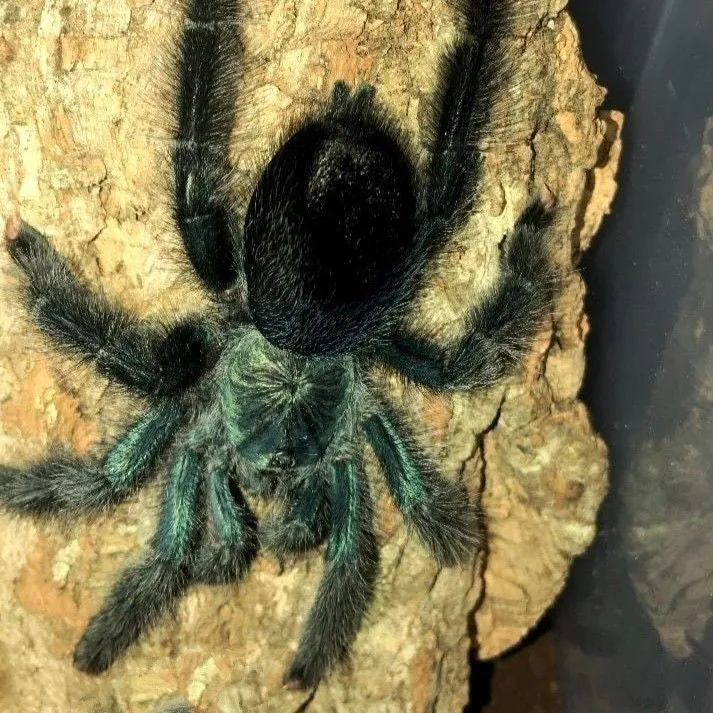
Understanding the Brazilian Blue Tarantula
The Brazilian Blue Tarantula (Chromatopelma cyaneopubescens), often admired for its stunning coloration, is a popular choice among tarantula enthusiasts. Native to the coastal regions of northern Venezuela and parts of Trinidad, these spiders are known for their vibrant blue and orange hues, especially as juveniles. This article serves as a comprehensive guide for anyone considering welcoming a Brazilian Blue Tarantula into their home, providing essential information on their care, habitat, feeding, and overall well-being. Understanding their specific needs is crucial to ensure a long and healthy life for these fascinating creatures. Proper care not only ensures the tarantula’s survival but also allows you to fully appreciate its unique beauty and behavior. From setting up the perfect enclosure to understanding their dietary needs, this guide will equip you with the knowledge necessary to become a responsible and successful Brazilian Blue Tarantula owner.
Appearance and Characteristics
Brazilian Blue Tarantulas are renowned for their striking appearance. Juveniles typically exhibit a brilliant blue coloration on their legs and carapace, which gradually transitions to orange or reddish-orange as they mature, particularly on their abdomen. The contrast between the blue legs and the orange body creates a visually stunning effect. They are a medium-sized tarantula, with females reaching a leg span of up to 6 inches (15 cm). Their bodies are covered in fine hairs, and they possess powerful chelicerae (fangs) used for capturing prey and defense. Their vibrant colors and relatively docile temperament make them a favorite among hobbyists, although it’s essential to remember that they are still wild animals and should be treated with respect and caution.
Size and Lifespan

The size and lifespan of a Brazilian Blue Tarantula depend on various factors, including gender, diet, and environmental conditions. Females are generally larger and live longer than males. On average, females can live for 12 to 15 years, sometimes even longer under optimal care. Males, on the other hand, typically mature faster and have a shorter lifespan, usually around 3 to 5 years after their final molt. As mentioned, females can reach a leg span of about 6 inches (15 cm). Their size and lifespan should be taken into consideration when preparing for your new pet. A large enclosure is required for the adult tarantula, and the long lifespan of a female means you should be prepared to care for the spider for many years.
Habitat and Enclosure Setup
Creating the right habitat is fundamental to the health and happiness of your Brazilian Blue Tarantula. The enclosure should mimic their natural environment as closely as possible, providing appropriate shelter, temperature, humidity, and opportunities for natural behaviors. This will not only enhance the tarantula’s well-being but also make it more interesting to observe. Proper enclosure setup is vital for their survival. It should be designed to provide an environment that promotes their physical and psychological health, from temperature regulation and humidity control to the inclusion of appropriate substrate and hiding places.
Enclosure Size and Materials
A suitable enclosure for an adult Brazilian Blue Tarantula should be at least 10 gallons, but a 15-20 gallon terrarium is preferable to allow for ample space. The enclosure should be wider than tall, as these tarantulas are terrestrial. Glass or acrylic terrariums with secure, well-ventilated lids are ideal. The lid should be escape-proof but also provide sufficient ventilation to prevent the buildup of excessive moisture, which can lead to mold and fungal growth. Ensure that the enclosure is placed in a location away from direct sunlight or drafts. It should be a place with a stable temperature and low foot traffic.
Substrate and Decorations

The substrate is the base of the enclosure and is crucial for maintaining humidity and providing a comfortable environment for the tarantula. A good substrate choice for Brazilian Blue Tarantulas is a mix of peat moss, coconut fiber, and a small amount of vermiculite. This combination retains moisture well, allowing for humidity regulation. The substrate layer should be at least 4-6 inches deep to allow the tarantula to burrow and provide a sense of security. Decorations such as cork bark, artificial plants, and sturdy hides are essential for providing the tarantula with places to retreat and feel safe. These decorations should be placed strategically to provide visual barriers and enrichment.
Temperature and Humidity Requirements
Brazilian Blue Tarantulas thrive in a warm and humid environment. The ideal temperature range is between 75-85°F (24-29°C). This can be achieved using a heat mat attached to the side of the enclosure or a low-wattage incandescent bulb. Always monitor the temperature with a reliable thermometer. Humidity levels should be maintained between 65-75%. This can be achieved by misting the enclosure with dechlorinated water every few days, depending on the ventilation and the substrate’s moisture retention. A hygrometer is essential for monitoring humidity levels. Good ventilation is also important; however, excessive airflow can lead to a dry environment, which can be detrimental to the tarantula’s health.
Feeding Your Brazilian Blue Tarantula
Proper feeding is crucial for the health, growth, and overall well-being of your Brazilian Blue Tarantula. Understanding their dietary needs, feeding frequency, and appropriate food choices are essential aspects of tarantula care. A balanced diet will ensure your tarantula receives the necessary nutrients to thrive. Keep in mind that a tarantula’s appetite may vary depending on its age, size, and molting cycle. Overfeeding can lead to health problems, while underfeeding can stunt growth and lead to weakness. The key is to strike a balance and observe the tarantula’s behavior to adjust the feeding schedule as necessary.
Diet and Feeding Frequency

Younger Brazilian Blue Tarantulas should be fed more frequently than adults. Spiderlings (juveniles) should be fed 2-3 times a week. Subadults can be fed once or twice a week, and adults can be fed every 1-2 weeks, or even less frequently. The frequency should be adjusted based on the tarantula’s abdomen size; a plump abdomen indicates it is well-fed. Always remove any uneaten food within 24 hours to prevent mold or mites. During molting, the tarantula will likely refuse food. Do not force-feed it; simply wait until it has completed the molting process.
Appropriate Food Choices
The primary food source for Brazilian Blue Tarantulas should be insects. Suitable choices include crickets, mealworms, dubia roaches, and other commercially available feeder insects. The insects should be appropriately sized for the tarantula; the prey should be no larger than the tarantula’s body. Before feeding, it is beneficial to “gut-load” the insects by feeding them nutritious food like vegetables and commercial insect food. This enhances the nutritional value of the insects, passing those nutrients to the tarantula. Avoid feeding wild-caught insects, as they may carry parasites or pesticides that could be harmful to your tarantula.
Water and Hydration
Providing fresh water is essential for keeping your Brazilian Blue Tarantula hydrated. A shallow water dish should always be available. Ensure that the water dish is shallow enough to prevent the tarantula from drowning. Use dechlorinated water to avoid any harmful chemicals. You can also mist the enclosure lightly every few days to provide additional hydration and maintain humidity. The water dish should be cleaned and refilled regularly to prevent the growth of bacteria or algae. Observe the tarantula to ensure it is drinking, and adjust the water provision as necessary, especially during molting cycles.
Handling and Interaction

While Brazilian Blue Tarantulas are generally considered to be relatively docile, handling them is not always recommended. Their venom, though not typically life-threatening to humans, can cause localized pain and discomfort. Handling also poses a risk to the tarantula, as they are fragile and can be injured if dropped. Understanding the proper safety precautions and recognizing the tarantula’s behavior can minimize the risks associated with handling. If handling is necessary, proceed with extreme caution, and always prioritize the safety of both yourself and the tarantula. The best way to enjoy your pet is by observing it in its habitat.
Safe Handling Practices
If you decide to handle your Brazilian Blue Tarantula, it is crucial to do so with extreme care. Before handling, ensure the tarantula is calm and not in a defensive posture. Approach the tarantula slowly and gently. Use a soft brush or other object to gently coax the tarantula onto your hand. Avoid sudden movements and loud noises, as these can startle the spider. Handle the tarantula over a soft surface, such as a bed or a carpet, to minimize the risk of injury if it falls. After handling, wash your hands thoroughly to remove any potential irritants.
Recognizing Stress and Avoiding Bites
Recognizing signs of stress in your Brazilian Blue Tarantula is essential to avoid bites. A stressed tarantula may raise its front legs, rear back, and flick its hairs (urticating hairs) as a warning. If the tarantula displays these behaviors, it is best to leave it alone. Avoid handling the tarantula when it is molting or immediately after molting, as they are particularly vulnerable during these times. Bites are uncommon, but they can happen if the tarantula feels threatened. Be mindful of the tarantula’s behavior and respect its boundaries to minimize the risk of being bitten.
Common Health Issues and Care

Like all pets, Brazilian Blue Tarantulas can be susceptible to various health issues. Proper care, including maintaining a clean environment, providing a balanced diet, and managing environmental factors, is vital for preventing these issues. However, even with the best care, problems can arise. Understanding the common health issues, recognizing the symptoms, and knowing how to address them are essential for responsible tarantula ownership. Regularly monitoring the tarantula’s behavior, eating habits, and physical condition will help you identify any potential problems early.
Moulting Process and What to Expect
Moulting is a natural process where tarantulas shed their exoskeleton to grow. During this time, the tarantula will typically stop eating and may appear lethargic. The process can take several hours or even days. The tarantula will usually lie on its back to facilitate the process. Do not disturb the tarantula while it is moulting. After the molt, the tarantula’s new exoskeleton will be soft, and it will be vulnerable. It may take several days for the exoskeleton to harden. Provide a secure environment and do not offer food until the fangs have hardened. Properly shed exoskeletons are a sign of a healthy tarantula, and any issues should be checked by a veterinarian.
Identifying and Treating Common Illnesses
Some common health issues that may affect Brazilian Blue Tarantulas include mites, fungal infections, and parasites. Mites can often be identified by tiny moving dots on the tarantula or its enclosure. Fungal infections can result from excessively humid conditions and are often visible as discoloration on the tarantula’s body. Parasites can be challenging to detect without a microscopic examination, but they can cause lethargy, loss of appetite, and other symptoms. If you suspect your tarantula is ill, it is crucial to consult a veterinarian with experience in exotic animals. They can diagnose the problem and recommend appropriate treatment. Maintaining a clean and well-managed enclosure can help prevent many common illnesses.
Breeding and Reproduction

Breeding Brazilian Blue Tarantulas can be a rewarding experience, but it requires significant knowledge, preparation, and understanding of the tarantulas’ behavior. It is not a venture to be undertaken lightly. Successful breeding involves careful planning, providing the right conditions, and managing the process with precision. Breeders should be prepared for the responsibilities involved, including ensuring the welfare of both the adults and the spiderlings. Breeding is generally recommended for experienced keepers who have a thorough understanding of tarantula care and are willing to invest the time and resources required.
Sexing Your Tarantula
Determining the sex of a Brazilian Blue Tarantula is essential for breeding purposes. The most reliable method is to examine the shed exoskeleton after a molt. Female tarantulas have spermathecae (sperm storage organs) visible as pouches or folds on the underside of the abdomen. Males have a pair of modified pedipalps (small leg-like appendages near the mouth) that they use to transfer sperm. They may also have tibial hooks on their front legs. Sexing can also be done by a vet or an experienced breeder with the right equipment. It can be difficult to sex a tarantula before it reaches maturity; however, examining the exoskeleton can give you a definitive answer.
Mating and Egg Sacs
Once the tarantulas are sexed and ready for breeding, the male should be introduced to the female’s enclosure, under careful supervision. The male will usually drum on the ground to attract the female, and if she is receptive, mating will occur. After mating, the male should be removed to prevent him from being eaten. The female will then start to develop an egg sac, which will contain hundreds of eggs. The female will guard the egg sac until the spiderlings hatch, which can take several weeks. After hatching, the spiderlings will need to be separated into individual enclosures to prevent cannibalism. Breeding can be very fulfilling, but it requires a solid commitment to care for the offspring.
Caring for a Brazilian Blue Tarantula can be a rewarding experience. By understanding their specific needs regarding habitat, feeding, and handling, you can ensure a long, healthy, and enjoyable life for your pet. Remember to always prioritize the tarantula’s well-being, respect its natural behaviors, and seek professional veterinary advice when necessary. With proper care and attention, your Brazilian Blue Tarantula can thrive, bringing you years of fascination and enjoyment.