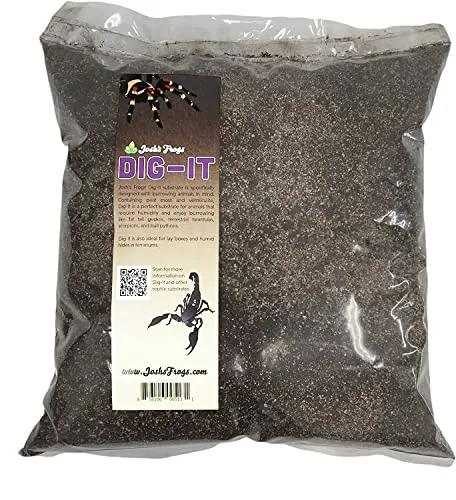
Why Change Tarantula Substrate?
Maintaining a clean and healthy environment is crucial for your tarantula’s well-being. The substrate, which is the bedding material in their enclosure, plays a vital role in this. Over time, the substrate accumulates waste, uneaten food, and dead insects. This buildup can lead to a host of problems, including the growth of harmful bacteria, mold, and mites. Regular substrate changes are essential to prevent these issues and ensure your tarantula thrives. Think of it like cleaning your own home—a fresh start is always better for health and happiness. Ignoring substrate maintenance can result in a stressed tarantula, health problems, and a less enjoyable experience for you as a pet owner. Therefore, understanding the importance of substrate changes is the first step toward responsible tarantula care.
Benefits of Fresh Substrate
Changing your tarantula’s substrate offers numerous benefits that contribute to their overall health and happiness. Firstly, fresh substrate significantly reduces the risk of bacterial and fungal growth, which can cause respiratory infections and other health issues in your tarantula. Secondly, it helps control odors. As organic matter decomposes, it releases unpleasant smells. Fresh substrate absorbs these odors, keeping your home smelling fresh. Thirdly, a clean substrate provides a more comfortable environment. Tarantulas spend a lot of time in contact with their substrate, so it is essential it is clean, dry (or properly humidified), and free of irritants. Finally, regular substrate changes support proper molting. A clean and stable environment allows tarantulas to shed their exoskeletons without issues, a critical process for their growth and development. By providing these benefits, substrate changes are one of the most important aspects of tarantula care.
Understanding Your Tarantula’s Needs

Before changing the substrate, it is important to understand your tarantula’s specific needs. Different species of tarantulas have different requirements when it comes to substrate, humidity, and ventilation. For example, terrestrial species generally prefer a substrate that allows them to burrow, while arboreal species need a substrate that provides support for climbing. Research your tarantula species to determine their preferred environment. Consider factors such as the natural habitat of your tarantula, as this will influence the type of substrate and the overall setup of the enclosure. Understanding your tarantula’s behavior is equally important. Some species are more sensitive to changes in their environment than others. Observe your tarantula for signs of stress, such as loss of appetite or changes in behavior, and adjust your care accordingly. Ultimately, tailoring your care to your tarantula’s individual needs ensures a healthy and happy pet.
Choosing the Right Substrate
Selecting the right substrate is crucial for creating a healthy and comfortable environment for your tarantula. The best substrate mimics the natural environment of your tarantula’s species. Substrates should be absorbent, to help maintain proper humidity levels and absorb waste, and they should also be non-toxic and free of harmful chemicals or pesticides. Common options include coconut fiber, peat moss, and various soil mixes. Consider the burrowing behavior of your tarantula; terrestrial species will need a substrate that allows them to dig, while arboreal species may prefer a substrate that supports climbing. The depth of the substrate is important as well; provide enough depth for burrowing species to create tunnels. Avoid substrates that are dusty or easily break down, as these can cause respiratory problems. Always ensure that the substrate is clean and sourced from a reputable supplier. Making the right choice in substrate will provide your tarantula with a thriving habitat.
Types of Substrate
There are several excellent substrate options available for tarantulas, each with its own set of benefits. The most common and versatile choices are coconut fiber, peat moss, and specialized soil mixes. Each type has its own characteristics that make it suitable for different types of tarantulas and environments. It’s important to consider the specific needs of your tarantula species when making a selection.
Coconut Fiber
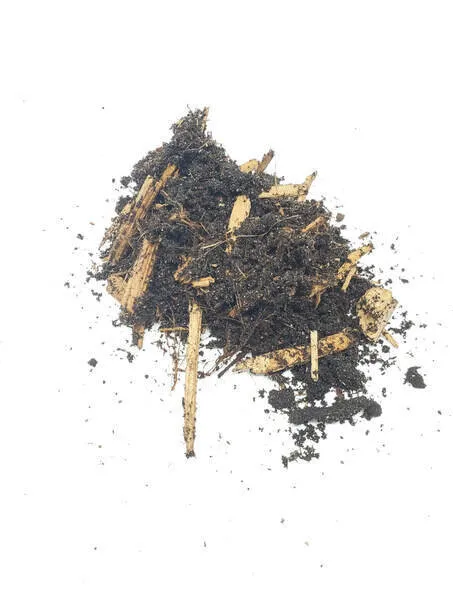
Coconut fiber, also known as coco coir, is a popular substrate due to its excellent water-retention properties and natural resistance to mold and pests. It is made from the husks of coconuts, making it a sustainable and eco-friendly option. Coconut fiber is ideal for tarantulas that need higher humidity levels, as it helps to maintain a humid environment within the enclosure. It’s also safe and non-toxic, making it a great all-around choice. Coconut fiber is often sold in compressed bricks, which expand when water is added. This makes it easy to store and prepare. Its natural texture allows tarantulas to burrow easily, making it suitable for many terrestrial species. To use coconut fiber, simply moisten it with dechlorinated water and add it to the enclosure to a depth appropriate for your tarantula’s needs. Regular misting and spot cleaning will keep the substrate in excellent condition. Coconut fiber is a versatile choice.
Peat Moss
Peat moss is another effective substrate, known for its excellent moisture-retention capabilities. It is a naturally occurring substance made from decomposed organic material, often harvested from bogs. Peat moss is a good choice for species that require high humidity levels, as it can retain moisture for extended periods. When using peat moss, it’s essential to ensure it’s sourced from a reputable supplier and is free from added chemicals or fertilizers. Peat moss has a slightly acidic pH, which can help prevent the growth of certain bacteria and fungi. It’s important to keep an eye on the moisture levels, as peat moss can become very wet if overwatered, potentially leading to issues such as mold growth. Peat moss is a suitable option for several tarantula species but should be used with awareness of its characteristics and needs for maintenance.
Soil Mixes
Soil mixes offer a more naturalistic substrate option for tarantulas, mimicking the soil conditions found in their natural habitats. These mixes often combine various components, such as topsoil, sand, and sometimes peat moss or coconut fiber, to create a well-balanced environment. Soil mixes provide a good balance of moisture retention, drainage, and aeration, making them ideal for many terrestrial and burrowing species. When choosing a soil mix, look for one that is free of fertilizers, pesticides, and other additives that could be harmful to your tarantula. Pre-mixed substrates are available, or you can create your own custom blend. The depth of the soil layer should be appropriate for the tarantula’s burrowing habits. Regular spot cleaning and occasional full substrate changes are necessary to maintain cleanliness and prevent the build-up of waste. Soil mixes provide a natural and comfortable environment for your tarantula.
Preparing for the Substrate Change

Before you begin changing your tarantula’s substrate, proper preparation is key to a smooth and stress-free process. This involves gathering the necessary supplies and setting up a temporary enclosure to house your tarantula during the change. Taking the time to prepare will minimize stress for your pet and ensure the process goes efficiently. Make sure everything you need is readily available before you start the actual substrate change. This reduces the time the tarantula is out of its usual environment and minimizes the risk of accidental escapes or injury. Proper preparation ensures a safe and stress-free substrate change for your tarantula.
Gathering Your Supplies
Gathering all necessary supplies before you begin the substrate change will streamline the process. You will need the new substrate of your choice, a temporary enclosure (such as a plastic container with a secure lid and ventilation), a small container for transferring your tarantula, disposable gloves, a spoon or small shovel for removing the old substrate, and a spray bottle for misting the new substrate. Also, have a container of dechlorinated water on hand. You may also want to have some decorations, such as hides and climbing branches, ready to place back into the clean enclosure. Ensure that all supplies are clean and that you are working in a well-lit, clean area. Having all items on hand will make the process safer and easier.
Setting Up a Temporary Enclosure
A temporary enclosure is essential during substrate changes to keep your tarantula safe and secure. Choose a container that is appropriately sized for your tarantula and has a secure lid to prevent escapes. A clear plastic container is ideal, as it allows you to observe your tarantula. Add a small amount of the new substrate to the temporary enclosure to provide some comfort and humidity, as well as a hide or other item it can seek refuge in. Ensure the temporary enclosure has adequate ventilation, such as small holes in the lid. Position the temporary enclosure in a safe and stable location, away from direct sunlight and drafts. Being prepared with a safe temporary enclosure makes the substrate change process easier and reduces stress on the tarantula.
The Step-by-Step Guide to Changing Substrate
Changing your tarantula’s substrate is a straightforward process when done correctly. Following these steps will ensure a safe and efficient substrate change, minimizing stress for your tarantula. Proper technique and a calm approach are essential for a successful outcome. Proceeding carefully will create a better experience for you and your pet.
Removing the Old Substrate
Start by carefully removing any decorations, such as hides, from the enclosure. Use disposable gloves. Gently scoop out the old substrate using a spoon or small shovel, disposing of it properly. Be thorough in removing all the old substrate, including the substrate around the edges and under any decorations. Pay close attention to areas where waste and uneaten food may have accumulated. If your tarantula has burrowed, carefully remove the substrate around the burrow, trying not to damage its structure. Inspect the enclosure for any signs of mold or mites during the removal process. Clean the enclosure and remove all remaining debris. Properly removing old substrate is vital to create a healthy environment.
Transferring Your Tarantula
Once the old substrate is removed, it is time to safely transfer your tarantula to the temporary enclosure. It is important to handle your tarantula with care and avoid any sudden movements. Gently coax your tarantula into a small container (like a deli cup or similar) or, if it’s cooperative, into your hand. Be careful to avoid being bitten, and use a tool, such as a long spoon or paintbrush, to gently guide your tarantula, if needed. Once your tarantula is safely in the container, carefully transfer it to the temporary enclosure. Close the lid securely. Check your tarantula frequently while it is in the temporary enclosure to ensure it is not stressed. Once transferred, observe it for any unusual behavior, such as agitated movement or attempts to escape. Make sure the temporary enclosure has a secure lid, and be sure to keep a watchful eye on your pet.
Cleaning the Enclosure

Cleaning the enclosure thoroughly is essential for maintaining a healthy environment. After removing the old substrate and transferring your tarantula, wash the enclosure with warm water and a mild, unscented soap. Rinse thoroughly to remove all traces of soap. Ensure that the enclosure is completely dry before adding the new substrate. Pay attention to any areas where debris may have accumulated, such as corners and crevices. This deep clean will eliminate any potential sources of contamination. Consider disinfecting the enclosure with a reptile-safe disinfectant, but always follow the product instructions carefully and rinse thoroughly afterward. A clean enclosure is essential for the health of your tarantula, and a thorough cleaning process will ensure its long-term well-being. Make sure the enclosure is completely dry before proceeding.
Adding the New Substrate
Once the enclosure is clean and dry, it’s time to add the fresh substrate. Pour the new substrate into the enclosure, ensuring the depth is appropriate for your tarantula’s species and burrowing habits. If using coconut fiber or other substrates that need to be moistened, add dechlorinated water and mix it thoroughly before adding it to the enclosure. Add the new substrate to a depth that is appropriate for your species and burrowing habits. Reintroduce any decorations, such as hides and climbing branches, that were previously in the enclosure. Arrange the decorations to provide a comfortable and stimulating environment for your tarantula. Ensure the new substrate is evenly distributed and that the enclosure has the proper humidity and temperature levels. Creating an environment that meets the needs of your tarantula, while maintaining cleanliness, is a key to a healthy pet.
Returning Your Tarantula
After the enclosure is ready, it’s time to return your tarantula to its clean and refreshed habitat. Gently remove your tarantula from the temporary enclosure, being cautious and using gloves. Place your tarantula back into its enclosure, allowing it to settle in at its own pace. Monitor your tarantula for signs of stress or discomfort after the transfer. Provide fresh water and ensure the enclosure conditions are optimal for your tarantula’s species. Observe its behavior to make sure it is adjusting well to its new environment. Make sure to monitor it after moving it back to make sure it’s comfortable. Returning your tarantula gently and observing its behavior ensures that it settles in well.
Maintaining Your Tarantula’s Habitat

Maintaining your tarantula’s habitat goes beyond just changing the substrate. It includes managing humidity, providing proper ventilation, and ensuring adequate feeding and watering. This comprehensive approach helps create a stable, healthy environment for your pet. Consistency in these aspects of care is vital for your tarantula’s well-being. Regular maintenance will not only extend the life of your pet but will also make it more enjoyable to keep them. A well-maintained habitat ensures your tarantula’s happiness and health, providing an ideal environment for it to thrive. Consistent effort in these aspects of care will show how much you value your pet.
Humidity and Ventilation
Humidity and ventilation are crucial factors in maintaining a healthy environment for your tarantula. The humidity level required varies depending on the species. Research the humidity requirements of your specific tarantula species. Regularly monitor humidity levels with a hygrometer. Adjust humidity by misting the enclosure with dechlorinated water or by providing a water dish. Proper ventilation is equally important. It prevents the buildup of harmful gases and promotes airflow. Ensure the enclosure has adequate ventilation holes. Avoid over-misting, as this can lead to excessive humidity and the growth of mold. Balance humidity and ventilation to create an environment that supports your tarantula’s needs. Regular monitoring and adjustment are key to a balanced environment.
Feeding and Watering
Proper feeding and watering are essential components of tarantula care. Provide a balanced diet of appropriate-sized insects, such as crickets or roaches, depending on the size and species of your tarantula. Remove uneaten food within 24 hours to prevent mold and mite infestations. Always provide a shallow dish of clean, dechlorinated water. Ensure the water dish is accessible and regularly refilled. The frequency of feeding will vary depending on the age and species of your tarantula. Adjust the feeding schedule to meet the needs of your pet. Regularly monitor your tarantula’s feeding habits and adjust as needed. A healthy, well-fed tarantula will thrive and exhibit more natural behaviors.
Troubleshooting Common Issues
Even with diligent care, you may encounter some common issues when it comes to tarantula care. Being prepared to identify and address these problems is an essential part of responsible pet ownership. Some common issues include mites and mold, and substrate that is either too dry or too wet. Knowing how to recognize and treat these issues can save your pet unnecessary stress and potential health problems. Early detection is key to resolving these problems efficiently. Taking these extra steps will help your pet remain healthy and content.
Mites and Mold
Mites and mold are two common problems that can arise in tarantula enclosures, often due to poor ventilation or improperly maintained substrates. Mites are tiny parasites that can infest the tarantula and substrate, potentially causing irritation and health issues. Identify mites by their small size and movement, often visible as tiny dots. Prevent mites by maintaining clean substrate and ensuring proper ventilation. If a mite infestation occurs, change the substrate, clean the enclosure thoroughly, and consult with an expert on a reptile-safe mite control product. Mold is another sign of an unhealthy environment, usually caused by excess moisture. Identify mold by the appearance of fuzzy or discolored patches on the substrate or enclosure. Correct mold by changing the substrate, improving ventilation, and reducing humidity. Monitoring your enclosure will prevent common health hazards.
Substrate Too Dry or Wet
Maintaining the correct moisture level in the substrate is vital for your tarantula’s well-being. If the substrate is too dry, it can make it difficult for your tarantula to molt properly. Prevent a dry substrate by regularly misting the enclosure or providing a water dish. If the substrate is too wet, it can lead to the growth of mold and bacteria. Assess by checking the humidity levels with a hygrometer. Correct an overly wet substrate by improving ventilation and reducing the frequency of misting. If necessary, replace the wet substrate with dry substrate. Understanding the balance between humidity and moisture is key. Proper moisture management is essential for a healthy environment. Careful monitoring and timely adjustments will help keep the environment perfect for your tarantula.
Conclusion
Changing your tarantula’s substrate is a vital part of providing proper care and maintaining a healthy environment. This complete guide has covered all aspects of substrate changes, from understanding the benefits and choosing the right substrate to the step-by-step process and troubleshooting common issues. By following these guidelines, you can ensure your tarantula has a comfortable and clean living space. Remember that each tarantula species has unique needs, so research your specific pet’s requirements and adapt your care accordingly. Regular substrate changes, along with consistent maintenance of humidity, ventilation, feeding, and watering, will contribute significantly to your tarantula’s health and longevity. With proper care, your tarantula can thrive, providing you with years of enjoyment and companionship. Your efforts in maintaining a healthy habitat directly translate into your pet’s well-being. Remember that a happy tarantula is a healthy tarantula.