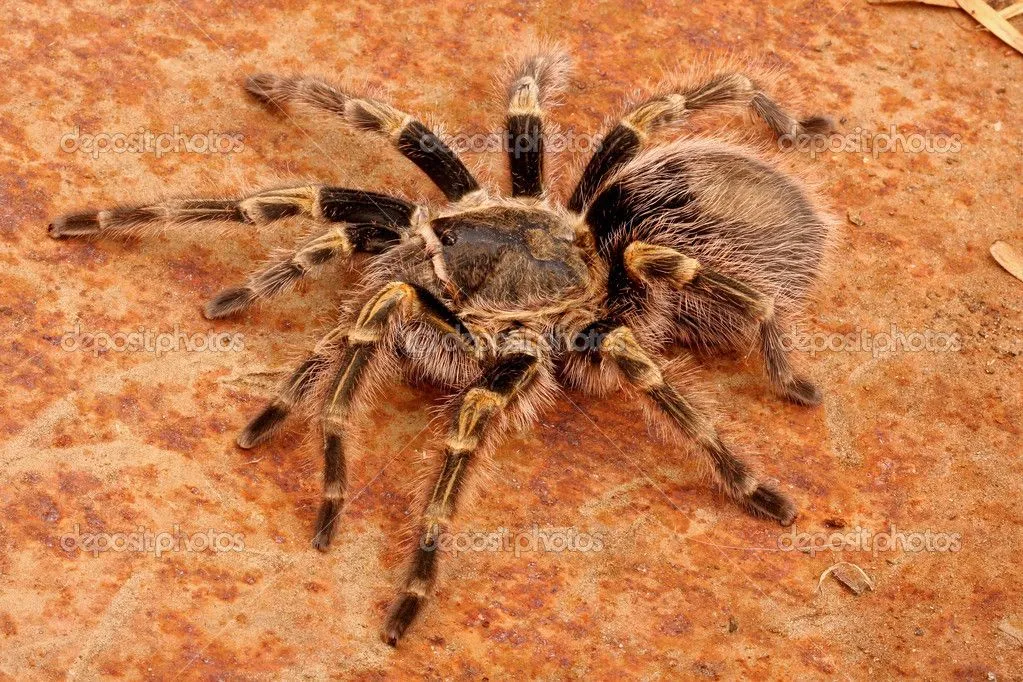
Choosing the Right Enclosure for Your Chaco Golden Knee
Creating a thriving habitat for your Chaco Golden Knee tarantula is the cornerstone of responsible pet ownership. These captivating arachnids require a carefully designed environment to ensure their health and happiness. The enclosure you choose will be your foundation, and it must provide the necessary space, ventilation, and security to replicate their natural habitat. A well-chosen enclosure significantly impacts your tarantula’s well-being, affecting everything from molting cycles to their overall activity levels. Careful consideration at this stage will make all the difference.
Enclosure Size and Dimensions
The size of your Chaco Golden Knee tarantula’s enclosure is a critical factor in its comfort and health. A general rule of thumb is to provide an enclosure that is approximately three times the tarantula’s leg span in length and width, and at least twice its leg span in height. For a mature Chaco Golden Knee, a 10-gallon tank or a similarly sized enclosure is often suitable. However, individual tarantulas may vary in size, so adjust the enclosure accordingly. Ensure the enclosure has a secure lid to prevent escapes, as these tarantulas are skilled climbers. A properly sized enclosure allows for adequate space for movement, burrowing, and creating a comfortable microclimate.
Ventilation Requirements for a Healthy Habitat

Proper ventilation is crucial to prevent the buildup of harmful humidity and stagnant air within the enclosure. Chaco Golden Knees thrive in a well-ventilated environment, which reduces the risk of mold growth and respiratory issues. The enclosure should have cross-ventilation, which can be achieved by having ventilation holes or mesh on opposite sides or the top of the enclosure. Avoid enclosures with excessive ventilation, as this can lead to excessively dry conditions. The goal is to strike a balance that allows for airflow while maintaining the required humidity levels. Regularly inspect the ventilation to ensure it remains clear and functional.
Substrate Selection for Chaco Golden Knees
The substrate is the foundation of your Chaco Golden Knee tarantula’s habitat, providing a comfortable surface for burrowing, hiding, and maintaining humidity. The right substrate mimics their natural environment and contributes significantly to their well-being. It is essential to choose a substrate that retains moisture, allows for burrowing, and does not contain any harmful chemicals or additives. The substrate also plays a role in the aesthetic appeal of the enclosure, creating a naturalistic and enriching environment for your pet. Selecting the correct substrate is a vital aspect of habitat design and tarantula care.
Ideal Substrate Types and Mixes
Several substrate options are suitable for Chaco Golden Knees, each with its own benefits. A popular choice is a mixture of coconut fiber (Eco Earth), peat moss, and a small amount of sphagnum moss. Coconut fiber is excellent for moisture retention and burrowing. Peat moss enhances the substrate’s ability to hold moisture and provides a slightly acidic environment, which is beneficial. Sphagnum moss helps retain humidity and provides a natural appearance. You can also use a substrate composed of a mix of topsoil and sand. Avoid using substrates that contain cedar or pine shavings, as these can be toxic to tarantulas. The ideal mix will depend on your specific environmental conditions and personal preference, but the goal is to create a substrate that offers both moisture retention and burrowing capabilities.
Depth of Substrate and Burrowing Habits
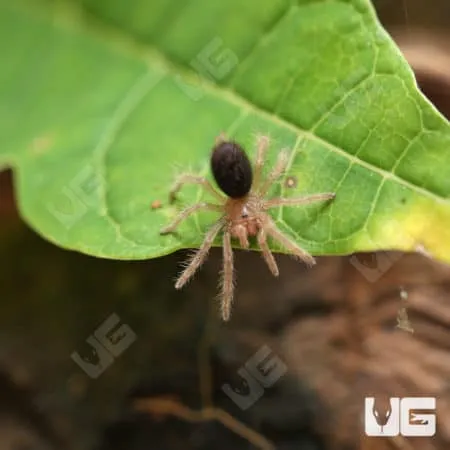
Chaco Golden Knees are terrestrial tarantulas, meaning they spend most of their time on the ground. They also have a natural instinct to burrow. Therefore, the depth of the substrate is crucial. A depth of at least 4-6 inches is recommended, allowing the tarantula to create a secure burrow where it can feel safe. Deeper substrate is always preferable as it also helps to maintain stable humidity levels. The depth allows the tarantula to regulate its temperature, providing a cooler environment during hot periods. This burrowing behavior is natural for them, and providing a substrate depth that supports this will reduce stress and promote a healthy lifestyle. Regularly observe your tarantula’s burrowing activity to ensure the substrate is adequate for its needs.
Humidity and Temperature Control
Maintaining the correct humidity and temperature is essential for the health and well-being of your Chaco Golden Knee tarantula. These conditions are vital for their molting process, hydration, and overall activity levels. A habitat that is too dry or too cold can lead to problems such as dehydration and molting complications. Monitoring and adjusting these environmental factors are critical for providing a healthy and thriving habitat. Regular checks and adjustments can prevent potential health issues and ensure that your tarantula lives a long and happy life.
Maintaining Optimal Humidity Levels
Chaco Golden Knees thrive in a moderate humidity environment, typically between 60-70%. The substrate’s moisture level is the primary way to control humidity. To maintain the desired humidity, lightly mist the enclosure with dechlorinated water every few days, depending on the ventilation and the substrate’s ability to retain moisture. Avoid over-misting, as this can lead to mold growth. You can also add a water dish, which will help increase the ambient humidity. Use a hygrometer to monitor the humidity levels accurately. If the humidity drops below the recommended range, increase the misting frequency and ensure the substrate remains slightly moist. Regular monitoring is key.
Heating Options for Your Tarantula’s Habitat

Chaco Golden Knees require a consistent temperature range of 75-85°F (24-29°C). While room temperature may be adequate in some environments, you might need to provide supplemental heat in cooler climates. The most common heating methods include a heat mat placed on the side of the enclosure, or a low-wattage ceramic heat emitter. Place the heat source on the side, never directly under the enclosure, to prevent overheating and provide a temperature gradient. Always monitor the temperature using a thermometer, and adjust the heat source as needed to maintain the ideal range. Ensure that the heat source is properly regulated to prevent burns or other injuries to your tarantula. Avoid using heat lamps, as they can dry out the enclosure too quickly.
Decorating Your Chaco Golden Knee Habitat
Decorating your Chaco Golden Knee tarantula’s habitat does more than just make it look attractive; it also provides essential enrichment and security for your pet. Incorporating various elements into the enclosure provides hiding places, opportunities for exploration, and a more naturalistic environment. These decorations contribute to the overall well-being of your tarantula, creating a stimulating and comfortable space. The right decorations can significantly enhance your tarantula’s quality of life.
Essential Hiding Places and Decorations
Provide your Chaco Golden Knee with at least one secure hiding place. This could be a piece of cork bark, a half-log, or a commercially available tarantula hide. Hiding places allow your tarantula to retreat when it feels threatened or wants to molt in peace. Arrange the hide so it’s partially buried in the substrate to provide additional security. In addition to hides, you can add other decorations such as artificial plants (ensure these are non-toxic), rocks (make sure they are stable), and branches to create a more stimulating environment. However, avoid overcrowding the enclosure, and always ensure that decorations do not pose a risk of injury. The goal is to create an environment that mimics their natural habitat.
Creating a Naturalistic Environment

Striving for a naturalistic environment can significantly benefit your tarantula. This means replicating elements of their natural habitat, such as using natural-looking substrates, and adding decorations that mimic the environment. The decorations you choose should not only be aesthetically pleasing but also contribute to the functionality of the habitat. For instance, a strategically placed piece of cork bark can serve as both a hiding place and a climbing surface. Using a variety of textures and materials can also enrich the environment, providing different sensory experiences for your tarantula. Aiming for a more naturalistic setting can reduce stress and improve the overall well-being of your Chaco Golden Knee.
Providing Water and Food
Providing fresh water and a balanced diet is crucial for the health and longevity of your Chaco Golden Knee tarantula. Adequate hydration and proper nutrition are essential for their growth, molting, and overall well-being. This involves providing a reliable water source and a variety of insects or other food sources. Regular feeding and hydration practices are the foundations of proper tarantula care, and following these guidelines is crucial to ensure your pet thrives.
Water Dish and Hydration Strategies
Always provide your Chaco Golden Knee tarantula with a shallow water dish filled with fresh, clean water. This allows the tarantula to drink and maintain proper hydration levels. The water dish should be easily accessible and not too deep, to prevent any risk of drowning. You may need to refresh the water every day or two, and the dish should be cleaned regularly to prevent the growth of bacteria or algae. In addition to a water dish, you can mist the enclosure lightly to provide extra hydration. Be cautious not to over-mist, as this can lead to the previously mentioned issues. The key is to ensure your tarantula always has access to fresh water.
Feeding Your Chaco Golden Knee Tarantula

Chaco Golden Knees primarily eat insects, such as crickets, roaches, and mealworms. The size of the prey should be appropriate for the tarantula; it should be no larger than the tarantula’s body length. Feed your tarantula every 5-10 days, adjusting the frequency based on its size and appetite. Remove any uneaten prey within 24 hours to prevent stress and contamination. You can also dust the prey insects with a calcium and vitamin supplement to ensure your tarantula gets the nutrients it needs. A varied diet and proper feeding schedule are essential to ensure that your Chaco Golden Knee remains healthy and active.
Habitat Maintenance and Cleaning
Regular maintenance and cleaning of your Chaco Golden Knee’s habitat are essential for maintaining a healthy and hygienic environment. Routine cleaning helps remove waste, prevent mold growth, and ensure the overall well-being of your tarantula. This involves a combination of spot cleaning and periodic deep cleaning of the enclosure. A consistent cleaning schedule is critical to preventing diseases and promoting your tarantula’s health.
Regular Cleaning Schedule
Develop a regular cleaning schedule for your Chaco Golden Knee’s enclosure. Spot clean the enclosure at least once a week, removing any uneaten food, dead insects, or waste. For deep cleaning, you will need to clean the entire enclosure every 1-3 months, depending on the size of the enclosure and how quickly it gets dirty. Remove the tarantula, place it in a temporary, secure container. Remove all substrate and decorations. Clean the enclosure with warm water and a mild, pet-safe disinfectant. Rinse thoroughly and allow the enclosure to dry completely before replacing the substrate and decorations. It is important to replace the substrate entirely during deep cleaning to ensure the enclosure remains hygienic. Thorough cleaning helps reduce the risk of mites and other issues.
Recognizing and Addressing Habitat Issues
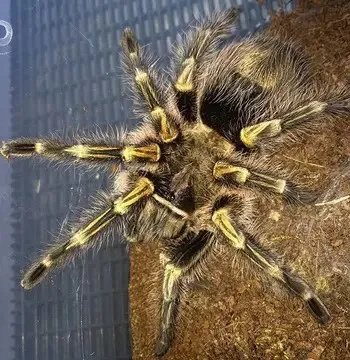
Regularly inspect your Chaco Golden Knee’s habitat to identify and address any potential issues promptly. This includes checking the substrate for mold, the humidity and temperature levels, and the overall cleanliness of the enclosure. If you notice any problems, such as excessive moisture, mold, or pests, take immediate action. Addressing these issues quickly can prevent them from escalating and affecting the health of your tarantula. If you suspect any health problems, consult a veterinarian or an experienced tarantula keeper for advice. Vigilance and proactive maintenance are essential to ensuring a healthy and thriving habitat for your pet.
Creating a thriving habitat for your Chaco Golden Knee tarantula is an ongoing process that requires commitment, research, and attention to detail. By following these guidelines, you can create an environment that supports your tarantula’s health, happiness, and longevity. Remember to regularly monitor the habitat, make necessary adjustments, and always prioritize the well-being of your fascinating pet. With the right setup and care, your Chaco Golden Knee tarantula will thrive, providing you with years of enjoyment and fascination.