What is Molting in Birdeater Tarantulas?
Molting is a fundamental biological process for all arthropods, including the magnificent birdeater tarantula. It’s essentially the process by which a tarantula sheds its exoskeleton, a rigid outer shell that protects its body. This exoskeleton doesn’t grow, so as the tarantula matures, it outgrows its current one. The molt allows the tarantula to shed parasites, regenerate lost limbs, and, most importantly, to grow. Understanding the molting process is crucial for any birdeater tarantula owner, as it’s a vulnerable time for the spider. During this period, the tarantula is susceptible to injury and stress, so proper care and observation are essential to ensure a successful molt and the continued health of your pet.
Signs Your Birdeater Tarantula is About to Molt
Identifying the signs that your birdeater tarantula is about to molt is key to providing the appropriate care. There are several telltale indicators that experienced keepers watch for. Recognizing these signs allows you to adjust the tarantula’s environment and care to minimize stress and maximize the chances of a successful molt. Being prepared and knowledgeable about the process can make a significant difference in the overall health and well-being of your tarantula. Observe your tarantula regularly for these indications, as they can vary slightly depending on the individual spider and its environment.
Changes in Appearance

One of the first signs of an impending molt is a change in the tarantula’s appearance. The abdomen, in particular, will often appear dark and swollen. This is due to the new exoskeleton forming underneath the old one. You may also notice the bald spot on the abdomen, if present, becoming darker, and the overall color of the tarantula may dull. The tarantula’s fangs might appear lighter in color, and the eyes might seem more prominent. Keep an eye on these changes; the more familiar you are with the normal appearance of your tarantula, the easier it will be to spot the subtle shifts that indicate a molt is on its way.
Changes in Behavior
Along with physical changes, you’ll likely observe behavioral shifts in your birdeater tarantula. The spider might become less active, spending more time hiding in its burrow or a secluded part of its enclosure. It may also refuse food, which is a common sign that a molt is imminent. Some tarantulas will seal themselves off by webbing up their hide. This is a protective measure, as the spider feels vulnerable during the molting process. Be sure to provide adequate water during this time, as dehydration can be a serious risk.
How Long Does Molting Take?
The duration of the molting process varies significantly, influenced by factors such as the tarantula’s age, size, and environmental conditions. For juvenile tarantulas, molting may occur every few months. As the tarantula matures, the frequency decreases to once or twice a year, or even less often in older individuals. The actual molting event, where the tarantula sheds its exoskeleton, can take anywhere from a few minutes to several hours. The entire process, including pre- and post-molt stages, can last for weeks or even months.
Factors Influencing Molting Duration

Several factors can affect how long a tarantula’s molting process takes. The tarantula’s age is a significant factor; younger spiders molt more frequently. The size of the tarantula also plays a role, with larger tarantulas often taking longer to molt. Environmental conditions, such as temperature and humidity, can impact the molting process. A properly maintained environment can facilitate a smoother and faster molt. Furthermore, the tarantula’s health and nutritional status influence the outcome. A well-nourished spider is more likely to have a successful molt. Stress and disturbances should be minimized to avoid prolonging the process.
Molting Stages Explained
The molting process can be divided into three main stages pre-molt, molting, and post-molt each with its own characteristics and requirements. Understanding these stages will enable you to provide appropriate care at each step, thereby increasing the likelihood of a successful molt. Recognizing these distinct phases is crucial for responsible tarantula keeping, because it directly influences the tarantula’s survival and overall well-being. Each stage represents a different level of vulnerability for the tarantula, highlighting the importance of a stable and stress-free environment.
Pre-Molt Stage
The pre-molt stage is the preparation phase. The tarantula starts to form a new exoskeleton beneath its existing one. The spider will often exhibit the signs of an impending molt, such as a swollen abdomen, color changes, and refusal to eat. The tarantula may also become lethargic and spend more time hiding. During this period, it is important to maintain the correct environmental conditions – proper temperature and humidity. It is crucial to avoid any disturbances, such as handling the spider or cleaning the enclosure, unless absolutely necessary. Providing a shallow water dish is essential to prevent dehydration.
Molting Stage

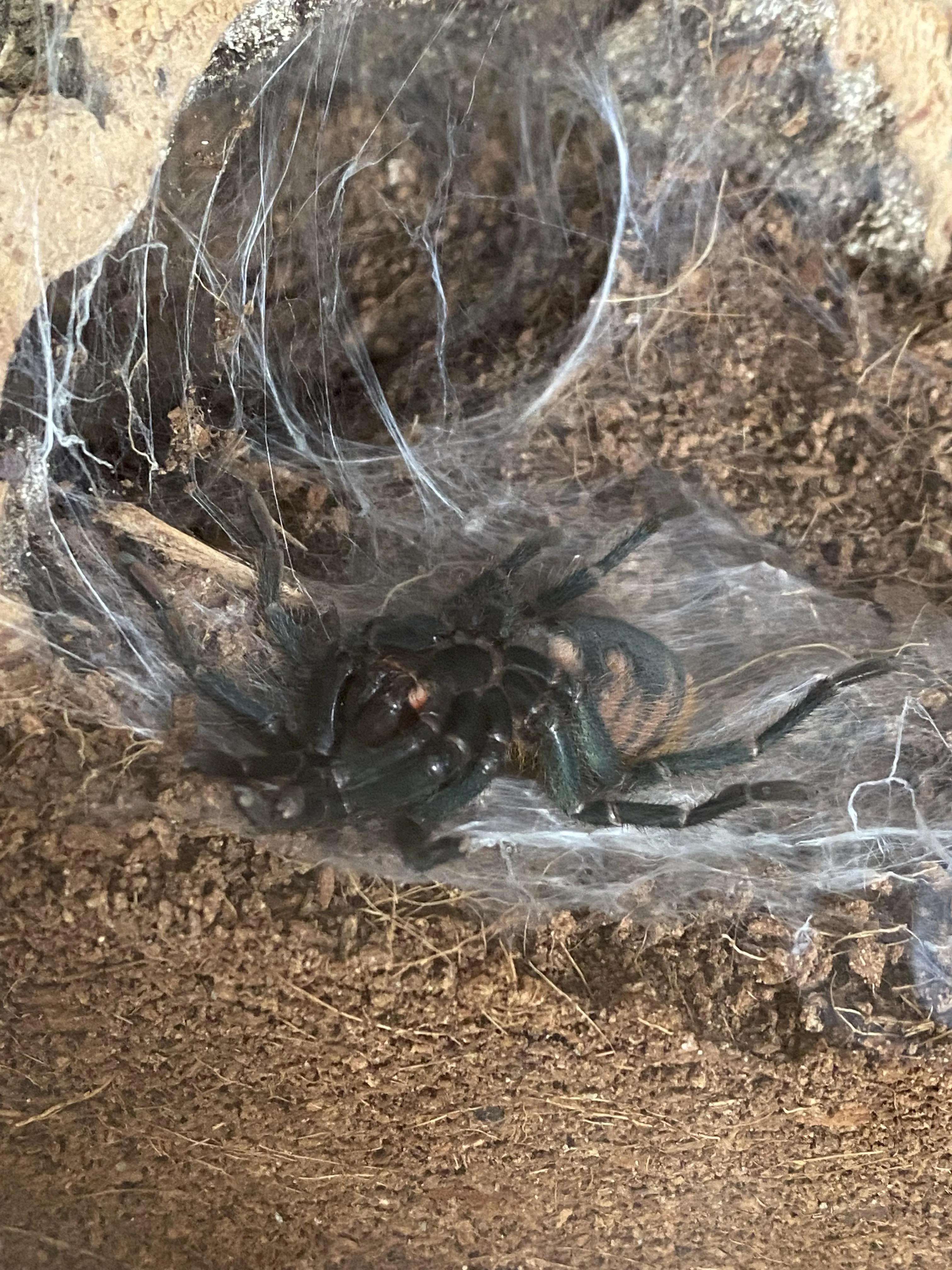
During the actual molting stage, the tarantula will lie on its back, or sometimes on its side, and begin to shed its old exoskeleton. This can be a dramatic process, as the spider slowly wriggles out of its old shell. It’s essential to leave the tarantula undisturbed during this time. Avoid any sudden movements or noises, as these can startle the spider and interfere with the process. The tarantula is extremely vulnerable at this stage, and any disturbance can lead to injury or a failed molt. Do not attempt to assist the tarantula, as this could cause serious harm. The exoskeleton will split along the carapace, and the spider will emerge, soft and pale, from its old shell.
Post-Molt Stage
After molting, the tarantula will be soft and vulnerable for several days or even weeks, depending on its size. The exoskeleton needs time to harden. During this time, the spider is still susceptible to injury. Avoid handling the tarantula until its fangs have fully hardened, as they will not be able to effectively defend itself. Provide a shallow water dish, and avoid feeding the spider for the first week or two, as its fangs are still soft. The tarantula’s appetite will return gradually as the new exoskeleton hardens. The tarantula will also exhibit brighter colors than before.
Caring for Your Birdeater Tarantula During Molt
Providing the right care during the molting process is crucial for the health and well-being of your birdeater tarantula. This involves creating a safe and stable environment, providing adequate water, and avoiding any unnecessary disturbances. Your actions during this vulnerable time can significantly impact the success of the molt and the overall health of your pet. Being a responsible owner means understanding the needs of your tarantula during this critical period and taking the appropriate steps to ensure its safety and well-being.
Providing a Safe Environment

A safe environment is essential for a successful molt. Ensure the enclosure is free from any potential hazards that could injure the tarantula during the molting process. Remove any sharp decorations or objects that the spider could get caught on. Maintain the appropriate temperature and humidity levels for your tarantula’s species. Provide a substrate that allows the tarantula to burrow if it chooses to do so, as this can provide a sense of security. Keep the enclosure in a quiet location away from loud noises and excessive vibrations. Avoid handling the tarantula or disturbing its enclosure unnecessarily. Let the tarantula molt in peace.
Feeding and Watering During Molt
During the pre-molt stage, the tarantula will likely refuse food. It is normal behavior. Do not force-feed the tarantula. Always provide a shallow water dish with fresh, clean water. Even though the spider may not be eating, it still needs to stay hydrated. In the post-molt stage, wait until the tarantula’s fangs have fully hardened before offering food, as it will be unable to ingest the food. Start with small meals. Monitor the tarantula’s appetite and behavior to determine when it is ready to resume normal feeding.
Common Issues and How to Address Them
While most molts are successful, occasionally problems can arise. Understanding these issues and how to address them will help you be prepared and prevent problems. Recognizing and responding appropriately to any issues that arise can greatly increase your tarantula’s chances of a successful molt. Knowing what to do will give you peace of mind and improve your tarantula’s quality of life.
Failed Molts

A failed molt occurs when the tarantula is unable to successfully shed its exoskeleton. This can be caused by a variety of factors, including poor environmental conditions, nutritional deficiencies, or injury. If a tarantula is stuck during molting, it’s usually best to let nature take its course and avoid interfering, unless there is a clear obstruction or life-threatening situation. In some cases, a veterinarian may be able to assist, but this is rare. Preventing problems is always better than intervention. Maintain proper temperature and humidity, and ensure a well-nourished spider.
Dehydration
Dehydration can be a serious issue during the molting process. A dehydrated tarantula may have difficulty shedding its exoskeleton. Ensure your tarantula has access to fresh, clean water at all times. If you suspect your tarantula is dehydrated, you can gently mist the enclosure, but avoid spraying the tarantula directly. You may also increase humidity slightly to help with hydration. A dehydrated tarantula may appear shriveled or sluggish. Consistent monitoring of hydration levels is key to a successful molt and a healthy tarantula.
Preventing Problems During Molt
Prevention is the best approach when it comes to molting. Maintain the appropriate environmental conditions for your tarantula’s species. Provide a balanced diet to ensure your tarantula is well-nourished. Avoid handling the tarantula during the pre- and post-molt stages. Observe your tarantula regularly for any signs of an impending molt. By proactively addressing potential issues, you can significantly increase the chances of a successful molt and ensure the health and well-being of your birdeater tarantula. Take precautions to safeguard your pet’s health.
In conclusion, understanding the birdeater tarantula’s molting process is crucial for any responsible owner. By recognizing the signs of an impending molt, providing a safe and suitable environment, and understanding potential issues, you can ensure a successful molt and the continued health and well-being of your fascinating pet. With careful observation and proper care, you can witness this amazing natural phenomenon and enjoy your tarantula for years to come. Educate yourself and provide the best care possible for your magnificent arachnid!