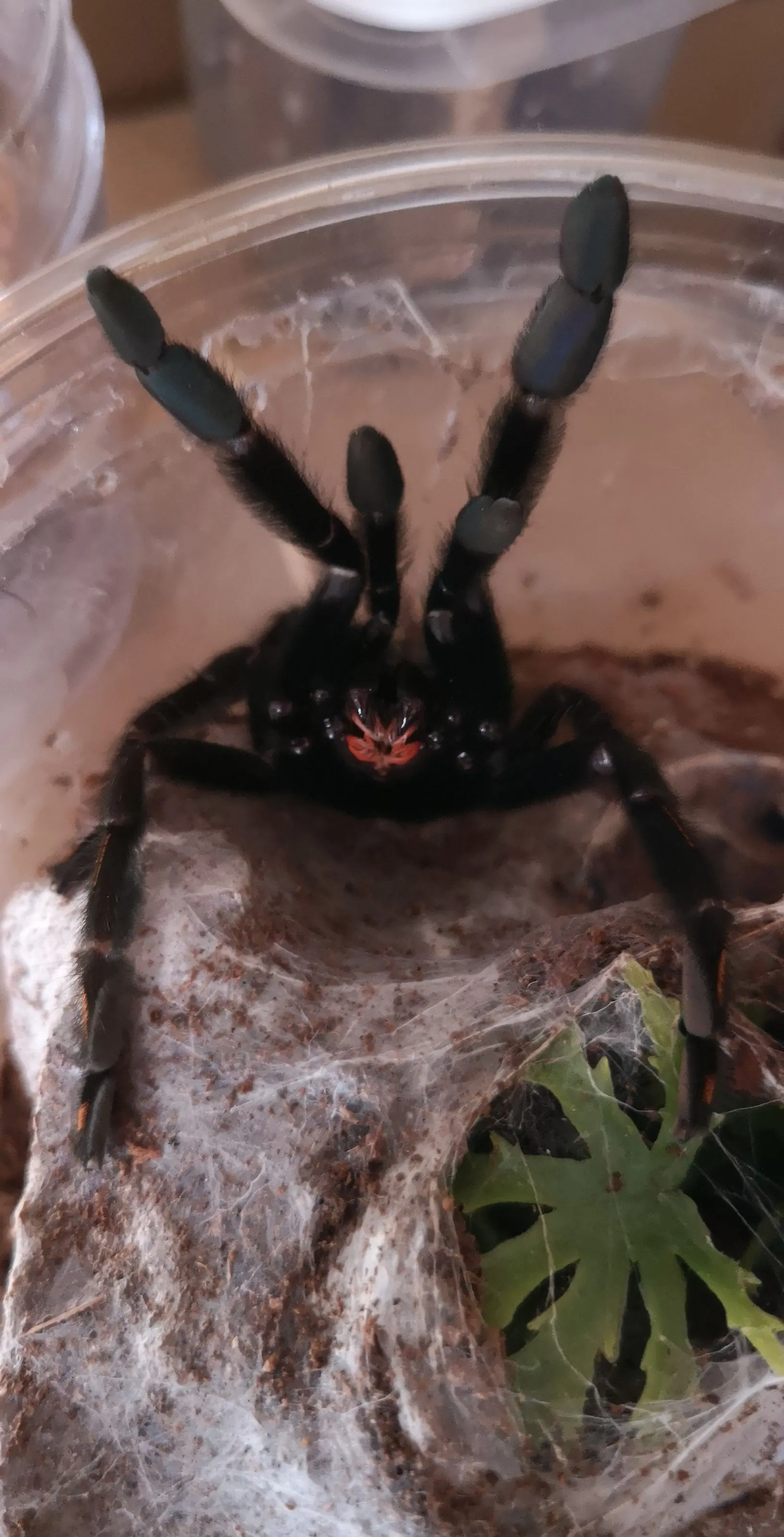
What is an Irminia Tarantula?
The Holothele incei, often referred to as the Trinidad Chevron or Irminia Tarantula, is a captivating species for both novice and experienced arachnid enthusiasts. Native to Trinidad and Tobago, this spider is known for its vibrant coloration, generally a base color of dark brown or black, overlaid by a distinct chevron pattern on its abdomen, hence its common name. Its relatively manageable size and docile temperament make it a popular choice, but like any pet, understanding its needs is critical for its well-being. Keeping an Irminia tarantula can be a rewarding experience, and with proper care, these fascinating creatures can thrive in a captive environment. This guide will walk you through everything you need to know to get started and provide optimal care for your Irminia Tarantula.
Origin and Natural Habitat
Irminia tarantulas are native to the tropical islands of Trinidad and Tobago. In their natural habitat, they typically reside in humid, warm environments, often found near ground level, in burrows, under rocks, or within dense foliage. The climate in these regions significantly influences their behavior and care requirements in captivity. Understanding their natural environment helps in replicating suitable conditions in your home. They are well-adapted to a life that includes periods of intense rainfall and fluctuating humidity levels, essential information when designing their enclosure and routine care plan.
Appearance and Characteristics

Irminia tarantulas are medium-sized spiders, typically reaching a leg span of 3-4 inches. They exhibit a beautiful, distinctive chevron pattern on their abdomens, which is the namesake of the common name “Chevron Tarantula”. They are usually dark brown or black in color, with the chevrons being a lighter, contrasting shade. Their appearance is striking, but beyond aesthetics, it’s important to note their general characteristics. Females tend to live longer, often surviving for 5-7 years, while males have a shorter lifespan, usually around 2-3 years after maturity. Their relatively small size compared to other tarantula species makes them easier to manage, but it also means they need a carefully designed habitat.
Setting Up the Perfect Enclosure
Creating the right habitat is the first step towards successful Irminia tarantula care. A well-designed enclosure will not only keep your pet safe but also promote its well-being. The enclosure should mimic the natural environment as closely as possible to minimize stress and encourage natural behaviors. Careful consideration of the enclosure’s size, substrate, decor, and environmental controls is key to creating a thriving habitat. The key components of an ideal habitat are the size of the enclosure, the type of substrate to use, the appropriate décor to add, and maintaining the right temperature and humidity levels.
Enclosure Size and Type
For an Irminia tarantula, a terrarium that is 10 gallons in size is a good starting point, and can house an adult comfortably. The enclosure should be made of clear material, such as glass or acrylic, to allow for easy viewing. Ensure the enclosure has a secure, well-fitting lid to prevent escapes, as these spiders are surprisingly agile. The width and length of the enclosure should allow for adequate space for the tarantula to move around and establish its territory. Provide adequate ventilation by including ventilation holes or mesh tops, which is crucial for maintaining proper air circulation and preventing the buildup of harmful gases or excessive humidity.
Substrate and Decor

Choosing the right substrate is essential for maintaining proper humidity levels and providing a natural environment. A mixture of coco fiber, peat moss, and a small amount of vermiculite works well. The substrate should be deep enough – about 2-4 inches – to allow the tarantula to burrow if it chooses. Decorations such as cork bark, artificial plants, and sturdy hides provide hiding places and enrich the environment. Avoid using sharp or rough decorations that could potentially harm the tarantula during its movements or molting process. Also consider adding a shallow water dish for hydration.
Temperature and Humidity
Irminia tarantulas thrive in a warm, humid environment. The ideal temperature range is between 75-85°F (24-29°C). Maintaining this temperature can be achieved using a heat mat attached to the side of the enclosure, avoiding direct contact with the substrate to prevent overheating. Humidity levels should be kept between 65-75%. This can be achieved by regularly misting the enclosure with dechlorinated water, ensuring the substrate remains slightly moist but not waterlogged. A hygrometer is a useful tool for monitoring humidity levels. Proper ventilation is also critical to prevent mold and mildew growth.
Feeding Your Irminia Tarantula
Proper feeding is critical to the health and longevity of your Irminia tarantula. A balanced diet ensures that your spider gets the nutrients it needs to grow and thrive. The type of food, feeding frequency, and water availability all play vital roles in providing your tarantula with the sustenance it needs. A well-fed tarantula is a healthy tarantula. Understanding the specifics of their diet, how often they should be fed, and how to ensure they stay hydrated is essential for keeping your Irminia tarantula happy.
What to Feed

Irminia tarantulas are insectivores. Their diet should consist primarily of insects such as crickets, mealworms, roaches, and other commercially available insects. The size of the insects should be appropriate for the tarantula’s size; generally, the prey should be no larger than the tarantula’s abdomen. It’s important to gut-load the feeder insects with nutritious food (such as fresh vegetables and commercially available insect food) before feeding them to your tarantula. This ensures that your tarantula receives a balanced intake of essential nutrients. Always remove any uneaten insects after 24 hours to prevent them from stressing the tarantula.
Feeding Frequency
The feeding frequency should be adjusted based on the tarantula’s age and size. Spiderlings and juveniles should be fed 2-3 times per week. Adults can be fed once or twice a week, depending on their appetite and condition. Observe your tarantula to gauge its feeding response; if it consistently refuses food, it could be a sign that it is about to molt. Reduce feeding during the molting process as the tarantula will typically not eat during this time. Always make sure fresh water is available at all times. The tarantula may drink from it, especially after feeding.
Watering and Hydration
Clean, fresh water is crucial for hydration. Provide a shallow water dish with dechlorinated water. Regularly check and refill the water dish to ensure it’s always available. In addition to the water dish, misting the enclosure lightly with dechlorinated water once or twice a week helps maintain humidity and provides a source of water droplets for the tarantula to drink. Avoid over-misting, as this can lead to the substrate becoming waterlogged, which can foster the growth of mold and bacteria, harming the tarantula. Use a spray bottle to mist the enclosure.
Handling and Safety

While Irminia tarantulas are generally considered docile, handling should be approached with caution and respect for the spider’s well-being. Handling can be stressful for tarantulas and should be minimized. Always prioritize the safety of both you and the tarantula. It’s important to understand how to handle your pet safely and to recognize the signs of stress.
Safe Handling Practices
If you choose to handle your Irminia tarantula, do so with great care and a gentle approach. Always handle the spider close to the ground or over a soft surface to minimize the risk of injury from a fall. Use a soft brush to gently encourage the tarantula onto your hand. Avoid sudden movements or loud noises, which can startle the spider and cause it to react defensively. Never force the tarantula to move, and always be aware of its position. Wash your hands thoroughly before and after handling to prevent the spread of any contaminants.
Recognizing Stress Signals
It’s important to recognize signs of stress in your tarantula. These can include rapid movement, a defensive posture (raising its front legs or fangs), or flicking hairs from its abdomen (a defense mechanism). If your tarantula displays these behaviors, it is best to leave it alone and allow it to retreat to its enclosure. Regular observation of your tarantula’s behavior will help you identify these stress signals and enable you to modify your handling practices accordingly.
Common Health Issues and Prevention

Like all pets, Irminia tarantulas can be susceptible to certain health issues. However, many of these problems can be prevented with proper care and attention. Knowing how to identify potential health problems and taking preventative measures is a cornerstone of responsible tarantula ownership. Keeping your tarantula healthy involves understanding the molting process and being aware of potential parasites or diseases.
Moulting Process and Care
Molting is a natural process in which tarantulas shed their exoskeleton to grow. During this time, your tarantula will typically stop eating and may retreat to a secluded area. Do not disturb the tarantula during its molting period; provide a humid environment and leave it undisturbed until the process is complete and the new exoskeleton has hardened. After molting, the tarantula may appear very pale, and it will be vulnerable. It is best to wait a few days before resuming feeding, allowing its fangs and exoskeleton to harden completely.
Preventing Parasites and Diseases
Preventative measures include maintaining a clean enclosure, providing a balanced diet, and quarantining new arrivals. Thoroughly clean the enclosure regularly, removing any uneaten food and waste, which could attract mites or other parasites. Ensure that feeder insects are parasite-free and gut-loaded with nutritious food. Inspect the tarantula regularly for any signs of parasites, such as mites. If you introduce new tarantulas to your collection, quarantine them for a few weeks to prevent the potential spread of diseases or parasites. Contact a veterinarian specializing in exotic animals if you suspect a health issue.
Conclusion

Caring for an Irminia tarantula can be an incredibly rewarding experience. By providing the right environment, proper nutrition, and diligent care, you can ensure that your tarantula thrives. Always prioritize your pet’s well-being by educating yourself and observing your tarantula’s behavior. With this comprehensive guide, you are now equipped with the knowledge to successfully care for these fascinating creatures. Enjoy the process, and appreciate the unique beauty of the Irminia tarantula!