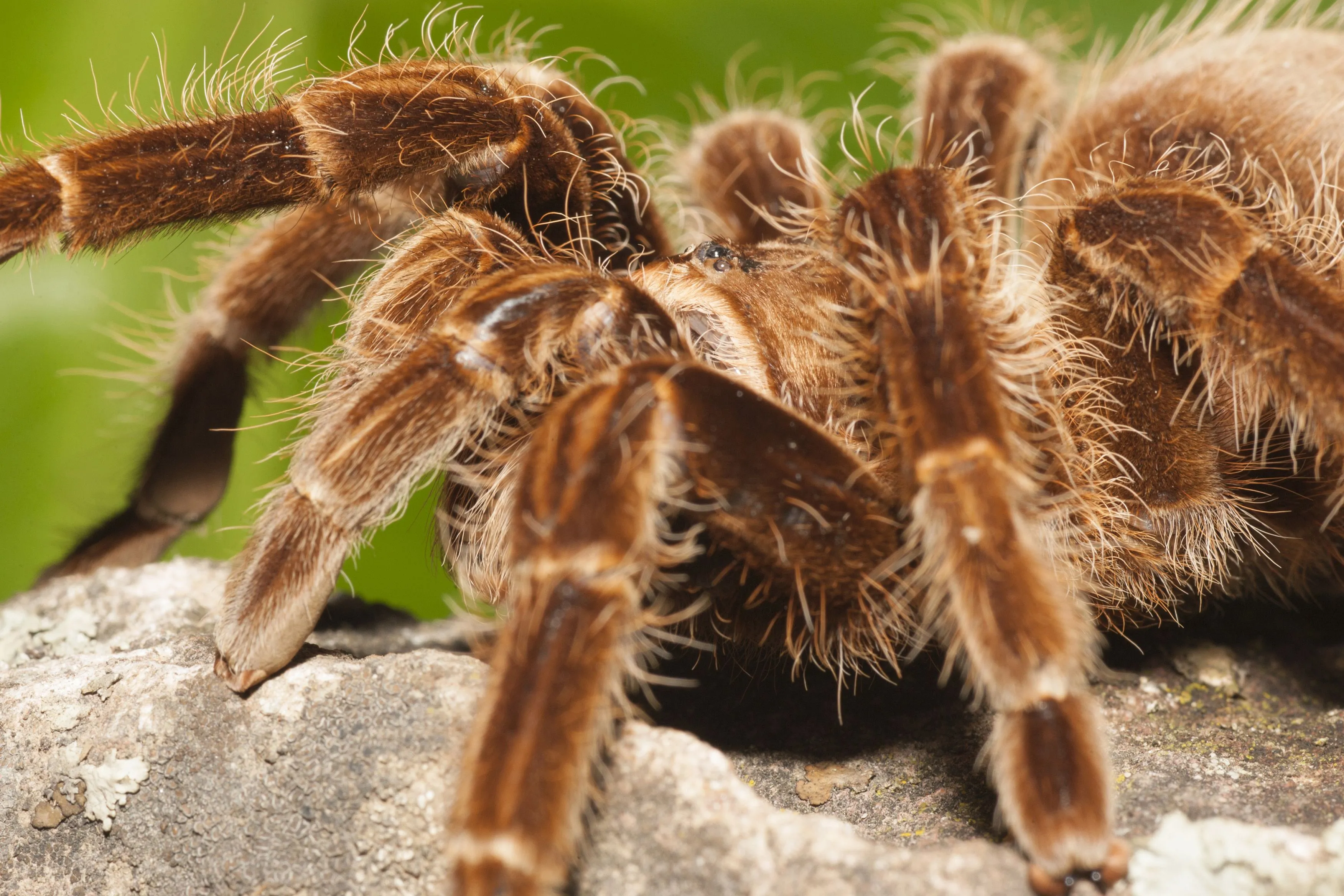
Why Keep Tarantulas
Keeping a pet tarantula offers a unique and rewarding experience for many animal enthusiasts. These fascinating creatures, with their impressive size and diverse appearances, have captivated the attention of people worldwide. Unlike typical pets like dogs or cats, tarantulas provide a different kind of companionship, requiring minimal interaction but offering endless opportunities for observation and learning. The allure of these arachnids stems from their intriguing behavior, their relatively low-maintenance needs, and the fascinating glimpse they provide into the world of invertebrates. If you’re looking for a pet that’s both captivating and easy to care for, a tarantula might be the perfect choice.
Fascinating Behavior of Tarantulas
Tarantulas exhibit a range of captivating behaviors that make them endlessly interesting to observe. From the way they hunt and consume their prey to their molting process, these spiders offer a window into a world of natural wonders. Some species are known for their elaborate web-spinning, while others are more terrestrial, spending their time burrowing or exploring their environment. The different personalities are fascinating, some are more docile, while others may display defensive behaviors when threatened. Observing these behaviors provides an engaging way to connect with the natural world and appreciate the unique adaptations of tarantulas. Their behaviors can differ based on species, age, and even environmental conditions.
Low Maintenance Pets

One of the most appealing aspects of owning a tarantula is the relatively low level of maintenance they require. Unlike dogs or cats, tarantulas do not need daily walks, extensive grooming, or constant attention. Their primary needs are a suitable habitat, regular feeding, and fresh water. This makes them an excellent choice for people with busy schedules or limited space. Compared to other pets, tarantulas require a significantly smaller time commitment, allowing you to enjoy the benefits of pet ownership without the constant demands of more traditional companions. This low-maintenance aspect makes them a convenient and accessible pet option for a wide range of individuals.
Tarantulas Require Minimal Space
Another advantage of keeping a tarantula is the minimal space they require. A single tarantula can thrive in a relatively small enclosure, making them ideal pets for apartment dwellers or those with limited living space. The size of the enclosure will depend on the size of the tarantula, but generally, a 10-gallon tank is sufficient for many species. This compact setup allows you to enjoy the company of a pet without the need for a large home or yard. The efficient use of space makes tarantulas a practical choice for individuals who want a pet but lack the room for larger animals, contributing to the overall appeal of owning these fascinating creatures.
Educational and Interesting Pets
Tarantulas offer a unique opportunity for learning and education. Observing their behavior, understanding their needs, and researching their natural habitats can be a fascinating and rewarding experience. They provide a tangible connection to the natural world, fostering curiosity and appreciation for the biodiversity of our planet. The process of setting up and maintaining a tarantula’s habitat can also be educational, teaching about environmental control, animal welfare, and the importance of providing a suitable living space. Whether you’re a student, a parent, or simply a curious individual, keeping a tarantula is an excellent way to expand your knowledge and understanding of the animal kingdom.
Variety of Species to Choose From

The world of tarantulas is incredibly diverse, with hundreds of species available to choose from. Each species has its unique characteristics, appearance, and temperament, offering a wide range of options to suit different preferences and experience levels. Some species are known for their vibrant colors, while others are prized for their docile nature. Whether you’re drawn to the striking blue hues of the Gooty Sapphire Ornamental or the more subdued elegance of the Chilean Rose Hair, there’s a tarantula out there to capture your imagination. This variety ensures that there is a tarantula for everyone, making the decision to keep one an exciting journey of exploration.
Choosing the Right Tarantula
When deciding to keep a pet tarantula, selecting the right species is crucial for both your enjoyment and the spider’s well-being. Researching different tarantula species is the first step. Consider your experience level, the amount of time you can dedicate to care, and the space available. Beginners often find New World tarantulas, like the Chilean Rose Hair or the Pinktoe tarantula, easier to manage due to their generally docile temperaments and lower venom potency. However, more experienced keepers might opt for Old World species, which can be more defensive and have a stronger venom. Ensure the species’ care requirements align with your ability to provide them before making a commitment. Selecting the right tarantula leads to a rewarding and less stressful ownership experience.
Considerations Before Getting a Tarantula
Before acquiring a tarantula, several factors must be considered to ensure a successful and responsible ownership experience. Researching tarantula care thoroughly is essential to understand their specific needs, including habitat, feeding, and handling. Consider the long-term commitment, as tarantulas can live for several years, with females often outliving males. Check local laws and regulations regarding exotic pets, as some regions may have restrictions or permit requirements. Be prepared for the initial setup costs, including the enclosure, substrate, and other necessary supplies. Finally, be honest with yourself about your ability to care for a tarantula responsibly, understanding their potential risks and commitment to their well-being. Thorough preparation will help to avoid common pitfalls and ensures a positive experience.
Researching Different Tarantula Species

Effective research is the cornerstone of responsible tarantula ownership. Before acquiring any tarantula species, dive into the specifics of their needs and behaviors. Look into their natural habitat, which dictates optimal temperature, humidity, and enclosure setup. Investigate their dietary preferences and the frequency of feeding. Research their temperament, venom potency, and potential defensive behaviors. Online forums, reputable websites, and experienced keepers can provide valuable insights and guidance. Study their growth patterns, molting cycles, and potential health issues. This in-depth research will enable you to create the most appropriate and comfortable environment for your tarantula, giving it a higher chance of thriving in your care. Knowing as much as possible will also empower you to make informed decisions about their care.
Setting Up Your Tarantula’s Habitat
The habitat is the cornerstone of a tarantula’s well-being, mirroring its natural environment. Selecting the right enclosure size is the initial step. The enclosure should be appropriately sized to prevent stress and allow the tarantula to move comfortably. Next, choose a suitable substrate, which acts as bedding and helps maintain humidity levels. Coconut fiber, peat moss, and vermiculite are excellent choices. Decorate the enclosure with elements like cork bark, branches, and artificial plants to provide hiding places and enrich the environment. Temperature and humidity levels must be carefully monitored and maintained, as these factors significantly impact their health and molting cycles. Setting up the habitat properly creates a comfortable and safe space, increasing the chances of a healthy and happy tarantula.
Enclosure Size and Type
Selecting the appropriate enclosure size and type is vital for the comfort and well-being of your pet tarantula. The enclosure size is based on the species and size of the tarantula. Generally, a terrarium that is 2-3 times the spider’s leg span is a good starting point. Consider the species’ lifestyle when choosing the type of enclosure: terrestrial tarantulas thrive in enclosures wider than they are tall, while arboreal species prefer taller enclosures with vertical climbing space. Ensure the enclosure is well-ventilated to prevent excessive humidity and mold growth. Secure the enclosure with a tight-fitting lid to prevent escapes and provide a safe and stable environment. The right enclosure allows for a comfortable and stress-free existence.
Substrate and Decor

Substrate and decor contribute significantly to the environmental quality of the enclosure. The substrate, or bedding, serves multiple purposes, including moisture retention, providing a surface for the tarantula to walk on, and acting as a burrowing medium for some species. Suitable substrate choices include coconut fiber, peat moss, and vermiculite. Decorate the enclosure with natural elements like cork bark, driftwood, or artificial plants to mimic the tarantula’s natural habitat and offer hiding places. These hiding spots are crucial for reducing stress and providing a sense of security. The right combination of substrate and decor creates a functional and visually appealing environment, benefiting your tarantula’s physical and psychological well-being.
Temperature and Humidity
Maintaining proper temperature and humidity levels is critical for the health and well-being of your tarantula. Different tarantula species have varying temperature and humidity requirements, and it’s essential to research the specifics for your species. Use a thermometer to monitor the enclosure temperature and a hygrometer to measure humidity. Generally, most tarantulas thrive in temperatures between 70-80°F (21-27°C). Humidity levels should range from 60-80%, but it depends on the species. Provide a shallow water dish for drinking and to help maintain humidity levels. Avoid placing the enclosure in direct sunlight or near heat sources that could cause temperature fluctuations. Regularly monitoring and adjusting these parameters helps prevent stress and promotes healthy molting cycles.
Feeding Your Tarantula
Feeding your tarantula correctly is essential for its health and longevity. The diet mainly consists of insects, with crickets, mealworms, and roaches being common choices. However, the variety is good for the spider. The size of the prey should be appropriate for the tarantula’s size, typically no larger than the spider’s abdomen. Avoid overfeeding, as tarantulas can become obese. The feeding frequency depends on the tarantula’s age, species, and growth rate. Younger tarantulas need to be fed more frequently, while adults can eat less often. Always provide fresh, clean water in a shallow dish. The proper feeding practices support growth, energy, and ensure the tarantula receives the necessary nutrients.
What Tarantulas Eat

Tarantulas are primarily insectivores, and their diet consists of live insects. Crickets, mealworms, dubia roaches, and other commercially available insects are ideal prey. The size of the prey should be appropriate for the tarantula’s size. As a general rule, the prey should be no larger than the tarantula’s abdomen. The nutritional value of the insects is crucial, so it’s recommended to gut-load them with nutritious food before offering them to your tarantula. This ensures the spider receives the necessary vitamins and minerals. Offer a variety of prey to provide a balanced diet. Understanding what tarantulas eat and providing the right diet is a fundamental part of providing proper care.
Feeding Frequency
The frequency of feeding depends on the age and species of your tarantula. Young, growing tarantulas, especially slings (juveniles), require more frequent feedings, sometimes every few days. Adult tarantulas can be fed less often, perhaps once or twice a week. Observe your tarantula’s feeding behavior and adjust the schedule as needed. A tarantula that refuses food may be preparing to molt. Remove any uneaten prey after 24 hours to prevent stress and potential harm to the tarantula. Monitor the tarantula’s abdomen size; a slightly plump abdomen is an indication of a healthy feeding schedule. The right feeding frequency prevents both underfeeding and overfeeding, which can impact their health.
Handling and Safety
While some tarantulas are relatively docile, handling them should be approached with caution. Not all tarantulas enjoy being handled, and some may become stressed or defensive when disturbed. It’s best to avoid handling, especially with more defensive species or during molting periods. If you must handle a tarantula, do so carefully and slowly, keeping it close to a soft surface, like a bed or the ground, in case it falls. Always wash your hands thoroughly before and after handling to remove any potential contaminants. Be aware that tarantulas can bite and inject venom as a defense mechanism. While the venom is rarely life-threatening to humans, the bite can be painful. Prioritizing safety and practicing caution is essential for responsible pet ownership.
Can You Handle a Tarantula

Whether you can handle a tarantula depends on the species and the individual spider’s temperament. Some species are known for being more docile and tolerant of handling, while others are more defensive. Even docile tarantulas can be unpredictable, and handling always carries a degree of risk. Before handling a tarantula, research its species and understand its potential behaviors. It is essential to build trust with the spider, observing its movements and signals. When handling, do so slowly and gently, and avoid sudden movements. Always supervise children when they interact with a tarantula. The best practice is often to avoid handling altogether. Prioritize the well-being of the spider and handle it only if it’s comfortable and safe.
Tarantula Bites and Precautions
Tarantulas can bite as a defense mechanism, and their bites can be painful. While tarantula venom is generally not considered medically significant to humans, it can cause localized pain, swelling, and itching. If bitten, wash the area thoroughly with soap and water. Apply a cold compress to reduce swelling and discomfort. Avoid squeezing the bite site, as this could spread the venom. In rare cases, people may have allergic reactions to tarantula venom. If you experience symptoms like difficulty breathing, excessive swelling, or dizziness, seek medical attention immediately. The best precaution is to avoid handling tarantulas. However, if handling is necessary, do so with extreme caution and be prepared for the potential consequences of a bite.
Benefits of Keeping a Tarantula as a Pet
Keeping a tarantula as a pet comes with a variety of benefits. They offer a unique and fascinating insight into the natural world, providing an engaging and educational experience. The low maintenance requirements make them a convenient choice for individuals with busy lifestyles or limited space. They offer a unique pet experience, allowing for observation and study of their fascinating behaviors. The process of caring for a tarantula can be a calming and therapeutic activity. Owning a tarantula is an excellent way to learn about arachnids, ecology, and the importance of responsible pet ownership. This includes their specific needs, such as habitat, feeding, and handling. They are truly fascinating creatures, and the benefits far outweigh the risks if approached with knowledge and respect.
Unique Pet Experience
Owning a tarantula provides a unique pet experience that differs from traditional pets like dogs or cats. Tarantulas are not pets that require constant interaction or affection. They offer a different kind of companionship, one that involves observation and appreciation for their unique behaviors and adaptations. This unique experience can be both fascinating and rewarding, allowing owners to develop a deeper understanding of the natural world. Their quiet and independent nature makes them a great choice for people who prefer a more hands-off pet. It allows owners to enjoy the beauty of a different type of creature, promoting a sense of wonder and fascination with the world of arachnids. This unique pet experience creates a unique way of connecting with the natural world.
Learning Opportunity
Keeping a tarantula is a fantastic learning opportunity. It provides a hands-on educational experience, encouraging owners to learn about the tarantula’s species, its habitat, and its needs. The responsibility of caring for a tarantula instills valuable skills like observation, research, and attention to detail. The process of setting up and maintaining the enclosure teaches about environmental control and animal welfare. Studying tarantulas can spark an interest in biology, ecology, and the broader study of invertebrates. Owning a tarantula can be a gateway to a deeper understanding of the natural world. The learning opportunities extend beyond the tarantula itself, helping to expand knowledge about various aspects of the animal kingdom.