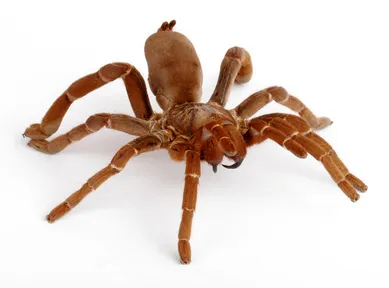
The King Baboon Tarantula ( Pelinobius muticus ) is a fascinating and sometimes challenging pet. Originating from the savannas of East Africa, these terrestrial tarantulas are known for their striking appearance and defensive nature. This comprehensive care guide provides essential tips for successfully keeping a King Baboon Tarantula, ensuring its health and well-being. From habitat setup to diet and handling, we’ll cover everything you need to know to provide the best possible care for your captivating eight-legged friend. Understanding the specific needs of the King Baboon Tarantula is paramount to responsible pet ownership, and this guide is designed to help you every step of the way.
King Baboon Tarantula: Habitat Essentials
Creating the right habitat is the foundation of good King Baboon Tarantula care. Their environment plays a crucial role in their overall health and behavior. Replicating their natural habitat as closely as possible will help your tarantula thrive. This involves providing the correct enclosure size, suitable substrate, and maintaining optimal temperature and humidity levels. Neglecting these factors can lead to stress, health problems, and even a shortened lifespan for your pet.
Enclosure Size for King Baboon Tarantulas
Choosing the right enclosure size is crucial for the King Baboon Tarantula’s comfort and well-being. A juvenile tarantula can start in a smaller enclosure, but as they grow, they need ample space to move around and feel secure. A general rule of thumb is to provide an enclosure that is at least three times the tarantula’s leg span in width. For an adult King Baboon Tarantula, a terrarium measuring 12x12x12 inches or larger is recommended. Make sure the enclosure has a secure lid to prevent escapes, and it should be well-ventilated to prevent the buildup of excessive humidity. Ensure the enclosure is escape-proof, as these tarantulas are strong and can push lids open if not secured properly.
Substrate Selection

The substrate is the bottom layer of your tarantula’s habitat and serves multiple purposes, including providing a place for the tarantula to burrow and feel secure, as well as helping to maintain humidity. For King Baboon Tarantulas, a substrate that can hold moisture without becoming waterlogged is ideal. A mixture of peat moss, vermiculite, and a small amount of organic topsoil works well. The substrate should be deep enough – at least 4-6 inches – to allow for burrowing behavior, which is typical for this species. Avoid substrates that contain harmful chemicals or fertilizers. Regular spot cleaning of the substrate is important to remove any uneaten food or waste, maintaining a healthy environment for your tarantula.
Temperature and Humidity
Maintaining the correct temperature and humidity levels is vital for your King Baboon Tarantula’s health. These tarantulas thrive in a warm and moderately humid environment, reflecting their natural habitat. The ideal temperature range is between 75-85°F (24-29°C). A heat mat placed on the side of the enclosure can provide a gentle heat source, but make sure it doesn’t overheat the enclosure. Humidity levels should be maintained between 60-70%. This can be achieved by misting the enclosure once or twice a week, depending on the ventilation and the type of substrate used. A hygrometer is essential to monitor humidity levels accurately. Proper temperature and humidity help facilitate healthy molting and overall well-being.
King Baboon Tarantula: Diet and Feeding
Proper nutrition is essential for the health and growth of your King Baboon Tarantula. A balanced diet that mimics their natural prey is crucial. The following sections will provide a detailed guide on what to feed your tarantula, how frequently to feed it, and how to ensure it gets the necessary nutrients for a long and healthy life. Remember that overfeeding can be as detrimental as underfeeding, so moderation is key.
What to Feed a King Baboon Tarantula

King Baboon Tarantulas are primarily insectivores, and their diet should consist mainly of live insects. Suitable food items include crickets, mealworms, Dubia roaches, and other appropriately sized insects. The size of the prey should be no larger than the tarantula’s body length. Always ensure that the insects you feed your tarantula are gut-loaded with nutritious food, such as vegetables and commercial insect food, before offering them to your pet. This ensures your tarantula receives essential vitamins and minerals. Avoid feeding wild-caught insects, as they may contain pesticides or parasites that can be harmful to your tarantula.
Feeding Frequency
The feeding frequency for King Baboon Tarantulas varies depending on their age and size. Spiderlings and juveniles should be fed more frequently, typically every 2-3 days. As they grow older, feeding frequency can be reduced to once or twice a week for adults. Always remove any uneaten prey within 24 hours to prevent stress and potential harm to your tarantula. Observe your tarantula’s abdomen to gauge its fullness; a plump abdomen indicates a well-fed tarantula. Be careful not to overfeed, as this can lead to health issues, such as obesity.
Watering and Hydration
Providing a clean water source is vital for your King Baboon Tarantula’s hydration. A shallow water dish, such as a bottle cap or a small dish designed for reptiles, should be provided at all times. The water should be changed regularly, at least every other day, to prevent bacterial growth. Ensure the water dish is easily accessible and not too deep, to prevent the tarantula from drowning. Alternatively, you can mist the enclosure to provide droplets of water for the tarantula to drink. Adequate hydration is essential for their health, particularly during molting periods.
King Baboon Tarantula: Handling and Safety

While King Baboon Tarantulas are fascinating creatures, they are not typically recommended for frequent handling. Their defensive nature and potent venom necessitate caution. The following sections provide information on safe handling practices and how to recognize stress signals in your tarantula. Understanding these aspects is vital for the safety of both you and your pet.
Safe Handling Practices
Handling a King Baboon Tarantula should be kept to a minimum and only undertaken by experienced keepers. If you choose to handle your tarantula, do so with extreme caution. Avoid sudden movements and ensure your hands are clean and free of any scents, such as perfume or hand lotion. Handle the tarantula over a soft surface, such as a bed or a low table, to minimize the risk of injury if it falls. Use a soft brush to gently coax the tarantula into a container if you need to move it. Never try to grab or restrain the tarantula forcibly.
Recognizing Stress Signals
Understanding your tarantula’s behavior can help you avoid stressful situations. King Baboon Tarantulas exhibit certain behaviors that indicate stress or a willingness to defend themselves. These include raising their front legs, flicking hairs from their abdomen (urticating hairs), or displaying a threat pose. If your tarantula displays any of these behaviors, it’s a clear sign to leave it alone and allow it to retreat. Regularly observe your tarantula’s behavior to familiarize yourself with its personality and stress indicators.
King Baboon Tarantula: Health and Common Issues

Like all pets, King Baboon Tarantulas can be susceptible to certain health issues. Understanding common problems and their treatments is crucial for responsible care. The following sections provide information on shedding and molting, and how to identify and treat potential illnesses.
Shedding and Molting
Shedding, or molting, is a natural process where tarantulas shed their exoskeleton to grow. During this time, your tarantula will typically stop eating and may become less active. It’s crucial to maintain proper humidity levels during molting, as this helps the tarantula to shed its skin correctly. Avoid disturbing your tarantula during molting. After the molt, the tarantula’s fangs will be soft, and it may take several days for them to harden. Do not feed your tarantula until its fangs have fully hardened to avoid injury.
Identifying and Treating Illness
Tarantulas are generally hardy creatures, but they can sometimes fall ill. Common signs of illness include lethargy, loss of appetite, or unusual behavior. Parasites and fungal infections are potential issues. If you suspect your tarantula is sick, it’s crucial to consult with a veterinarian experienced in exotic animals. Ensure the enclosure is clean and that all environmental conditions are optimal to prevent illness. Proper sanitation and a healthy diet are the best preventative measures.
King Baboon Tarantula: Breeding and Reproduction
Breeding King Baboon Tarantulas can be a rewarding but complex process. It requires specialized knowledge and careful planning. The following sections will provide insights into the mating process, egg sac management, and raising spiderlings.
Mating and Egg Sacs
Breeding King Baboon Tarantulas involves careful preparation and monitoring. The female must be well-fed and in good health. Introducing a male to the female’s enclosure should be done under close supervision, as the female may be aggressive. If mating is successful, the female will produce an egg sac, which she will guard. It’s important to provide the female with a secure and undisturbed environment during this period. Once the egg sac is laid, you can either let the female care for it or remove it for artificial incubation.
Raising Spiderlings
Raising spiderlings requires patience and attention to detail. Spiderlings need a warm and humid environment with plenty of small prey items. Provide them with a shallow water source and a safe place to hide. Separate the spiderlings into individual enclosures as they grow to prevent cannibalism. Regularly monitor their growth and molting progress. Feeding them appropriately sized insects and ensuring they have proper environmental conditions will help them thrive. Keeping records of molts and growth is essential for tracking their development.
In conclusion, caring for a King Baboon Tarantula is a rewarding experience for those who are prepared to provide the necessary care and attention. By following the guidelines outlined in this care sheet, you can create a healthy and enriching environment for your tarantula. Remember to always prioritize your tarantula’s well-being, observe its behavior, and seek expert advice if you have any concerns. Enjoy the captivating world of these amazing arachnids!