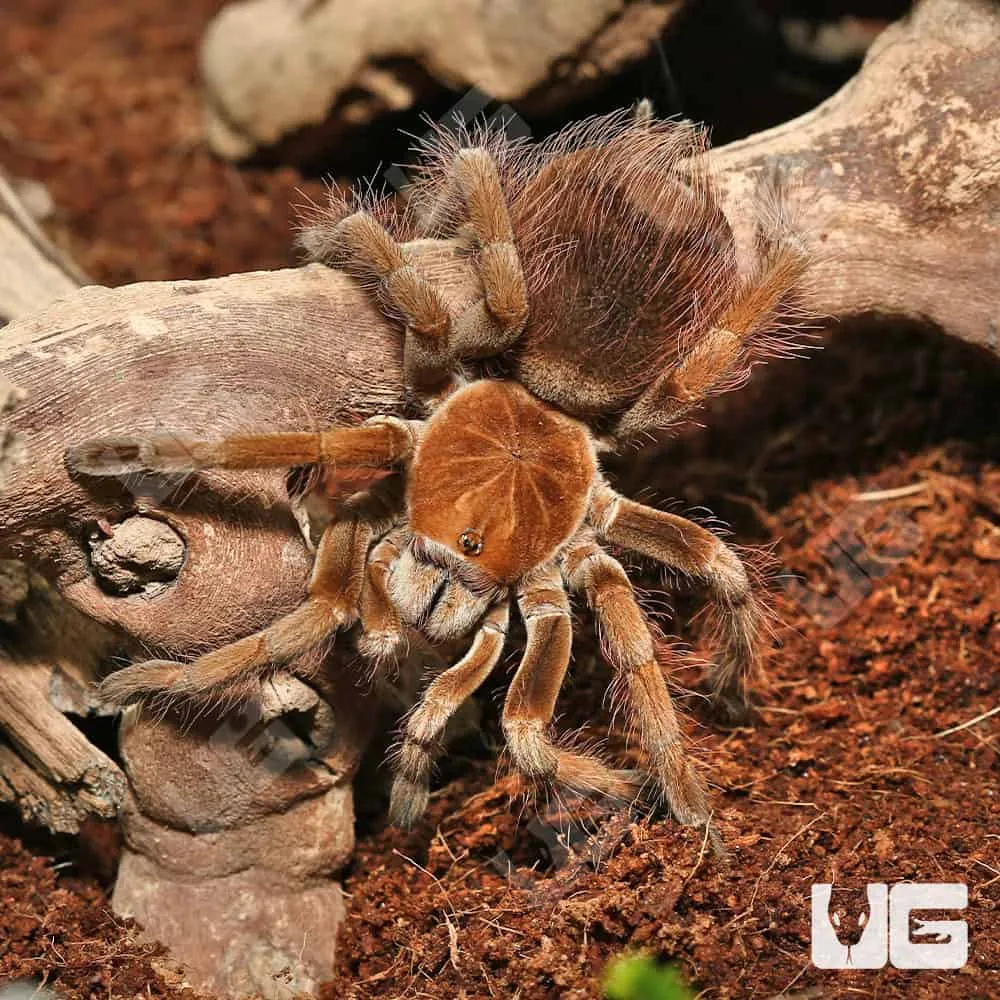
What is a Mascara Giant Birdeater Tarantula
The Mascara Giant Birdeater Tarantula (Lasiodora parahybana) is one of the largest tarantula species in the world, captivating arachnid enthusiasts with its impressive size and striking appearance. Native to the rainforests of Brazil, this species has become a popular choice for tarantula keepers due to its relatively docile temperament and ease of care. Despite its name, which might conjure images of these spiders feasting on birds, this tarantula rarely preys on birds in the wild. The name is more of a historical anomaly, and the diet primarily consists of insects and other invertebrates. Understanding the Mascara Giant Birdeater Tarantula involves appreciating its unique characteristics, its place in the ecosystem, and the responsibilities that come with keeping one as a pet.
Appearance and Characteristics
The Mascara Giant Birdeater Tarantula is characterized by its robust build and impressive leg span. Adults can reach a leg span of up to 10 inches, making them a truly imposing sight. Their bodies are covered in dense, bristly hairs that range in color from light brown to dark brown, sometimes with reddish hues. These hairs are not only for sensory perception but also serve as a defense mechanism; they can be flicked off the abdomen to irritate potential predators. The fangs of this tarantula, while formidable in appearance, are primarily used for grasping and injecting venom into prey, which is used for subduing their meals, not for direct threats to humans. The combination of size, coloration, and defensive features makes this species a remarkable example of arachnid adaptation.
Size and Lifespan

As one of the largest tarantula species, the Mascara Giant Birdeater lives up to its name. Females are typically larger than males, with leg spans that can exceed 10 inches. The lifespan of this tarantula is also noteworthy. Females can live for up to 15-20 years in captivity, while males generally have a shorter lifespan, usually around 3-5 years after their final molt. This long lifespan makes them a long-term commitment for keepers. The growth rate of these tarantulas is relatively fast, especially during their juvenile stages, molting frequently as they develop. Proper care, including a suitable diet and environment, is crucial for maximizing their health and longevity. A healthy, well-cared-for Mascara Giant Birdeater Tarantula can be a captivating companion for many years.
Habitat and Distribution
In the wild, the Mascara Giant Birdeater Tarantula is native to the rainforests of Brazil. They are ground-dwelling spiders, constructing burrows or using existing shelters under rocks, logs, and leaf litter. The warm, humid climate of their natural habitat is essential for their survival. They thrive in environments with moderate temperatures and high humidity levels. The distribution of this species is primarily limited to specific regions within Brazil, where they play a role in the local ecosystem. The wild population faces threats from habitat loss and other environmental changes. Understanding their natural habitat provides valuable insights for replicating a suitable environment in captivity, ensuring the well-being of these fascinating creatures.
5 Amazing Facts about the Mascara Giant Birdeater Tarantula
Fact 1 Size and Strength

The sheer size of the Mascara Giant Birdeater Tarantula is often the first thing that captures the attention of enthusiasts. With a leg span that can reach up to 10 inches, this tarantula is one of the largest in the world. Its size is matched by its strength, allowing it to subdue relatively large prey items. This size and strength also require careful consideration when handling them, as their size alone can make them a formidable creature. The development of such large body mass and physical prowess is a result of their evolution in a specific environment where they are apex predators. Their impressive size also means they require a larger enclosure and more space.
Fact 2 Diet and Hunting
Despite the name, Mascara Giant Birdeater Tarantulas rarely feed on birds in their natural habitat. Their diet consists mainly of insects, such as crickets and roaches, as well as other invertebrates. They are ambush predators, waiting patiently in their burrows or under cover for prey to come within striking distance. The tarantula then uses its fangs to inject venom, which paralyzes the prey, allowing them to be consumed. In captivity, their diet can be supplemented with various insects and, occasionally, small vertebrates. A varied diet helps ensure the tarantula receives all the necessary nutrients for healthy growth. The tarantula’s hunting strategy is an interesting example of adaptation.
Fact 3 Defense Mechanisms
The Mascara Giant Birdeater Tarantula has several defense mechanisms to protect itself from predators. One of the most notable is urticating hairs, which are fine hairs on the abdomen that they can flick off when threatened. These hairs cause severe irritation to the skin and eyes of potential threats. They also possess formidable fangs and can bite if provoked, though they are not generally aggressive. When threatened, they may also adopt a defensive posture, raising their front legs and displaying their fangs. This combination of physical attributes and defensive behaviors makes them a relatively safe creature to keep if handled with respect and proper precautions.
Fact 4 Unique Behaviors

These tarantulas exhibit several fascinating behaviors. They are nocturnal hunters, typically most active at night. They create burrows or use existing shelters, often lining them with silk to create a safe and comfortable environment. Mating rituals involve a complex dance between the male and female tarantula. Females can become aggressive during mating, and the male must be careful to avoid being eaten. The process of molting is another unique behavior, during which the tarantula sheds its exoskeleton to grow. This process makes them vulnerable. The behaviors are key to understanding their lifestyle and needs in captivity. Observing these behaviors can be a fascinating aspect of keeping a Mascara Giant Birdeater Tarantula.
Fact 5 Conservation Status
While not currently listed as endangered, the Mascara Giant Birdeater Tarantula faces threats in the wild due to habitat loss and deforestation in their native Brazilian rainforests. Their popularity in the pet trade can also put pressure on wild populations if sustainable practices are not followed. Conservation efforts are crucial to protecting their natural habitat and ensuring the long-term survival of the species. Responsible pet ownership, including purchasing captive-bred tarantulas, supports conservation efforts. Awareness and education about the species’ needs are essential to promoting their conservation. Conservation status can change based on the threats faced.
Caring for a Mascara Giant Birdeater Tarantula
Enclosure Setup

Providing a suitable enclosure is critical for the well-being of a Mascara Giant Birdeater Tarantula in captivity. A glass or acrylic terrarium is ideal, with dimensions that allow for the tarantula to move comfortably. The enclosure should be large enough to accommodate the tarantula’s size, and as a general rule, the enclosure should be about three times the tarantula’s leg span in width and length. The enclosure should have a secure lid to prevent escape. Substrate, such as coconut fiber or a mix of peat moss and vermiculite, should be used to provide a natural environment and help maintain humidity levels. Hiding places, such as cork bark or artificial caves, are necessary to provide security and allow the tarantula to retreat from view. A shallow water dish is required to provide a constant source of fresh water.
Feeding and Hydration
Feeding a Mascara Giant Birdeater Tarantula is relatively straightforward. They primarily eat insects, such as crickets, mealworms, and roaches. The frequency of feeding depends on the tarantula’s age and size. Juveniles should be fed more frequently than adults. Overfeeding should be avoided, as it can lead to health issues. Remove any uneaten prey within 24 hours. Water should always be available in a shallow dish. Hydration is vital for their health. Misting the enclosure lightly, especially during molting, can also help maintain humidity levels. Provide a balanced diet to ensure proper nutrition and health.
Handling and Safety
Handling a Mascara Giant Birdeater Tarantula should be done with caution and respect. While they are generally not aggressive, they can bite if they feel threatened. Avoid handling them unnecessarily. If you must handle them, do so over a soft surface, such as a bed or carpet, to prevent injury if they fall. Be mindful of their urticating hairs; avoid touching the abdomen. Always wash your hands after handling the tarantula or its enclosure. Educate yourself about their behaviors and potential dangers before interacting with them. Maintaining a safe distance is often the best approach.
Potential Health Issues

Like all pets, Mascara Giant Birdeater Tarantulas can be susceptible to certain health issues. Common problems include dehydration, mites, and fungal infections. Dehydration can be prevented by ensuring constant access to fresh water and maintaining the correct humidity levels. Mites can infest tarantulas; regular cleaning and proper sanitation of the enclosure are crucial for their prevention. Fungal infections can develop if the environment is too humid. Regularly inspect the tarantula for signs of illness, such as lethargy, loss of appetite, or unusual behavior. Consult a veterinarian experienced in exotic pets if you notice any health concerns. Addressing health issues early can significantly improve the tarantula’s chances of recovery.
Conclusion
The Mascara Giant Birdeater Tarantula is a fascinating and impressive species. Its size, appearance, and behavior make it a captivating pet for experienced keepers. Providing a suitable environment, proper care, and a good understanding of their needs will ensure a healthy and fulfilling life for these remarkable creatures. By appreciating the facts and understanding the care requirements, you can develop a deep appreciation for this impressive arachnid. Always remember to prioritize their well-being and respect their natural instincts.